


We may not have the course you’re looking for. If you enquire or give us a call on 01344203999 and speak to our training experts, we may still be able to help with your training requirements.
12 Best Books on Assertiveness You Should Read
ByShristi RoyLast updated on: 13 October 2026
Curious about books on assertiveness? These insightful books teach you how to communicate confidently, set boundaries, and foster healthy relationships. From classic techniques to modern approaches, discover how these books can transform your personal and professional interactions. Let’s explore the top picks!

The Rundown
Not every assertiveness book takes the same approach. Some focus on speaking up, setting boundaries, and saying no, while others develop related skills such as emotional awareness and handling difficult conversations. This list of 12 books can help you find the right read for the assertiveness skill you want to strengthen.
Picture this: you're in a crucial conversation, and you know exactly what you want to say, but the words just won't come out. Sound familiar? We have all been there. The secret to overcoming these moments of hesitation is assertiveness. In this blog, we're diving into the 12 best books on assertiveness that will help you unlock your potential and communicate with confidence.
These books offer a range of insights, tools, and techniques related to assertiveness, communication, boundaries, confidence, and personal development. Let's learn more about them in the blog!
Top 12 Best Books on Assertiveness
This section explores the 12 best books on assertiveness to help you develop confidence and improve your communication skills. Let's find out each of them:
1) "The Dance of Connection: How to Talk to Someone When You're Mad, Hurt, Scared, Frustrated, Insulted, Betrayed, or Desperate" by Harriet Lerner, PhD.
In "The Dance of Connection," renowned psychologist Harriet Lerner delves into the complexities of communication and connection in various relationships. Dr. Lerner explores the challenge of expressing one's authentic voice, particularly in difficult or emotionally charged relationships and conversations.
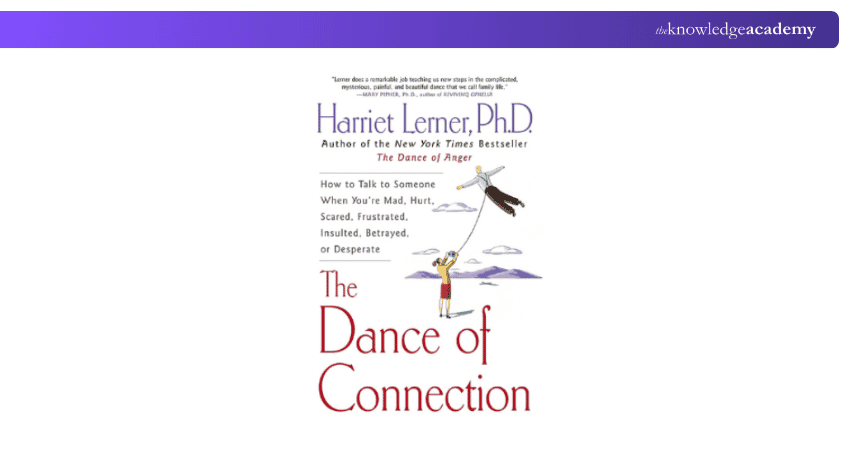
The book provides insights into navigating difficult conversations and expressing oneself clearly during emotionally charged moments. Dr. Lerner emphasises the importance of vulnerability and empathetic listening in fostering healthy connections. By incorporating the insights from "The Dance of Connection" into your interactions, you can enhance your assertiveness and cultivate deeper, more meaningful relationships.

2) “Daring Greatly: How the Courage to be Vulnerable Transforms the Way We Live, Love, Parent, and Lead” by Brené Brown
Though not solely focused on assertiveness, Brené Brown's "Daring Greatly" profoundly impacts the understanding of how vulnerability and assertiveness are interconnected. Brown argues that embracing vulnerability allows individuals to become more authentic and, in turn, assertive in their lives.
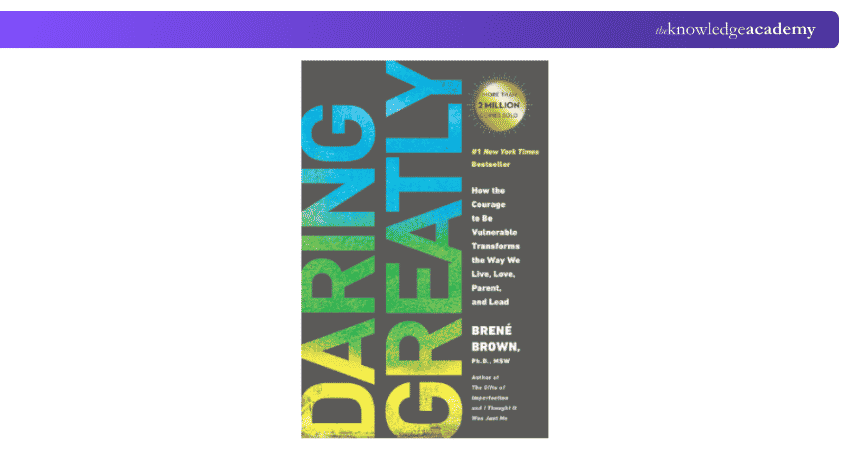
By sharing personal anecdotes and research-backed insights, Brown empowers readers to embrace vulnerability as a source of strength. This, in turn, helps them build the confidence needed to express their thoughts and emotions genuinely. The book's approach encourages readers to take risks, responsibilities, and embrace assertiveness as a means of living a more fulfilling life.
3) “When I Say No, I Feel Guilty” by Manuel J. Smith
Manuel J. Smith's classic "When I Say No, I Feel Guilty" remains a timeless guide for those struggling to be assertive. Smith identifies the psychological barriers that often hinder individuals from expressing themselves confidently. Through his step-by-step techniques, readers can learn to overcome these obstacles and assert their rights effectively.
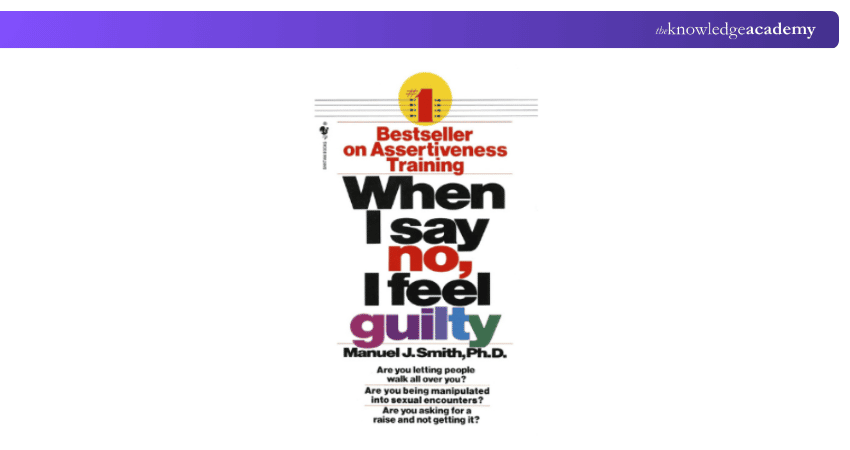
The book addresses the issue of guilt and the impact it can have on communication. Smith provides practical solutions for handling manipulation and guilt-inducing tactics often used to undermine assertiveness. As readers implement the strategies outlined in the book, they gain the confidence needed to stand up for themselves without compromising their values.
4) “Not Nice: Stop People Pleasing, Staying Silent, & Feeling Guilty... And Start Speaking Up, Saying No, Asking Boldly, and Unapologetically Being Yourself" by Aziz Gazipura
Aziz Gazipura's "Not Nice" delves into the common struggle of people-pleasing and its negative impact on assertiveness. Gazipura highlights how saying "yes" to everything can lead to resentment and a loss of personal identity. He encourages readers to break free from the pattern of people-pleasing by learning to speak up and set boundaries.
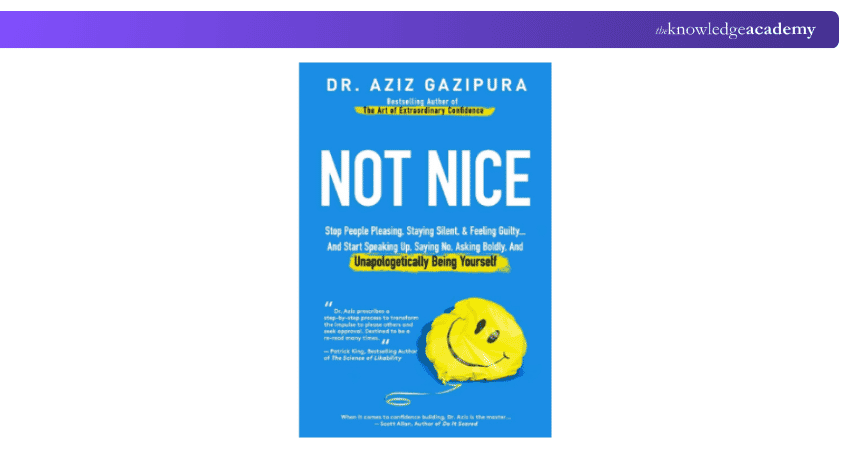
Through relatable anecdotes and practical advice, Gazipura empowers readers to say "no" unapologetically and without guilt. According to him, as people shed the burden of people-pleasing, they develop greater self-esteem and cultivate authentic connections with others.
Pro Tip
Assertiveness and aggression are not the same. Assertive communication means expressing your needs, opinions, or boundaries clearly while respecting the other person. Aggressive communication, on the other hand, can disregard the needs or rights of others.
5) "The Assertiveness Workbook: How to Express Your Ideas and Stand Up for Yourself at Work and in Relationships" by Randy J. Paterson
Randy J. Paterson's "The Assertiveness Workbook" is one of the recommended Books on assertiveness. It is a hands-on resource designed to help readers develop assertiveness in various areas of life. The book is filled with exercises and activities that encourage self-reflection and skill-building. Paterson's approach is both insightful and engaging, making the learning process enjoyable.
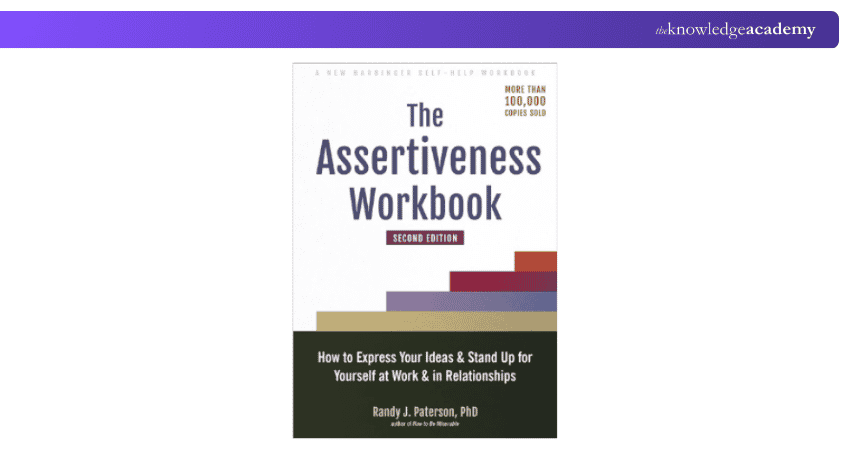
From navigating assertiveness in the workplace to handling personal relationships, the book covers a wide range of scenarios. By actively participating in the workbook's exercises, readers can gain a deeper understanding of their assertiveness style and areas that need improvement.
Trainer’s Insight
The best assertiveness book for you depends on the behaviour you want to change. Someone who struggles to say “no” may need a different approach from someone who avoids conflict or finds it difficult to express needs at work. Identify your biggest communication challenge first, then choose a book that addresses it directly.
6) "The Five Secrets You Must Discover Before You Die" by John Izzo
While not solely focused on assertiveness, "The Five Secrets You Must Discover Before You Die" explores the core elements of a purposeful and fulfilled life. As readers uncover these secrets, they also develop a deep understanding of themselves and their desires. Although assertiveness is not a central focus, the book's emphasis on self-awareness and purposeful living may support broader personal development.

Izzo's book encourages readers to reflect on what matters most and live with greater intention. While assertiveness is not a central subject of the book, its focus on authenticity, purpose, and acting on what matters may complement broader personal-development goals.
Make every professional conversation count with the Business Communication Course now!
7) "Your Perfect Right: A Guide to Assertive Living" by Robert E. Alberti and Michael L. Emmons
"Your Perfect Right" by Robert E. Alberti and Michael L. Emmons is a comprehensive guide to understanding assertiveness and integrating it into daily life. The authors emphasise the importance of asserting and recognising personal rights without infringing on others' rights.

Through practical advice and relatable examples, the book equips readers with the skills needed to handle difficult situations assertively. It also provides guidance on resolving conflicts while maintaining respect and open communication.
8) "Boundaries: When to Say Yes, How to Say No to Take Control of Your Life" by Dr. Henry Cloud and Dr. John Townsend
Dr. Henry Cloud and Dr. John Townsend's "Boundaries" focuses on the concept of setting healthy boundaries to gain control over one's life. Assertiveness plays a key role in establishing and maintaining these boundaries effectively.

By learning to say "no" when necessary and defining personal limits, readers can improve their assertiveness and overall well-being. The book offers practical tips and real-life stories to guide readers in applying boundaries to various aspects of life.
Quick Self-Check: Could You Strengthen Your Assertiveness?
Ask yourself:
1. Do I agree to requests when I actually want to say no?2. Do I avoid expressing a different opinion because I fear conflict?3. Do I find it difficult to ask directly for what I need?4. Do I allow others to cross boundaries because speaking up feels uncomfortable?5. Do I sometimes stay silent and feel frustrated afterwards?
9) "Emotional Intelligence: Why It Can Matter More Than IQ" by Daniel Goleman
Daniel Goleman's "Emotional Intelligence" explores emotional intelligence rather than assertiveness specifically. However, skills associated with emotional intelligence, such as self-awareness, managing emotions, empathy, and social skills, can support effective interpersonal communication.

The book examines emotional intelligence and the role emotions can play in areas such as relationships, decision-making, and behaviour. Developing greater emotional awareness may help readers communicate their thoughts and feelings more assertively while considering the emotions of others.
Connect better, communicate stronger, and build better relationships with the Interpersonal Skills Training today!
10) "Verbal Judo: The Gentle Art of Persuasion" by George J. Thompson, PhD., and Jerry B. Jenkins
While the book does not entirely focus on assertiveness, "Verbal Judo" offers valuable techniques for assertive communication and persuasion. Dr. George J. Thompson, a former English professor and police officer, developed the concept of "Verbal Judo" as a way to defuse conflicts and influence others positively.
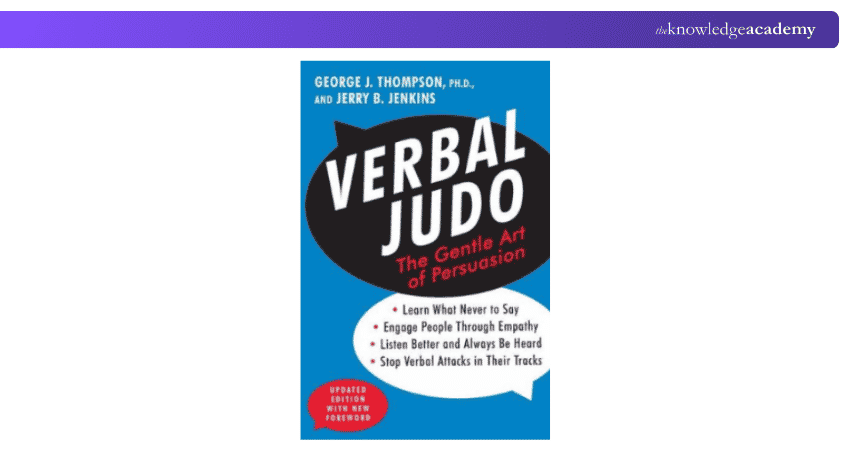
The book teaches readers how to use language effectively to persuade, redirect aggression, and assert their ideas respectfully. By learning the principles of "Verbal Judo," individuals can confidently express themselves while diffusing tense situations. The art of persuasion covered in this book can also empower readers to advocate for themselves and effectively communicate their needs and boundaries.
11) The Assertiveness Guide for Women” by Julie de Azevedo Hanks
If you are looking for a self-help book that can help you develop assertiveness and respect for yourself and others, "The Assertiveness Guide for Women" by Hanks may be precisely what you need. The book delves into attachment styles and how they impact our ability to express emotions.
Learning to be assertive is a valuable skill for anyone, but it can be incredibly challenging for women. The book delves into the difficulties that women may encounter when trying to develop assertiveness. In particular, the book notes that if you tend to experience anxiety or avoid confrontation, it can be an obstacle to being assertive.
It provides readers with mindfulness, cognitive behavioural therapy, and dialectical behaviour therapy strategies to help them overcome these challenges. By becoming more mindful of your thoughts and feelings, you will be empowered to set boundaries, ask for what you need, and express yourself honestly and confidently.
Articulate your thoughts with clarity and respect – sign up for the Effective Communication Skills Course.
12) “Assertiveness: How to Stand Up for Yourself and Still Win the Respect of Others” by Judy Murphy
This book offers clear and straightforward writing, effectively conveying the message of assertiveness and self-advocacy. It provides practical guidance for developing assertive communication, including speaking up, saying no, asking for what you want, and setting boundaries.
Murphy presents practical strategies for group and individual situations, enabling readers to communicate their needs clearly and respectfully.
This book is a suitable choice for those seeking a concise guide on developing assertive behaviour. It is particularly well-suited for teenagers and young adults who may be facing challenges and require a comprehensive introduction to expressing themselves assertively.
Quick Picks: Which Assertiveness Book Should You Read?
| If You Want To... | Consider Reading |
| Say “no” without feeling guilty | When I Say No, I Feel Guilty |
| Stop people-pleasing and speak up | Not Nice |
| Practise Assertiveness through exercises | The Assertiveness Workbook |
| Establish healthier personal boundaries | Boundaries |
| Navigate difficult conversations | The Dance of Connection |
| Develop a broader approach to Assertive living | Your Perfect Right |
| Communicate more effectively during conflict | Verbal Judo |
| Better understand emotions in communication | Emotional Intelligence |

Shristi Roy is a Content Writer with experience in journalism, article writing and web content development. Her experience researching and writing about Business Skills and Accounting and Finance enables her to communicate specialised information through clear, engaging narratives.
View Detail

 If you wish to make any changes to your course, please


