


 Top Rated Course

We may not have the course you’re looking for. If you enquire or give us a call on 01344203999 and speak to our training experts, we may still be able to help with your training requirements.
How to Become a Physical Therapist: A Step-by-Step Guide
Michael Jones 16 July 2026Is a career in Physical Therapy right for you? Understanding How to Become a Physical Therapist means mastering anatomy, rehabilitation techniques, and patient care. It’s a path that requires rigorous education, clinical training, and a deep passion for helping people regain movement and improve their overall quality of life.

Training Outcomes Within Your Budget!
We ensure quality, budget-alignment, and timely delivery by our expert instructors.
Table of Contents
Ever thought about a career where you help people move better, feel stronger, and live pain-free? If so, How to Become a Physical Therapist might be the question on your mind! But let’s be real - figuring out this career path can seem a bit daunting. Degrees, exams, clinical experience… where do you even start? Don’t stress - we’ve got your back!
Think of this blog as your roadmap to How to Become a Physical Therapist, breaking down every step in a way that makes sense. From choosing the right degree to nailing your licensure, we’ll walk you through it all. Whether you're just curious or ready to take the plunge, you’re in the right place.
Table of Contents
1) Who is a Physical Therapist?
2) Steps to Become a Physiotherapist
3) Essential Skills for a Successful Physiotherapist
4) How Many Years Does It Take to Become a Physiotherapist?
5) Is Physiotherapy a Doctor?
6) What is the Fastest Way to Become a Physical Therapist?
7) Conclusion
Who is a Physical Therapist?
A Physical Therapist is a healthcare professional who helps patients recover from injuries, improve mobility, and manage pain through therapeutic exercises, manual therapy, and Rehab techniques. They work in various settings, including hospitals, clinics, and sports facilities, to enhance patients' quality of life.

Steps to Become a Physiotherapist
Becoming a Physiotherapist involves a structured path that includes education, clinical training, and licensure. It’s important to be dedicated, as the journey requires years of study and hands-on experience. However, the reward of helping patients regain mobility and improve their quality of life makes the effort worthwhile.
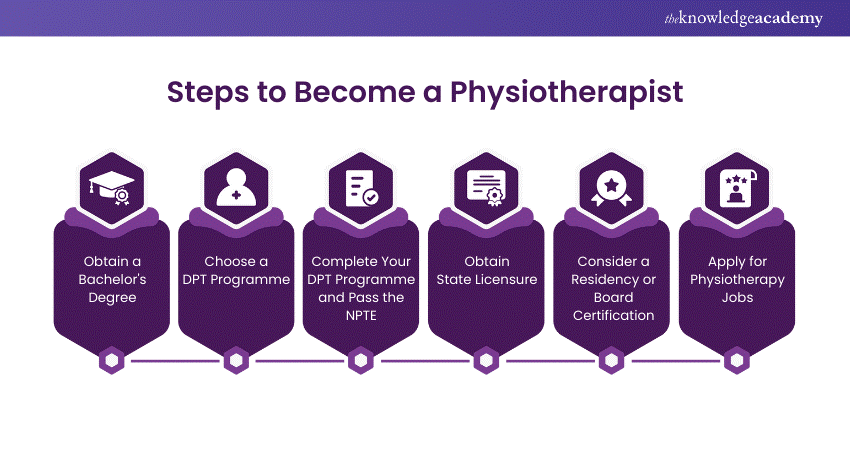
1) Obtain a Bachelor's Degree
Your journey to becoming a Physiotherapist starts with earning a bachelor’s degree. While some programmes accept students from various academic backgrounds, pursuing a degree in a related field like biology, kinesiology, or exercise science will provide a solid foundation. These subjects help you understand human anatomy, physiology, and biomechanics, which are crucial in Physiotherapy.
When selecting a bachelor’s programme, consider one that includes prerequisite courses required for Doctor of Physical Therapy (DPT) programmes. Common prerequisites include:
a) Anatomy and physiology
b) Biology
c) Chemistry
d) Physics
e) Psychology
Gaining volunteer experience in a Physiotherapy setting can also be beneficial at this stage. Many DPT programmes require observation hours, so shadowing a licensed Physiotherapist early on can give you valuable insight into the profession.
2) Choose a DPT Programme
Once you have your bachelor’s degree, the next step is enrolling in a Doctor of Physical Therapy (DPT) programme. DPT programmes typically take three years to complete and include coursework in:
a) Human anatomy and movement
b) Neuroscience
c) Pathology
d) Rehabilitation techniques
e) Patient care ethics
Choosing an accredited programme is essential, as you’ll need to graduate from an accredited institution to qualify for licensure. Check the accreditation of your preferred programmes before applying.
During your DPT studies, you’ll also engage in clinical rotations where you gain hands-on experience treating patients under the supervision of licensed professionals. These placements help develop your practical skills and prepare you for real-world scenarios.
3) Complete Your DPT Programme and Pass the NPTE
Graduating from your DPT programme is a significant milestone, but there’s one more crucial step before you can practice: passing the National Physical Therapy Examination (NPTE). This standardised exam assesses your knowledge of Physical Therapy principles and ensures you’re ready to enter the profession.
The NPTE covers areas such as:
a) Musculoskeletal, neurological, and cardiovascular systems
b) Patient assessment and diagnosis
c) Treatment planning and implementation
It’s a challenging exam, but thorough preparation, including practice tests and review courses, can increase your chances of success.
Do you want to recognise how to develop positive health habits in your daily lifestyle? Sign up for our Healthy Lifestyles Training now!
4) Obtain State Licensure
After passing the NPTE, you must obtain a license to practice in your state or country. Licensing requirements vary, but they typically include:
a) Graduating from an accredited DPT programme
b) Passing the NPTE
c) Completing additional jurisprudence exams (depending on the location)
Each state has its own licensing board, so it’s crucial to check the specific requirements in the area where you intend to practice.
5) Consider a Residency or Board Certification
While not mandatory, completing a residency programme can be beneficial for career advancement. Residencies provide additional training in specialised areas such as sports therapy, geriatrics, or orthopaedics, giving you an edge in the job market.
If you’re interested in further distinguishing yourself, obtaining board certification from the American Board of Physical Therapy Specialties (ABPTS) can enhance your credentials. Specialising in areas like neurological, cardiovascular, or paediatric Physiotherapy can open new career opportunities.
6) Apply for Physiotherapy Jobs
Once you’re licensed and ready to work, the next step is job hunting. Physiotherapists can find employment in various settings, including:
a) Hospitals and clinics
b) Rehabilitation centres
c) Sports facilities
d) Private practices
e) Home healthcare services
When applying for jobs, highlight your clinical experiences, certifications, and any specialised training. Social Networking with professionals in the field, attending job fairs, and joining professional organisations can also help you secure the right position. and help you build your networking career with similar people.
Develop mindfulness skills that enhance concentration and focus with our Meditation Course – Join today!
Essential Skills for a Successful Physiotherapist
Becoming a great Physiotherapist goes beyond earning degrees and certifications. To thrive in this field, you need essential skills, including:
1) Strong Communication Skills: You’ll need to explain complex medical concepts to patients in an easy-to-understand way. This can be done by effective communication.
2) Empathy and Patience: Many patients are dealing with pain and frustration, so a compassionate approach is essential.
3) Critical Thinking and Problem-Solving: Every patient is different, requiring customised treatment plans along with problem-solving abilities.
4) Physical Stamina: The job often involves lifting, bending, and standing for long periods.
5) Attention to Detail: A small mistake in treatment can affect a patient’s recovery.
Continuing education and staying updated with the latest Physiotherapy techniques and research can also help you stay ahead in your career.
What is the Fastest Way to Become a Physical Therapist?
The Fastest Way to Become a Physical Therapist:
1) Complete a relevant bachelor's degree quickly.
2) Register in an accelerated Doctor of Physical Therapy (DPT) programme.
3) Gain clinical experience during studies.
4) Pass the NPTE immediately after graduation.
5) Obtain licensure and start practicing.
How Many Years Does It Take to Become a Physiotherapist?
Physiotherapy typically takes about 4 years for a bachelor's degree and an additional 3 years for a Doctor of Physical Therapy (DPT) programme, totalling 7 years. However, some countries offer integrated programmes that may shorten the duration.
Is Physiotherapy a Doctor?
Physiotherapists are not medical doctors, but they are healthcare professionals with specialised training in physical Rehabilitation Those with a Doctor of Physical Therapy (DPT) degree can use the title 'Doctor' in a clinical setting, but they are not physicians and do not prescribe medication or perform surgeries.
Learn techniques to manage stress and perform various asanas with our Yoga Training – Register today!
Conclusion
Embarking on the journey of How to Become a Physical Therapist is both challenging and rewarding. It’s a path that requires dedication, perseverance, and a passion for helping others regain mobility and improve their quality of life. From earning the right qualifications to gaining hands-on experience, every step is an opportunity to refine your skills and make a meaningful impact. The road may be long, but the reward of transforming lives makes every step worthwhile.
Frequently Asked Questions
What are the Fees for Physiotherapy in India?

The cost of Physiotherapy education in India varies by institution. On average, a Bachelor of Physiotherapy (BPT) programme costs between ₹2-5 lakh for the entire course, while a Master’s or Doctoral programme can range from ₹3-10 lakh depending on the university.
What is the Average Time for Physiotherapy?
The duration of Physiotherapy treatment depends on the condition being treated. Minor injuries may require 4-6 weeks of therapy, while chronic conditions or post-surgical rehabilitation can take several months. Each treatment plan is customised based on the patient's needs.

Michael Jones


Health and Safety Consultant and Compliance Trainer
Michael Jones is a seasoned health and safety expert with more than 15 years of experience in workplace safety, risk management, and compliance training. He has worked across construction, manufacturing, and corporate sectors, helping organisations meet legal requirements and create safer working environments. Michael’s training and writing are known for being practical, clear, and aligned with UK regulations.
View Detail


 If you wish to make any changes to your course, please


