


 Top Rated Course

We may not have the course you’re looking for. If you enquire or give us a call on 01344203999 and speak to our training experts, we may still be able to help with your training requirements.
Social Anxiety Disorder: Causes, Symptoms, and Diagnosis
The Knowledge Academy 14 February 2026Social anxiety disorder is an intense, overwhelming, and long-term fear of social situations where one might be judged, embarrassed, or humiliated. It often leads to avoidance of interactions and distress in daily life. With proper therapy and coping strategies, individuals can manage symptoms and build confidence.

Training Outcomes Within Your Budget!
We ensure quality, budget-alignment, and timely delivery by our expert instructors.
Table of Contents
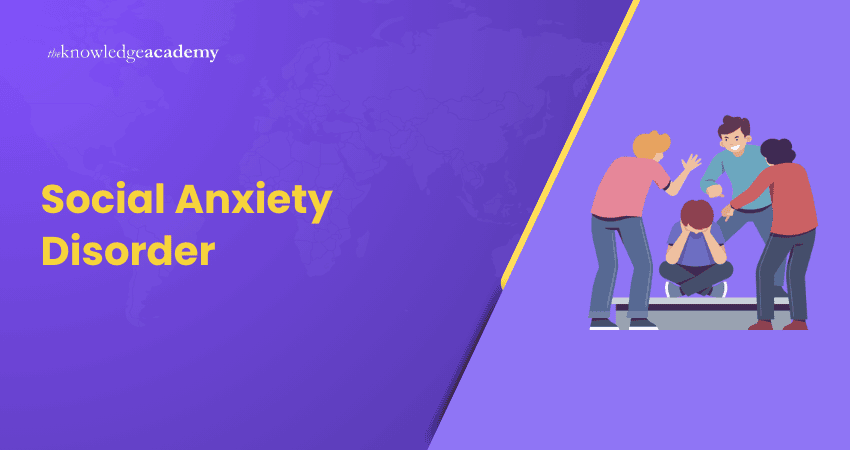
Social interactions might seem overwhelming for a lot of people, not only uncomfortable but very stress-providing as well. For some, this fear is more than shyness and negatively impacts their everyday life, occupation, and interpersonal relationships. At this point Social Anxiety Disorder comes into view, and the next parts are going to discuss it comprehensively.
Table of Contents
1) Understand What is Social Anxiety Disorder
2) Symptoms of Social Anxiety Disorder
3) What Causes Social Anxiety Disorder?
4) Diagnosis and Tests
5) Treatments for Social Anxiety Disorder
6) Prevention for Social Anxiety Disorder
7) Conclusion
Understand What is Social Anxiety Disorder
Social anxiety disorder, as its name implies, is characterized by an overpowering fear of normal social interactions, like being introduced to new people or addressing a crowd. This fear generally results in avoiding the situation altogether and may therefore disrupt one's career, schooling, and interpersonal connections.
Genetics, brain function, and previous social encounters might be among the reasons. Knowing the factors helps to reason out the occurrence of symptoms and the importance of early intervention.
Symptoms of Social Anxiety Disorder
Social anxiety disorder brings about a lot more than just typical shyness in social situations. It is associated with overpowering fear, anxiety or humiliation in simple encounters and interactions due to the anxiety of being judged or closely watched by others, and may consequently result in avoidance, which profoundly impacts one’s routine.
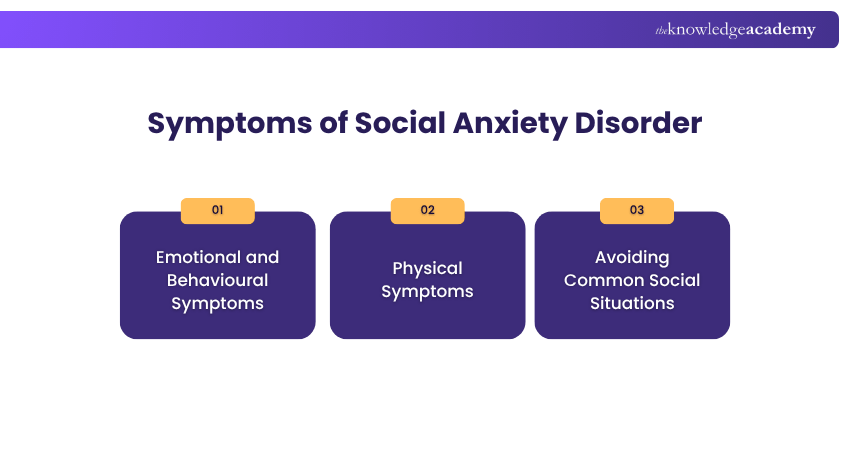
1) Emotional and Behavioural Symptoms
Signs and symptoms can include:
a) Fear of situations in which you may be judged negatively.
b) Worry about embarrassing or humiliating yourself.
c) Intense fear of interacting or talking with strangers.
d) Fear that others will notice your anxiety.
e) Fear of physical symptoms that could cause embarrassment, such as blushing or trembling.
f) Avoidance of speaking to people out of fear of embarrassment.
g) Avoidance of situations where you might be the centre of attention.
h) Anxiety in anticipation of feared social events.
i) Intense fear or anxiety during social situations.
j) After the event, analyse performance and identify flaws.
k) For children, this may show as crying, tantrums, clinging to caregivers or refusing to speak.
2) Physical Symptoms
Some people with social anxiety disorder also experience physical signs when faced with social situations:
a) Blushing.
b) Fast heartbeat.
c) Trembling.
d) Sweating.
e) Upset stomach or nausea.
f) Difficulty catching your breath.
g) Dizziness or feeling lightheaded.
h) Feeling like your mind has gone blank.
i) Muscle tension.
3) Avoiding Common Social Situations
Common everyday experiences may feel difficult or distressing for someone with social anxiety disorder, often leading to avoidance:
a) Interacting with unfamiliar people or strangers.
b) Attending parties or social gatherings.
c) Going to work or school.
d) Starting conversations.
e) Making eye contact.
f) Dating.
g) Entering a room where people are already seated.
h) Returning items to a store.
i) Eating in front of others.
Using a public restroom.Transform your understanding of Social Psychology- Register for our Social Psychology Training today!
What Causes Social Anxiety Disorder?
The exact cause behind Social Anxiety Disorder is still uncertain for scientists worldwide. However, it likely results from a combination of factors. Let’s explore these factors in-depth:
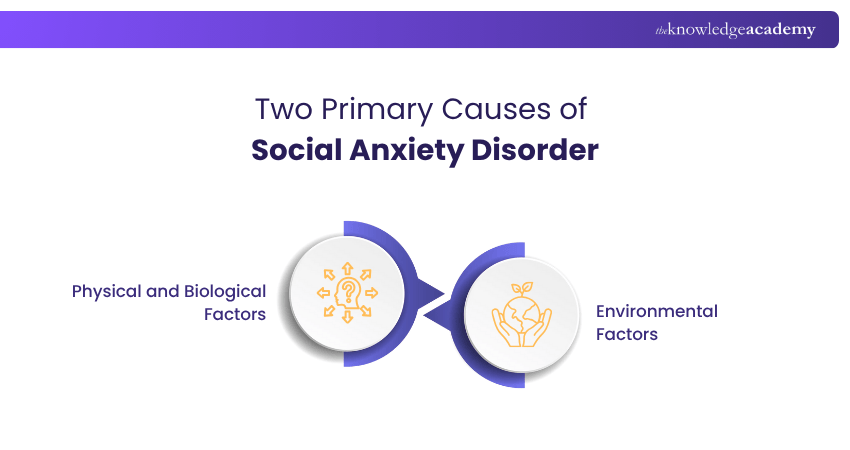
1) Physical and Biological Factors
a) Neurotransmitter Systems: Mental issues due to neurotransmitter systems can stem from the imbalancing of hormones like Serotonin, Dopamine, And Glutamate. These neurotransmitters are known to reduce mood regulation.
b) Genetic Predisposition: Anxiety Disorders, such as Social Anxiety, can be triggered by family medical histories as well. However, whether this is due to hereditary traits or common environmental impacts is still unclear for scientists worldwide.
2) Environmental Factors
a) Negative Experiences: Traumatic or humiliating social events can also result in Social Anxiety Disorder. These negative experiences may lead to symptoms similar to those of Post-traumatic Stress Disorder (PTSD).
b) Parenting Styles: Overprotective parenting styles or insecure attachments with their children can play a key role here.
c) Peer Interactions: Negative interactions with peers can contribute to Social Anxiety disorder.
Level up your Mental Health with our Mental Health and Wellbeing Training- join today!
Diagnosis and Tests
Diagnosis of the Social Anxiety Disorder takes into consideration the severity, duration and how the symptoms affect the day to day lives. Clinical assessment and diagnostic criteria are the means by which mental professionals decide whether an individual is more than a normal shyness or a nervous person.
How Is Social Anxiety Disorder Diagnosed?
A qualified professional, which could be a psychologist, psychiatrist or a therapist, diagnoses Social Anxiety Disorder. They depend on the Diagnostic and Statistical Manual of Mental Disorders (DSM-5), which describes certain criteria of recognizing the condition.
Based on the DSM-5, one can be diagnosed in case he or she:
a) Feels constant, severe anxiety or panic in social places because of the fear of being negatively judged.
b) Eschews social situations or experiences them with much distress.
c) Experiences out of proportion anxiety.
d) Feels upset and cannot maintain daily activities, relations or work.
e) Symptoms that have not been well explained by other medical or mental health conditions.
Medical professionals typically examine the medical history of an individual, his/her symptoms, and medications taken. Physical examination can as well be done to eliminate medical causes of anxiety. As a rule, symptoms should continue a minimum of six months to make a diagnosis.
Is There a Test to Diagnose Social Anxiety Disorder?
No specific test can diagnose Social Anxiety Disorder, though clinicians tend to employ structured questionnaires or psychological tests to assess symptoms and the consequences of the disorder on the day-to-day functioning of the individual.
These assessments assist mental health practitioners to comprehend the emotional triggers, avoidance behaviors and thinking styles. According to these findings, a health practitioner can be able to establish whether the symptoms are in line with Social Anxiety Disorder.
Treatments for Social Anxiety Disorder
Social anxiety disorder brings about a lot more than just typical shyness in social situations. It is associated with overpowering fear, anxiety or humiliation in simple encounters and interactions due to the anxiety of being judged or closely watched by others, and may consequently result in avoidance, which profoundly impacts one’s routine.
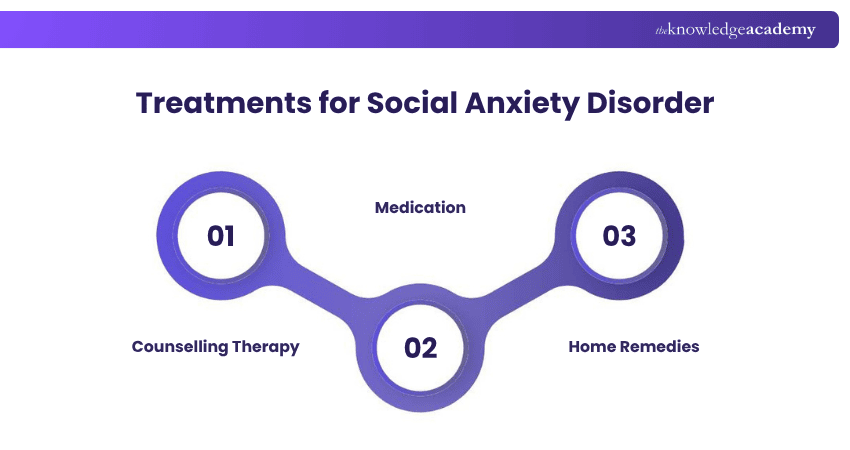
1) Counselling Therapy
Counselling for social anxiety disorder often involves cognitive behavioural therapy (CBT), a structured form of talk therapy that helps people change unhelpful thoughts and behaviours.
a) Teaches different ways of thinking, behaving, and reacting to reduce fear and avoidance.
b) Helps individuals recognise and challenge negative social beliefs.
c) Builds and practices social skills important for confidence in interactions.
d) Exposure therapy, a CBT method, gradually confronts feared social situations.
e) Can be delivered individually or in group settings to suit needs.
2) Social Anxiety Disorder Medication
Medications are a vital part of managing Social Anxiety Disorder. They helps to improve symptoms and functionality in your daily life.
a) Selective Serotonin Reuptake Inhibitors (SSRIs) include Paroxetine (Paxil) and Dertraline (Zoloft). It generally takes several weeks to become effective.
b) Selective Norepinephrine Reuptake Inhibitors (SNRIs) such as Venlafaxine (Effexor).
c) Propranolol, unlike SSRIs and SNRIs, is a fast-acting beta-blocker that can be used as needed.
3) Home Remedies for Social Anxiety Disorder
Supporting professional treatment with home remedies can enhance the results and boost your overall Mental Health. Some of the key methods to manage stress and Anxiety Stress Disorder at home include: managing stress and anxiety through simple techniques like mindfulness, relaxation, and proper sleep.
a) Breathing Exercises: Simple breathing techniques such as deep breathing can easily control the physical symptoms of Anxiety.
b) Mindfulness and Meditation: Regular mindfulness and meditation practices are known to promote a state of awareness and calmness significantly.
c) Physical Exercise: You can even perform activities like Yoga and Tai Chi to impede stress levels.
d) Diet and Lifestyle: Avoiding stimulants like Caffeine and maintaining a regular sleep schedule, alongside engaging in regular physical activities, can be excellent and sure ways to promote overall mental well-being.
e) Education: You must also stay educated about Anxiety and its impacts to handle their condition better.
f) Support Networks: Having someone trustworthy to talk to, whether a friend, family member, or therapist, can provide emotional support and guidance.
Boost your Counselling expertise with our Counselling Course- begin creating differences today!
Prevention for Social Anxiety Disorder
It is crucial to prevent social anxiety disorder in the early stages, as its symptoms are usually seen in teens and may continue in adults. Tackling anxiety at the onset helps to minimise the impact on the social and emotional well-being of life duration.
Non-pharmacological interventions and digital therapies have proved to be effective in stopping the progression of symptoms. All these methods work by developing the patient's coping skills and enhancing social confidence. At the same time, these less invasive methods are able to reduce the complications caused by stigma and avoidance.
Conclusion
We hope you understand this topic of Social Anxiety Disorder. It can be a predominant issue that needs to be properly handled and overcome. However, using the correct techniques and resources, you can prevent and minimise this disorder. Always keep in mind that you should seek help when required and take an important step in this journey.
Learn to manage stress effectively in our Handle Stress and Develop Your Resilience Course – Unplug your mind and recharge your life today!
Frequently Asked Questions
How does Social Anxiety affect everyday life?

Social Anxiety disrupts daily life by causing intense fear in social situations, leading to avoidance of interactions and opportunities. Furthermore, it affects personal relationships, job performance, and self-esteem, often resulting in isolation and reduced quality of life.
What happens if Social Anxiety is left untreated?
If left untreated, Social Anxiety can worsen over time, which can lead to severe isolation, depression, and low self-esteem. It may also impair academic or job performance and disrupt personal relationships. Further, it significantly reduces the overall quality of life and emotional well-being.
What are the Other Resources and Offers Provided by The Knowledge Academy?
The Knowledge Academy takes global learning to new heights, offering over 3,000+ online courses across 490+ locations in 190+ countries. This expansive reach ensures accessibility and convenience for learners worldwide.
Alongside our diverse Online Course Catalogue, encompassing 19 major categories, we go the extra mile by providing a plethora of free educational Online Resources like Blogs, eBooks, Interview Questions and Videos. Tailoring learning experiences further, professionals can unlock greater value through a wide range of special discounts, seasonal deals, and Exclusive Offers.
What is The Knowledge Pass, and How Does it Work?
The Knowledge Academy’s Knowledge Pass, a prepaid voucher, adds another layer of flexibility, allowing course bookings over a 12-month period. Join us on a journey where education knows no bounds.
What are the Related Courses and Blogs Provided by The Knowledge Academy?
The Knowledge Academy offers various Mental Health Courses, including Mental Capacity Training, Mental Capacity Training, and Mindfulness Training. These courses cater to different skill levels, providing comprehensive insights into Empathy.
Our Health & Safety Blogs cover a range of topics related to Social Anxiety Disorder, offering valuable resources, best practices, and industry insights. Whether you are a beginner or looking to advance your Health & Safety skills, The Knowledge Academy's diverse courses and informative blogs have got you covered.

The Knowledge Academy


Global Training Provider
The Knowledge Academy is a world-leading provider of professional training courses, offering globally recognised qualifications across a wide range of subjects. With expert trainers, up-to-date course material, and flexible learning options, we aim to empower professionals and organisations to achieve their goals through continuous learning.

Upcoming Health & Safety Resources Batches & Dates
Date
 Anxiety Course

 If you wish to make any changes to your course, please


