


 Top Rated Course

We may not have the course you’re looking for. If you enquire or give us a call on 01344203999 and speak to our training experts, we may still be able to help with your training requirements.
Requirement Elicitation Techniques: A Guide for Business Analysts
William Brown 16 July 2026When gathering project requirements, using various techniques ensures a comprehensive understanding. These methods help identify stakeholder needs and clarify project goals effectively. Most common Requirement Elicitation Techniques are Focus Group, Interviews, Interface Analysis, Prototyping, Document Analysis, and more.

Training Outcomes Within Your Budget!
We ensure quality, budget-alignment, and timely delivery by our expert instructors.
Table of Contents

Having trouble nailing down clear and accurate project requirements? The right Requirement Elicitation Techniques can be a game-changer. These techniques are crucial for identifying and capturing stakeholder needs, ensuring a clear understanding of project goals, and preventing miscommunication.
By leveraging effective Elicitation Techniques, you can gather detailed insights that lead to better project outcomes. Start using the top Requirement Elicitation Techniques today to streamline your project planning and set your project up for success.
Table of Contents
1) What is Requirements Elicitation?
2) Top Most Topmost Common Requirements Elicitation Techniques
a) Focus Group
b) Interviews
c) Interface Analysis
d) Prototyping
e) Document Analysis
f) Requirements Workshops
g) User Personas
h) Stakeholder Analysis
i) User Story Mapping
j) Observation
3) Conclusion
What is Requirements Elicitation?
Requirements Elicitation is about gathering information from stakeholders to understand project needs. Business Analysts talk to stakeholders to learn about these requirements. This process is called Elicitation or Requirement Gathering. It can be done through direct communication or research and experiments.
a) Planned Activities: These are structured, like workshops or experiments.
b) Unplanned Activities: These happen spontaneously, like informal talks with clients.
The following tasks are part of the Requirements Elicitation process:
c) Prepare for Elicitation: Understand the scope, choose techniques, and plan resources.
d) Conduct Elicitation: Gather information relevant to changes.
e) Confirm Elicitation Results: Check the accuracy of the collected information.

Top Most Common Requirements Elicitation Techniques
The Business Analysis team should consider customer profiles, organisational structure, and project type when choosing elicitation techniques. Below are the most popular methods for gathering information from stakeholders and Subject Matter Experts.
1) Focus Group
Focus groups are similar to brainstorming sessions, where Analysts gather participants to define requirements when customers can't provide detailed feedback. Analysts use this method when existing documentation lacks important details.
Business Analysts also conduct focus groups with subject matter experts to uncover overlooked industry-specific insights. In these sessions, experts may reveal information about regulated industries that the Analyst has not previously considered.
2) Interviews
Interviews allow Analysts to ask key questions needed to create System Requirements Documents (SRD). Whether through one-on-one, structured interviews or virtual group meetings, Analysts gather important notes to complete the documentation.
Analysts typically begin with an initial interview with the Product Owner before speaking to other stakeholders. Effective interview questions help Analysts ask follow-up questions and gather enough details for the product teams.
3) Interface Analysis
A Business Analyst performs an interface analysis to compare requirements from existing systems with the new software being developed. This process helps product teams create better customer experiences.
By examining past interfaces, Analysts can develop a clear blueprint for User Interface (UI) and User Experience (UX) design. It's a widely used method to define user expectations and provide detailed, cross-referenced feedback for development.
4) Prototyping
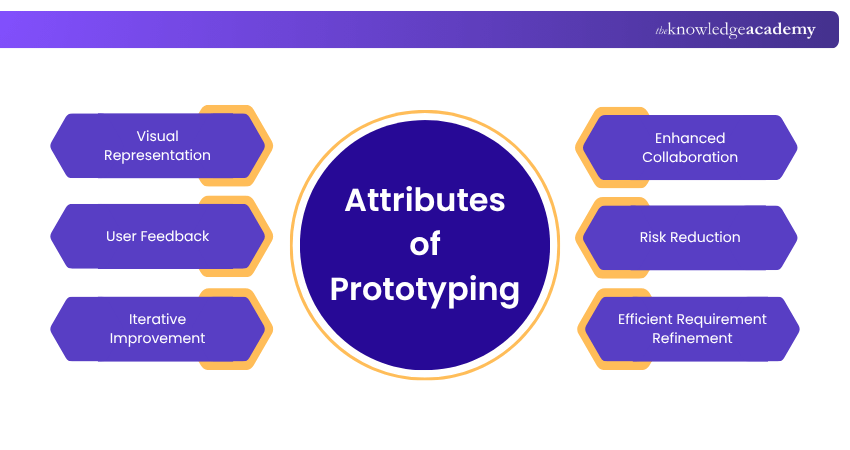
Prototyping enables efficient testing and collaboration with clients and customers. It allows Analysts to test software ideas and refine the requirements list based on responses. Prototyping is crucial in advancing software development.
Using prototypes and wireframes helps clients understand the project by providing visual examples. Prototypes offer a clear picture and can reveal overlooked user feedback during the Requirements Elicitation process.
5) Document Analysis
Document analysis of similar software can uncover specifications that may have been missed during other elicitation methods. Analysts review existing documentation to find relevant requirements for the new software being developed.
Studying existing software and documents helps identify missed features and tools during the software development process. This method ensures more complete and accurate requirements, working behind the scenes to avoid gaps.
Become an Agile expert with the BCS Foundation Certificate in Agile Training and empower your teams to achieve outstanding results!
6) Requirements Workshops
A requirements workshop allows Analysts to interview both users and stakeholders, promoting collaboration and clear communication. This approach helps gather more answers and engages all participants in the process.
The workshop enables Analysts to gather input from multiple participants, providing a clearer, more detailed picture of the project. It is a structured session designed to involve key stakeholders in the Requirements Elicitation process.
7) User Personas
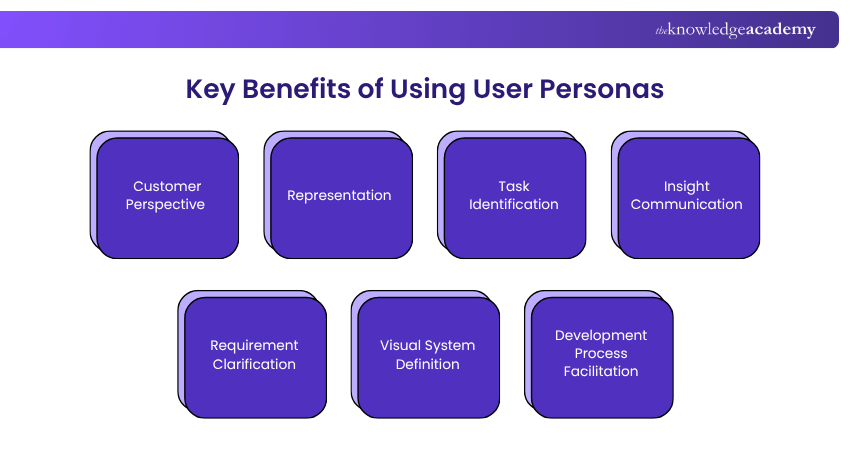
An Analyst can use user personas to represent the customer’s perspective, helping to visualise the requirements for a successful project. Creating user personas also helps identify tasks needed to deliver, communicate insights, and influence development.
By planning and presenting customer perspectives, Analysts can turn ideas into clear requirements. They can clarify the system with visual tools and guide teams, acting as facilitators in the development process.
8) Stakeholder Analysis
Information is often gathered from stakeholder groups, where Analysts build relationships with end users to collect accurate data. Stakeholders can range from small groups to larger audiences, with many being end users.
Good Analysts meet with key stakeholder groups to gather a complete set of requirements. While end users provide valuable input, involving too many participants at once can lead to confusion. It's best to focus on smaller groups during stakeholder analysis for clearer results.
9) User Story Mapping
User stories are a method Analysts use to visually present information during meetings. By mapping user stories, Analysts connect relationships and act as facilitators, showing how requirements will meet identified needs.
Verification and approvals come after stakeholders understand the product. Analysts first grasp the requirements before modelling them. Insights from user stories can guide future interviews and discussions.
10) Observation
Observation, or job shadowing, allows Analysts to see objectives and ideas first-hand. Analysts use this method to gather examples of business processes, regulations, and key clients by shadowing staff to identify new requirements and preferences.
Observation is especially useful at the start of a project. It helps Analysts prepare resources, structure tasks, and gather focused input. The main benefits include first-hand understanding and early identification of potential risks.
Explore our Business Analysis Courses and learn how to turn insights into action for successful business outcomes.
11) Brainstorming
Brainstorming Sessions are one of the common Business Analysis Techniques that gather information from users, Business Owners, and employees. These sessions can take place in either informal or formal settings.
Analysts use brainstorming to understand business processes, needs, and objectives before focusing on user requirements. They bring together participants to discuss ideas and define the project scope during the initial session.
12) Survey/Questionnaire
Surveys and Questionnaires help Analysts gather data about common challenges faced by end users, such as issues with similar products or prototypes. These tools are used to explore complex or frequent problems customers experience.
Software Development relies on feedback from all involved parties. Expert Analysts create Surveys and Questionnaires for online data collection during the elicitation process. Validation of the software often comes through user acceptance, which surveys help define.
13) Reverse Engineering
A Business Analysis expert uses reverse engineering to uncover hidden requirements in projects, providing more context to the customer. Analysts identify existing processes, document them, and search for overlooked specifications in current software.
With expertise in elicitation techniques, Analysts can find potential requirements and address error-prone stakeholder needs. Reverse engineering requires advanced skills and more time, but it can result in a product that meets the needs of a wider audience.
Get ahead in your career by mastering Reverse Engineering Interview Questions. Review them now!
Conclusion
Top Requirement Elicitation Techniques are vital for gathering clear and accurate project requirements. By using methods like interviews, focus groups, and document analysis, analysts can better understand stakeholder needs. These techniques, as part of the Requirement Elicitation, help ensure successful project outcomes and improve collaboration among all participants.
Empower yourself with the knowledge that drives business success with the BCS Foundation Certificate in Business Analysis Course – Sign up now!
Frequently Asked Questions
What are the Two Main Parts of Requirements Elicitation?

The two main parts of Requirements Elicitation are gathering information and confirming requirements. Gathering includes collecting data from stakeholders through various techniques. Confirming ensures that the gathered information is accurate, complete, and aligns with stakeholder needs.
What is the Difference Between Analysis and Elicitation?
Elicitation focuses on gathering requirements from stakeholders to understand their needs. It includes techniques like interviews and workshops. Analysis includes examining and interpreting the gathered information. It aims to identify patterns, prioritise requirements, and ensure they align with project goals.

William Brown


Senior Business Analyst and Strategic Advisor
William Brown is a senior business analyst with over 15 years of experience driving process improvement and strategic transformation in complex business environments. He specialises in analysing operations, gathering requirements and delivering insights that support effective decision making. William’s practical approach helps bridge the gap between business goals and technical solutions.
View Detail

 If you wish to make any changes to your course, please


