


 Top Rated Course

We may not have the course you’re looking for. If you enquire or give us a call on 01344203999 and speak to our training experts, we may still be able to help with your training requirements.
How to Be Happy: A Guide to Finding a Joyful Life
Michael Jones 04 February 2026To cultivate happiness, focus on a holistic lifestyle, including a healthy diet, regular exercise and practising mindfulness through meditation and gratitude. This blog delves into how intentional living and mental clarity can elevate experiences, boost emotional health, and help you build a truly content life aligned with your values.

Training Outcomes Within Your Budget!
We ensure quality, budget-alignment, and timely delivery by our expert instructors.
Table of Contents

Happiness is something we all strive for, yet it can often feel elusive in the middle of everyday stress, responsibilities, and challenges. If you are wondering How to Be Happy, the answer lies not in chasing perfection or wealth but in cultivating habits that nurture your body and mind. Small, intentional actions can open the door to greater joy, positivity, and resilience.
This blog offers practical insights into How to Be Happy by embracing holistic living. From building daily routines and practising mindfulness, to fostering strong relationships and developing self-love, you’ll discover simple yet effective strategies that strengthen emotional wellbeing. With patience and consistency, these habits can transform your outlook and help you live a life aligned with your values.
Table of Contents
1) Habits to Incorporate into Your Daily Routine
a) Manage Stress Effectively
b) Smile More Often
c) Embrace Your Choices
d) Find Joy in the Little Things
e) Stay Active with Regular Exercise
f) Practice Daily Gratitude
g) Build and Maintain Self-esteem
h) Choose Mood-Boosting Foods
i) Cultivate Mindfulness
j) Adopt a Healthy Lifestyle
2) How to Feel Mentally Better?
3) How to do Self-love?
4) Conclusion
Habits to Incorporate into Your Daily Routine
Building daily habits that nurture your mind, and body can significantly improve your happiness and wellbeing. If you are exploring How to Be Happy in life, here are simple, practical practices you can adopt to boost joy and create lasting positive change.
Manage Stress Effectively
Managing stress is essential for mental well-being and overall happiness. Incorporate relaxation techniques such as deep breathing, meditation, or journaling into your daily routine. Taking regular breaks, maintaining work-life balance, and focusing on positive thoughts can help reduce tension and promote long-term emotional stability.

Smile More Often
Smiling naturally triggers the release of feel-good hormones like dopamine and serotonin, instantly improving your mood. Even a simple, intentional smile can lower stress levels, promote positivity, and make you feel more confident. Smiling regularly also helps build stronger social connections and encourages a happier outlook on life.
Embrace Your Choices
Accepting your decisions helps you take ownership of your life. Every choice you make contributes to personal growth and self-awareness. Embracing your path with confidence allows you to move forward without regret, focus on learning from experiences, and build resilience to face future challenges with clarity.
Find Joy in the Little Things
True happiness often comes from appreciating small moments. Enjoy a cup of tea, admire nature, or listen to your favourite song. These little joys create mindfulness, helping you stay grounded and positive. Taking time to notice life’s simple pleasures can make each day more meaningful.
Stay Active with Regular Exercise
Regular exercise benefits both physical and mental health. Activities such as walking, yoga, or dancing release endorphins, boost mood, and relieve stress. Including at least twenty minutes of physical activity daily can increase energy levels, improve focus, and create a stronger connection between body and mind.
Practice Daily Gratitude
Gratitude shifts focus from what you lack to what you already have. By writing a short list of things you appreciate or reflecting each night, you train your mind to notice positives, which increases resilience, optimism, and overall happiness.
Build and Maintain Self-esteem
Healthy self-esteem grows when you value your strengths and accept imperfections. Recognise your achievements, practise self-compassion, and avoid comparing yourself to others. Surrounding yourself with encouraging people and maintaining a positive self-image helps you stay confident, motivated, and emotionally secure in all aspects of life.
Choose Mood-Boosting Foods
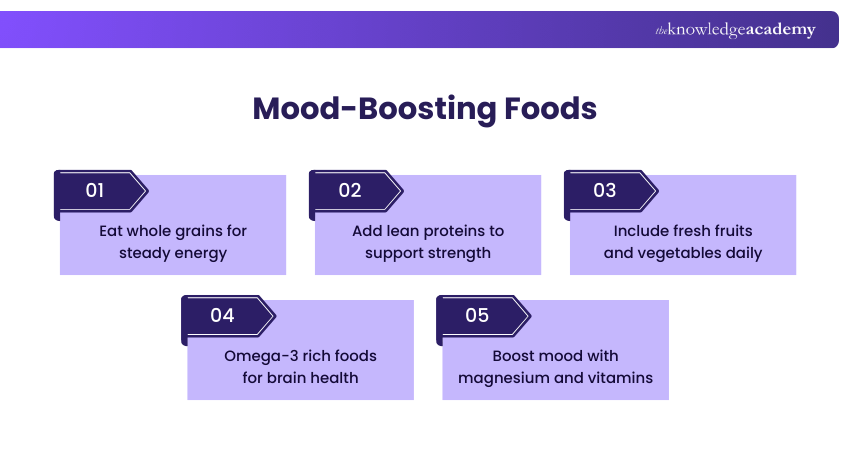
Your diet plays an important role in maintaining happiness and energy. Eat nutrient-rich foods like fruits, vegetables, whole grains, and healthy fats to support brain health. Avoid processed foods and excessive sugar. A balanced diet helps stabilise mood, reduce fatigue, and promote long-term emotional well-being.
Cultivate Mindfulness
Mindfulness helps you stay present and aware of your thoughts without judgment. Practising mindfulness through meditation, deep breathing, or mindful walking reduces stress and increases focus. It encourages emotional balance, helping you respond calmly to challenges and appreciate the present moment more deeply.
Adopt a Healthy Lifestyle
Healthy living is more than diet and exercise. It’s about balance, regular sleep, proper hydration, reduced screen time, and meaningful social interactions. These simple but powerful habits improve energy levels, boost immunity, and strengthen both physical and mental wellbeing consistently.
Share Compliments Generously
Kind words have the power to brighten someone’s day and elevate your own happiness. Offering genuine compliments builds stronger relationships and boosts positivity. It encourages gratitude, increases self-awareness, and helps spread joy, creating a ripple effect of kindness.
Foster Strong Friendships
Building genuine connections increases happiness and emotional resilience. Spend time with friends and family, engage in meaningful conversations, and offer support when needed. Positive relationships provide comfort during difficult times and make life more fulfilling by creating a sense of belonging and shared joy.
Prioritise Quality Sleep
Quality sleep rejuvenates both the mind and body. Aim for seven to eight hours of rest each night by maintaining a consistent sleep schedule. Avoid screens before bedtime and create a peaceful sleep environment to enhance energy, focus, and emotional stability throughout the day.
Accept Challenging Moments
Life’s challenges are opportunities for growth and self-discovery. Accepting tough situations with patience helps you build resilience and emotional strength. Instead of resisting difficulties, focus on lessons they bring, and use those experiences to improve your mindset, confidence, and ability to handle future obstacles.
Soak in Some Sunshine
Exposure to natural light increases vitamin D levels, which supports immune health and mood regulation. Spending time outdoors also enhances relaxation and reduces stress. Just 15 minutes of sunlight daily can refresh your mind, boost happiness, and energise you.
Gain an understanding of stress awareness and management with our Mental Health And Wellbeing Training – Join now!
Communicate Openly
Healthy communication nurtures strong relationships and reduces misunderstandings. Express your feelings honestly while listening attentively to others. Open dialogue builds trust, strengthens empathy, and creates deeper connections. When communication flows, you feel supported, understood, and more confident in your relationships.
Avoid Comparisons with Others
Comparing yourself with others undermines confidence and happiness. Everyone has a unique journey and pace. Instead of focusing on differences, celebrate your progress and individuality. Redirect energy towards personal growth and goals, which brings more freedom, positivity, and self-acceptance.
Maintain Cleanliness
A clean environment is one of the ways to be happy, as it can help calm your mind and reduce stress. Tidy surroundings improve focus, productivity, and provide a sense of order. Cleaning also acts as a mindful activity, helping you feel in control, energised, and mentally refreshed each day.
Celebrate Small Victories
Happiness comes not only from big achievements but also from small wins. Whether finishing a task, learning a new skill, or maintaining a positive habit, celebrate it. Acknowledging progress keeps you motivated, boosts confidence, and reminds you of growth.
How to Feel Mentally Better?
Improving your mental wellbeing is about taking small but consistent steps that make life feel more balanced and positive. If you are wondering How to Be Happy, evidence shows five keyways can help: strengthening relationships, staying active, learning new skills, giving to others, and practising mindfulness.
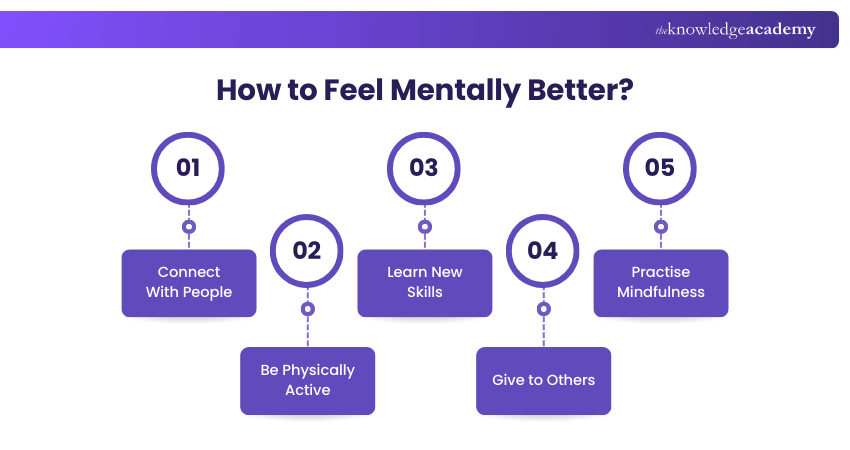
1) Connect With People: Share meals, catch up with friends, check in on loved ones, and use technology wisely to stay close.
2) Be Physically Active: Walk, cycle, dance, or try any activity you enjoy boosting mood and energy.
3) Learn New Skills: Cook a new dish, take up a hobby, or learn a language to build confidence and purpose.
4) Give to Others: Show kindness, offer help, or volunteer in your community to feel more connected and valued.
5) Practise Mindfulness: Focus on the present moment through breathing, meditation, or simply noticing your surroundings.
Learn the principles of well-being with Positive Psychology Course – Join today!
How to do Self-love?
1) Stop Comparing Yourself to Others
Comparing yourself to others steals joy and self-worth. Focus on your journey, growth, and achievements instead. Everyone’s path is unique, and celebrating your progress fosters freedom, confidence, and peace of mind, helping you appreciate your individuality and purpose in life.
2) Don’t Worry About Others’ Opinions
Constantly worrying about what others think can limit your happiness and growth. You cannot please everyone, so prioritise your peace and authenticity. Trust your values, make decisions that align with them, and focus on living a life that feels fulfilling to you.
3) Allow Yourself to Make Mistakes
Mistakes are a natural part of growth. Each one teaches valuable lessons that help you become stronger and wiser. Instead of fearing failure, embrace it with compassion, learn from it, and allow yourself to evolve into the best version of who you are.
4) Remember, Your Value Doesn’t Lie in How You Look
Your worth is not defined by appearance but by character and kindness. Appreciate your body for what it allows you to do, not how it looks. Wear what makes you confident and remember that beauty begins with self-acceptance and inner strength.
5) Don’t Be Afraid to Let Go of Toxic People
Surround yourself with people who support and uplift you. If someone consistently brings negativity or drains your energy, it is okay to walk away. Protecting your peace is an act of self-respect and an essential part of practising self-love daily.
6) Process Your Fears
Acknowledge your fears rather than suppress them. Understanding what triggers anxiety helps you address its root cause. Reflect, journal, or talk to someone you trust. Processing your fears gives you clarity, emotional control, and the confidence to move forward with strength.
7) Trust Yourself to Make Good Decisions
Believe in your intuition and ability to make choices that serve your well-being. You know yourself better than anyone else, so listen to your inner voice. Self-trust builds confidence, reduces self-doubt, and empowers you to live more authentically and peacefully.
8) Take Every Opportunity or Create Your Own
Opportunities rarely arrive in perfect timing. Be proactive, take chances, and create your own path instead of waiting for approval or ideal conditions. Embracing courage in uncertainty often leads to incredible personal growth and unexpected happiness in life.
9) Put Yourself First
Caring for yourself is not selfish, it is necessary. Prioritise rest, relaxation, and activities that recharge you. Learn to say no without guilt and honour your boundaries. Putting yourself first strengthens your mental health and helps you show up better for others.
10) Feel Pain and Joy Fully
Allow yourself to experience emotions deeply, without holding back. Both pain and joy teach valuable lessons about life and resilience. Feeling everything fully helps you connect with your true self and develop a balanced, compassionate approach to life’s changes.
11) Exercise Boldness in Public
Speak your truth confidently and express your opinions with respect. Being bold helps you overcome fear and build self-assurance. Taking initiative and standing up for yourself shows courage and reinforces the belief that your voice truly matters.
12) See Beauty in the Simple Things
Happiness often lives in small moments. Notice daily blessings like sunlight, laughter, or quiet time with loved ones. Appreciating these simple joys builds gratitude, improves mindfulness, and reminds you that peace is often found in life’s smallest details.
13) Be Kind to Yourself
Speak to yourself with compassion and patience. Replace self-criticism with gentle encouragement. Acknowledge your progress and forgive your flaws. Being kind to yourself strengthens self-worth, boosts happiness, and creates a nurturing inner space where growth and confidence can flourish.
Conclusion
As we wrap up, remember that life’s little heartbreaks and big frustrations are just part of the journey. Finding happiness doesn’t require grand gestures or perfect circumstances. It’s about embracing the small moments, building positive habits, and finding humour in everyday life. Whether you're navigating a tough day or wondering how to get better at drawing, the key is consistency, patience, and finding joy in progress. So, next time you’re feeling down, take a deep breath, find something to laugh about, and remember that joy is often just a smile away. And there you have it, How to Be Happy in a nutshell.
Unlock the science of happiness—Register in our Positive Psychology Course today!
Frequently Asked Questions
How can I Cultivate Happiness Without Relying on Financial Success?

Happiness isn’t tied to wealth. Practise gratitude, find humour in life’s quirks, and focus on small joys daily. True happiness thrives in your mindset, not your bank balance.
Is Happiness Achievable Despite Life's Imperfections?
Absolutely! Happiness doesn’t require a flawless life. Embrace imperfections, nurture positivity, and enjoy life’s simple pleasures. True joy often flourishes amid life’s beautifully messy moments.
What are the Other Resources and Offers Provided by The Knowledge Academy?
The Knowledge Academy takes global learning to new heights, offering over 3,000 online courses across 490+ locations in 190+ countries. This expansive reach ensures accessibility and convenience for learners worldwide.
Alongside our diverse Online Course Catalogue, encompassing 19 major categories, we go the extra mile by providing a plethora of free educational Online Resources like Blogs, eBooks, Interview Questions and Videos. Tailoring learning experiences further, professionals can unlock greater value through a wide range of special discounts, seasonal deals, and Exclusive Offers.
What is The Knowledge Pass, and How Does it Work?
The Knowledge Academy’s Knowledge Pass, a prepaid voucher, adds another layer of flexibility, allowing course bookings over a 12-month period. Join us on a journey where education knows no bounds.
What are the Related Courses and Blogs Provided by The Knowledge Academy?
The Knowledge Academy offers various Mental Health Courses, including Mindfulness Training, Mental Health and Wellbeing Training and Mental Capacity Training. These courses cater to different skill levels and provide comprehensive insights into the Psychology Interview Questions.
Our Health & Safety blogs cover a range of topics related to Mental Health, offering valuable resources, best practices, and industry insights. Whether you are a beginner or looking to advance your Mindfulness Skills, The Knowledge Academy's diverse courses and informative blogs have got you covered.

Michael Jones


Health and Safety Consultant and Compliance Trainer
Michael Jones is a seasoned health and safety expert with more than 15 years of experience in workplace safety, risk management, and compliance training. He has worked across construction, manufacturing, and corporate sectors, helping organisations meet legal requirements and create safer working environments. Michael’s training and writing are known for being practical, clear, and aligned with UK regulations.

Upcoming Health & Safety Resources Batches & Dates
Date
 Mindfulness Training
Mindfulness Training
Fri 20th Mar 2026
Mindfulness Training
Fri 5th Jun 2026
Mindfulness Training
Fri 30th Oct 2026

 If you wish to make any changes to your course, please


