


 Top Rated Course

We may not have the course you’re looking for. If you enquire or give us a call on 01344203999 and speak to our training experts, we may still be able to help with your training requirements.
Difference Between Strategy and Tactics in Negotiation
Charlotte Wilson 05 March 2026Understanding the Difference Between Strategy and Tactics in Negotiation is vital for successful deal-making. In this insightful blog, we cover the nuances of negotiation, demystifying the fine line between strategic planning and tactical execution. Explore how these distinct elements shape negotiations and learn how to leverage them effectively for better outcomes.

Training Outcomes Within Your Budget!
We ensure quality, budget-alignment, and timely delivery by our expert instructors.
Table of Contents

Understanding the fundamental Difference Between Strategy and Tactics in Negotiation is crucial to enhance your Negotiation skills. In the intricate dance of deal-making, it's easy to blur the lines between these two essential elements. However, mastering this distinction can make all the difference in achieving your desired outcomes at the negotiating table.
So, whether you are in business, politics, or engaging in everyday interactions, it’s time to understand the distinctions between the two concepts. In this blog, you will learn about the two concepts and the Difference Between Strategy and Tactics in Negotiation. You will also learn how to implement them together.
Table of Contents
1) What is Strategy?
2) What are Tactics in Negotiation?
3) Key differences between Strategy and Tactics
4) How to implement Strategy and Tactics together?
5) Conclusion
What is Strategy?
A Strategy encompasses the broader, long-term approach to achieving desired goals. It involves analysing the overall situation, setting objectives, and determining the best course of action.
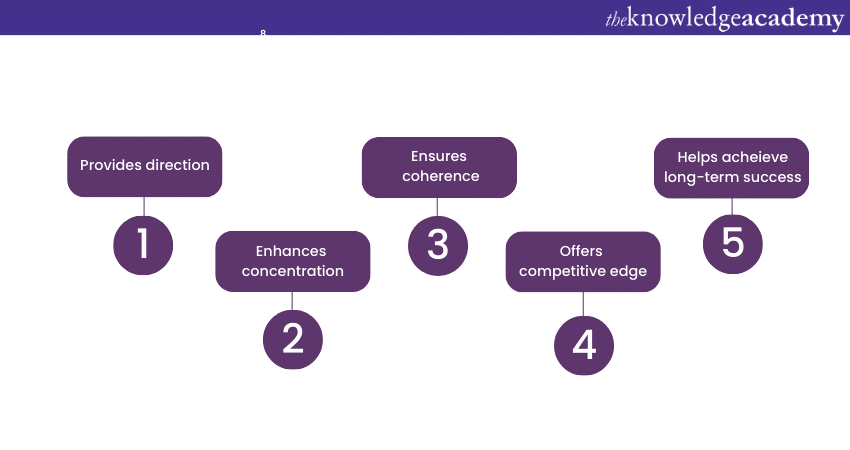
A well-defined Strategy provides a roadmap for Negotiation and guides decision-making throughout the process.
What are Tactics in Negotiation?
Tactics focus on the specific actions and manoeuvres employed to accomplish strategic objectives. They are the practical steps taken during the Negotiation process to gain advantages, influence the other party, and secure favourable terms. Tactics are often adaptable and responsive, depending on the evolving dynamics of the Negotiation.
Supercharge your communication skills and unlock your full potential in Negotiations with our Effective Communication Skills Traning – Sign up now!
Key differences between Strategy and Tactics
Understanding the key differences in Negotiation Strategy and Tactics is essential for achieving positive outcomes. Here are the key differences between Strategy and Tactics:
Scope
A Strategy encompasses a broader, long-term approach that takes into account the overall direction, planning, and objectives of the Negotiation. It considers the bigger picture and sets the stage for decision-making.
Tactics, on the other hand, are more specific and immediate in nature. They deal with the actions and manoeuvres required to implement the chosen Strategy and achieve short-term goals.
Timeframe
Strategy is developed with a long-term perspective in mind. It focuses on future goals, anticipated outcomes, and the overall vision of the Negotiation. It considers factors such as market trends, competitor analysis, and long-term success.
Tactics, however, have a shorter timeframe. They are adaptable to the changing circumstances and immediate needs of the Negotiation process. This allows more flexibility and responsiveness.
Flexibility
Strategy tends to be less flexible and more stable throughout the Negotiation process. It provides a framework and guidelines for decision-making. Thus, this approach helps negotiators stay focused on the overall objectives.
Tactics, on the other hand, are highly adaptable and responsive. They can be adjusted, modified, or even abandoned based on the evolving dynamics, unexpected challenges, or opportunities that arise during Negotiations.
Focus
A Strategy primarily focuses on the "what" and the "why" of the Negotiation. It sets the direction, objectives, and desired outcomes. As a result, it provides a clear vision for the Negotiation process.
Tactics, however, shift the focus to the "how" of the Negotiation. They determine the specific actions, techniques, and approaches to be employed in order to achieve the strategic goals set by the Strategy.
Keen to establish a career in sales, refer to our blog on Negotiation Skills Interview Questions
Level of detail
Strategy tends to be more high-level and abstract, providing an overall framework for decision-making. It doesn't delve into the specifics of every action but rather sets the context and guidelines for negotiators.
Tactics, on the other hand, are more detailed and specific. They outline the step-by-step actions, manoeuvres, and techniques that negotiators employ to execute the Strategy effectively.
Relationship to goals
Strategy is closely aligned with the goals and objectives of the Negotiation. It defines the overarching plan and approaches to achieve those goals, considering the interests and desired outcomes.
Tactics serve as the means by which the Strategy is executed and the goals are pursued. They are the practical actions and techniques employed to implement the chosen Strategy and secure favourable outcomes.
Level up your Negotiation prowess and become a master influencer with our Negotiation Skills Training – Sign up now!
Level of abstraction
A Strategy involves higher-level decision-making and is often conceptual and abstract. It focuses on the overall approach, target outcomes, and resource allocation. Tactics, on the other hand, are more concrete and operational. They involve specific actions, steps, and techniques that are directly implemented during the Negotiation process.
Longevity
Strategy has a longer lifespan compared to Tactics. It is developed for the long term and remains relatively stable throughout the Negotiation process. It provides a consistent framework and direction for decision-making.
Tactics, however, may change frequently and adapt to the evolving circumstances and dynamics of the Negotiation. They are often adjusted and fine-tuned as the Negotiation progresses.
Hierarchy
Strategy is typically developed at a higher level within an organisation or Negotiation team. It sets the overall direction, objectives, and guidelines for decision-making.
Tactics, on the other hand, are often determined at a lower level, involving individuals or teams responsible for implementing the specific actions, manoeuvres, and techniques to achieve the strategic goals set by the Strategy.
By understanding these key differences, negotiators can effectively develop Strategies and Employ Tactics to:
1) Align with their goals
2) Adapt to changing circumstances
3) Navigate Negotiations with clarity and purpose
Forge stronger connections and achieve favourable outcomes in any situation with our Communication And Interpersonal Skills Training – Sign up now!
How to implement Strategy and Tactics together?
When it comes to successful Negotiations, the effective implementation of Strategy and Tactics in unison is paramount. While Strategy provides the overarching plan and direction, Tactics serve as the practical steps and manoeuvre to achieve the desired outcomes.
Therefore, by aligning Strategy and Tactics, negotiators can navigate the Negotiation process with confidence and increase the likelihood of achieving favourable results. Here's how you can do that:

Alignment
A key aspect of implementing Strategy and Tactics together is ensuring alignment. This means that the chosen Tactics should be in harmony with the overall strategy and intended outcomes. By aligning Tactics with the strategic direction, negotiators create consistency and coherence throughout the Negotiation process. This alignment allows for a clear and unified approach, reinforcing the strategic goals and maximising the effectiveness of the Tactics employed.
Flexibility
While Strategy provides a long-term plan, negotiators must recognise the need for flexibility in both Strategy and Tactics. The Negotiation process is dynamic, and circumstances may change unexpectedly.
Being adaptable and responsive is crucial in adjusting both Strategy and Tactics to suit the evolving dynamics of Negotiation. Flexibility allows negotiators with the following capabilities:
1) Seize opportunities
2) Overcome challenges
3) Respond effectively to the other party's moves
It ensures that the chosen Tactics remain relevant and aligned with the Strategy throughout the Negotiation journey.
Communication
Clear and open communication is vital in implementing Strategy and Tactics together. Effective communication helps build understanding, trust, and collaboration between negotiators. They can enhance the alignment and coordination of efforts by:
1) Communicating the Strategy to all relevant parties
2) Ensuring that the chosen Tactics are well understood
Communication facilitates a shared understanding of the strategic objectives. It ensures that the Tactics employed by each party are complementary rather than conflicting.
Continuous evaluation and adjustment
Implementing Strategy and Tactics together requires a continuous evaluation of their effectiveness. Negotiators should assess whether the Tactics employed are achieving the desired outcomes and if they are aligned with the overall Strategy.
Regular evaluation allows for adjustments and fine-tuning of Tactics to optimise their impact. This ongoing process of evaluation and adjustment ensures that Strategy and Tactics remain aligned and effective throughout the Negotiation process.
By implementing Strategy and Tactics together, negotiators can navigate Negotiations with clarity, purpose, and adaptability. This integration provides a cohesive and consistent approach, while flexibility allows for responsiveness to changing circumstances.
Effective communication and continuous evaluation further enhance the implementation of Strategy and Tactics, enabling negotiators to achieve their goals and secure mutually beneficial outcomes.
Conclusion
We hope that you have read and understood the Difference Between Strategy and Tactics in Negotiation. Mastering the art of Negotiation requires a clear understanding of Strategy and Tactics. By effectively implementing both, you can pave the way for successful Negotiations, achieve their goals, and establish mutually beneficial connections.
Unlock the secrets of effective communication and propel your success to new heights with our comprehensive Communication Skills Training – Sign up now!
Frequently Asked Questions

Charlotte Wilson


Soft Skills and Business Training Manager
Charlotte Wilson is an expert in soft skills development, with over 14 years of experience helping individuals and teams improve communication, productivity and emotional intelligence in the workplace. Her training content is focused on enhancing interpersonal effectiveness and fostering positive, collaborative environments across all levels of an organisation.
View Detail
Upcoming Business Skills Resources Batches & Dates
Date
 Public Speaking Course
Public Speaking Course
Fri 27th Mar 2026
Public Speaking Course
Fri 29th May 2026
Public Speaking Course
Fri 31st Jul 2026
Public Speaking Course
Fri 2nd Oct 2026
Public Speaking Course
Fri 27th Nov 2026

 If you wish to make any changes to your course, please


