




We may not have the course you’re looking for. If you enquire or give us a call on 01344203999 and speak to our training experts, we may still be able to help with your training requirements.
9 Effective Types of Email Marketing for Better Engagement
ByJames SmithLast updated on: 15 July 2026
Types of Email Marketing include outbound (acquiring leads) and inbound (nurturing customers) with newsletters, promos, transactional and re-engagement emails. Outbound emails focus on reach and visibility, while inbound emails build trust and long-term relationships. Together, they support awareness, engagement, and conversions.
When focusing on marketing, Email Marketing stands as a steady strategy for businesses to engage with their audience. From promotional emails to transactional emails, it consists of many different types. Understanding these different Types of Email Marketing can help you elevate your marketing endeavours.
According to Statista, Email Marketing still remains a popular marketing channel used by more than 80 percent of industry experts. So, incorporating this in your marketing campaigns can help you achieve better results. If you are interested in understanding various Email Marketing types, then this blog is for you. In this blog, you will learn about the different Types of Email Marketing in great detail. Let’s dive in deeper to learn more about it!
Table of Contents
1) Different Types of Email Marketing
2) Types of Manual Email Campaigns
3) Types of Automated Email Campaigns
4) Important Considerations for Email Automations
5) What are the 4 Ps of Email Marketing?
6) What is the Most Popular Email Marketing?
7) Conclusion
Different Types of Email Marketing
Email Marketing is an all-rounder and strong tool. It enables businesses to connect with their target audience. It also helps in building nurturing relationships and achieving the required marketing goals. Within the canal of Email Marketing there are different types of strategies that businesses can employ to effectively engage their subscribers.
Let’s explore what are the Types of Email Marketing and how each strategy can contribute to a successful email campaign, enhancing your Email Marketing Skills along the way.

Types of Manual Email Campaigns
Manual email campaigns are a key part of the Types of Email Marketing and are created and sent by marketers at a chosen time, rather than being triggered by user actions. They are ideal for announcements, promotions, and time-sensitive messages. Common types include:
1) Promotional Emails
Promotional Emails are curated to get the attention of the recipients by encouraging immediate action. They focus on presenting the brand’s products, services and offers to drive sales conversions. Let us explore some of the major types of the Promotional emails:
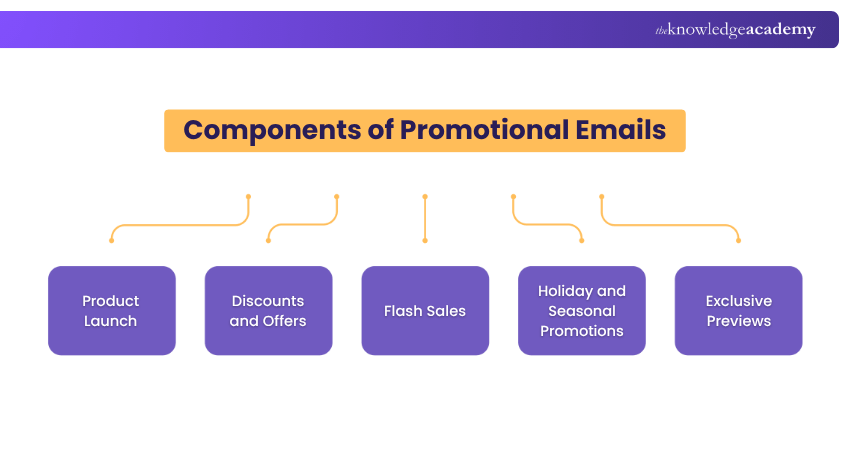
1) Product Launch: It presents a new product or service to your audience by mentioning its features, benefits and value.
2) Discounts and Offers: It notifies subscribers about special discounts like buy-one-get-one deals, or percentage-off promotions.
3) Flash Sales: It generates excitement by announcing short-duration sales, often lasting only a few hours or a day.
4) Holiday and Seasonal Promotions: It creates revenue on holidays or seasonal events with thematic promotions and offers.
5) Exclusive Previews: It provides subscribers with early access to upcoming sales or product releases as a reward for loyalty.
Email Marketing can create huge exposure when the promotional emails are well-curated. It encourages engagement and contributes to achieving your business goals. It focuses on delivering value and addressing the recipient’s needs. It majorly builds great leads on customer base to drive revenue.
2) Newsletter Emails
Newsletter emails are an effective way to consistently share valuable content that informs, educates, and engages your subscribers. They help maintain regular communication with your audience while strengthening brand recall and trust. Managing recipients correctly, including understanding the difference between CC and BCC, is essential to protect privacy and ensure professional communication.
A well-crafted newsletter includes curated content such as relevant articles, blog posts, videos, and industry updates that match subscriber interests. It also delivers educational resources like tutorials, and practical tips, supported by engaging visuals that improve readability. Over time, newsletter emails position your brand as a reliable authority and keep subscribers actively engaged.
3) Co-marketing Emails
Co-marketing emails are created when two brands collaborate to promote a shared campaign. These emails help both parties expand their reach, build credibility, and attract new leads by combining audiences and offering value through a joint message.
4) New Product Launch Emails
New product launch emails introduce your latest product or service to your audience. They explain what’s new, highlight key benefits, and encourage people to explore or buy. This helps create buzz and drive early interest from both existing and potential customers.
5) Video Emails
Video emails use short videos to deliver your message in a more engaging and visual way. They help you explain complex topics quickly, keep your audience interested, and increase clicks by making content easier to grasp and more entertaining to watch.
Harness the power of emails with our Email Marketing Training. Sign up today!
Types of Automated Email Campaigns
Automated email campaigns are an important part of the Types of Email Marketing, designed to send the right message at the right time based on user actions or behaviour. Below are the most common types, explained briefly, with smooth transitions to guide you through each section.
1) Transactional Emails
Transactional Emails are important in providing essential information and confirming specific actions. These emails are functioned by a user's interactions on your website. Here are the different types of Transactional Emails:
1) Order Confirmations: These mails are sent immediately after purchase. Plus, it provides customers with a summary of their order, payment details, and estimated delivery times.
2) Shipping Notifications: These mails are sent toinform customers about the status of the shipment which includes tracking information and delivery updates.
3) Account Creation: When customers create accounts on your platform it sends them a welcome email with login information and a brief introduction to your services.
4) Password Resets: It gets triggered when users request password resets. These emails provide instructions for resetting passwords and regaining account access.
5) Subscription Confirmations: These emails confirm users' successful subscriptions and often include a welcome message using newsletters or subscription services.
Transaction Emails are more than a confirmation as they provide opportunities which provide additional value, guide customers and strengthen the overall customer experience. Companies can improve customer satisfaction by building lasting relationships and focusing on accuracy, relevance and clear communication.
2) Welcome Emails
Welcome Emails are an amazing way to introduce your brand to new subscribers. It initiates a positive foundation for your ongoing relationship. A thoughtful and engaging Welcome Emails can effectively establish meaningful connections and promote customer loyalty. Let us discern some of the best examples of Welcome Emails:
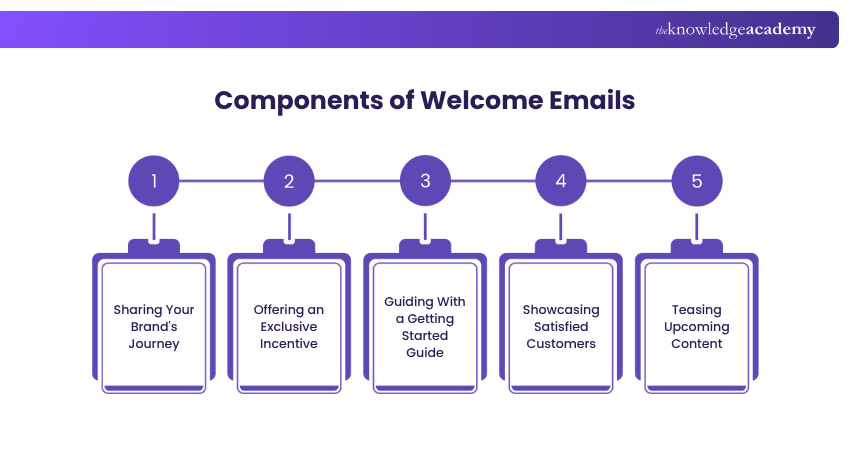
1) Sharing Your Brand's Journey: It introduces your recipients to your brand's narrative, values and unwavering commitment to delivering top-notch products or content.
2) Offering an Exclusive Incentive: You can extend a gesture of appreciation by providing new subscribers with an exclusive discount or special offer as a token of gratitude for joining your community.
3) Guiding with a Getting Started Guide: It offers valuable tips, guidance, and insights to help new subscribers make the most out of their subscription or initial purchase.
4) Showcasing Satisfied Customers: It highlights positive customer reviews or testimonials to create credibility and build trust with your new subscribers.
5) Teasing Upcoming Content: Offer a sneak peek into the type of content that subscribers can expect to receive in future emails, generating anticipation and excitement.
Welcome emails set the tone for positive experiences and long-term engagement. Begin with a warm, clear, and valuable message to build strong connections. This approach helps nurture brand loyalty and creates a solid ground for successful Email Marketing campaigns.
Become familiar with the growth strategies of product-market expansion with our Strategic Marketing Course – Join now!
3) Abandoned Cart Emails
Abandoned cart emails are sent to customers who showed interest in your products but didn’t complete their purchase. These emails remind them about the items left in their cart and encourage them to complete the checkout process. Typically, abandoned cart emails contain several key elements:
1) Product Reminders: It displays the abandoned items with images, descriptions, and prices.
2) Incentives: It offers discounts, free shipping, or bonuses to entice users back to complete the purchase.
3) Clear Call to Action (CTA): It provides a prominent link to the cart for easy checkout.
Abandoned Cart Emails recover potentially lost sales and remind clients of items they were interested in.
4) Re-engagement Emails
Re-engagement emails target inactive subscribers to spark their interest and encourage them to interact again. These emails help you clean up your email list and boost overall engagement. Here are the key elements that make re-engagement emails effective:
1) Engaging subject lines: It crafts compelling subject lines that grab recipients' attention and entice them to open the email.
2) Personalisation: It guides recipients by their names and references their past interactions with your brand.
3) A Reminder of Value: It reminds recipients of the value your brand offers and how their engagement can benefit them.
4) Special Offers and Incentives: It providesexclusive offers, discounts, or rewards to incentivise re-engagement.
5) Call-to-action (CTA): It includes a clear and enticing CTA that prompts recipients to take a specific action, such as clicking a link or visiting your website.
6) Opt-out Option: It offers recipients the option to update their email preferences or unsubscribe if they no longer wish to receive emails.
Re-engagement emails offer a valuable opportunity to reconnect with subscribers who may have lost interest. They remind recipients of the benefits your brand provides and encourage them to take action. These emails can include special offers, updates, or personalised content to reignite interest. By targeting inactive users, re-engagement emails help improve your email list quality and increase overall engagement rates.
5) Segmented Email Campaigns
Segmented email campaigns divide your email list into specific groups based on set criteria. This lets you send more personalised and relevant messages to each group. By targeting different segments, you can improve engagement and response rates. Here are some important strategies for running effective segmented email campaigns:
1) Benefits of Segmentation: Discuss the advantages of sending targeted content that resonates with different subscriber segments.
2) Types of Segments: Explore various segmentation criteria, such as demographics, location, purchase history, and engagement level.
3) Case Studies: Share examples of businesses that have successfully implemented segmented email campaigns and achieved higher engagement rates.
Segmented Email Campaigns can significantly improve the effectiveness of your emails by delivering content that speaks directly to your recipient's interests and preferences. It also helps build stronger relationships by showing subscribers you understand their needs. Additionally, segmentation reduces unsubscribe rates and boosts overall customer satisfaction, leading to better outputs for your marketing efforts.
6) Lead Nurturing Emails
Lead Nurturing Emails focus on guiding potential customers through various stages of their customer journey. You can build trust, establish authority and eventually convert leads into paying customers by offering valuable content at each stage. Let us understand the different types of Lead Nurturing Emails.
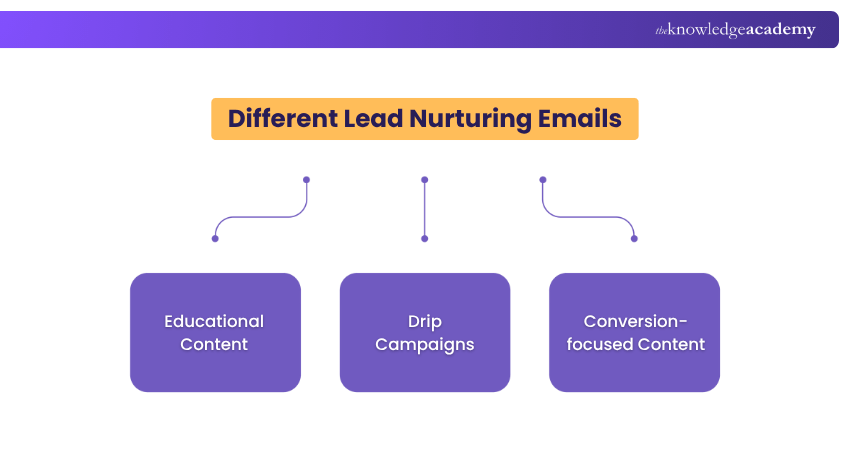
1) Educational Content: Highlight the importance of offering informative content that conveys the pain points and questions of potential customers.
2) Drip Campaigns: Explain the concept of drip campaigns, where a series of emails are sent over time to gradually nurture leads.
3) Conversion-focused Content: Discuss how to create compelling calls to action and offers that encourage leads to take the next step.
Lead nurturing emails help you maintain engagement with your audience and increase the probability of converting leads into loyal customers. They keep your brand top-of-mind and build trust over time. You can educate leads about your product, address their pain points, and manage them through the buying journey. These emails also help segment your audience based on behaviour and interests, so your messages stay relevant. Consistent nurturing reduces drop-offs and shortens the sales cycle.
7) Feedback and Review Emails
Feedback and Review Emails provide an avenue for clients to share their experiences, opinions, and feedback about their interactions with your brand. Positive reviews and endorsements can enhance your credibility and influence potential customers. Let’s explore some Email Marketing Tips on how you can achieve that:
1) Request for Feedback: It explains how to politely ask customers for their feedback and reviews after purchase or interaction.
2) Showcasing Reviews: It describes the benefits of featuring positive feedback and testimonials in your emails and on your website.
3) Responding to Feedback: It provides tips on how to engage with customer feedback, both positive and negative. It demonstrates your brand's commitment to improvement.
Feedback and review emails not only help you gather valuable insights but also showcase the satisfaction of your existing customers to potential ones. These emails also encourage customer engagement and show that you value their opinions. Positive reviews can be repurposed in marketing materials, while negative ones offer opportunities to resolve issues and strengthen relationships.
8) Survey Emails
Survey Email is a data collection method. It is used to collect quantitative data from customers. Along with that it includes surveys and questionnaires sent via email. Recipients here, can answer the surveys directly in embedded questions in the email body.
This can be done through email responses, or on the websites. Survey emails allow gathering feedback from potential customers. This feedback is about what type of content matters to the audience, and what might hold them back from making a certain purchase.
9) Milestone Emails
Milestone Emails create a chance for businesses to connect with their customers by highlighting personal milestones or about their relationship with your company to the customer or Milestone emails typically express appreciation for your customers’ contribution toward your achievements and success or for celebrating a specific occasion like a birthday, anniversary, or holiday.
Acquire essential skills in SEO and analytics to optimise your content marketing. Join our Content Marketing Course now!
Important Considerations for Email Automations
When setting up email automations, it is important to focus on both effectiveness and user experience. The following considerations help ensure your automated emails deliver value and maintain trust with your audience:
1) Audience Segmentation: Send automated emails based on user behaviour, preferences, or lifecycle stage. This keeps messages relevant and improves open and click-through rates.
2) Timing and Frequency: Schedule emails at the right time and avoid over-sending. Too many automated emails can overwhelm recipients and increase unsubscribe rates.
3) Personalisation: Use names, past actions, or preferences to personalise content. Well-personalised emails feel more human and drive better engagement.
4) Clear Purpose and Content: Each automated email should have one clear goal, such as onboarding, follow-up, or re-engagement. Keep the message concise and action-focused.
5) Testing and Optimisation: Regularly test subject lines, content, and call-to-action buttons. Continuous testing helps improve performance over time.
6) Compliance and Permissions: Follow email regulations and respect user consent. Include unsubscribe options and manage data responsibly to build long-term trust.
7) Performance Tracking: Monitor metrics such as open rates, click rates, and conversions. Tracking results helps refine automation workflows and improve outcomes.
What are the 4 Ps of Email Marketing?
The 4 Ps of Email Marketing are Personalisation, Permission, Promotion, and Performance. Personalisation ensures messages feel tailored. Permission means sending emails only to those who opted in. Promotion focuses on delivering value. Performance involves tracking results to improve campaigns.
What is the Most Popular Email Marketing?
Promotional emails are the most popular type of Email Marketing. Businesses use them to share offers, discounts, and product updates. They’re designed to drive quick action and are widely used across industries to boost sales and engagement.
Conclusion
We hope this helped you understand the different Types of Email Marketing. Using the right mix improves customer engagement and business success. Tailoring strategies to audience needs builds stronger connections and drives growth. Regular testing and performance tracking enhance results, while effective Email Marketing boosts loyalty, sales, and long-term brand visibility.
Equip yourself for marketing mastery with our Marketing Training. Sign up today!

James Smith is a digital marketing professional with over a decade of experience in SEO, content strategy, paid media and analytics. He has supported both SMEs and global brands in transforming their digital presence. James’s writing and training are rooted in results-driven tactics and the latest marketing trends.
View Detail

 If you wish to make any changes to your course, please


