




We may not have the course you’re looking for. If you enquire or give us a call on 01344203999 and speak to our training experts, we may still be able to help with your training requirements.
How to Manage Stress: Effective Tips and Techniques
ByVidhya NairLast updated on: 18 September 2026
Relieve stress with deep breathing, grounding, and naming emotions. Stay calm with mindfulness, exercise, sleep well, limit caffeine, and seek help if needed. Stress is the body’s natural reaction to external pressure. Anxiety is an internal response characterised by persistent worry that lingers even after the external trigger is gone.
Stress and anxiety can feel like a sudden storm, clouding your thoughts and draining your energy. In a world that grows fast-paced at an exponential rate, finding calm often seems challenging, but small, intentional changes can make a remarkable difference. The good news is that learning How to Manage Stress and Anxiety doesn’t require a complete life overhaul.
With proven techniques, mindful habits, and a positive mindset, you can regain balance, build resilience, and create a sense of inner peace. This blog explores How to Manage Stress and Anxiety in detail. So, let’s explore practical ways to feel calmer, stronger, and more in control every day!
Understanding Stress and Anxiety
Anxiety and stress are natural responses to pressure, challenges, or uncertain situations. While stress is often triggered by external factors, anxiety tends to persist as a feeling of worry or fear, even without a clear cause.
Understanding the difference between them is essential, as both can affect mental and physical well-being. Managing these responses effectively helps individuals stay focused, maintain balance, and boost overall quality of life. Below you will get a better understanding what stress and anxiety is:
1) What is Stress?
Stress is a natural response that everyone experiences. It occurs when your body reacts to changes or challenges, known as stressors, by triggering both physical and mental responses. This built-in reaction system helps you adapt to new situations.
In many cases, stress can be beneficial. It can keep you focused, alert, and motivated such as when preparing for an important exam or meeting a deadline. However, stress can become harmful when it persists for long periods without proper rest or relaxation, leading to negative effects on your overall well-being.
2) What is Anxiety?
Anxiety is a common emotional state marked by feelings of worry, unease or fear that can range from mild to intense. It’s a natural human response to stress or perceived danger and forms part of the body’s “fight or flight” system, helping us react quickly to threats.
While occasional anxiety can be helpful keeping you alert and motivated, it becomes a concern when it is persistent, overwhelming, or interferes with daily life. In such cases, it may lead to distress, avoidance behaviours, and physical symptoms like a racing heart or shortness of breath.
Common Causes of Stress and Anxiety
There are a lot of reasons why you might feel stressed and anxious. Below you can check out the list to understand the common causes for stress and anxiety. These will help you learn How to Manage Stress and Anxiety:
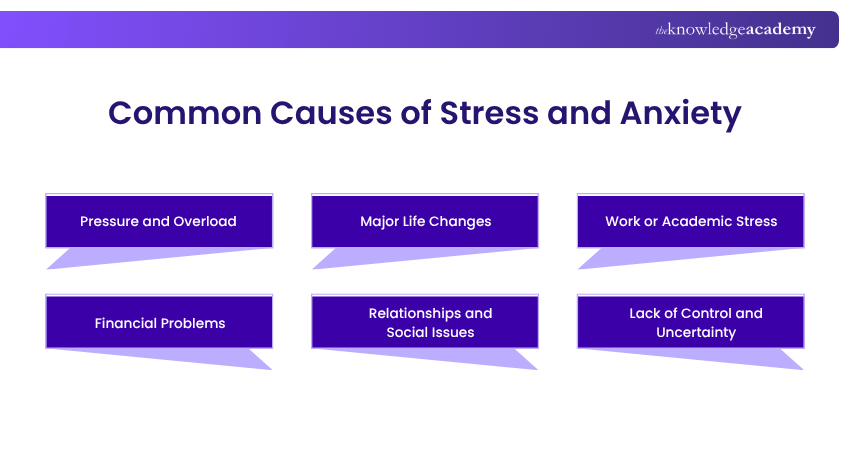
1) Pressure and Overload
Feeling under constant pressure or having too many responsibilities can quickly lead to stress. When tasks pile up and feel unmanageable, it can create anxiety and mental exhaustion.
2) Major Life Changes
Big changes such as moving house, starting a new job, or becoming a parent can be overwhelming. Even positive changes can create uncertainty, which may trigger stress and anxiety.
3) Work or Academic Stress
Deadlines, exams, heavy workloads, or workplace conflicts are major contributors. These situations often create ongoing pressure, leading to both stress and anxiety over performance and outcomes.
4) Financial Problems
Worrying about money, debt, or not being able to afford basic needs can cause persistent stress. Financial uncertainty often leads to long-term anxiety about stability and future security.
5) Relationships and Social Issues
Difficult relationships, breakups, family conflicts, or caregiving responsibilities can be emotionally draining. Lack of support or social tension can significantly increase stress levels.
6) Lack of Control and Uncertainty
Situations where you feel powerless or unsure about outcomes such as job insecurity or health concerns can heighten anxiety. Not having control often makes stress feel more intense and harder to manage.
Enhance your listening skills to communicate clearly and build stronger relationships with our Active Listening Training- Join now!
Various Ways to Manage Stress and Anxiety
There are several ways by which you can master How to Manage Stress and Anxiety. Some of it you will find below:
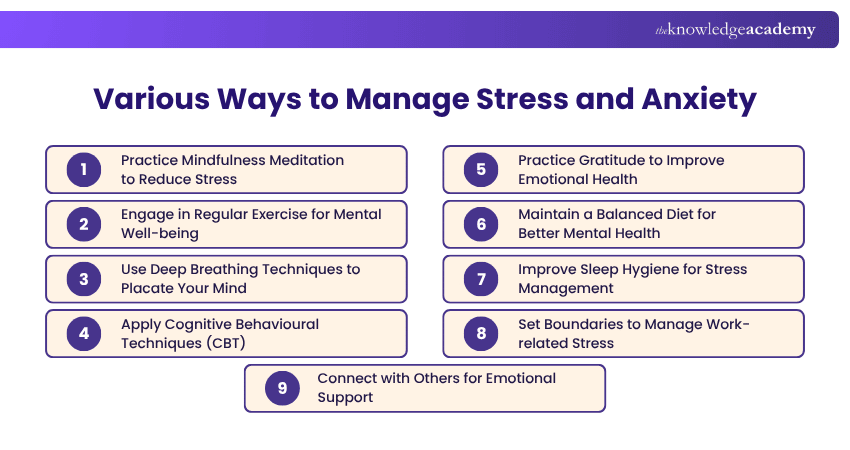
1) Practice Mindfulness Meditation to Reduce Stress
Mindfulness is the practice of being fully present and aware of the current moment. Research shows that mindfulness meditation can help reduce stress and anxiety by redirecting attention away from future worries and past regrets. Tools like Headspace and Calm make it simple to build short, daily mindfulness habits.
2) Engage in Regular Exercise for Mental Well-being
Engaging in a physical activity is a great way to reduce stress. That’s because exercises can trigger the release of endorphins, often called the brain’s “feel-good” chemicals which help to improve mood and ease anxiety. You don’t have to work out intensely; simple activities like walking, practicing yoga, or a short workout can still have a significant positive impact.
3) Use Deep Breathing Techniques to Placate Your Mind
Deep breathing exercises has been proven to calm the mind by triggering the body’s natural relaxation response. Techniques such as box breathing and diaphragmatic breathing slow the heart rate and send signals to the brain to unwind and relax.
4) Apply Cognitive Behavioural Techniques (CBT)
Cognitive Behavioural Therapy (CBT) is a widely recognised approach for managing stress and anxiety. It focuses on detecting and challenging negative thought patterns that intensify these feelings. By reshaping these thoughts, CBT helps interrupt the cycle of stress and anxiety.
5) Practice Gratitude to Improve Emotional Health
Focusing on the positive aspects of your life can shift your mindset from stress to healthy appreciation. Keeping a gratitude journal and writing down a few things you’re thankful for each day can help improve your mental health and reduce anxiety.
6) Maintain a Balanced Diet for Better Mental Health
Your diet plays a vital role in influencing stress levels. Foods that has high levels of omega-3 fatty acids like walnuts and salmon can help ease anxiety symptoms. Cutting back on excess caffeine and sugar may also help prevent sudden spikes in anxiety during the day.
7) Improve Sleep Hygiene for Stress Management
Poor sleep can intensify stress and anxiety, making it difficult to function effectively during the day. Maintaining a proper sleep schedule and a dark and relaxing environment can help enhance overall sleep quality.
8) Set Boundaries to Manage Work-related Stress
When it comes to learning How to Manage Stress and Anxiety, setting clear boundaries at work is essential. It’s particularly true as remote work continues to blur the line between personal and professional life. Prioritise saying “no” when needed and manage your time effectively to prevent burnout.
9) Connect with Others for Emotional Support
Strong social support plays a vital role in maintaining mental well-being. Sharing your concerns with a therapist, family or friends can help you better understand and reduce anxiety. This is a proven step in How to Manage Stress and Anxiety. Even today, genuine conversations whether in person or over the phone can significantly uplift your mood.
When pressure rises, make sure your resilience shines. Sign up for our Resilience Training today!
How Long Does it Take to Manage Stress Effectively?
The time it takes to manage stress effectively varies from person to person and depends on the type and duration of stress. For short-term stress, the body's immediate stress response often begins to settle within 20 to 60 minutes, although cortisol levels may remain elevated for several hours. However, recovering from long-term or chronic stress can take several months, with consistent healthy habits and Stress Management techniques playing a key role in long-term improvement.

Vidhya Nair is a Senior Copywriter with 7+ years of experience across copywriting, content writing and communication. Her extensive research and editorial experience supports her ability to present topics across Business Skills and Human Resources with clarity and purpose.
View Detail

 If you wish to make any changes to your course, please


