


 Top Rated Course

We may not have the course you’re looking for. If you enquire or give us a call on 01344203999 and speak to our training experts, we may still be able to help with your training requirements.
How to Be More Assertive: Simple Step-by-Step Guide
Charlotte Wilson 25 November 2025To learn How Be More Assertive, express needs clearly, set boundaries, say no respectfully, and use confident body language to boost self-confidence. Assertiveness is an essential skill of speaking up for yourself in a clear, confident and respectful manner. It expresses your needs, boundaries and fosters honest communication.

Training Outcomes Within Your Budget!
We ensure quality, budget-alignment, and timely delivery by our expert instructors.
Table of Contents

Picture yourself in a meeting, you have a great idea but choose to stay quiet. You are worried about how it might sound if you suggest. Later, someone shares a similar thought, and you regret not speaking up. Does this sound familiar? Learning to be more assertive can help you speak up and feel proud of your voice.
This blog explores How to Be More Assertive, the benefits it brings, and practical steps to help you find your voice. Are you ready to take control and communicate with confidence? Let’s dive in!
Table of Contents
1) What is Assertiveness?
2) Learning How to Be More Assertive
3) Benefits of being Assertive
4) The Difficulty of Becoming More Assertive
5) Examples of Effective Assertiveness
6) Assertiveness vs. Aggressiveness
7) What are the 3 C’s of Assertive Communication?
8 What Are the Golden Rules of Assertiveness?
9) Conclusion
What is Assertiveness?
Assertiveness refers being able to speak for yourself in a calm, respectful and honest way. It is about sharing your thoughts, feelings, and needs clearly while being considerate of others. It is about expressing what you truly mean without hurting others or staying silent when during something important.
When you learn How to Be More Assertive, you say “no” when necessary, speak honestly and listen calmly. This skill helps you build health relationships, boosts your confidence and makes you stand up for yourself. With sufficient practice and dedication, you can learn to be more assertive.

Learning How to be More Assertive
Many people find it difficult to be assertive. You might worry that speaking up will upset someone, make you seem rude, or lead to judgment. But the truth is, assertiveness is not something you are born with; it is a skill. And like any skill, you can learn it and get better at it with practice.
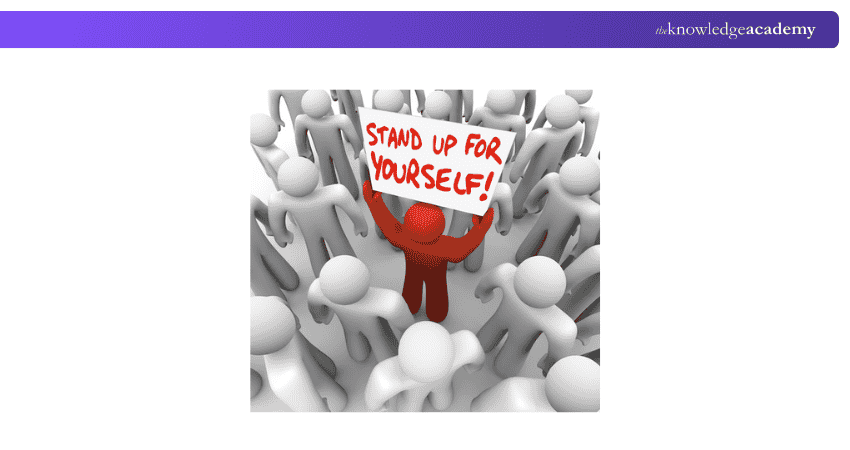
Here are some easy and practical steps to help you become more assertive:
1) Assess Your Style of Communication
Think about how you usually talk to people. Do you stay quiet to avoid arguments, say “yes” even when you don’t want to, or sometimes speak too strongly? Knowing your style helps you see what needs to change . Once you know where you struggle, you can start working on being more confident and clear when you speak.
The goal is to speak honestly, stay respectful, and feel comfortable sharing your thoughts without upsetting others or holding everything in.
Articulate ideas clearly, enhancing personal and professional relationships with our Effective Communication Skills Training – Register now!
2) Effective Use of "I" Statements
Being Assertive is about ensuring your needs are respected and your viewpoint is heard. It’s not about belittling others or telling someone they’re wrong. One way to develop Assertive communication is by using “I” statements rather than pointing fingers. This helps you express yourself clearly without placing blame.
Instead of saying “You never help me,” try “I feel tired when I do everything alone.” This sounds less like an attack and more like a conversation.
Enhance your ability to connect, persuade, and lead with our Communication Skills Courses – Join today!
3) Assertively Saying "No"
Saying “no” doesn’t mean you are being rude. It just means you are setting a limit. Practice saying it without over-explaining. Be direct and use the word “no,” rather than offering alternatives. You can say it in a polite and honest way like “Thanks for asking, but I can’t do that right now.”
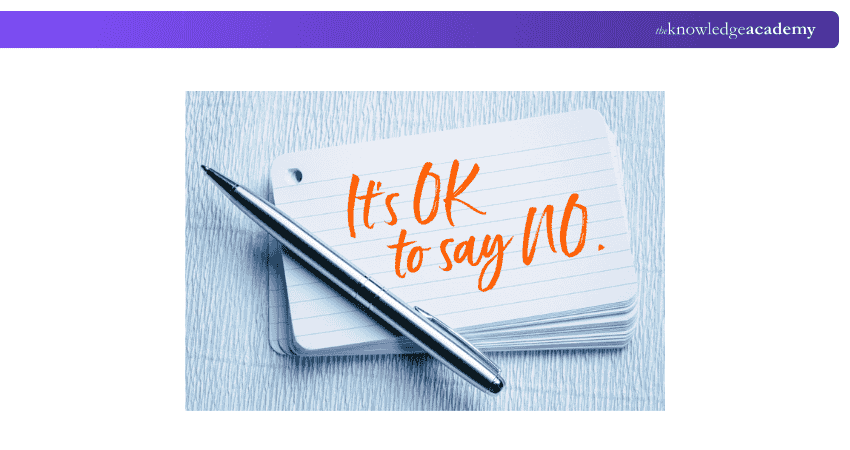
Saying no helps protect your time and energy, and it shows that you respect your own needs, even if it feels awkward at first.
4) Practice with People You Trust
Start by practising assertiveness with people who support you like a friend, or family member. Try simple things like choosing where to go for lunch or asking for help. These small steps are a safe way to build confidence. Once you get used to speaking up in easy situations, it gets easier to do it when it really matters.
They can give you feedback and help you feel more confident. The more you practice, the easier it gets to learn How to Be More Assertive and speak up in other situations too.
5) Use Body Language
Do you know how you stand, sit, and move conveys a message? To look and feel confident, keep good posture, make eye contact, and speak calmly. Don’t cross your arms, fidget, or look down. Those things can make you seem unsure. People are more likely to listen when your body matches your words.
When your body language matches your words, people are more likely to listen and respect what you say. Eventually, these small changes show that you believe in what you are saying.
6) Be Positive
You do not have to be serious or cold to be assertive. Being friendly and respectful goes a long way. Stay calm, optimistic, smile when it fits, and try to keep a kind tone, even during difficult conversations . This helps others feel comfortable and makes it easier to have good conversations, even when you disagree or set some limits.
Even being friendly shows that you care about others. Likewise, staying positive can make difficult conversations easier and help people understand each other better.
7) Establish Clear Boundaries
Set your boundaries! They help you protect your time, energy, and wellbeing. Think about what you are okay with and what you are not. Then speak up clearly to the opposite person. Setting limits would never make you selfish. It shows you value yourself. When you explain your boundaries calmly, most people will respect them.
For instance, you can set up a boundary in your workspace like “I don’t answer work calls after 7 PM.” This helps you take care of yourself and teaches others how to respect it.
8) Start Small
You don’t have to make big changes all at once. Begin with small things like sharing your opinion or asking for something simple. Each time you speak up, it gets a little easier. These might be small moments, but they will help you build courage and confidence. These small steps build your confidence and help you become more assertive over time.
If you think there are small steps, remember that those still count and show you are improving. Over time, these little efforts help you speak up more easily and feel more confident.
Benefits of Being Assertive
Being assertive is one of the healthiest ways to initiate a communication. When you learn How to Be More Assertive, you speak confidently and respectfully. T protects your boundaries and ensures no one takes advantage of you. Below, key benefits of being assertive is mentioned:

1) Boosts Self-confidence: You become confident on what you want to convey and begin to stand up for your opinions or perspectives in a calm manner.
2) Sense of Empowerment: Being assertive makes you be in control of your choice of words, thoughts, feelings and emotions.
3) Fosters Understanding and Expression: By being assertive, it encourages you to be aware of your emotions and feelings. Also, helps you express them clearly.
4) Earns Respect: When you approach conversations assertively, you tend to earn respect from others. People value honest and confident communication, building mutual trust.
5) Improves Communication: You start learning to express your needs clearly, while also being considerate of other people’s feelings. This keeps conversations healthy.
6) Strengthens Relationships: Assertiveness keeps communication honest. This helps you to keep misunderstandings away and build valuable connections.
7) Increased Job Satisfaction: Being more assertive helps you to effectively manage workloads. With clear communication about your expectations, it lets you handle workplace tasks confidently.
Acquire skills to enhance workplace collaboration and productivity by joining our Active Listening Training soon!
The Difficulty of Becoming More Assertive
If being assertive were easy, most of us would already be doing it. But for many people, speaking up or saying what they really feel can be tough. Why is that? There are two main reasons: fear and not knowing how.
Even though assertiveness is helpful, it can be hard to put into practice. Here are the difficulties for one to learn How to Be More Assertive:
1) Fear: Worrying About What Might Happen
Many people worry that speaking up will upset others or cause conflict. They stay quiet to avoid drama or rejection. Over time, this becomes a habit that is hard to break.
2) Not Knowing How: Feeling Lost for Words
Sometimes, people want to speak up but don’t know what to say or how to say it. They think that they might say the wrong thing or will not be understood.
3) Low Self-Esteem or Self-Doubt
You may feel that your needs or opinions aren’t valid if you struggle with self-worth. This makes it hard to speak up, especially in situations where others seem more confident or authoritative.
Examples of Effective Assertiveness
Assertive behaviour can be identified through various forms. It can be proactive, reactive, verbal or non-verbal in nature. Some of the common examples of being assertive in the workplace includes:
1) Requesting a co-worker to complete their given day’s work
2) Politely stopping your colleague from interrupting you during an on-going meeting
3) Suggesting a better solution respectfully when you disagree with a plan
4) Asking for a salary raise when you believe you deserve more
5) Sharing ideas in a confident and considerate manner
6) Setting healthy boundaries and respecting others as well
Below, we have provided research based real-life examples of how assertiveness plays an important role in different spheres of life.
1) Academic Success
A study by Blegur et al. (2023) found that students who practised assertive behaviour performed better academically and enjoyed healthier social interactions. When faced with peer pressure, assertive students were more likely to:
1) Speak confidently
2) Made smart and firm decisions
3) Believed in their skills and abilities
4) Respected differences in opinions
5) Performed their responsibilities without hurting others
Thus, assertiveness enhanced students' ability to remain focused, minimise distractions and develop healthy relationships.
2) Workplace Assertiveness
In a quantitative study conducted by Thangal et a. (2023) studied employees in multinational companies. They found employees who practiced assertive behaviour in organisational settings tend to:
1) Feel valued and respected
2) Share ideas openly and communicated effectively
3) Says “no” in suitable circumstances
4) Sets healthy boundaries and respects others
5) Expresses emotions in a healthy manner
3) During Adolescence
In 2023, research by Nikolaiev et al. Studied assertiveness on 72 adolescents over two months. The findings suggested that adolescents developed assertive behaviours with guidance and encouraging environments. This makes them more likely to:
1) Initiate effective and structured communication
2) Developed the practice of open expression
3) Foster confidence and independent thinking
4) Prepares them for proactive success
5) Builds emotional resilience and leadership skills
Assertiveness vs Aggressiveness
Assertiveness and aggressiveness are often confused, but they are very different. Assertiveness involves expressing yourself confidently and respectfully, while aggressiveness focuses only on personal needs and harms relationships. Aggressive behaviour often stems from negative habits, past experiences, or a desire to dominate or control others.
Assertiveness, on the other hand, is calm, firm communication that protects your boundaries without hurting others. It encourages dignity, respect, and healthy interactions. While assertiveness builds trust and strong relationships, aggressiveness damages them by using force, intimidation, or disregard for others’ feelings.

Discover how to design and deliver your message for a difficult conversation with our Managing Difficult Conversations Training - Sign up today!
What are the 3 C's of Assertive Communication?
Assertive communication is based on three simple but powerful qualities: Confidence, Clarity, and Control.
1) Confidence: It shows that you respect yourself and expect others to do the same. It helps you say what you mean without backing down or apologising for it.
2) Clarity: It refers to being clear and direct, thereby ensuring your message is clear. It rejects hints or expects people to guess. Rather makes things in a simple, honest way.
3) Control: It is about staying calm and respectful, even when you're upset or nervous. It helps you communicate more effectively and keeps the situation from escalating.
What are the Golden Rules of Assertiveness?
For understanding How to Be More Assertive, following key principles can be significant. The golden rules of assertiveness include:
1) Self-awareness: It begins with self-awareness. Observe your thoughts, emotions and feelings before responding. Remain calm and balanced for clear communication.
2) Confident Body Language: The way you carry yourself makes a big difference. Maintain eye contact, keep open posture, and speak clearly. Also, be aware of non-verbal signals for re-enforcing messages stronger.
3) Honesty and Respect: Convey what you mean truly, without being aggressive. Assertiveness means to be honest with empathy during communication.
4) Active Listening: Assertiveness is also about listening actively. Give others space to share their view and be respectful in differences of opinions.
Conclusion
Understanding How to Be More Assertive is one of the most powerful communication skills you can develop. It fosters confident communication, sets healthy boundaries and open expressions. If you often stay quiet or say “yes” when you want to say “no,” remember change is possible. Assertiveness is a valuable skill that transforms how you live work and develop connections with others.
Glow with important skills to successfully sell ideas and products by registering for our Interpersonal Skills Training immediately!
Frequently Asked Questions
What are the Signs of Low Assertiveness?

Signs of low assertiveness include struggling to say “no,” avoiding eye contact, staying quiet in group discussions and agreeing when you don’t want to. You may also feel anxious about speaking your needs or let others make decisions for you, even when you disagree.
What Role Does Assertiveness Play in Effective Leadership?
Assertiveness in leadership fosters clear communication, decisive action, and respect. It helps in setting boundaries, managing conflicts, and expressing needs effectively. Assertive leaders inspire trust by balancing firmness and empathy, enabling them to guide teams confidently, encourage open dialogue, and make informed decisions.
What are the Other Resources and Offers Provided by The Knowledge Academy?
The Knowledge Academy takes global learning to new heights, offering over 3,000 online courses across 490+ locations in 190+ countries. This expansive reach ensures accessibility and convenience for learners worldwide.
Alongside our diverse Online Course Catalogue, encompassing 19 major categories, we go the extra mile by providing a plethora of free educational Online Resources like Blogs, eBooks, Interview Questions and Videos. Tailoring learning experiences further, professionals can unlock greater value through a wide range of special discounts, seasonal deals, and Exclusive Offers.
What is The Knowledge Pass, and How Does it Work?
The Knowledge Academy’s Knowledge Pass, a prepaid voucher, adds another layer of flexibility, allowing course bookings over a 12-month period. Join us on a journey where education knows no bounds.
What are Related Courses and Blogs Provided by The Knowledge Academy?
The Knowledge Academy offers various Communication Skills Course, including Assertiveness Skills Training, Effective Communication Skills Course, and Interpersonal Skills Training . These courses cater to different skill levels, providing comprehensive insights into Effective Communication.
Our Business Skills Blogs covers a range of topics related to Assertiveness, offering valuable resources, best practices, and industry insights. Whether you are a beginner or looking to advance your Communication skills, The Knowledge Academy's diverse courses and informative blogs have you covered.

Charlotte Wilson


Soft Skills and Business Training Manager
Charlotte Wilson is an expert in soft skills development, with over 14 years of experience helping individuals and teams improve communication, productivity and emotional intelligence in the workplace. Her training content is focused on enhancing interpersonal effectiveness and fostering positive, collaborative environments across all levels of an organisation.
View Detail
Upcoming Business Skills Resources Batches & Dates
Date
 Public Speaking Course
Public Speaking Course
Fri 27th Mar 2026
Public Speaking Course
Fri 29th May 2026
Public Speaking Course
Fri 31st Jul 2026
Public Speaking Course
Fri 2nd Oct 2026
Public Speaking Course
Fri 27th Nov 2026

 If you wish to make any changes to your course, please


