




We may not have the course you’re looking for. If you enquire or give us a call on 01344203999 and speak to our training experts, we may still be able to help with your training requirements.
How to Conduct a Business Analysis Case Study?
BySubiksha ArulprakashLast updated on: 05 October 2026
Have you ever wondered what are the necessary steps for conducting a Business Analyst Case Study? This blog will take you through the steps for conducting it.
What happens when a company has ambitious growth targets but cannot clearly identify what is preventing it from reaching them? This is where Business Analysis becomes valuable.
In this Business Analysis Case Study, we examine a hypothetical software company facing challenges around technology, marketing, and growth. Through data gathering, SWOT Analysis, Root Cause Analysis, solution development, and evaluation, we explore how structured analysis can help uncover practical ways forward.
An Overview of the Business Analysis Case Study
To kickstart our analysis, we will gain a deep understanding of the company's background, industry, and specific objectives. By examining the hypothetical company's objectives and aligning our analysis with its goals, we can lay the groundwork for a focused and targeted approach. This Business Analysis Case Study will demonstrate how the analysis process is pivotal in driving growth and overcoming obstacles that hinder success.
Moving forward, we will navigate through various steps involved in the case study, including gathering relevant data, conducting a SWOT analysis, identifying key issues, analysing root causes, proposing solutions, and developing an action plan. By following this step-by-step approach, we can address the core challenges and devise actionable strategies that align with the company's objectives.
The primary focus of this Business Analysis Case Study is to highlight the significance of Business Analysis in identifying key issues, evaluating potential growth opportunities, and developing effective solutions. Through a comprehensive examination of the hypothetical company's strengths, weaknesses, opportunities, and threats, we will gain valuable insights that drive informed decision-making.
Unlock your potential as a Certified Business Analyst Professional and transform the world of business with our expert CBA-PRO training.

Step 1: Understanding the Company and Its Objectives
In this initial step, we need to gain a thorough understanding of the hypothetical company's background, industry, and specific objectives. Our hypothetical company, TechSolutions Ltd., is a software development firm aiming to expand its customer base and increase revenue by 20% within the next year.
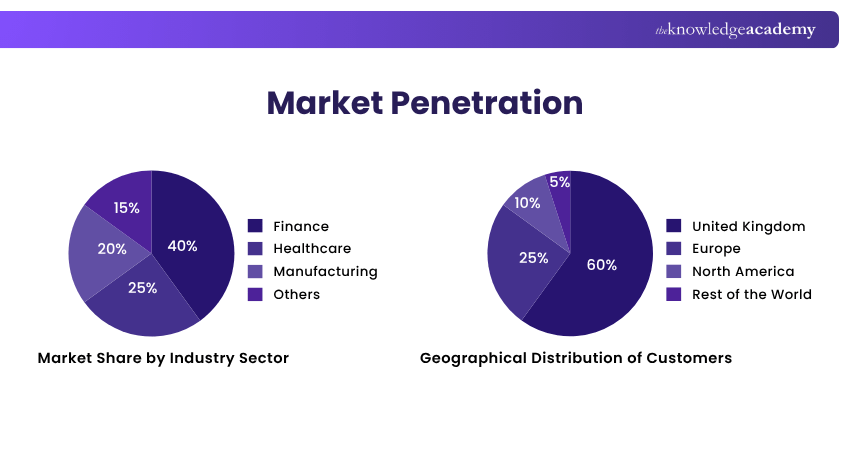
TechSolutions Ltd. operates in the dynamic software solutions market, catering to various industries such as finance, healthcare, and manufacturing. The company's primary objective is to leverage its technical expertise and establish itself as a leading provider of innovative software solutions. This objective sets the foundation for our analysis, enabling us to align our efforts with the company's goals.
Step 2: Gathering Relevant Data
To conduct a comprehensive analysis, we need to gather relevant business data and elicit information from key stakeholders. This may include operational and financial data, customer feedback, market trends, competitor insights, existing processes, business requirements, and stakeholder expectations. Techniques such as interviews, workshops, surveys, observation, and document analysis can help build a clear picture of the company's current position and potential opportunities
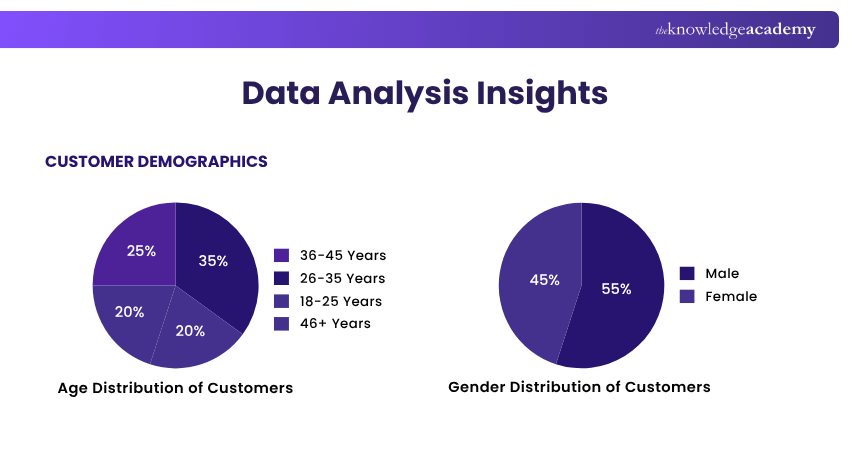
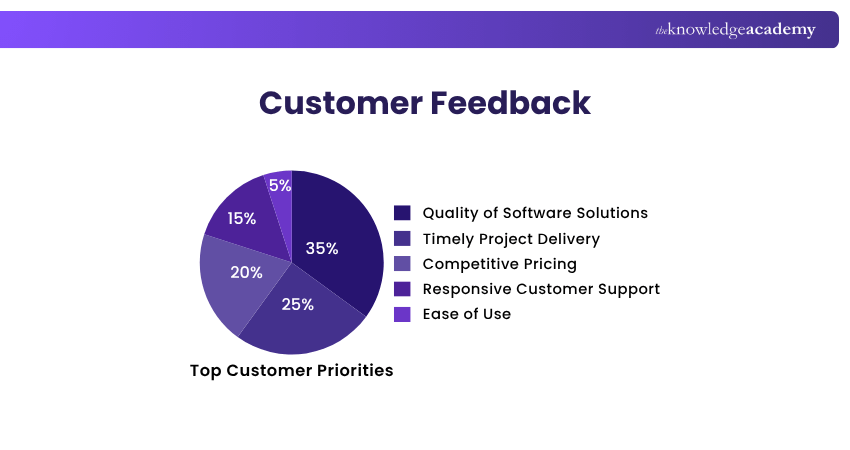
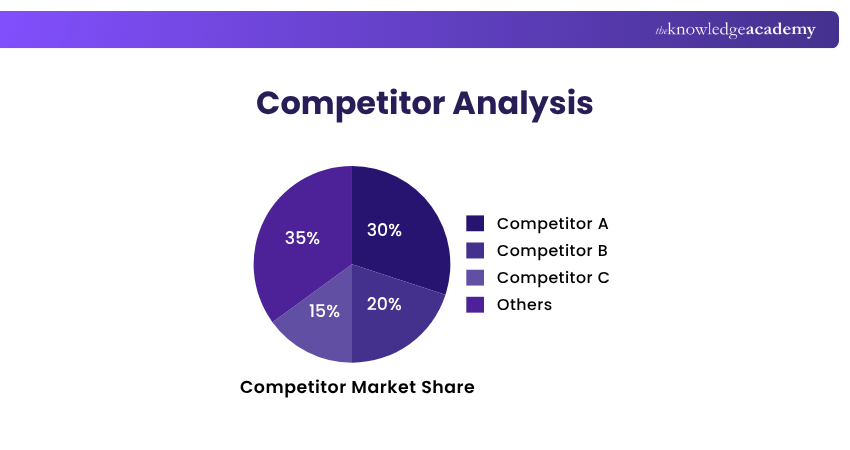
For our case study, TechSolutions Ltd. collects data on various aspects, including customer satisfaction levels, market penetration rates, and financial metrics such as revenue, costs, and profitability. Additionally, industry reports, market research, and competitor analysis provide insights into market trends, emerging technologies, and the competitive landscape. This data-driven approach ensures that our analysis is well-informed and grounded in reality.
Here’s a series of findings for TechSolutions Ltd.
Step 3: Conducting SWOT Analysis
A SWOT analysis is a powerful tool to assess the company's internal strengths and weaknesses, as well as external opportunities and threats. By conducting a thorough SWOT analysis, we can gain valuable insights into the company's strategic position and identify factors that impact its growth potential.
Here are the results of the SWOT analysis:
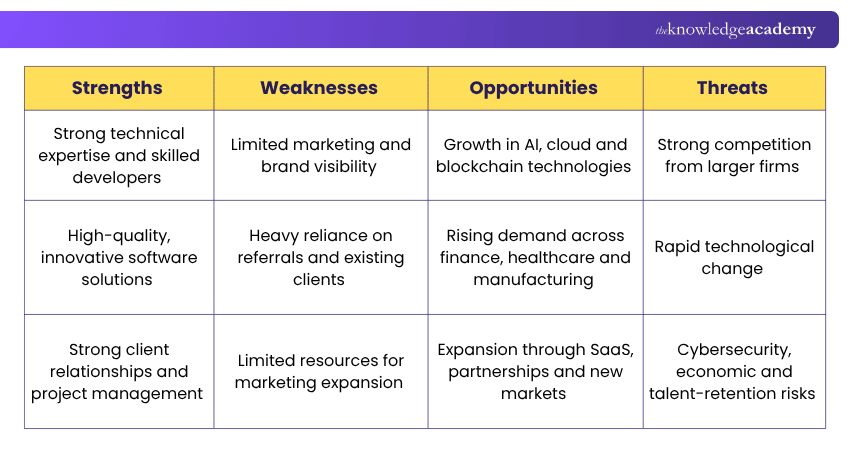
TechSolutions Ltd. conducts a comprehensive SWOT analysis, evaluating its strengths in software development, such as a highly skilled technical team and a solid reputation in the industry. The analysis also highlights weaknesses, including limited marketing capabilities and a lack of brand recognition. Furthermore, the SWOT analysis identifies opportunities in emerging technologies like cloud computing and artificial intelligence, along with threats from larger competitors who possess greater resources and market share.
Accelerate your career as a Business Analyst with our comprehensive Business Analyst Course - Register now!
Step 4: Identifying Key Issues and Prioritising
Based on the SWOT analysis, we can identify the key issues that hinder the company's growth potential. These issues can range from internal challenges to external market dynamics. It is crucial to prioritise these issues based on their potential impact and feasibility of addressing them.
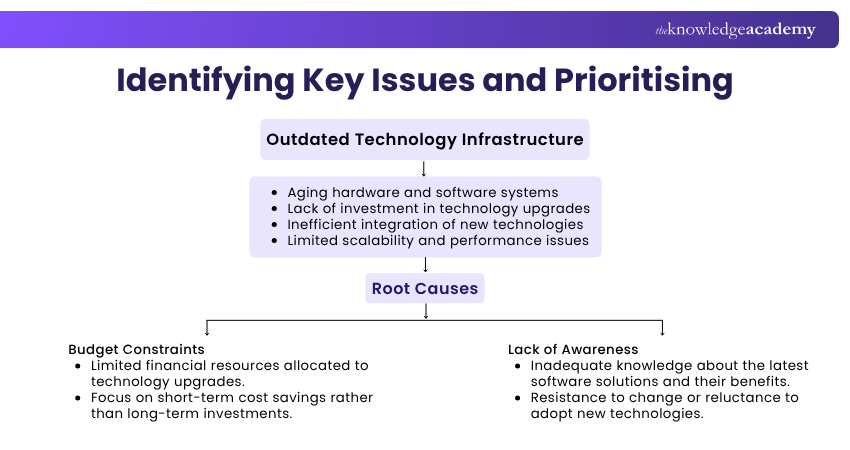
In the case of TechSolutions Ltd., the analysis reveals a primary issue of an outdated technology infrastructure. These issues are prioritised as they directly impact the company's ability to meet its growth objectives, where identifying and addressing critical factors is key to driving success. By addressing these key issues, TechSolutions Ltd. can position itself for sustainable growth.
Embark on your journey to becoming a skilled Business Analyst with our Business Analyst Green Belt training unlocking endless opportunities.
Step 5: Analysing the Root Causes
To develop effective solutions, we must analyse the root causes behind the identified issues. This involves a detailed examination of internal processes, conducting interviews with key stakeholders, and exploring market dynamics. By identifying the underlying factors contributing to the issues, we can tailor our solutions to address them at their core.
In the case of TechSolutions Ltd., the analysis reveals that the outdated technology infrastructure is primarily due to budget constraints and a lack of awareness about the latest software solutions. Limited marketing efforts arise from a shortage of skilled personnel and inadequate allocation of resources.
Understanding these root causes provides valuable insights for developing targeted and impactful solutions.
Master the art of Business Process Mapping and streamline your organisation's efficiency with our expert Business Process Mapping Training - Sign up now!
Step 6: Proposing Solutions and Developing an Action Plan
Based on the root cause analysis, we can now propose specific solutions to address the identified issues. These solutions should be practical, measurable, and aligned with the company's objectives. Developing an action plan is crucial to ensure the effective implementation of the proposed solutions.
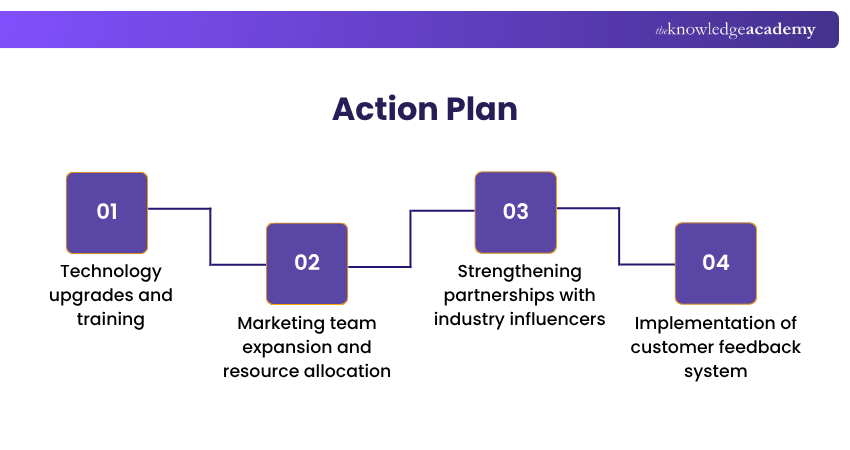
For TechSolutions Ltd., the following solutions are proposed:
a) Allocate a portion of the budget for technology upgrades and training: TechSolutions Ltd. should allocate a dedicated portion of its budget to upgrade its technology infrastructure and invest in training its employees on the latest software tools and technologies. This will ensure that the company remains competitive and can deliver cutting-edge solutions to its customers.
b) Hire a dedicated marketing team and allocate resources for targeted campaigns: To overcome the limited marketing efforts, TechSolutions Ltd. should invest in building a skilled and dedicated marketing team. This team will focus on developingcomprehensive marketing strategies, leveraging digital platforms, and conducting targeted campaigns to reach potential customers effectively.
Ready to dive into the heart of business analysis? Explore the key roles and responsibilities of a Business Analyst and understand how you can make a significant impact. Read more now!
c) Strengthen partnerships with industry influencers: Collaborating with industry influencers can significantly enhance TechSolutions Ltd.'s brand visibility and credibility. By identifying key industry influencers and forming strategic partnerships, the company can tap into their existing networks and gain access to a wider customer base.
d) Implement a customer feedback system: To enhance product quality and meet customer expectations, TechSolutions Ltd. should establish a robust customer feedback system. This system will enable the company to gather valuable insights, identify areas for improvement, and promptly address any customer concerns or suggestions. Regular feedback loops will foster customer loyalty and drive business growth.
The proposed solutions are outlined in a detailed action plan, specifying the timeline, responsible individuals, and measurable milestones for each solution. Regular progress updates and performance evaluations ensure that the solutions are effectively implemented and deliver the desired outcomes.
Unleash the potential of Mathematical Optimisation for solving complex business problems with our specialised Mathematical Optimisation for Business Problems Training - Join now!
Step 7: Monitoring and Evaluation
To ensure the sustained success of the implemented solutions, it is crucial to establish a robust monitoring and evaluation process. This involves continuously tracking progress, evaluating the effectiveness of the solutions, and making adjustments necessary.
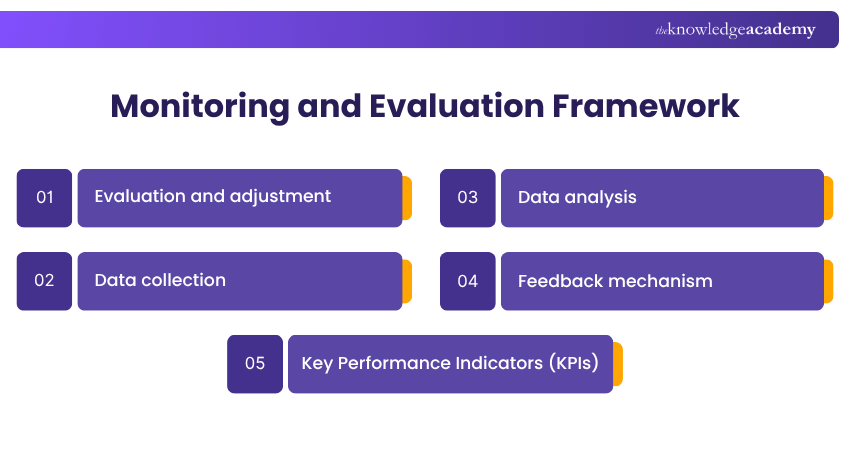
TechSolutions Ltd. establishes a comprehensive monitoring system to track the impact of technology upgrades and marketing efforts. Key performance indicators such as revenue growth, customer acquisition rates, customer satisfaction metrics, and market share are regularly monitored. Feedback from customers and internal stakeholders provides valuable insights for further enhancements and adjustments to the strategies.
Elevate your expertise to Black Belt level in Business Analysis and become a true master in the field with our advanced Business Analyst Black Belt Training - Join now!
A Quick Recap
1. Business Analysis helps organisations understand their goals, current challenges, and areas that need improvement.2. Data, stakeholder input, customer feedback, and market insights provide the evidence needed for informed decisions.3. Techniques such as SWOT Analysis and Root Cause Analysis help identify key issues and understand why they occur.4. Proposed solutions should be practical, measurable, and supported by a clear action plan.5. Regular monitoring helps assess whether the solutions are working and where further improvements are required.

Subiksha Arulprakash is a Copywriter with 5+ years of experience in content writing, editing, content development and digital marketing. Her experience researching and writing about Business Skills, ISO standards and compliance enables her to produce clear, accessible content for different audiences.
View Detail

 If you wish to make any changes to your course, please


