


We may not have the course you’re looking for. If you enquire or give us a call on 01344203999 and speak to our training experts, we may still be able to help with your training requirements.
Best ITSM Tools: How to Find the Right Solution
ByVishnu SankarLast updated on: 02 November 2026
Compare popular ITSM tools, explore their key features and understand how to choose the right platform for your organisation's service management needs.
The Gist
1. ITSM tools help organisations manage IT services, incidents, problems, changes and service requests.2. ServiceNow, Jira Service Management, Freshservice and ManageEngine ServiceDesk Plus are examples of popular ITSM platforms.3. Essential features include ticket management, automation, self-service portals, knowledge management and reporting.4. Some tools offer comprehensive ITSM capabilities, while others focus on IT support and IT asset management.5. Choosing the right ITSM tool depends on organisational needs, compatibility, scalability and cost.
Too many IT tickets?
Delayed incident resolution?
Struggling to keep IT services organised?
These challenges can become difficult to manage as organisations grow and IT operations become more complex.
The right IT Service Management (ITSM) tool can help bring everything together, from incident tracking and service requests to change management and service delivery. But with several platforms offering similar capabilities, how do you know which one fits your organisation? This blog discusses the top ITSM tools that you can implement for your business. So, let's get started!
20 Best ITSM Tools
ITSM tools differ in their features, deployment models, integration options and intended users. Some are designed for complex enterprise environments, while others focus on straightforward service desk operations. The following 20 ITSM tools offer different capabilities for managing IT services and support activities:
1) SolarWinds Service Desk
SolarWinds Service Desk is a cloud-based IT Service Management platform designed to simplify service delivery through structured workflows and automation. It provides tools for managing incidents, service requests, changes and IT assets. Its self-service capabilities also help employees find answers and submit support requests without relying entirely on direct contact with IT teams.
Key Features:
a) Incident and service request management
b) Employee self-service portal and service catalogue
c) Workflow automation and approval processes
d) IT asset management and reporting

2) Ivanti Neurons for ITSM
Ivanti Neurons for ITSM is an IT service management platform designed to help organisations manage incidents, service requests, problems and changes through structured workflows. It combines automation, AI-assisted capabilities available with eligible SaaS licences, and self-service options to support IT service delivery.
Key Features:
a) AI-powered ticket classification and routing
b) Workflow automation and service catalogue management
c) Cloud, on-premises and hybrid deployment options
d) Customisable reporting dashboards and analytics
3) Jira Service Management
Jira Service Management helps IT support, development and operations teams collaborate on service requests and incidents. It supports configurable workflows, automation and AI-powered service management capabilities.
Key Features:
a) Incident, problem and change management
b) SLA tracking, reporting and analytics
c) Automation and approval workflows
d) AI-powered virtual service agent available with eligible subscriptions
4) Freshservice
Freshservice is a cloud-based ITSM platform developed by Freshworks to help organisations manage IT incidents, service requests, problems and assets. It provides a centralised service desk with automation, self-service capabilities and AI-powered assistance to streamline IT operations.
Key Features:
a) AI-powered assistance through Freddy AI
b) IT asset management and Configuration Management Database (CMDB)
c) Employee self-service portal and knowledge base
d) Customisable reporting dashboards and analytics
Trainer's Insight
Automation works best when service workflows are clearly defined. Before automating incident routing, approvals or escalations, review how these activities currently operate. Automating unclear or inefficient processes may increase errors rather than improve service delivery.
5) TOPdesk
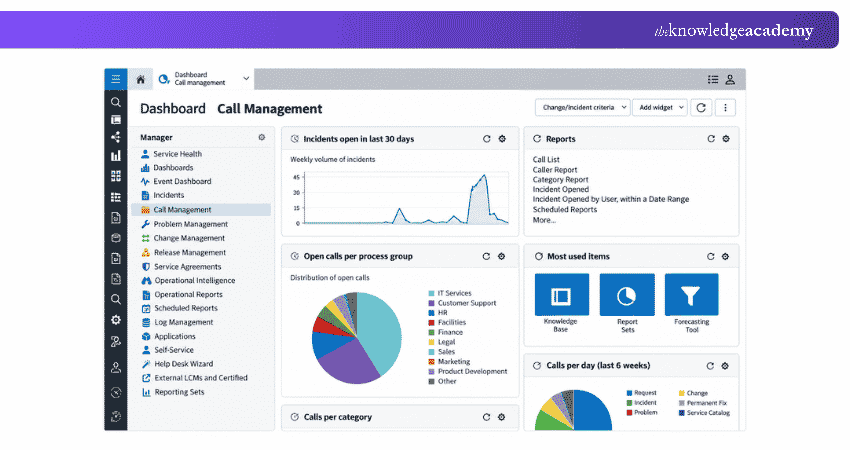
TOPdesk helps organisations manage IT services and support requests through configurable service management workflows. It provides capabilities for incident management, service requests, knowledge sharing and other service delivery activities.
Key Features:
a) Incident and request management
b) Self-service portal and knowledge management
c) Change management workflows
d) Asset and configuration management capabilities
6) InvGate Service Management
InvGate Service Management, formerly InvGate Service Desk, is an ITSM and enterprise service management platform designed to improve service delivery through configurable workflows. It provides tools for handling incidents, service requests, knowledge management and performance reporting. The platform also includes AI-assisted service management capabilities.
Key Features:
a) Multi-channel ticket management
b) No-code workflow configuration
c) AI-assisted ticket handling and knowledge management
d) Self-service portal and reporting dashboards
7) ServiceNow ITSM
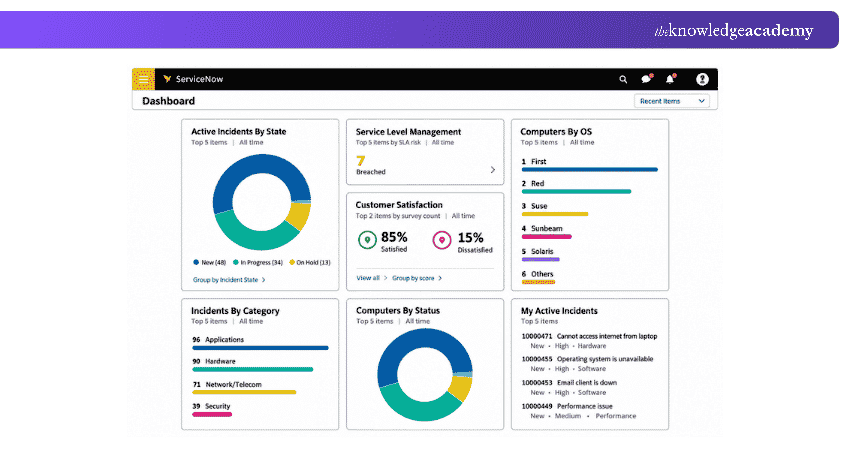
ServiceNow ITSM is an enterprise ITSM platform that provides comprehensive capabilities for managing service delivery and IT support operations. It supports incident, problem, change and request management alongside automation, service configuration and reporting capabilities.
Key Features:
a) Self-service portal and virtual agent support
b) Service catalogue and request fulfilment
c) Workflow automation and AI-assisted service experiences
d) Configuration management and service reporting
8) Xurrent ITSM
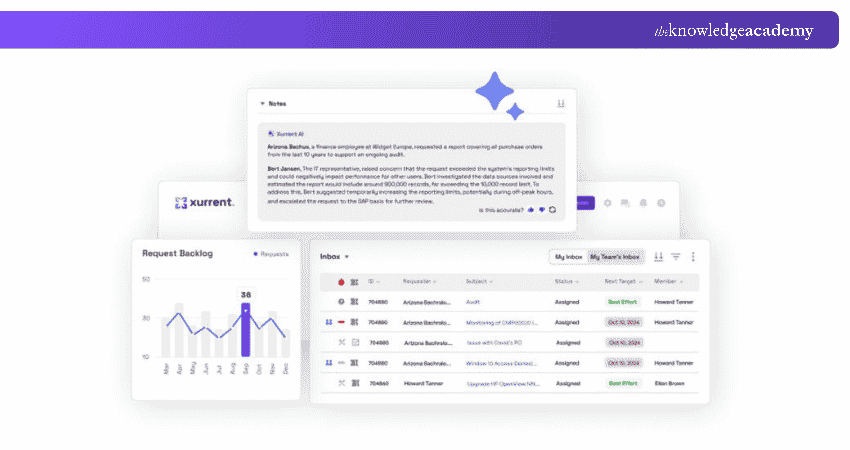
Xurrent ITSM is a service management platform designed to coordinate IT services, incidents and operational workflows across teams and organisations. It offers ITIL-aligned service management capabilities alongside automation and AI-assisted support features.
Key Features:
a) Service Integration and Management (SIAM)
b) Service request and knowledge management
c) Workflow automation and AI-assisted service support
d) Incident management and cross-team collaboration
9) BMC Helix ITSM
BMC Helix ITSM is an enterprise service management platform designed to support IT service delivery through structured workflows, automation and AI capabilities. It provides extensive tools for managing incidents, problems, changes, service requests and configuration information.
Key Features:
a) AI-powered incident analysis and resolution assistance
b) Automated service request and approval workflows
c) SLA monitoring and service performance reporting
d) AI-assisted incident analysis and proactive problem management capabilities
Pro Tip: Understand Your CMDB Requirements
A Configuration Management Database (CMDB) helps organisations understand relationships between IT services and their supporting components. Before investing in advanced CMDB capabilities, identify which configuration information is necessary and how your organisation will keep it accurate.
10) EV Service Manager
EV Service Manager, developed by EasyVista, is an ITSM platform that helps organisations manage incidents, service requests, changes and other service-related workflows. It combines service management processes with automation and operational information to support more coordinated IT service delivery.
Key Features:
a) Incident and problem management
b) Change and service request management
c) Workflow automation and service catalogue capabilities
d) Service management reporting and operational visibility
Develop the skills to identify risks and improve software quality with ITIL® 5 Service Certification Training – Register today!
11) ManageEngine ServiceDesk Plus
ManageEngine ServiceDesk Plus is an ITSM platform developed by ManageEngine, a division of Zoho Corporation, to manage IT support activities, service requests and IT assets. It provides incident, problem and change management capabilities alongside service catalogues, reporting and asset management features.
Key Features:
a) Incident and service request management
b) AI-powered virtual support agent and ticket assistance in supported editions and configurations
c) Customisable reporting and live dashboards
d) No-code workflow automation and ticket routing
12) OpenText Service Management
OpenText Service Management is an ITSM and enterprise service management platform designed to manage service workflows across IT and other business departments. It provides service management automation, request handling, reporting and AI-assisted capabilities to support IT service delivery.
Key Features:
a) Native Configuration Management Database (CMDB)
b) AI-powered virtual agent through OpenText Service Management Aviator
c) IT asset and procurement management
d) ITIL-aligned service management templates
13) SysAid
SysAid is an AI-powered ITSM platform designed to help organisations manage IT incidents, service requests, problems and changes. It combines service desk capabilities, workflow automation and IT asset management to support efficient service delivery. Its capabilities help IT teams reduce manual work, manage support activities and improve service response times.
Key Features:
a) AI-powered ticket classification and routing
b) No-code workflow automation and configurable AI agents
c) IT asset management and CMDB integration
d) Employee self-service portal and AI chatbot
Quick Check: ITSM Tools vs Help Desk Tools
A help desk primarily handles user enquiries and support tickets, while a comprehensive ITSM platform supports broader activities such as problem management, change enablement, configuration management and service improvement. Understanding this distinction helps organisations avoid selecting software that does not meet their service management requirements.
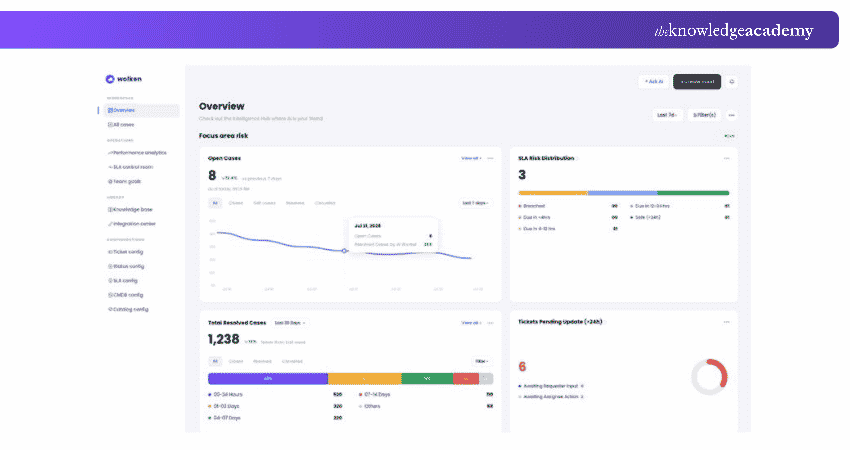
14) Wolken AI ITSM
Wolken AI ITSM is a service management platform focused on improving IT support through automation, configurable workflows and AI-assisted capabilities. It helps organisations manage incidents, changes, releases and service requests while maintaining visibility into service performance.
Key Features:
a) AI incident and problem resolution
b) Smart change and release management
c) Proactive IT monitoring and enterprise-grade security
d) Integration across ITSM tools, cloud services and enterprise applications
15) TeamDynamix ITSM
TeamDynamix ITSM is a service management platform that supports IT service delivery through configurable workflows and no-code automation. It provides tools for handling incidents, changes, requests and other service management activities, with additional capabilities for enterprise service management.
Key Features:
a) Incident and service request management
b) No-code workflow configuration
c) Change management and service catalogue capabilities
d) AI-assisted support and automation
16) IFS Assyst
IFS Assyst is an ITSM platform designed to help organisations manage incidents, problems, changes and IT assets through integrated service management processes. It supports ITIL-aligned workflows, automation and service management activities across complex IT environments.
Key Features:
a) IT service lifecycle and process management
b) Automated workflows and approval processes
c) IT asset and configuration management
d) Service catalogue and request management
17) Hornbill Service Manager
Hornbill Service Manager is an ITSM platform that helps organisations manage IT incidents, service requests, problems and changes through configurable workflows. It combines service management processes, automation and self-service capabilities to support consistent IT service delivery.
Key Features:
a) IT support and service request handling
b) No-code workflow configuration and automation
c) Self-service portal and service catalogue
d) IT asset and configuration management
18) GLPI
GLPI is an open-source ITSM and IT asset management platform that helps organisations manage IT support requests, assets and service-related information. It provides ticket management, asset inventories and service management features, making it useful for organisations seeking an open-source solution.
Key Features:
a) Incident and service request tracking
b) IT asset and dynamic inventory management
c) Knowledge base and service management capabilities
d) Workflow automation and plugin support
Transform service interactions into exceptional experiences with ITIL® 5 Experience Certification Training – Sign up soon!
19) SummitAI IT Service Management
SummitAI IT Service Management is an AI-powered ITSM platform offered by SummitAI, an independent company formed following the transition of the former SymphonyAI Enterprise IT business. The platform uses AI-assisted capabilities and workflow automation to help organisations manage incidents, requests and broader IT service management activities.
Key Features:
a) AI-powered ticket classification and routing
b) No-code/low-code workflow automation
c) Automated incident and service request resolution
d) Multi-tenant service management capabilities
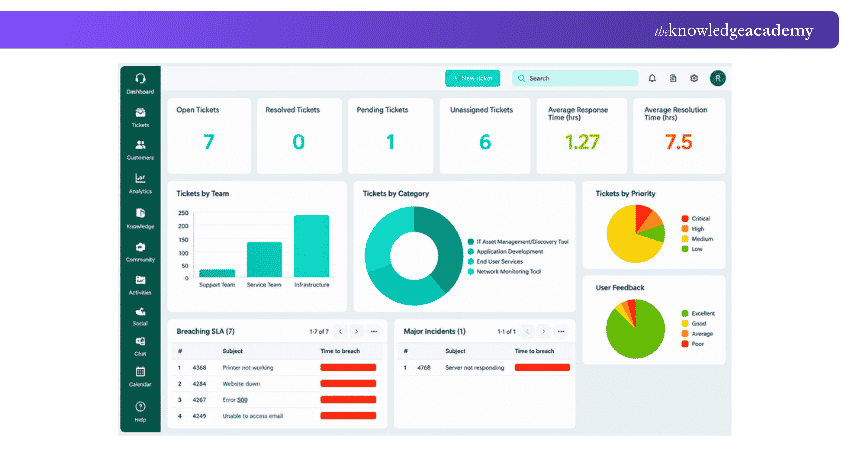
20) HaloITSM
HaloITSM is an IT Service Management platform that helps organisations manage service delivery through configurable workflows, automation and self-service capabilities. It supports ITSM practices such as incident, problem, change and service request management and can also support wider enterprise service management requirements.
Key Features:
a) AI-powered ticket categorisation and summarisation
b) AI-powered virtual agent and live chat support
c) Integration with third-party IT management tools
d) Workflow automation and reporting
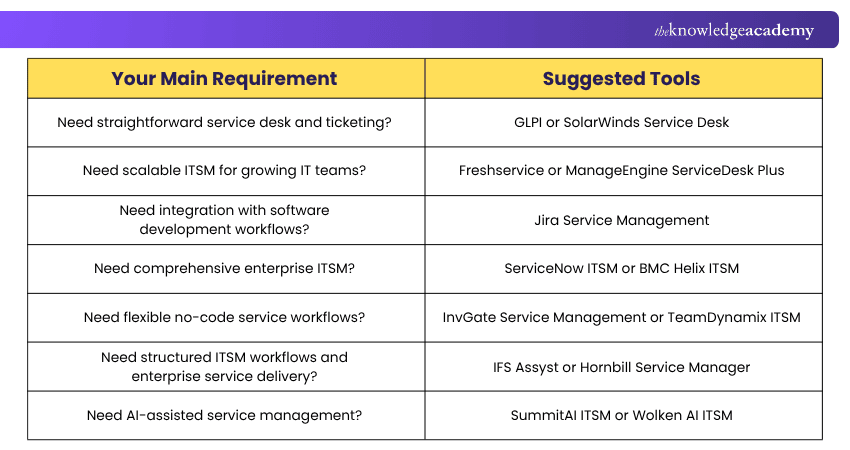
Here's a quick glimpse based on common organisational requirements:
How to Choose the Right ITSM Tool?
The right ITSM platform should support your organisation's service management goals without creating unnecessary complexity. Consider these factors before selecting a solution:
1) Identify Your Service Management Needs: Determine whether your organisation needs basic ticket management, comprehensive ITSM practices, asset management or enterprise-wide service delivery.
2) Evaluate Essential Features: Compare the available features against your requirements. Prioritise incident management, request management, automation and reporting capabilities based on how your IT team operates.
3) Consider Integration Requirements: Check compatibility with your existing monitoring, communication, development and asset management systems. Suitable integrations can reduce duplicate work and improve information sharing.
4) Review Scalability and Flexibility: Consider whether the software can support additional users, departments, service requests and changing business requirements.
5) Compare Costs and Licensing: Evaluate subscription fees, implementation costs, training, support, integration expenses and any additional charges for advanced features or usage-based services.
6) Test the Platform Before Implementation: Where possible, use a product demonstration or trial to assess workflows, usability, reporting and integration requirements before making a final decision.
Quick Checklist: Choosing an ITSM Tool
Before selecting an ITSM platform, check the following:□ Does the tool support the ITSM practices your organisation needs?□ Can it integrate with your existing systems?□ Does it provide suitable automation and self-service capabilities?□ Can it support future growth and increasing service requests?□ Does it offer useful reporting and performance metrics?□ Have you reviewed licensing, implementation and support costs?
From enterprise platforms such as ServiceNow and BMC Helix to solutions such as Freshservice and GLPI, organisations can choose from a wide range of ITSM tools. The best choice depends on your organisation's size, service management needs, technical environment and budget. Comparing essential features, integration capabilities and long-term costs can help you select an ITSM platform that supports reliable service delivery and continuous improvement.
Build a strong foundation in IT service management with ITIL® Certification Training – Join now!

Vishnu Sankar is a Senior Content Writer with 5+ years of experience across content development, software development, web development and system administration. His technical background and professional training support his expertise in IT and Tech, while his extensive research and writing experience covers Project Management and Health and Safety.
View Detail

 If you wish to make any changes to your course, please


