


 Top Rated Course

We may not have the course you’re looking for. If you enquire or give us a call on 01344203999 and speak to our training experts, we may still be able to help with your training requirements.
Top Communication Skills Interview Questions and Answers
Pearl Williams 22 November 2025Communication Skills Interview Questions test your clarity, adaptability, conflict handling, persuasion, and active listening through real examples. They explore your verbal and non-verbal communication, listening abilities, emotional intelligence, and adaptability in the workplace. Strong communication often distinguishes top performers.

Training Outcomes Within Your Budget!
We ensure quality, budget-alignment, and timely delivery by our expert instructors.
Table of Contents
Communication is at the heart of every successful career. Good communication is more than just speaking clearly. It is about connecting, listening, and understanding others effectively. In today’s workplace, strong Communication Skills are among the most sought-after qualities employers look for, regardless of role or industry.
Effective Communication and soft skills are crucial to career success, particularly during job interviews. In this blog, we’ve compiled the top Communication Skills Interview Questions and answers to help you prepare with confidence. Let's begin!
Table of Contents
1) What are Communication Skills Interview Questions?
2) Five Popular Communication Skills Interview Questions
3) Communication Skills Interview Questions on Conflict Resolution and Collaboration
4) Communication Skills Interview Questions on Personal Communication Style and Adaptability
5) Communication Skills Interview Questions on Verbal Communication
6) Communication Skills Interview Questions on Written Communication
7) Communication Skills Interview Questions on Non-verbal Communication
8) Communication Skills Interview Questions on Situational Communication
9) Tips to Successfully Answer Communication Skills Interview Questions
10) Conclusion
What are Communication Skills Interview Questions?
Interview Questions on Communication Skills are asked by interviewers to assess if an interviewee can communicate effectively. The questions generally comprise behavioural questions that focus on the interviewee’s workplace experiences, as well as opinion and competency-centric questions.
Additionally, it is vital to understand that these skills are required to provide better-informed answers during the interview. Communication skills typically comprise a wide range of verbal, non-verbal, and written skills, such as:
a) Active Listening: Active Listening refers to the candidate being able to focus on what the person is conveying and considering their point of view, prior to giving a response.
b) Body Language: Body language entails that the candidate maintains a good posture, facial expression, and hand gestures. These are non-verbal cues that generally convey more than the person’s mood, attitude, and personality than their words.
c) Tone of Voice: The candidates’ vocal tone majorly influences how other individuals perceive them. An individual who has a monotonous speech and lacks variety in pitch or pace is very likely to lose their audience’s attention.
d) Concise and Focused Speech and Writing: Candidates are expected to provide ideas in a clear, direct, and straightforward manner. The information they convey also needs to be crisp.
Five Popular Communication Skills Interview Questions
Here are five of the most common Communication Skills Interview Questions and answers that employers often ask to understand how you express ideas, handle challenges, and connect with others. These Communication Skills Questions for interviews help reveal your ability to listen, collaborate, and communicate clearly in different workplace situations.
1) How would you describe your communication style?
Sample Answer: You can answer this question by describing your communication style as clear, respectful, and adaptable. Mention that you express your ideas confidently while also listening to others. Add that you adjust your tone and approach depending on the situation or the person you’re speaking with to ensure smooth collaboration.
2) Can you share an example of a time when you had to deal with a conflict at work?
Sample Answer: You can answer this question by explaining that you handle conflicts calmly and fairly. Say that you listen to all sides before making decisions and focus on finding solutions that work for everyone. Mention that open communication and understanding help you resolve disagreements quickly and maintain a positive work environment.
3) What steps do you take to build positive relationships with your colleagues?
Sample Answer: You can answer this question by mentioning that you build rapport by showing genuine interest in others and communicating openly. Add that you make an effort to appreciate your colleagues’ work, offer help when needed, and maintain mutual respect. Emphasise that this helps create a friendly and supportive team atmosphere.
4) How do you make sure your communication at work is clear and effective?
Sample Answer: You can answer this question by saying that you focus on clear, concise communication and active listening. Explain that you tailor your message based on the audience and always check for understanding. Add that you encourage feedback to avoid confusion and make sure everyone is on the same page.
5) How would you simplify a technical or complex topic to a colleague or client who isn’t familiar with it?
Sample Answer: You can answer this question by stating that you simplify complex information using everyday examples and avoid technical jargon. Mention that you break ideas into easy-to-understand steps and check in to ensure the other person is following. Add that you invite questions to make the discussion clear and engaging.
Communicate with clarity and confidence at your workplace with our Business Communication Course – Register today!
Communication Skills Interview Questions on Conflict Resolution and Collaboration
Developing interpersonal and Communication Skills is crucial for effective interaction and building strong relationships. The following questions test your conflict resolution and collaboration capabilities:
1) How do you communicate with your team members?
Sample Answer: You can answer this question by maintaining open communication lines and actively listening to other's perspectives. Also, state that you encourage collaboration. Further mention that you ensure everyone feels heard and valued, fostering a positive and productive team environment.
2) How do you give and receive feedback?
Sample Answer: To answer this question, state that you provide constructive feedback, focus on specific observations and offer suggestions for improvement. Also, mention that you demonstrate that you are open to receiving feedback and view it as an opportunity for growth and learning.
3) What are your communication strengths and weaknesses?
Sample Answer: Strengths can include clear and concise communication, active listening, and adaptability. Give examples that show you continuously work on improving your non-verbal cues and adjusting your communication style to different audiences.
4) How do you handle conflict?
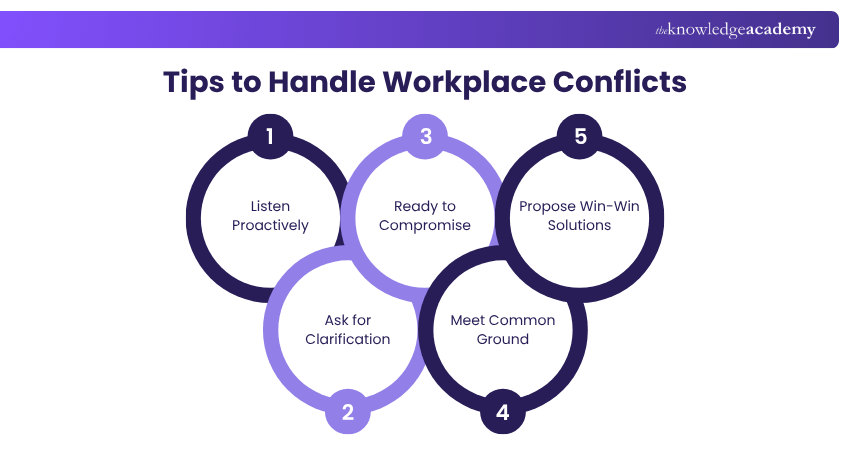
Sample Answer: You can answer this question by stating that you approach conflicts by actively listening, seeking understanding, and finding common ground. Aim for a win-win solution and are open to compromise when necessary. You can also talk about listening proactively, getting clarification, and other such skills.
5) Do you work well with other people?
Sample Answer: To answer this question, you can say that you value collaboration. Further, show that you respect diverse perspectives and contribute to a positive team dynamic. You can also mention that you believe in leveraging collective strengths to achieve shared goals.
6) Do you prefer to work independently or with a team?
Sample Answer: To answer this question, you can evaluate both the good and bad sides of working in teams. You can mention that while you appreciate the focus and autonomy of working independently, working with a team allows for diverse ideas, shared responsibilities, and collective problem-solving, often leading to better outcomes.
7) Give some examples highlighting your capabilities in completing a critical project
Sample Answer: To answer this question, talk about how you collaborated with team members from different departments, effectively delegating tasks and fostering open communication. You can also mention that you utilised everyone's strengths to meet tight deadlines and achieve project goals.
Communication Skills Interview Questions on Personal Communication Style and Adaptability
Personal Communication style and adaptability are crucial for effective communication. Here are sample answers to the following questions:
1) How do you communicate effectively with people from different cultures?
Sample Answer: You can use sensitivity and respect to show your admiration for other cultures. Mention that you are willing to understand cultural nuances, adapt your communication style and actively listen to ensure a clear understanding. Show that you embrace diversity and value the perspectives that different cultures bring.
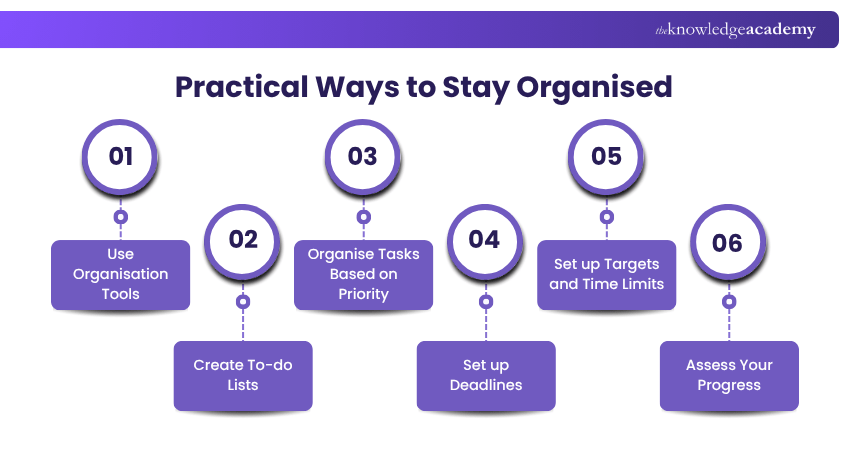
2) How do you stay organised and on track?
Sample Answer: Mention that you use various organisational tools like calendars, to-do lists, and Project Management Software. You can also talk about various organisational techniques you use daily, such as to-do lists, prioritisation, and others. The following are some of the organisational techniques you can talk about:
3) How do you communicate complex information clearly and concisely?
Sample Answer: To answer this question, you can say that you break down the information into digestible parts, use visuals if appropriate, and provide real-life examples. Also state that you ensure the message is concise, avoid jargon, and check for understanding by encouraging questions.
4) How do you present information to a group of people?
Sample Answer: You can say that you plan and structure content logically. Mention that you use visuals to support key points and engage the audience by encouraging participation. Also, mention that you are confident and organised while delivering the information.
Don’t let cultural gaps hold you back! Connect, collaborate, and lead across cultures with our Cross Cultural Communications Training – Join now!
5) How would you describe yourself?
Sample Answer: Begin by introducing your communication and interpersonal skills. Further mention that you have a strong work ethic, value collaboration, and continuously seek growth opportunities.
6) How would your co-workers describe your personality?
Sample Answer: You can answer this question by saying that your co-workers would describe you as approachable, dependable, and a good listener. Further mention they appreciate your positive attitude, willingness to help, and ability to contribute to a harmonious and collaborative work environment.
7) What major challenges and problems have you faced, and how did you handle them?
Sample Answer: Begin by delving into your past and discussing your challenges. For example, you can state that a significant challenge you faced was a tight deadline on a complex project. Further, state that you managed it by effectively communicating with team members, setting realistic goals, and delegating tasks based on individual strengths.
Continue saying that you successfully met the deadline and achieved the outcome by fostering open dialogue, maintaining transparency, and adapting to unforeseen circumstances.
9) What have you learned from your mistakes?
Sample Answer: Start your answer by stating that you believe mistakes are valuable learning opportunities. Continue talking about your past mistakes and how you have learned from them.
For example, you can say that you have learned the importance of effective communication, attention to detail, and the need for proactive problem-solving. Also mention that you actively reflect on your errors, take ownership, and implement strategies that help prevent similar occurrences in the future.
10) How do you handle stress and pressure?
Sample Answer: Begin by stating that when faced with stress and pressure, you prioritise self-care and Time Management. Continue by saying you break tasks into manageable chunks, maintain open communication with stakeholders, and seek support when needed.
Communication Skills Interview Questions on Verbal Communication
Below are some key interview questions that focus on verbal communication, along with sample answers to help you prepare effectively:
1) Can you describe a presentation you led that went well?
Sample Answer: You could explain that you began by understanding your audience’s needs before preparing your presentation. Mention that you structured your content logically, used simple language, and included visuals to highlight key points. Add that you maintained eye contact, encouraged participation, and handled questions confidently, which made the presentation engaging and successful.
2) What approaches do you use to build positive relationships with colleagues?
Sample Answer: You can answer this question by mentioning that you maintain open communication and show respect for different opinions. Say that you make an effort to listen, offer help when needed, and appreciate others’ contributions. Also, highlight that you focus on trust, teamwork, and mutual understanding to create a positive work environment.
3) Have you ever had to share an idea that your colleagues did not support? Were you able to convince them of its validity?
Sample Answer: You can answer this question by explaining that when your idea wasn’t initially accepted, you took the time to understand your colleagues’ concerns. Mention that you supported your idea with clear data, examples, or real results to show its benefits. Mention that by staying calm, open to feedback, and focusing on teamwork, you eventually gained their support and successfully implemented the idea.
4) Can you take me through a situation where you had to share negative information with a client?
Sample Answer: You can answer this by saying that you approached the situation with honesty, empathy, and sensitivity. Explain that you clearly explained the issue, focused on the facts, and avoided placing blame. Mention that you also presented possible solutions or next steps to fix the problem. Include that by staying calm and transparent, you were able to maintain the client’s trust and strengthen the working relationship.
Communication Skills Interview Questions on Written Communication
Below are some key interview questions that focus on written communication, along with sample answers to help you respond confidently and effectively.
1) How do you make sure that your emails are error-free?
Sample Answer: You might try to answer by explaining that you always take a few minutes to proofread your emails before sending them. Mention that you use tools to spell check and re-read messages to check for clarity and tone. Add that you keep your emails concise, polite, and easy to understand to avoid confusion or misinterpretation.
2) How would you rate your Written Communication Skills? Which communication examples can you give to support your rating?
Sample Answer: You can say that you rate your written Communication Skills highly because you focus on being clear, organised, and professional in every message. Mention examples such as preparing reports, project updates, or client emails that received positive feedback. Add that you tailor your writing style to suit the reader and the purpose of the communication.
3) Give me an example of a situation where you needed to handle a customer complaint using Written Communication. How did you resolve it?
Sample Answer: You might explain that you responded to the customer promptly, acknowledging their concern politely. Mention that you apologised for the inconvenience, provided a clear explanation, and offered a practical solution. Add that your calm and respectful tone helped ease the situation and rebuild trust with the customer.
Communication Skills Interview Questions on Non-verbal Communication
Here is a curated list highlighting the key Interview Questions on Non-verbal Communication, with suitable answers framed as follows:
1) Have you ever had to communicate with a colleague who was not comfortable with Verbal Communication? What methods did you use?
Sample Answer: You can answer this by stating that you used written communication and non-verbal cues to make the colleague comfortable. Mention that you relied on emails, chats, or visual aids instead of verbal discussions. Add that you paid attention to body language, gestures, and expressions to ensure they felt understood and respected during interactions.
Your actions speak louder than words. Discover how with our Nonverbal Communication Training – Sign up soon!
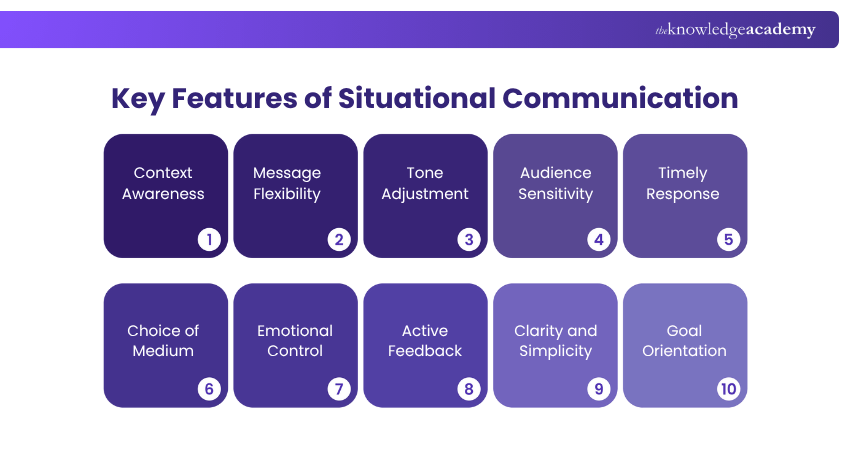
Communication Skills Interview Questions on Situational Communication
Here is a list of the various Interview Questions on Situational Communication, with their corresponding answers, described as follows:
1) You notice that a team member never reaches out when they don't understand your message. How do you respond?
Sample Answer: You can state that you would approach the team member privately and encourage open communication. Mention that you would ask if your instructions were clear and assure them that questions are always welcome. Add that you would create a supportive environment where they feel comfortable seeking help without hesitation.
2) You're given a choice between sending an email to a team member and setting up a video call with them to explain that you've made a mistake. What would you choose?
Sample Answer: You can answer this question by explaining that you would choose a video call because it allows for open and personal communication. Mention that it helps convey sincerity and accountability better than written text. You can mention that it also gives the other person a chance to respond immediately, helping to maintain trust and clarity.
Tips to Successfully Answer Communication Skills Interview Questions
When interviewers ask communication-related questions, they’re not only listening to what you say but also how you say it. Your body language, tone, clarity, and confidence all play a major role in demonstrating strong communication skills. Here are some essential tips to help you answer these Communication Skills Interview Questions effectively:
1) Maintain Positive Body Language:
Your body language can say a lot about you. You can sit up straight, avoid fidgeting, and use open gestures. Try to maintain eye contact to show confidence and interest. A calm, relaxed posture helps you look positive and professional.
2) Use a Friendly and Confident Tone:
Your tone of voice can affect how your message is received. Speak clearly and at a steady pace. Keep your tone friendly and confident. It means the tone should not be too soft or too forceful. A calm tone helps you sound professional and easy to talk to.
3) Practise Active Listening:
Good communication also means being a good listener. Pay attention when the interviewer speaks, nod to show you’re following, and take a moment to think before answering. Listening carefully helps you respond better and shows respect.
4) Dress and Present Yourself Well:
The way you present yourself also communicates confidence. Wear neat, professional clothes that fit the company’s style. Looking well-prepared and tidy makes a strong first impression and shows you take the interview seriously.
5) Share Real-life Examples:
When answering, share real situations that show your communication skills like giving a presentation, resolving a conflict, or explaining an idea clearly. Real examples help the interviewer understand how you use communication in everyday work.
6) Stay Calm and Professional:
Even if you feel nervous, try to stay calm. Smile naturally, speak clearly, and stay polite throughout the conversation. These small details show professionalism and confidence.
7) Communicate Clearly and Kindly:
Communicate your ideas in a simple and kind way. Show that you can explain things clearly while being patient and understanding with others. This makes you seem approachable and cooperative.
Conclusion
Strong Communication Skills can make a real difference in how you perform and progress in your career. Employers look for candidates who can express ideas clearly, listen actively, and connect well with others. By preparing thoughtfully for Communication Skills Interview Questions and answers and practising your delivery, you can show confidence and professionalism from the very first question.
Strengthen your communication abilities and stand out at work with our Effective Communication Skills Training – Explore today!
Frequently Asked Questions
Upcoming Business Skills Resources Batches & Dates
Date
 Public Speaking Course
Public Speaking Course
Fri 27th Mar 2026
Public Speaking Course
Fri 29th May 2026
Public Speaking Course
Fri 31st Jul 2026
Public Speaking Course
Fri 2nd Oct 2026
Public Speaking Course
Fri 27th Nov 2026

 If you wish to make any changes to your course, please


