


We may not have the course you’re looking for. If you enquire or give us a call on +1 7204454674 and speak to our training experts, we may still be able to help with your training requirements.
Product Owner vs Product Manager Salary
ByThe Knowledge AcademyLast updated on: 12 November 2026
Compare Product Owner vs Product Manager salaries, explore how earnings vary by experience and location, and understand the key factors influencing pay and career growth in both roles.

At a Glance
1. Product Owner and Product Manager salaries vary depending on location, experience and job responsibilities.2. The blog compares annual salary ranges for both roles across the UK, USA and India.3. Entry-level, mid-level and senior-level salary comparisons highlight potential earnings at different career stages.4. Industry, company size, product complexity, skills and qualifications can influence earning potential.
Product Owners and Product Managers play important roles in developing successful products. They navigate market demands, user expectations and technological advancements to help organisations deliver products that meet customer needs and business objectives.
While Product Owners are accountable for maximising product value and effective Product Backlog management within Scrum, Product Managers generally take a broader view of product strategy and market requirements. But how do their salaries compare? In this blog, we'll explore Product Owner and Product Manager salaries across different countries and experience levels. Let's dive in!
Product Owner vs Product Manager Salary by Location
Product Owner and Product Manager salaries vary across locations due to differences in job markets, industry demand and living costs. Comparing salaries across countries can help you understand the earning potential of both roles in different regions.

1) Product Owner Salary by Location
Product Owners play an important role in maximising product value and ensuring that the Scrum team's work aligns with the product goal. Their salaries can vary depending on the country where they work. Here's a comparison of annual salary ranges across three different countries:
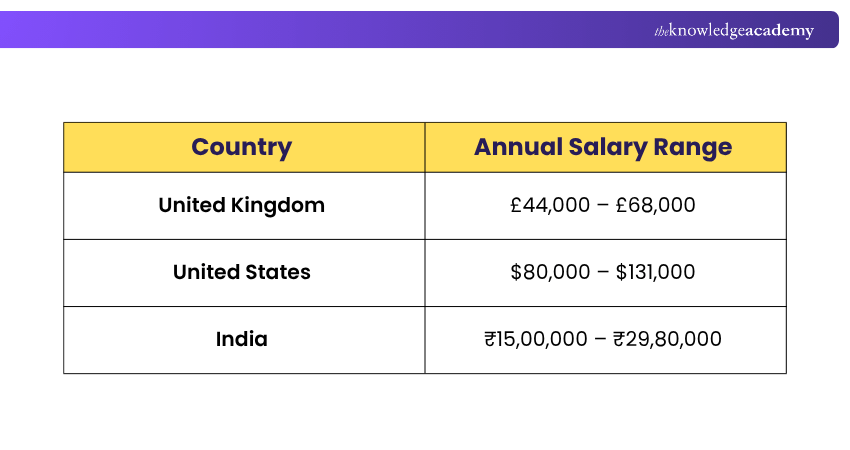
Source: Glassdoor
2) Product Manager Salary by Location
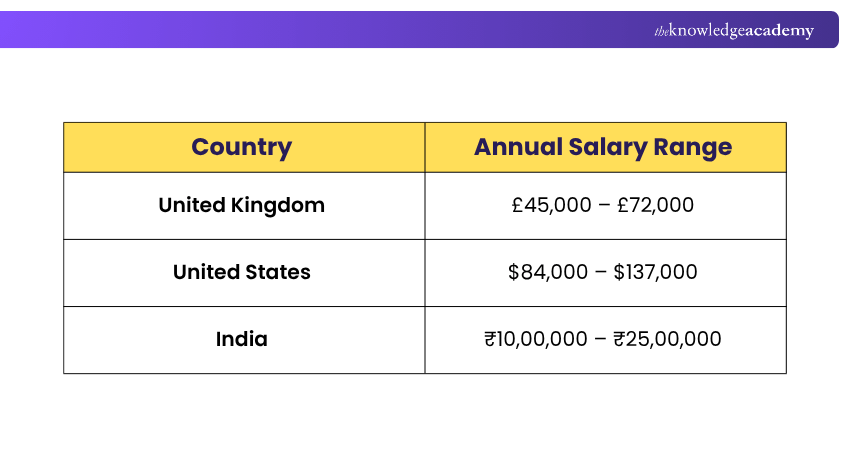
Product Managers are responsible for shaping product strategy, understanding customer needs and supporting the product throughout its lifecycle. Their salaries also differ across countries depending on market conditions and employer requirements. Let's look at the annual salary ranges for Product Managers in the UK, USA and India:
Build products that make a difference with the Product Management Training – Join now!
Product Owner vs Product Manager Salary by Experience
Experience is another important factor that influences the salaries of Product Owners and Product Managers. As professionals develop their expertise and take on greater responsibilities, their earning potential can increase. Let's compare the annual salaries of both professions at entry, mid and senior experience levels.
1) Product Owner Salary by Experience
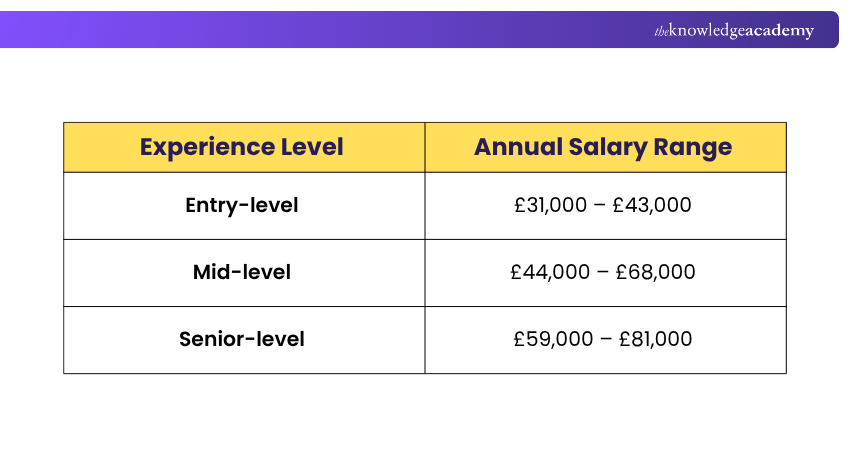
Experience can influence the salary of a Product Owner. Professionals who develop strong product knowledge, stakeholder management and prioritisation skills may have opportunities to progress into more senior positions.
Here's a breakdown of annual Product Owner salary ranges according to experience level:
Learn how to turn product priorities into meaningful progress by joining the Scrum Product Owner Certification Training today!
2) Product Manager Salary by Experience
Product Managers are equally important in guiding products through their lifecycle. They conduct market research, analyse customer requirements and develop strategies that support business objectives.
Let's look at the annual salary ranges for different experience levels:

Factors Affecting Product Owner and Product Manager Salaries
While location and experience play an important role in determining salaries, several other factors can influence how much Product Owners and Product Managers earn. Let's explore some of the key factors below:
1) Industry
Product Owners working in industries such as finance, healthcare and technology may earn higher salaries when their roles require specialised domain knowledge, regulatory awareness or complex product requirements. Their compensation often depends on the industry and the value of their expertise.
Product Managers may receive higher salaries in industries where product strategy, market competition and revenue growth are particularly important. Sectors such as technology and financial services may offer competitive compensation for professionals managing complex or commercially significant products.
2) Company Size and Product Complexity
Product Owners working in larger organisations or managing complex products may receive higher salaries due to increased coordination and stakeholder management requirements. However, compensation also depends on the organisation's budget and the responsibilities.
Product Managers responsible for complex products or working in larger companies may earn more due to broader strategic responsibilities. However, company size alone does not determine salary, as compensation also depends on organisational budgets, product maturity and the value of the role.
Trainer's Insight
Job titles alone do not determine salaries. A Product Owner managing a complex product may earn more than a Product Manager with narrower responsibilities. When comparing salaries, consider the scope of the role, decision-making authority and level of accountability.
3) Skills and Expertise
Strong skills in product backlog management, stakeholder communication, prioritisation and Agile practices can improve a Product Owner's career prospects. Professionals who understand technical requirements and consistently support product value delivery may also be considered for higher-paying positions.
Product Managers with expertise in market research, product strategy, data analysis and commercial decision-making may have greater earning potential. Their ability to identify market opportunities, evaluate product performance and guide product decisions can make them valuable to employers.
4) Qualifications and Certifications
Certifications such as the Scrum Product Owner can help demonstrate knowledge of Scrum and product ownership. While these credentials may strengthen job applications, they do not guarantee higher salaries, as employers also consider practical experience and demonstrated capabilities.
Relevant qualifications in business, technology or related fields can support a Product Manager's career development. Product management certifications and professional training may also demonstrate specialised knowledge, although their influence on salary varies according to employer expectations and proven experience.
Connect product vision with Agile innovation by signing up with the SAFe® Agile Product Management Training now!
5) Scope of Responsibilities
Product Owners responsible for complex product backlogs, coordinating with multiple stakeholders or supporting several Scrum teams may receive higher compensation depending on their level of accountability. The scope of product ownership responsibilities can vary between organisations, influencing salary expectations.
Product Managers responsible for product strategy, commercial performance or an extensive product portfolio may command higher salaries. Greater accountability for business outcomes, strategic decisions and product growth can increase the level of compensation associated with the role.
Pro Tip
Before negotiating your salary, identify measurable achievements such as improved customer retention, faster product delivery or increased product adoption. Use results that you directly contributed to when discussing your experience. Clear evidence of your impact can help strengthen your salary negotiation.

The Knowledge Academy develops accessible learning content across Project Management, IT, Cybersecurity, Data Science, Business Analysis, HR, Accounting and Finance, Leadership and Health and Safety. Its resources combine subject research with clear explanations to help professionals build practical knowledge across a wide range of disciplines.
View Detail

 If you wish to make any changes to your course, please


