


 Top Rated Course

We may not have the course you’re looking for. If you enquire or give us a call on 01344203999 and speak to our training experts, we may still be able to help with your training requirements.
Career in Project Management: A Detailed Look
David Evans 31 August 2026A Project Management Career combines planning, coordination, leadership and problem-solving across different industries. Professionals can progress from project support roles to managing projects.

Training Outcomes Within Your Budget!
We ensure quality, budget-alignment, and timely delivery by our expert instructors.
Table of Contents

Key Takeaways
1) Project Management requires a combination of technical understanding, communication and leadership skills.2) Professionals can develop through different levels of responsibility across projects, programmes and portfolios.3) Experience, industry and location can influence earning potential.4) Qualifications such as PMP, CAPM and other Project Management credentials can support career development.5) Project Management skills can be applied across industries such as IT, healthcare, construction and financial services.
Imagine you are already the person at work who keeps everyone on schedule.
You organise tasks, follow up on deadlines, communicate updates and step in when something is delaying the team. You may not have “Project Manager” in your job title, but several of those responsibilities already relate closely to Project Management.
A Career in Project Management can turn these abilities into a structured professional path. Project Managers work across industries to plan, execute and supervise projects, while experienced professionals can progress into programme, portfolio and senior leadership roles.
What is a Career in Project Management?
Project Management involves organising and managing a project's objectives, milestones, deliverables, timelines and budgets to support successful delivery. Project Managers are responsible for planning, executing and supervising projects across different domains.
A career in this field can therefore involve much more than creating project plans. Professionals may coordinate teams, communicate with stakeholders, monitor progress, manage risks and help projects remain aligned with their intended objectives.

What Does a Project Manager Do?
A Project Manager may be responsible for:
a) Defining project objectives
b) Identifying relevant stakeholders
c) Creating project plans
d) Organising tasks and timelines
e) Allocating resources
f) Leading and guiding project teams
g) Monitoring project progress
h) Managing risks and uncertainty
i) Reviewing deliverables
j) Recording lessons learned at project closure
Why Choose a Career in Project Management?
Project Management offers opportunities across different industries and levels of responsibility. Professionals can begin by supporting or coordinating projects and later progress towards managing projects, programmes or portfolios. Some reasons professionals may consider this career include:
1) Cross-industry Opportunities: Project Management skills can be applied across sectors including healthcare, construction, engineering, financial services and Information Technology.
2) Career Progression: Experience can lead to roles with greater responsibility, including Project Manager, Programme Manager, Portfolio Manager and senior organisational positions.
3) Transferable Skills: Communication, critical thinking, decision-making and leadership can be valuable across different projects and industries.
4) Leadership Exposure: As responsibilities grow, Project Management professionals may coordinate teams, stakeholders, resources and increasingly complex initiatives.
5) Earning Potential: Project Management is a field with competitive earning potential, although salary can vary according to experience, industry and location.
EXTRA INSIGHT
The importance of Project Management is beautifully expressed in this quote by Joy Gumz: “Operations keeps the lights on, strategy provides a light at the end of the tunnel, but Project Management is the train engine that moves the organisation forward.”
Skills Required for a Career in Project Management
For a successful Project Management career, you need a well-rounded skill set that includes both hard and soft skills, blending technical knowledge and an understanding of the business landscape. Let's explore these essential skills below:
1) Project Management Fundamentals: You should have a strong grasp of the Project Management’s basic concepts and tools. This includes understanding the project plan creation, stakeholder identification, and project risk management.
2) Communication: Effective communication, active listening, and the ability to motivate teams are crucial. These skills are often developed through experiences like peer collaboration, leading events, and debate participation.
3) Emotional Intelligence: This skill involves your own emotions and those of others. Regular self-reflection and seeking feedback can help you in emotional intelligence development.
4) Basic Technical Understanding: You don't need to be a technical expert, but having a basic understanding of the technical aspects of your project, such as development phases and testing procedures, is important. It helps you communicate effectively with the team and stakeholders.
5) Critical Thinking: Critical thinking is the key ability for logical thinking and identifying the root causes of problems. Pay attention to any assumptions you may be making and ensure your evidence-based decisions.
6) Decision-Making: Thoughtful decision-making is vital. Before making decisions, consider whether they should be made by you or the team and whether a unanimous or majority vote is required.
7) Influence: As a Project Manager or Project Coordinator, you'll need to inspire and persuade others. Understanding your team's individual goals and tying their contributions to a purpose that motivates them is key.
How to Start a Career in Project Management?
There is no single route into Project Management. A practical starting pathway can look like this:
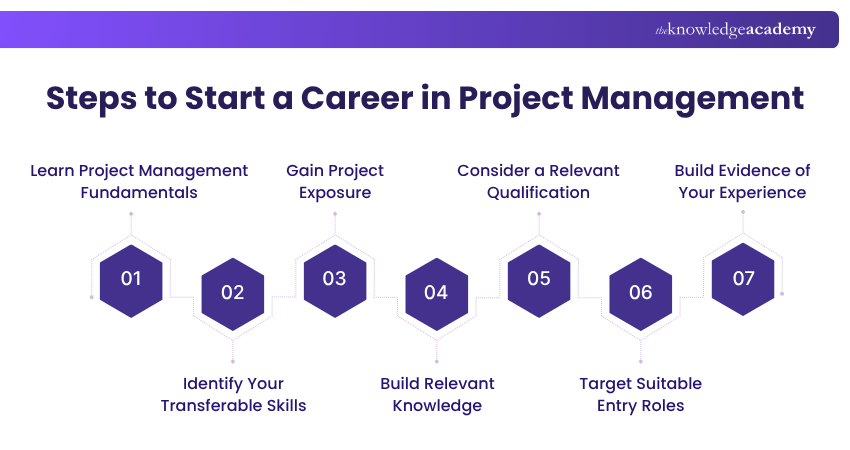
1) Learn Project Management Fundamentals: Build an understanding of project objectives, planning, stakeholders, timelines, budgets and risk.
2) Identify Your Transferable Skills: Consider where you have already demonstrated communication, organisation, decision-making, problem-solving or coordination. These examples can help show that you already have relevant capabilities.
3) Gain Project Exposure: Look for opportunities to support projects through work experience, internships or responsibilities within your current organisation. This can help you understand how projects operate in practice.
4) Build Relevant Knowledge: Develop your understanding of Project Management terminology, processes and the type of projects used in the industry you want to enter.
5) Consider a Relevant Qualification: Formal Project Management qualifications can help demonstrate structured knowledge and may support career progression.
6) Target Suitable Entry Roles: Project coordination and project support responsibilities can provide practical exposure to planning, communication and project delivery.
7) Build Evidence of Your Experience: Record the projects you contribute to, your responsibilities and the outcomes achieved.
Pro Tip
When describing project experience, focus on what you helped coordinate, improve or deliver rather than simply listing routine responsibilities.
Salary in the Project Management Field
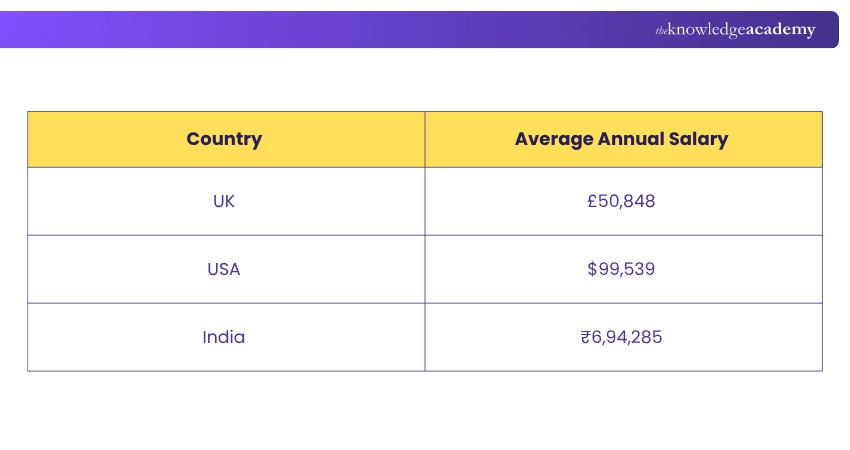
A Career in Project Management offers the potential for a rewarding financial future. On average, Project Management professionals can expect competitive compensation packages that are much better than those in other fields. Let's explore the average salary of a Project Manager across three major regions:
Key Factors Influencing the Salary
From location to experience, there are many factors that can affect your salary in a Project Management career. Let's explore some of them here:
a) Experience: Your level of experience directly affects your earning potential in a Project Management career. Entry-level professionals may start with modest salaries, but as you gain more years in managing complex projects, your value increases, often leading to significantly higher pay and leadership opportunities.
b) Industry: The industry you work in can significantly impact your salary. Certain sectors, such as IT, Engineering and Construction, tend to offer better pay due to the specialised skills and demands of projects within those industries.
c) Location: Your geographical location plays a significant role in determining your salary. Project Management professionals in major metropolitan areas and regions with a higher cost of living often receive more substantial compensation packages to accommodate the increased expenses.
Trainer’s Pro Tip
Don’t judge an opportunity by salary alone. Consider the project complexity, responsibilities and the experience it can give you for your next career move.
Build the next generation of project leaders with our range of Project Management Courses - Sign up now!
Project Management Career Paths
Project Management offers a career path with an abundance of opportunities across various industries and levels of responsibility. From initiating and executing projects to overseeing programs and portfolios, professionals can progress through several key roles. Here's an overview of prominent positions within the Project Management field:
1) Project Manager
Project Managers are responsible for project planning, executing, and closing. They ensure the alignment of project goals with organisational objectives, resource management, budgets and timeline maintenance.
2) Programme Manager
Programme Managers oversee a related project group, ensuring their alignment with the organisation's strategic goals. They manage project interdependencies, enable resource allocation, and risks and issue handling that may affect programme outcomes. The Programme Manager’s median salary is approximately £76,400.
3) Portfolio Manager
Portfolio Managers are responsible for Project Management and collection that align with the organisation's strategic objectives. They help in initiative prioritisation based on value and resource availability, ensuring optimal investment returns. Average salaries for Portfolio Managers are around £54,400.
4) Senior and Executive-level Roles
Experienced Project Management professionals may advance to senior roles such as Chief Operating Officer (COO). These positions involve strategic project portfolios and organisational operational oversight. PMO Directors earn median salaries of £82,700, while COOs average around £99,280 annually.
Drive organisational success with PMO best practices – Join our Project Management Office Fundamentals Certification today!
5) Industry-Specific Project Management Roles
Project Management Skills are applicable across diverse levels of industries, each offering unique roles including the following:
1) Healthcare
Project Managers may support initiatives involving healthcare IT, medical research or patient care systems. They can coordinate multidisciplinary teams, manage timelines and monitor project requirements. They may also support the introduction of new technologies, facilities or operational improvements across healthcare organisations.
2) Construction and Engineering
These professionals may oversee infrastructure or engineering projects while coordinating requirements such as schedules, resources, regulations and safety. They work with contractors, engineers, suppliers and other stakeholders to keep activities aligned. They may also monitor budgets, project risks and delivery milestones throughout the project lifecycle.
3) Financial Services
Project work may involve banking systems, financial products or regulatory initiatives. Project Managers can coordinate teams involved in technology upgrades, process improvements and organisational change. They also help monitor project risks, deadlines and stakeholder requirements throughout delivery.
4) Information Technology
IT Project Managers may coordinate software development, system integration or Cyber Security projects. They work with technical teams and business stakeholders to define requirements, manage schedules and monitor delivery. They can also support projects involving cloud migration, infrastructure upgrades and digital transformation.
5) Manufacturing
Project Managers in manufacturing may oversee product development, process improvement or production-related initiatives. They can coordinate engineering, operations and supply chain teams while monitoring costs, schedules and quality requirements. They may also support automation and technology implementation projects.
KEY INSIGHT
Common Project Management software used in manufacturing includes tools like MRPeasy, DELMIAWorks and Zoho Projects. These platforms can support production planning, scheduling, resource coordination, task tracking and project visibility.
6) Energy and Utilities
Project Managers may work on renewable energy, infrastructure, power generation or utility improvement projects. They can coordinate technical teams, contractors and stakeholders while managing budgets, schedules and project risks. They may also support projects involving sustainability, infrastructure upgrades and new energy technologies.
Sharpen your risk management skills with expert-led Project Risk Management Course - Register today!
Conclusion
A Career in Project Management can offer a clear route from project support and coordination towards managing projects, programmes, portfolios and wider organisational responsibilities. Building strong communication and critical thinking skills alongside practical experience and relevant qualifications can support long-term development in the field. With opportunities available across multiple industries, Project Management can provide a flexible career path for professionals at different stages.
Frequently Asked Questions
Will AI Replace Project Managers?

Artificial intelligence will not completely replace Project Managers, but it will automate routine administrative tasks like scheduling, data collection, and status reporting. This shift transforms the role from a tactical coordinator into a strategic leader, though fewer Project Managers may be needed overall as efficiency increases.
Can I Switch to Project Management From a Different Career?
Yes. Professionals can move into Project Management from other fields, particularly when they can show transferable experience in planning, coordination, leadership, communication and problem-solving. However, understanding the industry you want to enter can also be important because project environments differ between sectors.
Is a Project Management Certification Enough to Get a Job?
A certification can prove Project Management knowledge and boost professional profile, but it does not automatically guarantee employment. Employers may also consider practical experience, transferable skills, industry knowledge and the ability to showcase how you have contributed to projects.
Can I Become a Project Manager Without Prior Project Management Experience?
Yes. You can start by gaining project-related experience through your existing role, internships, volunteering or project support responsibilities. Experience coordinating people, deadlines, resources or deliverables can help demonstrate transferable Project Management skills when applying for entry-level opportunities.

David Evans


Certified Project Trainer and Agile Delivery Expert
David Evans brings over a decade of hands-on experience in project delivery, Agile transformation, and team leadership. With a background in technology and business consulting, David has led cross-functional teams through Agile and Waterfall projects in both public and private sectors. He combines technical knowledge with practical insights to help readers navigate the challenges of modern project environments.


 If you wish to make any changes to your course, please


