


 Top Rated Course

We may not have the course you’re looking for. If you enquire or give us a call on 01344203999 and speak to our training experts, we may still be able to help with your training requirements.
13 Best Stress Management Techniques for a Healthier Life
The Knowledge Academy 15 July 2026Stress Management Techniques are practical strategies that reduce anxiety, improve focus, and support emotional balance and overall well-being. Stress is a common part of life but learning how to manage it can improve mental and physical well-being. This helps individuals stay calm, focused, and balanced during challenging situations.

Training Outcomes Within Your Budget!
We ensure quality, budget-alignment, and timely delivery by our expert instructors.
Table of Contents
Have you ever felt overwhelmed by deadlines, responsibilities, or constant notifications? Whether from work, personal responsibilities, or unexpected life challenges, many people experience stress in their daily lives. This is why learning practical Stress Management Techniques can help you be calm, think clearly, and manage pressure in a healthier way.
Small habits can make a big difference in how we deal with stress. Techniques, such as mindful breathing, exercise, or better time management, can improve both mental and physical well-being. In this blog, you will explore useful Stress Management Techniques, types of stress, and more that can help you build a healthier life.
Table of contents
1) What is Stress Management?
2) Types of Stress
3) Signs and Symptoms of Stress
4) 13 Best Stress Management Techniques
5) What are the 5As of Stress Management?
6) Conclusion
What is Stress Management?
Stress is a common experience in our lives and learning how to manage it effectively is essential for maintaining our well-being. Stress Management involves adopting strategies and techniques to reduce the negative effects of Stress. By understanding the nature of stress and implementing appropriate management approaches, we can improve our resilience and overall quality of life.
Types of Stress
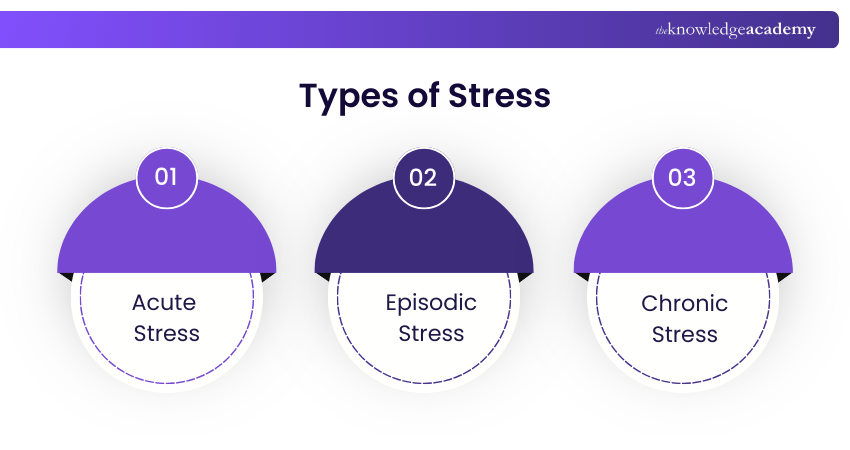
Recognising the types of stress can help you identify stress patterns and apply the right Stress Management Techniques to manage them effectively. Let’s look at the different types below:
1) Acute Stress
Acute Stress is a short spanning reaction to a challenging situation. It occurs when people face immediate pressure, such as meeting a deadline, preparing for an exam, or dealing with an unexpected event, such as a minor accident. Usually, this type of stress appears quickly and fades once the situation has passed.
2) Episodic Stress
Episodic Stress happens when someone experiences acute stress frequently. It is common among people who regularly deal with tight schedules, heavy workloads, or constant pressure in their jobs. Since stressful workplace situations occur repeatedly, it can become difficult for individuals to relax and maintain a calm state.
3) Chronic Stress
Chronic Stress is long-lasting and continuous. People who experience this type of stress feel constant pressure that does not easily go away. It can be caused by ongoing problems, such as financial difficulties, unhealthy relationships, or unsafe living conditions. If chronic stress continues for a long time, it can significantly affect both mental and physical health.
Build emotional awareness and manage your relationships effectively with Emotional Intelligence Training now!
Signs and Symptoms of Stress
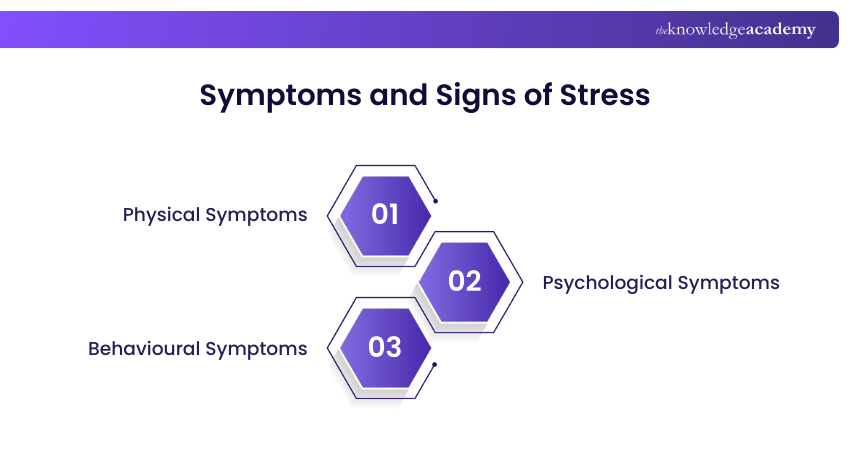
Stress triggers the body’s natural fight or flight response, which prepares the body to handle challenging situations. It affects functions, such as heart rate, breathing, and alertness. But stress symptoms can appear in different ways. Let’s look at them below for insight:
1) Physical Symptoms
Stress affects the body first because the body remains in a constant state of alertness. When stress continues for long periods, muscles become tense, and the body uses more energy. This can lead to noticeable physical discomfort and health issues.
Common Physical Symptoms Include:
1) Aches and body pain
2) Headaches or dizziness
3) Muscle tension or jaw clenching
4) Trouble sleeping or constant tiredness
5) Chest discomfort or rapid heartbeat
2) Psychological Symptoms
Stress affects emotions, mood, and mental clarity. When the mind is under pressure for a long time, it becomes harder to think clearly or stay emotionally balanced. Here, people feel overwhelmed by situations that normally feel manageable.
Common Psychological Symptoms Include:
1) Anxiety or constant worry
2) Irritability or frustration
3) Feelings of sadness
4) Depression
5) Panic attacks
3) Behavioural Symptoms
Stress can change a person’s habits and behaviour. Some people develop unhealthy coping patterns while trying to deal with pressure. These behaviours may provide relief in the short-term but can negatively affect long-term health.
Common Behavioural Symptoms Include:
1) Smoking or increased alcohol use
2) Overeating or unhealthy eating habits
3) Excessive internet browsing or shopping
4) Gambling or other addictive behaviours
5) Substance misuse
Discover how emotions and social interactions shape thinking, behaviour, and decision-making with Introduction to Emotional and Social Embodied Cognition Training today!
13 Best Stress Management Techniques
Managing stress does not always require major lifestyle changes. Simple daily habits and mindful practices can help individuals stay calm and balanced even during challenging situations. Let’s look at the Stress Management Techniques that support mental well-being and help people manage pressure in a healthier way below:
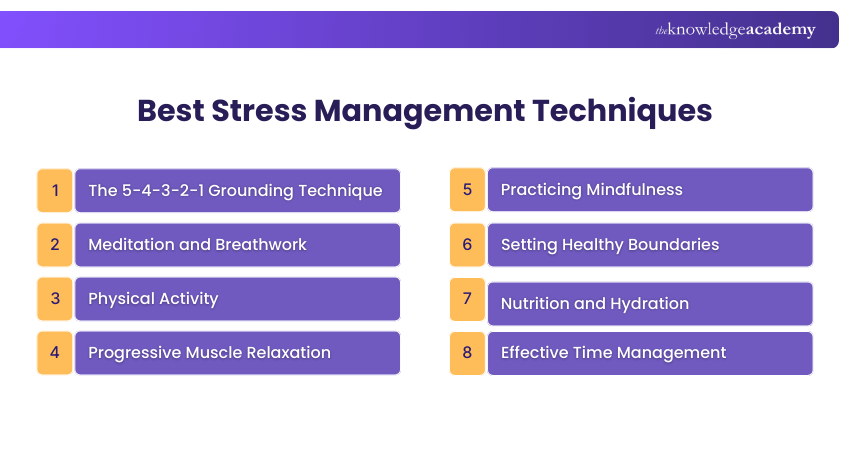
1) The 5-4-3-2-1 Grounding Technique
The 5-4-3-2-1 grounding technique is a simple mindfulness exercise that helps bring attention back to the present moment. It works by focusing on your senses. First, identify five things you can see, four things you can feel, three things you can hear, two things you can smell, and one thing you can taste. This method can be useful for calming the mind and reducing anxiety.
2) Meditation and Breathwork
Deep breathing involves taking slow, controlled breaths while focusing on inhaling and exhaling, helping to calm the body and reduce stress symptoms. Also, meditation helps by focusing the mind and reducing negative thoughts, thereby supporting relaxation and emotional balance.
3) Physical Activity
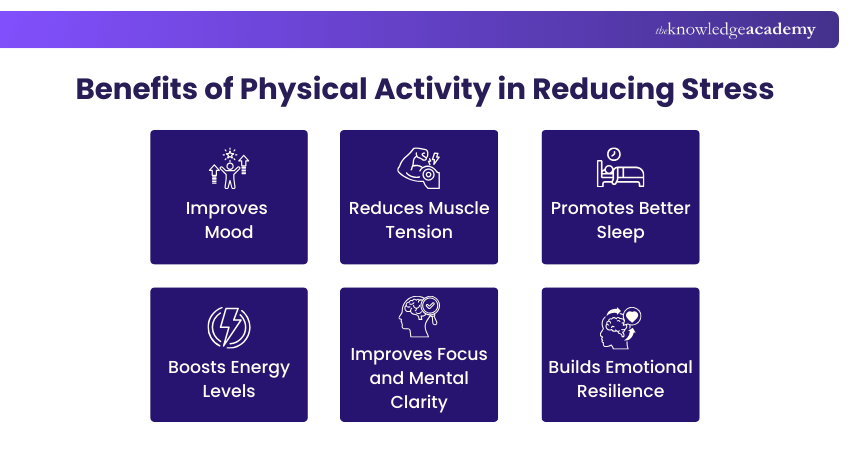
Exercising is not just beneficial for physical health but also for effectively managing Stress. Engaging in regular physical activities results in the release of endorphins, which can be defined as natural mood-boosting hormones. Find activities you enjoy, whether it's going for a walk, practising yoga, or playing your favourite sport, and make them a part of your routine.
4) Progressive Muscle Relaxation
Progressive muscle relaxation means to systematically tense and then release various muscle groups in the body. By progressively relaxing each muscle group, including the muscles of mastication, individuals can achieve deep relaxation, relieve muscle tension, and effectively reduce stress.
5) Practicing Mindfulness
Mindfulness is a mental relaxation practice that focuses on being fully present in the moment. It means to observe your thoughts and emotions without judgment. Practices, such as mindfulness meditation, mindful eating, or simply focusing on your breath, can help improve self-awareness and manage stress more calmly.
6) Setting Healthy Boundaries
Healthy boundaries in personal and professional relationships is essential for managing stress. Learning to say no, setting limits on commitments, and prioritising self-care are crucial aspects of setting boundaries and preventing excessive stress. Clear boundaries help protect personal time and maintain a healthy balance between responsibilities and well-being.
7) Nutrition and Hydration
Nutrition and hydration play an important role in managing stress and maintaining overall health. A balanced diet must include proteins, healthy fats, carbohydrates, and essential vitamins helps support energy levels and brain function. This helps the body cope with stress more effectively.
Learn effective techniques to control anger, respond calmly, and build healthier relationships with Anger Management Training now!
8) Effective Time Management
Effective time management helps individuals prioritise tasks, set realistic goals, and organise their schedules. It reduces feelings of being overwhelmed and supports a better work-life balance by allowing time for breaks and important activities. This leads to improved focus and helps people complete tasks more efficiently.
9) Reach Out and Connect to Others
Spending time with positive people can help reduce stress and improve emotional well-being. Talking to friends or family members allows individuals to share their feelings and feel understood. This helps to calm the body and improve resilience during difficult situations.
10) Prioritise Quality Sleep
Quality sleep is essential for managing stress and maintaining good health. Adults should sleep around seven to eight hours each night to allow the body and mind to recover. Creating a quiet and comfortable sleeping environment and avoiding screens before bedtime will help improve sleep quality and support overall well-being.
11) Practicing Self-love
Practicing self-love helps reduce stress and improve emotional well-being. Simple activities, such as reading, listening to music, journaling, or spending time in nature, can help the mind relax and recharge. Regular self-care also supports a healthier and more balanced lifestyle.
12) Seeking Professional Help
If stress begins to affect daily life, seeking professional help can be beneficial. Therapists or counsellors can provide guidance, support, and practical coping strategies. It is suggested to talk to a trusted professional to help manage stress and handle challenging situations more effectively.
13) Thought Patterns and Establishing Individual Space
Managing stress involves recognising situations that trigger stress and understanding their causes. Techniques, such as cognitive restructuring, help individuals identify negative thoughts and replace them with more positive and realistic thinking, supporting a healthier mindset.
Build a positive mindset that helps you overcome challenges and achieve your goals with Building an Empowering Mindset Training now!
What are the 5As of Stress Management?
The 5As of Stress Management is a simple framework that helps individuals deal with stressful situations more effectively. It encourages people to either change the stressful situation or change how they respond to it. Let’s look at them below:
1) Avoid: Identify situations, tasks, or people that create unnecessary stress and try to avoid them when possible. This may include limiting commitments or learning to say no.
2) Alter: If a stressful situation cannot be avoided, try to change it. This may involve communicating your needs clearly, adjusting responsibilities, or finding practical solutions.
3) Adapt: Adapt by changing your perspective towards stress. Adjust expectations, focus on positive thinking, and develop a flexible mindset to manage challenges more calmly.
4) Accept: Some situations cannot be changed or controlled. Accepting these situations and focusing on coping strategies, such as seeking support or practising mindfulness.
5) Act: Take positive action to improve your well-being. Healthy habits like regular exercise and proper sleep can help manage stress and build resilience.
Conclusion
Stress is a part of everyday life, but how we respond to it makes a big difference to our health and well-being. Applying Stress Management Techniques can help individuals reduce pressure and maintain better balance in their lives. Developing these techniques not only helps manage daily challenges but also supports a healthier and more positive lifestyle over time.
Unlock your potential and build the skills needed for personal and professional growth with Personal Development Courses – Join now!
Frequently Asked Questions
What are Simple Stress Relief Techniques at Home?

Simple stress relief techniques at home include deep breathing, light exercise, journaling, and listening to music. Also, activities such as stretching, aromatherapy, or spending time with pets can help calm the mind.
How can Students Manage Academic Stress?
Students can manage academic stress by breaking tasks into smaller steps and following a clear daily schedule. Also, getting enough sleep, exercising, and taking regular study breaks can improve focus.

The Knowledge Academy


Global Training Provider
The Knowledge Academy is a world-leading provider of professional training courses, offering globally recognised qualifications across a wide range of subjects. With expert trainers, up-to-date course material, and flexible learning options, we aim to empower professionals and organisations to achieve their goals through continuous learning.


 If you wish to make any changes to your course, please


