


 Top Rated Course

We may not have the course you’re looking for. If you enquire or give us a call on 01344203999 and speak to our training experts, we may still be able to help with your training requirements.
What is Sports Psychology: A Complete Guide
The Knowledge Academy 16 July 2026Sports psychology is a specialisation that studies the psychological factors affecting performance and how participation in sports affects psychological health. It also improves focus, motivation, resilience, anxiety management, team dynamics, rehabilitation, and overall mental well-being, enhancing consistency and long-term performance.

Training Outcomes Within Your Budget!
We ensure quality, budget-alignment, and timely delivery by our expert instructors.
Table of Contents

Sports psychology delves into the impact of mental state, feelings, and psychological factors on sports performance. It is a method that enables sportsmen to be like mentally tough and to have good emotional management and motivation during the most demanding situations. Knowing its concepts and categories gives rise to the topics discussed in this blog.
Table of Contents
1) Understanding of Sports Psychology
2) Types of Sports Psychologists
3) Uses of Sports Psychology
4) How to Become a Sports Psychologist?
5) What are the Three Major Topics in Sports Psychology?
6) What Services Can an Exercise and Sport Psychology Professional Provide?
7) Conclusion
Understanding of Sports Psychology
Sports psychology is a field of study that investigates the interactions of psychological aspects like attention, driving, stress and ability to cope with difficulties, and athletic performance and physical activity. It also plays a vital role in the lives of the athletes, and those who exercise regularly, by improving their focus, decreasing their stress, and making their participation in sports more enjoyable.
Furthermore, it looks into the aspect of mental health and overall wellness that is promoted through physical activities. People who put into practice sports psychology techniques are capable of reinforcing their mental strength, keeping their motivation up, and forming performance and psychological health supportive habits in the long run.

Types of Sports Psychologists
Different athletes have different Sports Psychology needs and different ways to access them. Let's have a detailed view of the different types of Sports Psychologists that cater to their needs:
Clinical Sports Psychologist
These are licensed professionals who are psychologists and assist athletes who have mental health problems including anxiety, depression or eating disorders. They integrate sports and clinical therapy.
Educational Sports Psychologists
They emphasise mental abilities such as concentration, confidence and motivation. They usually deal with coaches and athletes to improve performance by means of psychological training.
Aid in creating a safe space for everyone around you with our Mindfulness Training - Sign up now!
Uses of Sports Psychology
Let us now have a look at some of the benefits of Sports Psychology:
(image suggestion)
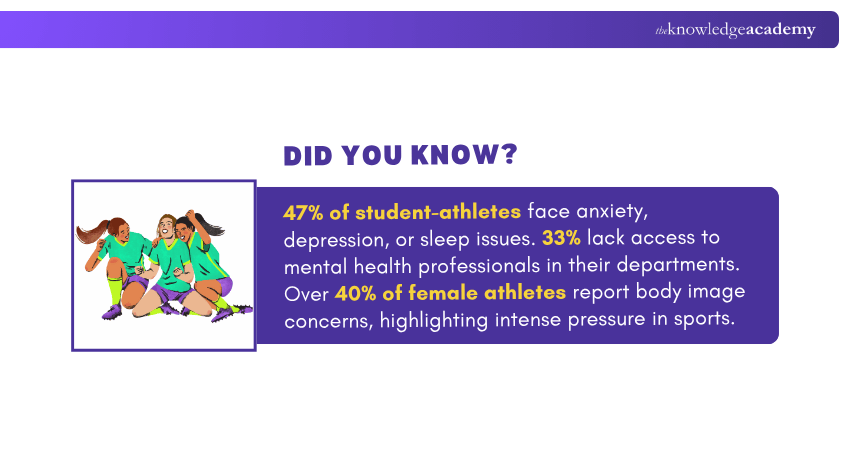
1) Enhancing Focus
Sports Psychology trains athletes to be more focused and learn to cope with distractions, establish mental toughness, and stay conscious of the present moment. This increased focus results in improved performance, faster decision making, and increased capability to remain calm when faced with pressure.
2) Mental Toughness
The mental toughness also comes through Sports Psychology that helps athletes deal with stress and defeat as well as remain confident when facing pressure. It improves emotional control, concentration, and stability which makes the individual act consistently even under situations of high stakes or when faced with tough competition.
Learn to manage stress mindfully and build resilience with our Handle Stress And Develop Your Resilience Training - Register now!
3) Visualisation and Goal Setting
The mental preparation of athletes is done by the visualization and goal setting, which let them see through their minds the successful performance and targeting the proper, easy to achieve, and the like. Such skills have a positive impact on the athletes' attention, self-assurance, and drive, thus making them ready for a training session or a competition.
4) Motivation and Team Building
Sports Psychology enhances motivation by creating a winning mentality by aligning personal and business objectives. It empowers team building based on communication, trust, and shared purpose, improves team cohesiveness and morale, and group performance in the face of competition.
5) Anxiety
Sports psychology supports athletes to identify and cope with the anxiety that impacts their concentration, self-assurance, and overall performance. Breathing control, relaxation, and mental reframing techniques assist in achieving a quieter and steadier performance even in the most stressful situations.
6) Rehabilitation
Rehabilitation support in sports psychology deals with the mental healing which comes along with physical healing. It is a great support for athletes in keeping their motivation high, dealing with the downfalls and building their self-esteem once again during the process of returning to training and competing.
Learn how you can prevent psychological distress that can lead to extreme adversities - Sign up for our Prevention Psychology Training now!
How to Become a Sports Psychologist?
Thinking of turning your passion for sport and the mind into a career? Becoming a Sports Psychologist is a rewarding path, but it does take dedication and the right steps. Here’s how to get started:
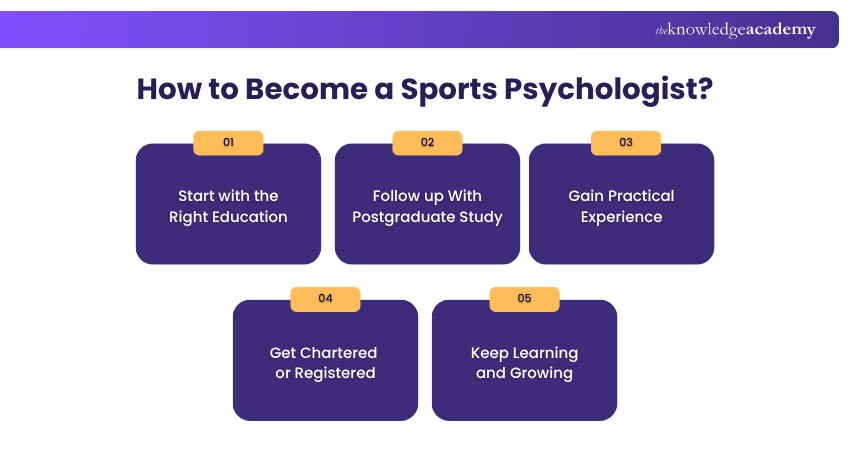
1) Start with the Right Education
You’ll need a degree in psychology first; this is your foundation. Most people in the UK go for the one that’s accredited by the British Psychological Society (BPS).
2) Follow up With Postgraduate Study
After your degree, you’ll need a master’s in sport and exercise psychology or a related field. This is where you’ll dive deeper into the mental side of performance and wellbeing.
3) Gain Practical Experience
Look for internships, volunteer roles, or assistant positions with sports teams, gyms, or mental health clinics. Real-world experience is key to building your skills and confidence.
4) Get Chartered or Registered
In the UK, becoming a Chartered Psychologist through the BPS or registering with the Health and Care Professions Council (HCPC) is essential to practise legally and professionally.
5) Keep Learning and Growing
Sport never stands still and neither does psychology. Keep up with the latest research, attend workshops, and stay curious. The more you learn, the better support you can offer your clients.
What are the Three Major Topics in Sports Psychology?
Sports Psychology focuses on three key areas: performance enhancement, which includes mental strategies to improve focus and confidence; mental health, addressing stress, anxiety, and motivation; and team dynamics, which explores leadership, communication, and group cohesion to optimise teamwork and success.
What Services Can an Exercise and Sport Psychology Professional Provide?
Exercise and Sport Psychology professionals offer services like mental skills training to enhance focus and confidence, stress and anxiety management for better performance, goal setting and strategies, injury recovery support, and team-building workshops to improve communication, leadership, and group cohesion in sports settings.
Conclusion
Sport Psychology plays an important role in their performance and the overall health of the athlete; it is a strong area of influence. The application of the principle has individuals handling pressure, maintaining motivation, and developing their self-esteem. They can succeed in the sport for a long time if they are guided properly.
Strengthen your mental resilience with our Positive Psychology Course – Start today!
Frequently Asked Questions
How Does Sports Psychology Help Athletes?

Sports Psychology helps athletes improve focus, boost confidence, manage stress, and develop mental resilience. It enhances motivation, refines goal-setting, and strengthens emotional control, allowing athletes to perform at their best under pressure. Techniques like visualisation, mindfulness, and mental conditioning contribute to peak performance.
Can Sports Psychology Help with Injury Rehabilitation?
Yes, Sports Psychology plays a crucial role in injury rehabilitation by helping athletes cope with frustration, fear, and setbacks. It provides mental strategies to stay motivated, rebuild confidence, and manage pain. Techniques like visualisation, relaxation, and goal setting aid in recovery, ensuring athletes maintain a positive mindset and return to peak performance.

The Knowledge Academy


Global Training Provider
The Knowledge Academy is a world-leading provider of professional training courses, offering globally recognised qualifications across a wide range of subjects. With expert trainers, up-to-date course material, and flexible learning options, we aim to empower professionals and organisations to achieve their goals through continuous learning.


 If you wish to make any changes to your course, please


