


 Top Rated Course

We may not have the course you’re looking for. If you enquire or give us a call on 01344203999 and speak to our training experts, we may still be able to help with your training requirements.
Top 15+ Event Manager Skills You Need to Succeed
James Smith 16 July 2026Event Managers must balance creativity with structure while leading teams under pressure. Essential Event Manager Skills include planning, organisation, negotiation, budgeting, leadership, adaptability, and maintaining client-focused relations. They also require strong communication to coordinate teams and manage expectations.

Training Outcomes Within Your Budget!
We ensure quality, budget-alignment, and timely delivery by our expert instructors.
Table of Contents

Event Management goes far beyond gathering people for a launch or conference. It involves detailed planning, coordination, and execution to make an event truly successful. Without the right Event Manager Skills, even the basics can become challenging to manage.
The industry’s fast-paced and ever-changing nature makes it essential for professionals to build a strong skillset. If you're aiming to excel in this field and deliver memorable events, you’re in the right place. Read on to discover the key Event Manager Skills you need to succeed.
Table of Contents
1) What are Event Manager Skills?
2) List of Essential Event Manager Skills
3) How to Highlight Event Manager Skills
4) What are the Seven Key Elements of Event Management?
5) What is the Skills Matrix in Event Management?
6) Conclusion
What are Event Manager Skills?
Event Manager Skills are the abilities needed to plan, organise, and run events successfully. These include time management, budgeting, communication, and problem-solving to ensure smooth event execution. Multitasking and attention to detail are also crucial in handling multiple responsibilities.
Creativity helps in designing engaging event experiences, while leadership ensures effective team coordination. Strong interpersonal and negotiation skills support good relationships with clients and vendors. Together, these skills enable event managers to deliver memorable and well-organised events.
List of Essential Event Manager Skills
Here are a few important Event Manager Skills every Event Manager must possess to build a strong career in the Event Management industry:
1) Communication
Effective Communication is essential in any business, including Event Management. It helps build relationships with clients and partners, ensures everyone understands their responsibilities, and keeps projects on track. Communication can be verbal, written, or nonverbal and occurs through various channels like messages, emails, and calls.
It's also crucial to use all communication mediums effectively, especially in international projects where language differences can lead to misunderstandings. Moreover, clear communication is vital when managing less experienced teams, like volunteers, to ensure they understand their roles and tasks.
2) Organising Yourself and Others
Effective event and self-management are key skills every event manager must master. While the goal is always a flawless event, reality often brings unexpected challenges. Quick, efficient problem-solving is essential to minimise disruptions and keep things on track. For example, issues like a broken registration form or last-minute venue closure can derail plans without prompt action.
Unforeseen events such as extreme weather or server outages can also threaten an event's success. Experienced managers prepare for such scenarios by anticipating risks and developing contingency plans in advance. This proactive approach not only reduces stress but also ensures the event runs smoothly, reassuring clients and maintaining professional credibility.
3) Creativity
Creativity is the ability to come up with and use new ideas to solve problems or introduce something new. For Event Managers, creativity is essential because every event is different and may need unique themes, staffing, or budgets. Event Managers use creativity to design special atmospheres for events that fit the client's preferences. This includes deciding on decorations, Floristry, schedules, and seating arrangements.
Learn the skills to succeed in Events by signing up for our Event Management Course now!
4) Effective Negotiation
Event Managers often negotiate with suppliers to secure the best deals for their clients. Although not the most exciting task, having strong Negotiation Skills is crucial for improving profit margins and accommodating unexpected costs.
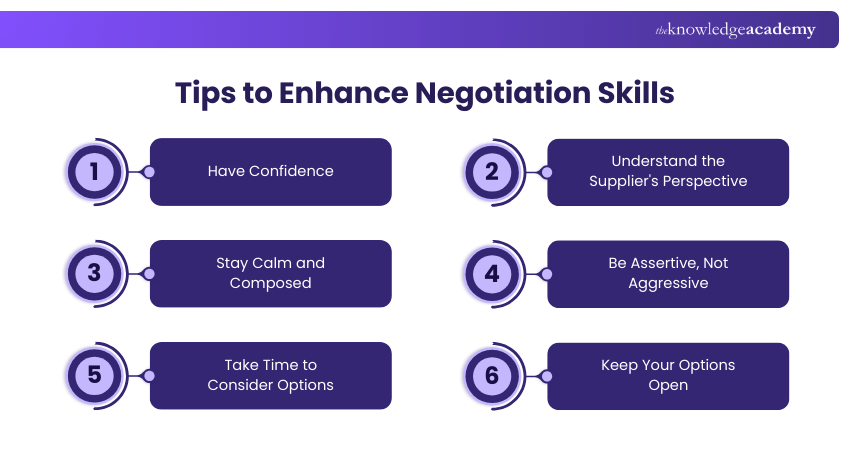
Negotiating is both an art and a skill that requires excellent communication. Being able to confidently discuss pricing and understand supplier expectations enhances your ability to secure favourable terms. Effective negotiation can lead to significant cost savings by securing better rates on rentals and services. Here are six tips to enhance your negotiating skills:
5) Stress Management
Managing stress effectively is crucial for both the event coordinator and their team. Stress can come from the demands of the job, personal life, and workplace pressures. Effective Stress Management involves implementing strategies that address all these areas.
It's important to take regular breaks and disconnect from work to cope with long hours and tight deadlines and manage stress. Proper planning from the start can help avoid stressful situations. Here are some strategies to manage stress better:
6) Problem-solving Skills
Event planning is unpredictable and fast-paced, requiring quick thinking and effective problem-solving. Even with precise planning, things can go wrong. Utilising Event Planning Tools helps in quickly devising creative solutions to unexpected problems, ensuring the event's success.
7) Leadership Skills
Leadership Skills in Event Management include inspiring and coaching teams, strong organisational abilities, and effective communication.

Event Managers use these skills to lead and motivate their teams, assign tasks, manage vendors like caterers, and handle scheduling conflicts.
Enhance your self-confidence and assertiveness by joining our Introduction to Management Course now!
8) Budgeting
Budgeting Skills are crucial for Event Managers to plan events within strict financial limits. These skills help manage costs, track ticket sales and attendance, and cover unexpected expenses. For example, an Event Manager might adjust ticket prices to cover unexpected catering costs, ensuring the event stays within Budget.
9) Interpersonal Skills
Interpersonal skills enable effective interaction with others, making them essential for Event Managers who often work in teams and negotiate with vendors. These skills involve clear communication, attentive listening, and professional confidence, which help in building relationships and setting expectations. For instance, an Event Manager might use their interpersonal abilities to forge a relationship with a new catering company to secure lower costs.
10) Industry Knowledge
Industry knowledge is essential for Event Managers as it helps them understand various event types and manage them effectively. For instance, an Event Manager experienced in planning banquets will know the right amount of food to order, reducing costs and waste.
11) Critical Thinking and Attention to Detail
Attention to detail involves using your cognitive abilities to focus efficiently and accurately on specific tasks. This skill requires critically examining details, avoiding distractions, and prioritising what's important. Clients often gauge the success of an event based on attention to detail. Excelling in this area can elevate your event from good to great, leading to client satisfaction and repeat business.
12) Networking Skills
Networking is a necessary component of the modern event manager’s toolkit as communication with suppliers, sponsors, and potential customers takes place within the framework of events.
This creates a strong backing and can easily win better deals, gain special privileges, and guarantee future Business. Networking also brings in more business opportunities and keeps the event manager INFORMED with better ways of organising an event.
13) Research Ability
That is why research is critical for event managers to remain relevant, identify the best suppliers, and guarantee that every detail of an event will be world-class. They must do extensive market analysis on the possible site, communication and Information Technology Systems, food services, and other forms of entertainment appropriate to each occasion.
Thus, it is also a useful way to gain insights about the target audience: what they want, how you can attract them and succeed in the management of an appealing and interesting event. Appropriate research allows the event to fulfill not only the need of a client but also the expectations of the audience as well.
Learn how to excel as a manager by registering for our Management Training for New Managers Course now!
14) Time Management Skills
Time is everything in Event Management. From the moment planning begins to the final guest leaving the venue, every second counts. A skilled Event Manager knows how to prioritise tasks, build efficient timelines, and delegate effectively to stay on track. This includes planning for contingencies, setting internal deadlines ahead of final ones, and ensuring that vendors, staff, and venues all align with the event schedule.
Great Time Management is not just about ticking tasks off a list. It's about keeping multiple moving parts in motion without losing control. An Event Manager with strong Time Management Skills reduces last-minute stress, keeps clients confident, and ensures the event runs like clockwork.
15) Client-centric Approach
A client-centric approach means actively listening to the client’s ideas, understanding their expectations, and translating those into tangible results. This involves regular check-ins, transparent communication, and a willingness to adapt plans to meet changing needs.
Event Managers who put the client first create personalised experiences that resonate. Whether it's a corporate product launch or a private wedding, attention to the client's style, preferences, and budget is what sets a great event apart from an average one. This skill also builds long-term relationships and leads to repeat business, glowing referrals, and brand trust.
16) Technical Skills
Technology is now at the heart of modern event planning and execution. Event Managers must be comfortable using a range of digital tools. Understanding how to use event tech effectively allows managers to streamline logistics, improve attendee experience, and respond quickly to issues.
For in-person events, technical skills also include handling AV equipment, coordinating lighting and sound teams, and managing tech-related risks such as connectivity issues. In hybrid and virtual formats, this becomes even more essential. Being tech-savvy helps event managers reduce disruptions, deliver high-quality presentations, and ensure smooth collaboration with vendors and tech teams.
How to Highlight Event Manager Skills
Event management is a dynamic role that requires a mix of planning, creativity, communication, and leadership. Here’s how to effectively highlight your Event Management strengths at each stage of the job application process:
On a Resume
1) Use strong action verbs like coordinated, organised, and executed.
2) Quantify achievements: “Managed a £40K event with 500+ guests.”
3) List key skills under a dedicated section.
4) Tailor your CV to the job description.
In a Cover Letter
1) Start with enthusiasm for the role or company.
2) Share a quick story that shows your value.
3) Focus on results and how your skills benefited past events.
4) Show how you align with the company’s needs.
During a Job Interview
1) Use real examples to show your skills in action.
2) Follow the Situation, Task, Action, Result (STAR) method.
3) Highlight planning, teamwork, problem-solving, and client focus.
4) Show confidence and adaptability under pressure.
What are the Seven Key Elements of Event Management?
The seven key elements of Event Management include event planning, budgeting, venue selection, logistics, marketing, Risk Management, and evaluation. Each plays a vital role in delivering a successful event. Planning sets the foundation, budgeting ensures financial control, and venue selection determines the atmosphere.
Logistics handles behind-the-scenes coordination, while marketing attracts attendees. Risk management prepares for unexpected issues, and evaluation helps improve future events. Together, these elements ensure every aspect of an event is well thought out and executed smoothly.
What is the Skills Matrix in Event Management?
A skills matrix in Event Management is a tool that maps team members’ strengths, abilities, and responsibilities across various tasks. It helps event managers identify who is best suited for roles like vendor coordination, budget control, technical support, or guest experience.
This ensures that tasks are assigned efficiently, gaps in skills are recognised early, and the entire team works in sync toward the event’s success.<
Conclusion
Event Managers play a crucial role in organizing and executing events seamlessly. A well-structured Event Management Process is vital to ensuring smooth operations, from planning and budgeting to execution and evaluation. Strong Event Planning Skills are essential as they need to plan, organize, manage budgets, negotiate with vendors, and lead diverse teams. Mastering these Event Manager Skills can significantly enhance success in the field.
Shape your future manager persona - Start learning from our Management Courses today!
Frequently Asked Questions
What are the Responsibilities of an Event Manager?

Event Managers are responsible for planning, organising, and overseeing all aspects of an event. They handle logistics like selecting venues, coordinating vendors, managing budgets, and supervising staff to ensure everything runs smoothly and meets client expectations.
Does an Event Organiser Need Good Personal Skills?
Yes, an event organiser needs strong personal skills, such as communication, leadership, and problem-solving. These skills are essential for managing teams, negotiating with vendors, addressing client needs, and handling unforeseen challenges, ensuring the event runs smoothly and meets expectations.

James Smith


Digital Marketing Manager and Trainer
James Smith is a digital marketing professional with over a decade of experience in SEO, content strategy, paid media and analytics. He has supported both SMEs and global brands in transforming their digital presence. James’s writing and training are rooted in results-driven tactics and the latest marketing trends.
View Detail

 If you wish to make any changes to your course, please


