




We may not have the course you’re looking for. If you enquire or give us a call on 01344203999 and speak to our training experts, we may still be able to help with your training requirements.
Top 10 Alternative Social Media Platforms to Consider: An Overview
ByJames SmithLast updated on: 10 October 2026
Alternative social media platforms refer to the services that act as alternatives to mainstream social media platforms like Facebook, Twitter, and Instagram. They include Lemon8, Locket, Nextdoor and more. They offer features like decentralised networks and privacy-focused communities.
The Rundown
1. Alternative social media platforms give users more choice beyond major mainstream networks.2. Some focus on privacy and smaller communities, while others prioritise decentralisation or open protocols.3. Visual-first platforms such as Lemon8 and Pixelfed are built around content discovery and photo sharing.4. Community-focused options such as Nextdoor and Locket support more local or personal interactions.5. Platforms like Bluesky, Mastodon and Minds offer different approaches to openness, moderation and network control.
Are you tired of the same old feeds? Is the same old design aesthetics and functionality turning your social media experience mundane? Are you trying out something new? Then, there's good news for you. Thanks to the innovative nature of this landscape, fresh alternative social media platforms have emerged, each offering its own distinct features and vibrant communities.
This blog brings you a curated list of top alternative social media platforms to join. Read on, discover these hidden gems and pick the ones that will put a new shine on your digital adventures.
List of Popular Alternative Social Media Platforms
Alternative social media refers to social networking platforms that offer a different experience from major mainstream networks. They give users more options for how they connect, share content, and participate in online communities. They serve different audiences and purposes, from decentralised networking and privacy-focused communities to visual sharing and local interaction.
Let's have a look at these alternative social media platforms to learn how they cater to our evolving needs:
1) Lemon8
Lemon8 is a lifestyle-focused social platform centred on visual content and discovery. Forget endless scrolling as curated grids showcase gorgeous photos and short videos on topics like fashion, beauty, food, and travel.
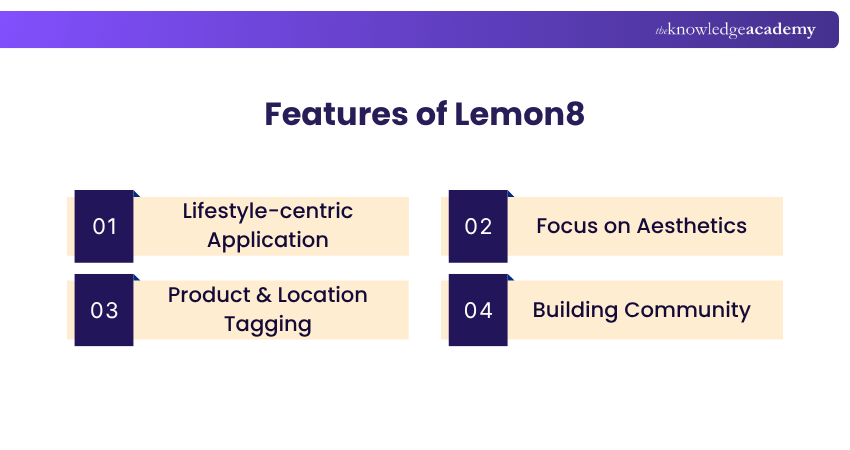
Think of outfit inspiration, Do It Yourself (DIY) recipes, stunning travel diaries, all presented in a vibrant, magazine-like format. Creators can share product recommendations and related details within their posts and the ‘For You’ page feed recommends personalised content based on user interests. It's a breath of fresh air in the social media storm, ideal for finding inspiration, building communities, and adding a touch of lemon zest to your digital life.

2) Locket
Forget the endless feed; Locket is a tiny window into your closest friends' lives. This widget app lets you share everyday moments with just your chosen squad. Snapped a silly selfie or caught a gorgeous sunset? Send it! Photos instantly appear on your friends' home screens, like digital glimpses into each other's day.
Users can react to photos and leave comments. Locket keeps it real, intimate, and designed around close connections rather than follower counts. It's like sending tiny love notes through your phones, reminding you that even miles apart, you're connected by shared moments.
3) Bluesky
Bluesky is an open social networking platform built on the AT Protocol (atproto). It provides a familiar microblogging experience while giving users greater choice over feeds and moderation tools. Users can publish posts, follow accounts, join conversations and choose customised feeds based on their interests.
Unlike conventional closed social networks, Bluesky is built around an open protocol that allows developers to create compatible applications and services. This makes it a notable alternative for people interested in open and interoperable social networking.
Did You Know?
Bluesky lets users use a domain they own as their account handle. For example, an organisation can use its website domain as part of its social identity rather than relying only on a platform-issued username.
4) Nextdoor
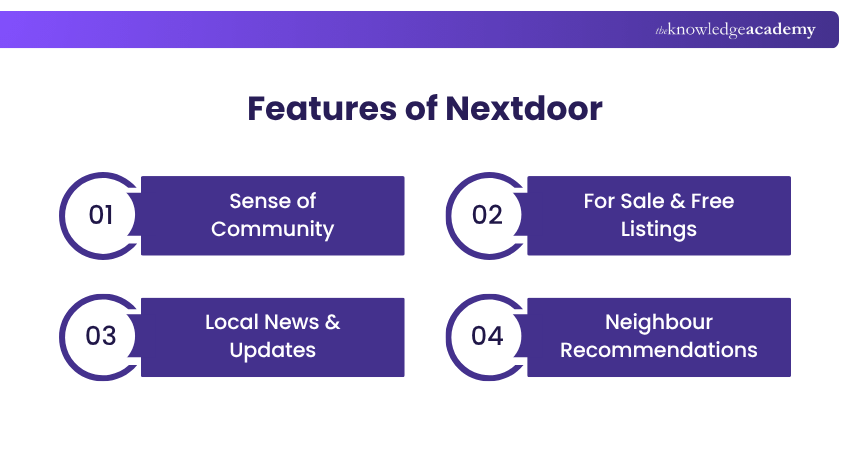
Forget the global village; Nextdoor is a social network that connects neighbours, fostering a sense of community right outside your door. Need a babysitter recommendation? Ask!
Lost a pet? Post a picture! Neighbours share local news, organise events, recommend local businesses, and list items for sale or for free. It's a digital bulletin board for your block, buzzing with helpful tips, friendly faces, and the occasional lost cat saga. It can help users stay informed and connect with people in their local community.
5) Minds
In the vibrant circus of social media, Minds stands out as a curious tent brimming with free speech and blockchain intrigue. This open-source platform supports a wide range of lawful expression under its content policies and includes a community-based appeals process.
It appeals to users interested in open discourse, alternative viewpoints, and creator monetisation. Minds offers token-based rewards for eligible contributions and engagement and allows content creators to directly monetise their work. Think digital tips for insightful rants or virtual applause for viral memes.
Plan, manage, and measure effective influencer campaigns with our Influencer Marketing Course – Register today!
6) MeWe
MeWe is a privacy-focused social networking platform that gives users greater control over their data, content and online interactions. It supports personal feeds, private messaging, groups and interest-based communities, allowing people to connect and share content without relying on targeted advertising based on behavioural tracking.
The platform has also been moving towards decentralised social networking infrastructure, with an emphasis on user ownership and cross-platform flexibility. This makes MeWe a suitable alternative for users looking for a more privacy-oriented social media experience.
7) BitChute
BitChute is a video-sharing social media platform that has gained popularity as an alternative to mainstream video hosting platforms. It's known for its commitment to free speech and a strong emphasis on freedom of expression within its content policies. This makes it appealing to users who prefer platforms with a strong emphasis on freedom of expression. BitChute allows users to upload, share, and discover videos on various topics, from news and politics to entertainment and education.
BitChute uses peer-to-peer and decentralised distribution technologies, with an emphasis on creator control and decentralised distribution. BitChute continues to attract users seeking an alternative video-sharing environment with a strong focus on freedom of expression.
Master the art of Digital Marketing by signing up for our Digital Marketing Course now.
8) Mastodon
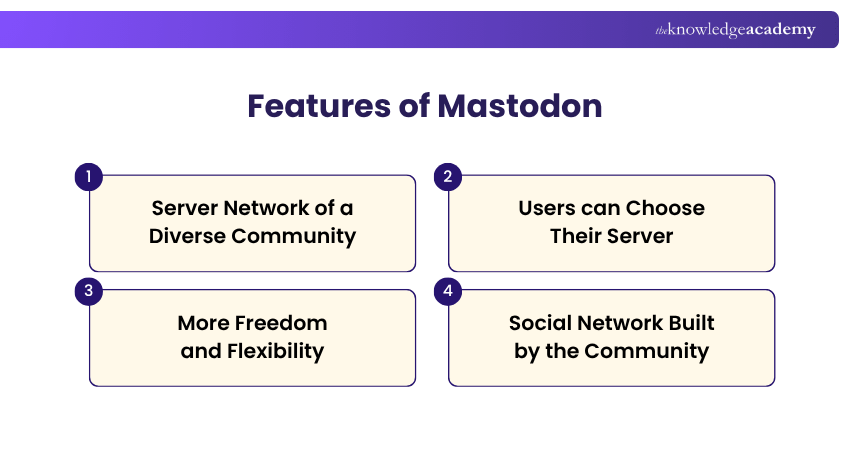
Imagine X (formerly Twitter) that is fuelled by independent communities, not a tech giant. That's Mastodon. It's not one platform, but a network of servers, each with its own vibe, from artists and journalists to cat lovers and techies. You choose your server, connect across them, and publish posts with longer text, images, and videos. For those seeking alternatives to X, Mastodon offers a decentralised approach to social networking.
Think open-source social networking with greater flexibility through independently operated servers. Mastodon does not serve ads or use algorithmic ranking in the home feed, allowing users to follow accounts across different servers and view their posts chronologically.
9) Cara
Cara is a social and portfolio platform designed for artists and people interested in art. It combines social networking with portfolio features, allowing creative professionals to display their work, discover other artists and connect with the wider creative community.
The platform particularly focuses on helping people discover human-created artwork and does not allow AI-generated media in portfolios and uses AI detection to filter such images. This makes Cara a specialised alternative for artists seeking both social interaction and professional portfolio visibility.
10) Pixelfed
Pixelfed is a decentralised, open-source social platform focused primarily on photo sharing. It offers a visual social experience similar to mainstream image-based networks while operating through independently managed servers connected through the wider fediverse.
Users can publish photos, follow accounts, and interact across compatible services in the fediverse. Its open-source and decentralised structure makes it an alternative for people who prefer greater choice over independently operated community servers.
Trainer’s Tip:
Pay attention to ownership and portability. Open social networks can offer greater flexibility if users later want to change providers without rebuilding their entire digital identity.
Make social media metrics work for you with Social Media KPIs and Reports Training – Join now!

James Smith produces results-focused content that helps marketers plan, evaluate and improve their online activities. His writing connects channel selection, audience behaviour and performance data with measurable marketing objectives.
View Detail

 If you wish to make any changes to your course, please


