




We may not have the course you’re looking for. If you enquire or give us a call on 01344203999 and speak to our training experts, we may still be able to help with your training requirements.
What is Motivation: Definition, Types, and Importance
ByNaveena VenkatesanLast updated on: 03 October 2026
Motivation is the inner force that drives action, boosts productivity, and helps individuals reach their goals by shaping their mindset and behaviour. It acts as a catalyst for progress, helping you stay focused even when challenges arise. With the right motivation, personal and professional growth becomes far more attainable.
Quick Overview
1. Motivation helps initiate, direct, and sustain goal-oriented behaviour.2. It can be influenced by both internal interests and external rewards.3. Intrinsic and extrinsic motivation are two commonly discussed types.4. Clear goals, small steps, and consistent habits can support motivation.5. Tracking progress and recognising achievements can help maintain momentum.
Motivation is the aspect that pushes us toward action and accomplishment. It influences what we want to achieve, helps us stay focused, and gives us the drive to keep going. However, maintaining motivation over time requires an understanding of what influences it and which strategies can help sustain it.
This blog explains motivation and its significance in every individual's life. We will look at different types of motivation and discuss practical ways to channel your energy towards achieving your goals. Let's get started!
What is Motivation?
Motivation is the driving force that encourages people to take action and work towards a goal. It can come from internal factors, such as personal interests and ambitions, or external factors, such as rewards, recognition, and expectations. Motivation also influences the effort, direction, and persistence a person applies to achieving an objective.

Why is Motivation Important?
Motivation matters because it keeps you moving forward. It:
a) Gives you clear goals to work towards
b) Helps you find solutions to problems
c) Encourages you to break old habits and build better ones
d) Supports you in facing challenges and new opportunities
With the right motivation, you can overcome obstacles and create positive change in your life!
What are the Types of Motivation?
Motivation is a very personal thing, in the sense that it will vary from person to person and will be affected by their individual traits, the circumstances they find themselves in, and their aspirations. A majority of psychologists divide it into two primary types, which are:
1) Extrinsic Motivation
Extrinsic motivation involves engaging in an activity to achieve an external outcome, such as getting a reward, being recognised or receiving praise. It is the case of people doing something just to get something in return or to get the consent of others.
2) Intrinsic Motivation
Intrinsic motivation comes from the enjoyment, interest or satisfaction gained from the activity itself. People are intrinsically motivated when they do something because they find it personally rewarding or fulfilling.
Learn effective motivation frameworks to inspire teams with our Staff Motivation Training now!
How to Get Motivated?
Getting motivated can be difficult, especially during periods of stress or uncertainty. Start by choosing a specific and realistic goal, breaking it into manageable tasks, and setting a clear timeframe for completing them. Sharing your goals with supportive people can also help you stay accountable and maintain progress.
Motivation Check
Ask yourself:
1. What am I trying to achieve?2. Why does this goal matter to me?3. What is the smallest step I can take today?4. How will I track my progress?
How to Stay Motivated?
Staying motivated becomes easier when you set clear goals, focus on small achievements, and maintain a positive mindset. Regularly tracking your progress and reminding yourself why your goals matter can help you stay focused and committed, even during challenging times.
Tips for Improving Your Motivation
Motivation goes up and down. Some days, you feel ready to take on anything. Other days, you might feel stuck or unsure. If you're struggling, try these simple tips:
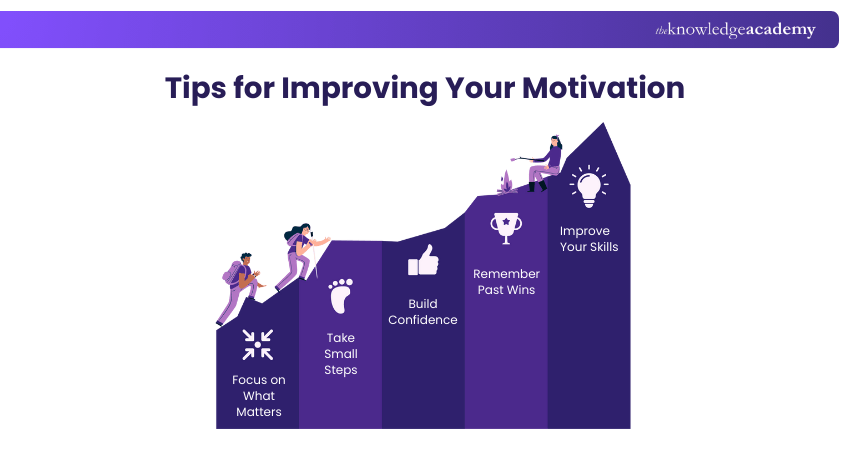
a) Focus on What Matters: Set goals that are important to you. You'll feel more driven to keep going.
b) Take Small Steps: Big goals can feel overwhelming. Break them into smaller, easier steps.
c) Build Confidence: Recognising your abilities and progress can strengthen your confidence and encourage you to keep working towards your goals.
d) Remember Past Wins: Think about what you've already achieved to stay encouraged.
e) Improve Your Skills: Identify areas where you feel less confident and work on developing the relevant skills. Building your abilities can make challenging tasks feel more manageable.
Keep going; small steps lead to big success!
Small Step Tip
If a goal feels overwhelming, reduce it to one simple action you can complete today. Progress often becomes easier once you begin.
Motivation does not always remain constant, but consistent effort, realistic goals, and regular progress can help you maintain momentum over time.
Develop Smarter Communication with our Emotional Intelligence Training - Sign up today!

Naveena Venkatesan is a Content Editor with 2+ years of experience in content writing, editing and linguistic quality assurance. Her research, fact-checking and editorial experience enable her to develop accurate, accessible resources across Business Skills, Human Resources, and Accounting and Finance.
View Detail

 If you wish to make any changes to your course, please


