




We may not have the course you’re looking for. If you enquire or give us a call on 01344203999 and speak to our training experts, we may still be able to help with your training requirements.
10 Most Popular Visual Communication Examples
ByNaveena VenkatesanLast updated on: 02 October 2026
Examples of visual communication include infographics, charts, videos, and logos that simplify data, tell stories, and enhance understanding through visuals. These visual communication examples show how visuals make messages clearer, more engaging and impactful. It is a powerful means to share information quickly and effectively.
Feeling overwhelmed by text-heavy presentations and struggling to keep your audience engaged? Visual communication offers a powerful way to capture attention and simplify complex ideas. The challenge is knowing which format actually fits the message you're trying to get across.
In this blog, you will be introduced to 10 popular visual communication examples, from infographics to animation. It will equip you with clear information about tools, from improving presentations to connecting with your audience. So, keep reading ahead to learn in detail!
Examples of Visual Communication
Visual communication is more accessible than you think. You might be using it in your daily life without noticing it. Simple elements, such as GIFs, charts, or screen recordings, instantly capture attention and simplify ideas. Below are some common and popular examples of visual communication:
1) GIFs
GIFs serve as a delightful element in presentations, effectively capturing the audience's attention or rekindling their interest. They add a playful touch to content that might otherwise feel dull, while also serving practical purposes like illustrating steps in a product walkthrough or procedure.

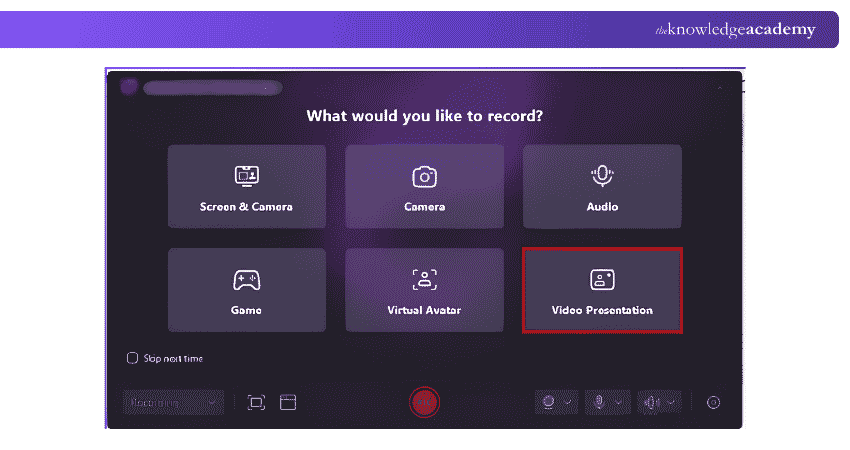
2) Screen Recording
Screen recording is a powerful visual teaching tool for explaining technology. It visually shows each step a user must follow, especially useful for navigating software. Users can watch the exact process and replicate how it is done. This visual method reduces confusion, simplifies complex tasks and helps to learn new tools efficiently.
3) Presentations
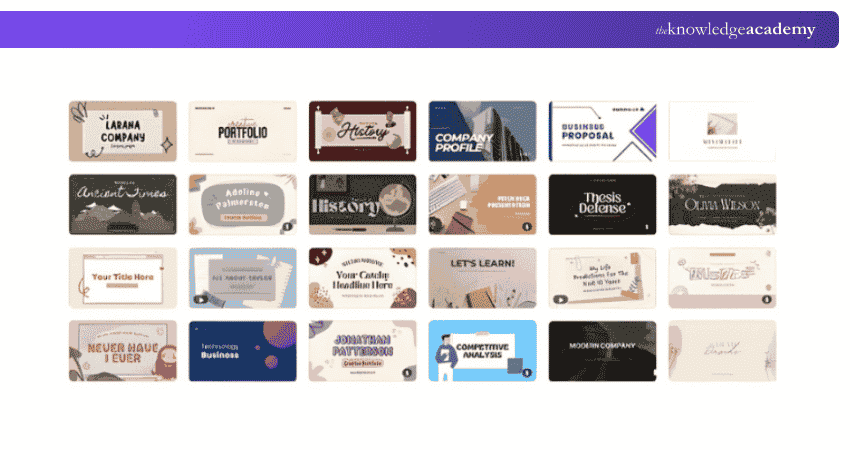
Presentations are a powerful means to share important updates with employees, clients or even friends and family. They add visuals, such as images, charts or highlights, to make information processing clearer and more engaging. Whether the goal is reviewing quarterly results or setting new targets for the year, strong visuals make it easier for an audience to absorb and understand the information.
Develop practical presentation skills that keep audiences engaged with our Presentation Skills Training – Join now!
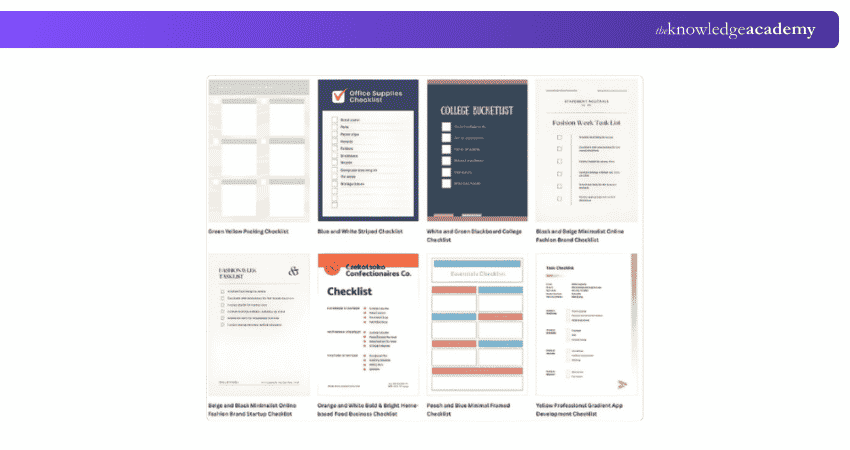
4) Checklists
Checklists are a great visual choice for improving efficiency. They help to organise tasks in both personal and professional settings. From planning groceries to daily project tasks, they ensure essential steps are not missed. Checklists are widely utilised in personality development training and are reliable in task management.
5) Mind Maps
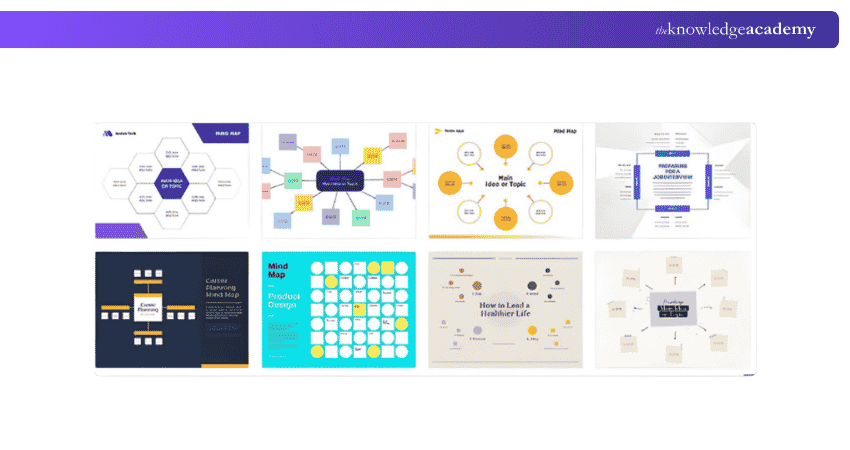
Whenever you're uncertain, create a mind map! It's the most effective way to visually organise complex and non-linear information. Mind maps employ radial thinking, where various lines and connections illustrate the relationships between a central idea and its related concepts. This helps to view the bigger picture and generate clear insights.
6) Graphs and Charts
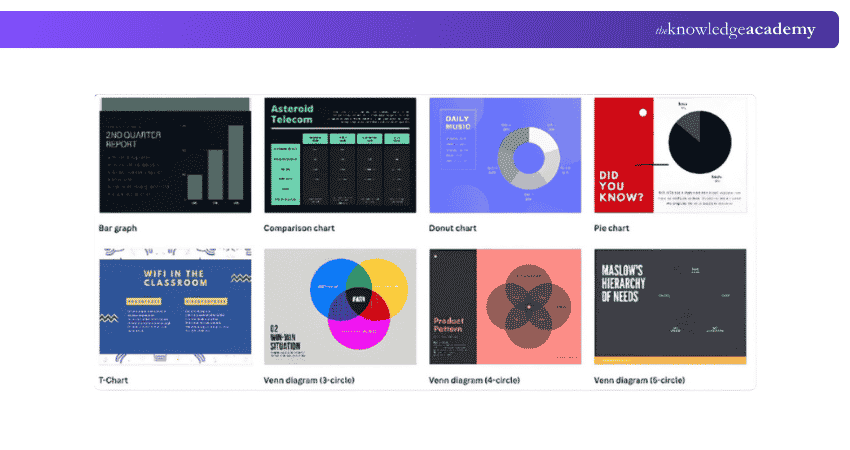
Graphs and charts are useful tools for making complex data simpler to understand. They are mainly utilised for showing quantitative data, for company growth and for making comparisons. For an effective data visualisation, choosing the right graph type and scale is essential. Some options include bar charts, line charts or pie charts, depending on what best represents the data.
7) Posters
Posters are a powerful visual tool used for promoting events, sharing information publicly or attracting community members. In workplace settings, posters placed in high-traffic areas help to reinforce updates, highlights or guidelines. They are great for boosting visibility but must not be the primary communication method.
Trainer's Insight:
Before choosing a visual format, ask what the audience should understand or do next. The best visual is the one that supports that specific outcome.
8) Infographics
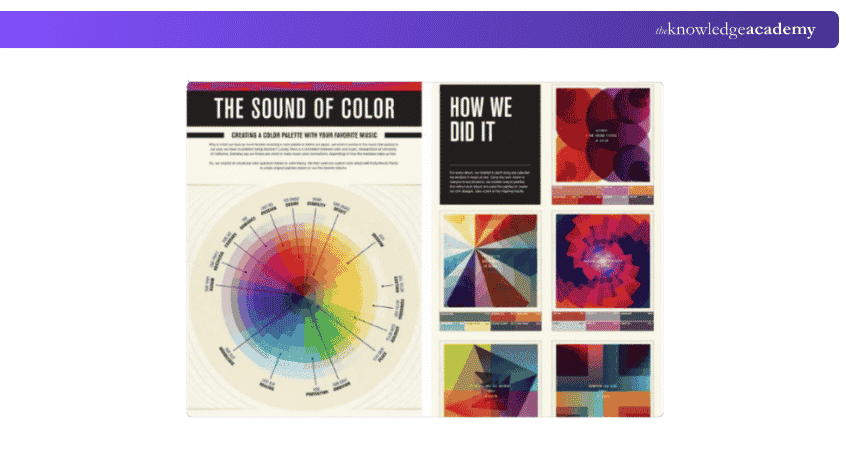
Infographics are useful for presenting complex data in a clear and visually engaging way. By transforming detailed information into simpler charts or graphs, they help viewers understand and analyse. This makes information easier to grasp and ultimately makes a stronger impact.
9) Screenshots
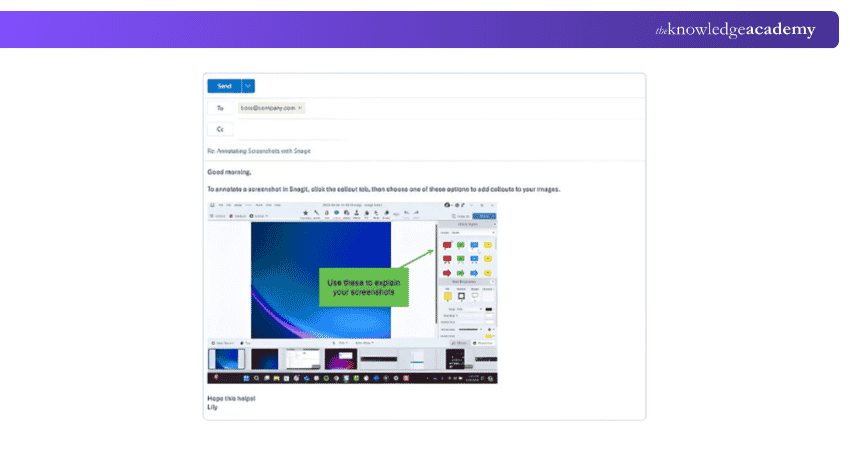
Screenshots are a simple yet versatile way to visually communicate messages. A screenshot allows information to be captured and shared quickly. Whether it's a step-by-step tutorial, a key detail on a website or an important social media comment, a screenshot preserves the exact information as it originally appeared. Its ease of use and ability to convey context quickly make it highly effective.
Boost your team's communication skills with B2B Communications Training - Join now!
10) Iconography: Communicating Universally
Iconography is a timeless and powerful form of visual communication. From ancient civilisations to the modern age, humans have utilised symbols to express ideas that words alone might not be able to capture. Icons simplify complex ideas into recognisable visuals, breaking language barriers. In a digitalised world, icons guide us through applications, signage, public spaces, websites and different environments.
Below, we have provided two contrasting examples to demonstrate the impact and importance of Iconography.
1) The International Symbol of Access (ISA):
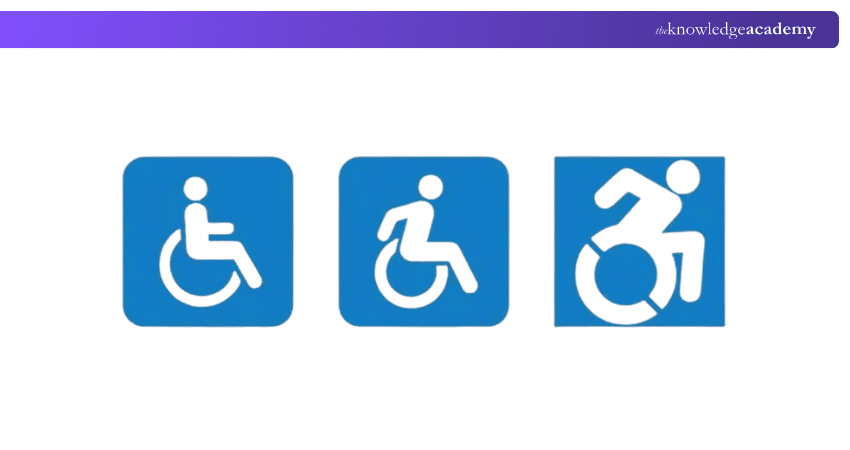
The wheelchair symbol signalling accessibility for individuals with disabilities is recognised globally. It was designed in 1968 and continues to evolve as communities strive for more inclusive representations.
2) Religious Iconography:
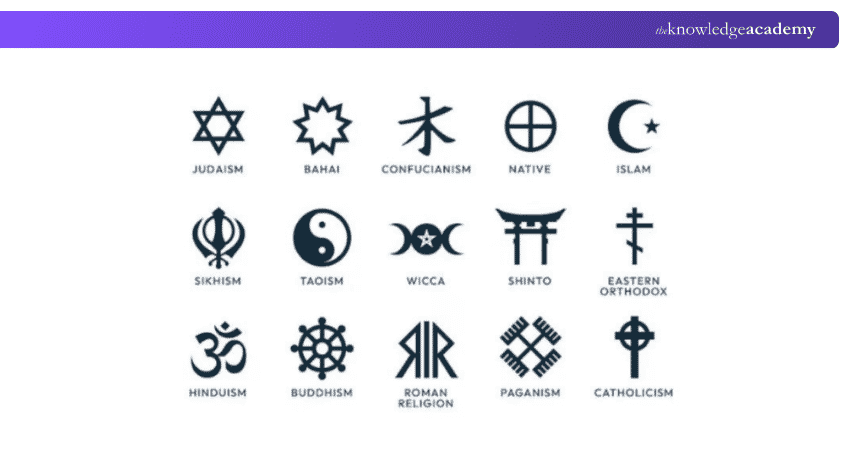
Popular religious symbols, such as the crucifix, the Star of David or the Yin and Yang carry deep cultural, spiritual and historical significance. They have influenced and shaped belief systems across cultures, rituals and communication. Such Iconographs express powerful meanings in simple visuals.
Quick Assessment:
Which visual would you choose for each situation?a) Explaining a software process step by stepb) Comparing quarterly performance datac) Showing relationships between connected ideasd) Sharing a quick public announcementAnswers:a) Screen recordingb) Graph or chartc) Mind mapd) Poster
Enhance your non-verbal communication skills with Nonverbal Communication Training – Register today!
Is Visual Communication a Skill?
Yes, visual communication is a widely utilised and valuable skill. It involves utilising images, colours, symbols, shapes and text to share ideas visually and make them engaging. Like any skill, it can be developed with practice, whether that means learning design basics or simply paying closer attention to what makes a visual easy to understand.
Professionals in marketing, teaching and UX design often rely on it just as much as they rely on writing. This is a useful skill for helping people understand information through appealing visual formats.
Key Learnings
1. Visual communication helps simplify complex information and improve understanding.2. Different formats, such as GIFs, charts, screenshots and infographics, suit different communication needs.3. Screen recordings and screenshots are useful for explaining processes and providing step-by-step guidance.4. Mind maps, graphs and charts help organise ideas and present data more clearly.5. Posters, icons and infographics can make messages more noticeable and easier to remember.6. Choosing the right visual format is essential for communicating information effectively.

Naveena Venkatesan is a Content Editor with 2+ years of experience in content writing, editing and linguistic quality assurance. Her research, fact-checking and editorial experience enable her to develop accurate, accessible resources across Business Skills, Human Resources, and Accounting and Finance.
View Detail

 If you wish to make any changes to your course, please


