


 Top Rated Course

We may not have the course you’re looking for. If you enquire or give us a call on 01344203999 and speak to our training experts, we may still be able to help with your training requirements.
30 Problem-Solving Techniques: Definition and Processes
William Brown 17 July 2026Problem Solving Techniques are structured methods used to identify issues, analyse causes, develop solutions, and improve decisions and outcomes. They help evaluate challenges, choose effective solutions, and achieve better results. Applying these techniques supports critical thinking, collaboration, and continuous improvement.

Training Outcomes Within Your Budget!
We ensure quality, budget-alignment, and timely delivery by our expert instructors.
Table of Contents

Every challenge presents an opportunity to learn, adapt, and improve, but finding the right solution often requires a structured approach. Whether in the workplace or everyday life, making informed decisions can reduce risks, improve efficiency, and lead to better outcomes. This is where Problem Solving Techniques play a vital role.
By applying the right methods, individuals and teams can identify root causes, evaluate possible solutions, and implement effective actions with confidence. In this blog, we'll explore 30 effective problem-solving techniques, their definitions, and the processes behind them.
Table of Contents
1) What are Problem-solving Techniques?
2) A Step-by-step Foundational Problem-solving Process
3) 30 Problem-solving Techniques
4) Complete Problem-solving Methods
5) Techniques to Identify and Analyse Problems
6) Problem-solving Techniques for Brainstorming Solutions
7) Problem-solving Techniques for Developing and Refining Solutions
8) Problem-solving Techniques for Making Decisions and Planning
9) Closing Activities for a Problem-solving Process
10) What are Examples of Problem-solving Techniques?
11) What is the SMART Problem-solving Technique?
12) Conclusion
What are Problem-solving Techniques?
Problem-solving Techniques systematic ways to identify problems, break them down, and fix them quickly. These tools help individuals or teams tackle issues by dividing them into smaller parts for analysis, figuring out the root causes, and then building effective solutions. Common tools like brainstorming, the 5 Whys method, root cause analysis, and mind mapping are often used in Problem-solving.
Using these methods allows you to find multiple solutions by analysing problems from both short-term and long-term perspectives. They not only improve job performance but also help in making better life decisions by encouraging new ideas and providing thorough answers.

A Step-by-step Foundational Problem-solving Process
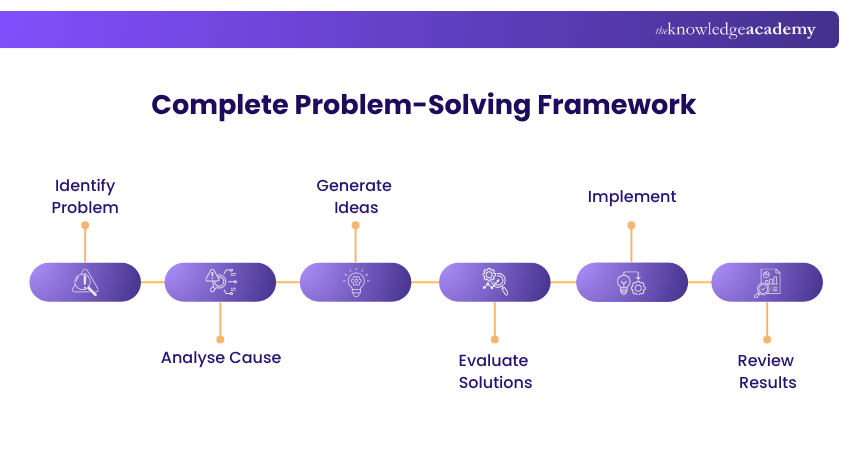
Applying a structured approach helps individuals and teams resolve challenges more effectively. By following a clear sequence of steps, you can identify the root cause, evaluate possible solutions, and implement the most appropriate Problem Solving Techniques. The following is a foundational problem-solving process:
1) Identify the Problem: Recognise the issue by comparing the current situation with the desired outcome. Gather initial information, ask relevant questions, and identify the root cause before the problem grows or affects project success.
2) Define the Problem: Create a clear and concise problem statement that explains what it is wrong and why matters. Consider different perspectives and assess the impact on productivity, costs, or overall performance.
3) List All Possible Solutions: Brainstorm as many ideas as possible without judging them too early. Encourage input from others, explore both short- and long-term options, and group similar ideas for easier evaluation.
4) Evaluate Options and Make a Decision: Assess each solution based on its effectiveness, feasibility, available resources, and potential risks. Use data, analysis, and decision-making tools to select the option that best addresses the problem.
5) Create a Plan and Begin Implementation: Break the chosen solution into manageable tasks with clear responsibilities and realistic deadlines. Communicate the plan effectively, monitor progress, and make adjustments where necessary to achieve the desired outcome.
Following this structured process helps keep Problem-solving Techniques organised, practical, and focused on achieving sustainable results.
Transform conflict into collaboration and build harmonious workplaces with our Conflict Management Training – Sign up today!
30 Problem-solving Techniques
Different challenges require different approaches, making it important to choose the right method for each situation. Problem Solving Techniques provide structured ways to analyse issues, generate practical solutions, and make informed decisions. Let's look in detail to some of the effective Problem-solving Techniques that can help individuals and teams overcome challenges and achieve better outcomes.
Complete Problem-solving Methods
Complete Problem-solving Methods provide structured frameworks for identifying the root cause of a problem, evaluating possible solutions, and implementing effective actions. The following methods can help individuals and organisations solve challenges systematically and achieve sustainable results:
1) Six Thinking Hats
Different people solve problems uniquely, influenced by their team, job roles, biases, or internal politics. The Six Thinking Hats method helps them tackle problems from various perspectives, focusing on facts and data, creative solutions, or potential drawbacks. This framework effectively removes roadblocks, enabling teams to address all aspects of complex problems comprehensively.
2) Lightning Decision Jam (LDJ)
Lightning Decision Jam is a fast-paced collaborative problem-solving method designed to address urgent challenges within a short timeframe. Team members first generate ideas individually before voting on the most important issues to avoid group bias. They then develop practical solutions, present their ideas, and agree on the best course of action. This approach encourages creativity, values diverse perspectives, and enables teams to make quick, informed decisions.
3) Problem Definition Process
The Problem Definition Process begins by clearly identifying the core issue and viewing it as an opportunity for improvement. Teams then explore the problem using different creative thinking approaches, such as reversal, exaggeration, and wishful thinking, before sharing their ideas. This method encourages diverse perspectives, meaningful discussions, and innovative solutions.
4) The Five Whys
Sometimes, a team must dig deeper to understand the core reason behind issues in an organisation. RCA helps in pinpointing the root cause of business problems or ongoing challenges. The 5 Whys in Root Cause Analysis is a simple and powerful method for locating the root cause of any problem. It starts with forming a problem statement and then asking "why" five times to gradually get to the heart of the issue. This method offers a clear path to discovering the true cause behind a problem.
5) World Cafe
World Cafe is a method that makes it easier for large groups to tackle complex issues together. It works by setting up a cosy, cafe-like environment where people can naturally group together to discuss topics that matter to them, all focused on solving a key problem. By arranging the space like a cafe and guiding participants at the start, you can then let them drive the conversation.
6) Discovery & Action Dialogue (DAD)
Creating a comfortable environment where people can openly share and learn from each other is key to finding solutions together. DAD is a method that can guide a group in deciding which issues they want to tackle and how they plan to solve them. It's really effective in reducing resistance to change and ensuring everyone agrees with the plan.
7) Design Sprint 2.0
Design Sprint 2.0 is a structured problem-solving method developed by Jake Knapp to help teams solve complex challenges within a short timeframe. It follows a four-day process that focuses on understanding the problem, generating ideas, building prototypes, and testing potential solutions. This approach encourages collaboration, reduces uncertainty, and enables teams to validate ideas before committing significant time and resources. It is widely used to accelerate innovation and support informed decision-making.
8) Open Space Technology
Open Space Technology is a collaborative problem-solving method developed by Harrison Owen that enables large groups to organise discussions around a shared challenge. Participants choose topics they are passionate about, form discussion groups, and explore practical solutions through open dialogue. This approach encourages knowledge sharing, diverse perspectives, and active participation, making it effective for solving complex organisational problems and generating innovative ideas.
Techniques to Identify and Analyse Problems
Identifying and analysing a problem accurately is the first step towards finding an effective solution. The following techniques help uncover root causes, evaluate contributing factors, and support informed decision-making throughout the problem-solving process:
9) Define the Problem Clearly
Precisely defining the problem is the cornerstone of effective Problem Solving. It includes finding the root cause of the issue and understanding its scope. Gathering relevant information and data is crucial at this stage to gain a comprehensive understanding of the problem's context. Articulating the problem in simple terms ensures clarity for all involved in the Problem-solving process. This will make the communication and collaboration easier.
10) Root Cause Analysis (RCA)
Rather than merely addressing the symptoms of a problem, an RCA seeks to identify the underlying factors that trigger the issue. By targeting the root cause, individuals can develop sustainable solutions that prevent the problem from recurring in the future. Knowing the Advantages and Disadvantages of Root Cause Analysis ensures its effective application.
Use the Root Cause Analysis Guide to move beyond immediate issues and implement effective, long-term solutions.
11) SWOT Analysis
A SWOT analysis is a valuable tool that helps individuals understand the internal strengths and weaknesses of their organisation or themselves. It also identifies external opportunities and threats in the environment. By identifying these factors, problem-solvers can develop well-informed strategies that align with their strengths and capitalise on opportunities. At the same time, they address weaknesses and mitigate threats.
12) Problem Analysis and Refinement
Identifying and clarifying the problem represents the essential beginning part of solution development work. Our process starts by dividing the problem into parts while finding its main causes to arrange our work according to importance. When you make the problem statement specific it helps everyone understand what needs to change.
13) Consider Constraints and Resources
In the process of Problem-solving, it's essential to take into account the constraints and available resources. These constraints may include Budget Constraints, time constraints, or external factors beyond one's control. By understanding and acknowledging these limitations, Problem Solvers can craft solutions that are realistic and achievable within the given constraints.
14) Learn from Past Experiences
Reflecting on past problem-solving experiences, both successes and failures, provides valuable insights. Learning from these experiences helps improve Problem-Solving skills and approaches over time, making individuals more adept at addressing future challenges. It also enables teams to avoid repeating mistakes and apply proven strategies to solve similar problems more effectively.
15) Feedback and Input
Seeking feedback and input from others provides valuable perspectives that can improve the problem-solving process. Insights from colleagues, mentors, stakeholders, or users help uncover overlooked issues and generate new ideas. This collaborative approach leads to more informed decisions and effective, well-rounded solutions.
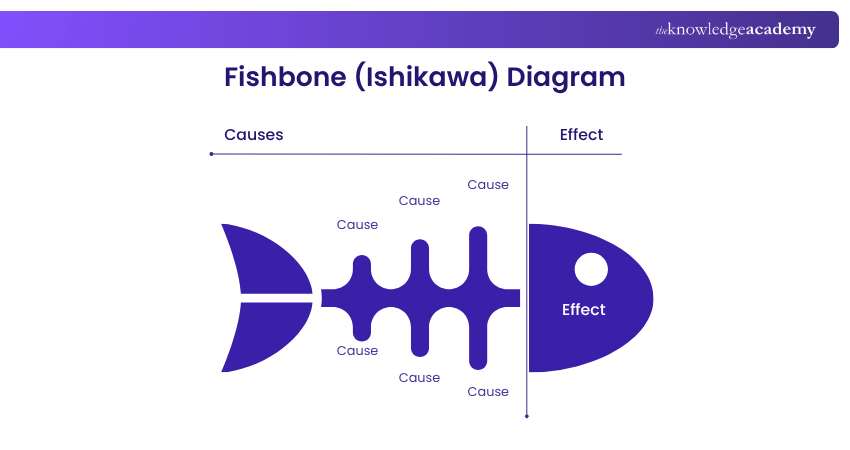
16) Fishbone Analysis (Ishikawa Diagram)
Fishbone Analysis, also known as the Ishikawa or cause-and-effect diagram, is a root cause analysis technique used to identify the underlying causes of a problem. It organises potential contributing factors into categories, making it easier for teams to examine complex issues from different perspectives. By encouraging structured brainstorming and visual analysis, this technique helps uncover root causes and supports the development of more effective, long-term solutions.
Problem-Solving Techniques for Brainstorming Solutions
Brainstorming techniques encourage individuals and teams to generate creative ideas without limiting their thinking too early. The following problem-solving techniques help explore multiple perspectives, stimulate innovation, and identify practical solutions to complex challenges.
17) Brainstorming Solutions
Once the problem is well-defined, the next step is to conduct brainstorming sessions. These sessions aim to generate a diverse range of potential solutions. It's essential to create a supportive and open environment during brainstorming, encouraging participants to think freely and creatively. Sometimes, unconventional ideas that emerge during brainstorming sessions can lead to creative and unique solutions that may not have been considered otherwise.
18) Creative Thinking
Creative Thinking encourages individuals and teams to explore ideas beyond conventional approaches when solving problems. Techniques such as brainstorming, mind mapping, and lateral thinking help generate innovative solutions and uncover opportunities that might otherwise be overlooked. This approach promotes fresh perspectives, improves adaptability, and supports more effective decision-making.
19) Collaborative Problem-solving
Collaborative Problem-solving brings together individuals with different skills, experiences, and perspectives to address a common challenge. By encouraging teamwork and open communication, it helps generate well-rounded ideas and identify more effective solutions. This approach also strengthens engagement, shared ownership, and commitment throughout the problem-solving process.
20) Solution Generation
When teams work on Problem Solving, they successfully create many potential answers through brainstorming sessions. Our main aim is to inspire different thinking and accept new and fresh ideas. Several visual thinking techniques including mind maps and brainstorm meetings plus design thinking exercises help teams produce solutions. Teams and individuals seek multiple idea options during this stage without judging their quality.
Develop a continuous improvement plan and schedule with our Business Process Improvement Training – Join soon!
21) Mind Mapping
Mind Mapping is a visual brainstorming technique used to organise ideas around a central topic. It helps individuals and teams break down complex problems, identify relationships between concepts, and structure information logically. By presenting ideas in a clear visual format, Mind Mapping improves creativity, collaboration, and decision-making while making it easier to generate and refine solutions.
Problem-Solving Techniques for Developing and Refining Solutions
Developing and refining solutions involves evaluating ideas, improving their feasibility, and selecting the most effective approach. The following techniques help teams test, optimise, and implement solutions that address problems efficiently and deliver sustainable results.
22) Evaluating and Selecting Solutions
With a pool of potential solutions, it's time to evaluate each option critically. Consider factors like feasibility, practicality, cost-effectiveness, and alignment with the overarching goals. A well-thought-out evaluation process enables decision-makers to narrow down the list of potential solutions. This approach identifies those solutions that are most viable and likely to address the problem effectively.
23) Solution Development
During solution development we analyse and transform raw ideas produced during the solution generation stage into real-world solutions. Our team explores each idea to see if it is practical and safe for use at present. This stage requires us to test potential solutions through prototypes while planning resource usage and defining the steps needed to bring plans to life. Team collaboration helps stakeholders determine if chosen solutions meet their needs while matching the problem requirements.
24) Continuous Learning and Adaptability
Problem-solving is an ongoing process, and learning is a vital part of it. Adopt an approach of continuous learning and adaptability. Stay open to new information, emerging technologies, and best practices in Problem-solving. Being adaptable allows individuals to adjust their approaches as new challenges arise, ensuring they remain effective Problem Solvers in dynamic environments.
Embrace the art of effective leadership and propel your career forward with our exclusive Management Training for New Manager Course – Sign up now!
Problem-Solving Techniques for Making Decisions and Planning
Making informed decisions and creating effective action plans are essential for successful problem-solving. The following techniques help evaluate alternatives, prioritise actions, and develop practical plans that lead to well-informed decisions and successful implementation.
25) Decision Matrix Analysis
When faced with multiple solutions, a decision matrix analysis allows for a structured comparison. This technique involves assigning weights to different criteria and scoring each solution based on those criteria. The solution with the highest score indicates the most viable option.
26) Risk Analysis
Risk Analysis involves evaluating the potential risks and challenges associated with each possible solution before implementation. It helps identify obstacles, assess their impact, and determine the likelihood of occurrence. By planning appropriate mitigation strategies, organisations can reduce uncertainty, minimise negative outcomes, and make more informed decisions.
27) Decision Making and Planning
Reliable decision planning depends on choosing the best solution through research results plus input from team members and experts. Our evaluation process compares selected solutions against essential factors such as business value and long-term sustainability. After choosing a solution the team creates a detailed plan that shows when work needs to happen and who will perform each task.
28) Implementing the Solution
The selected solution now needs to be put into action. Creating a detailed action plan that defines the specific steps, responsibilities, and timelines is essential. Having a well-structured implementation process ensures that everyone involved understands their role and contributes to the successful execution of the solution.
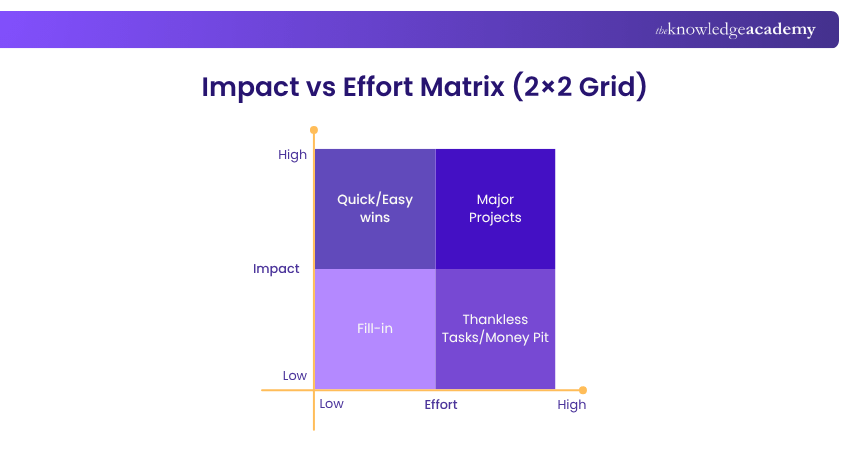
29) Impact and Effort Matrix
The Impact and Effort Matrix is a decision-making technique used to evaluate and prioritise potential solutions based on their expected impact and the effort required to implement them. It helps teams compare ideas using a simple 2×2 matrix, making it easier to identify quick wins and high-value opportunities. This approach supports informed decision-making by focusing resources on solutions that deliver the greatest benefits with the most practical level of effort.
Closing Activities for a Problem-Solving Process
Closing activities help teams review outcomes, evaluate the effectiveness of the chosen solution, and capture key lessons learned. The following techniques encourage reflection, continuous improvement, and better preparation for future problem-solving challenges.
30) Monitoring and Evaluating
Implementing the solution is not the end of the Problem-solving process. Continuous monitoring and evaluation are critical to assess the effectiveness of the solution. Regularly tracking progress and gathering feedback from stakeholders allow for adjustments and improvements as needed. This iterative method ensures that the solution remains relevant and optimised over time.
What are Examples of Problem-solving Techniques?
There are many useful Problem-solving Technique that help you find the best solution. Its examples include:
1) Agile Methodology: A flexible, iterative approach to software development or project management that breaks tasks into short sprints.
2) Six Sigma (DMAIC): A data-driven methodology focused on reducing defects and improving process quality using five steps: Define, Measure, Analyse, Improve, Control.
3) Kaizen (Continuous Improvement): A Japanese approach meaning "change for the better," focusing on continuous, small improvements by everyone.
4) Lean Thinking: Focuses on maximising value while minimising waste (time, materials, cost).
What is the SMART Problem-solving Technique?
The SMART Problem-solving Technique helps individuals and teams set clear, realistic goals to effectively solve problems. SMART stands for:
1) Specific
Clearly define the problem and its boundaries so that everyone understands what needs to be solved.
Example: Increase sales of our premium product line by 10% within the next quarter.
2) Measurable
Set measurable criteria to track progress and know when the problem is solved.
Example: Track sales weekly and compare with the same period last year.
3) Achievable
Ensure the solution is realistic and identifies clear actions.
Example: Offer discounts to existing customers and run targeted marketing campaigns.
4) Relevant
Make sure the goal aligns with your wider business or personal objectives.
Example: Boosting premium product sales supports our growth strategy.
5) Time-bound
Set a clear deadline to evaluate results and stay on track.
Example: Complete all actions within three months.
Using SMART in Problem Solving helps you focus, stay organised, and avoid vague or unrealistic solutions. It's a simple yet powerful method used by teams and individuals in both work and personal settings.
Conclusion
Problem Solving Techniques provide a structured approach to identifying challenges, evaluating options, and implementing effective solutions. By selecting the right techniques for each stage of the problem-solving process, individuals and teams can make informed decisions, encourage innovation, and overcome complex challenges with confidence. Applying these methods consistently supports continuous improvement, strengthens critical thinking, and leads to more successful outcomes in both personal and professional settings.
Enhance the art of leadership and accelerate your professional growth with our Management Courses – Sign up today!
Frequently Asked Questions
How can Problem-solving Techniques Be Used to Improve Conflict Management?

Problem Solving Techniques help conflict management by finding common ground and creating solutions everyone agrees on. They encourage open communication and understanding, which can reduce tension and resolve disputes.
How can Problem-solving Techniques Benefit Personal Development?
Problem Solving Techniques can boost personal growth by teaching you how to tackle challenges head-on. They improve critical thinking and decision-making skills, making you more adaptable and resilient in various situations.

William Brown


Senior Business Analyst and Strategic Advisor
William Brown is a senior business analyst with over 15 years of experience driving process improvement and strategic transformation in complex business environments. He specialises in analysing operations, gathering requirements and delivering insights that support effective decision making. William’s practical approach helps bridge the gap between business goals and technical solutions.
View Detail

 If you wish to make any changes to your course, please


