


 Top Rated Course

We may not have the course you’re looking for. If you enquire or give us a call on 01344203999 and speak to our training experts, we may still be able to help with your training requirements.
How to Start Dropshipping in 2026: Simple 9-Step Guide
James Smith 16 July 2026Dropshipping is an e-commerce business model that permits retailers to sell products without the mandate of holding inventory. Continue reading to learn about "How to Start Dropshipping" by enumerating the niche selection, competition research, pricing, marketing and more. Read along to learn more about Dropshipping.

Training Outcomes Within Your Budget!
We ensure quality, budget-alignment, and timely delivery by our expert instructors.
Table of Contents

Imagine starting your own online business without the headaches of managing inventory or dealing with shipping logistics. Sounds like a dream, right? That’s the magic of dropshipping! With just your laptop and a reliable internet connection, you can launch a store and sell products to customers worldwide—without ever handling the products yourself.
In this blog, we’re breaking down "How to Start Dropshipping" in 2026 with an easy-to-follow 9-step guide. From picking the perfect niche to marketing your store like a pro, this guide walks you through everything you need to succeed.
Table of Contents
1) What is Dropshipping?
2) How to Start a Dropshipping Business?
a) Check if Dropshipping is the Right Business Model
b) Pick Your Dropshipping Niche
c) Research the Competition
d) Choose a Reliable Supplier
e) Select Products and Set Your Prices
f) Create Your Online Store
g) Choose Your Business Structure
h) Set Up Your Finances
i) Promote Your Dropshipping Business
3) Reasons to Start a Dropshipping Business
4) Conclusion
What is Dropshipping?
Dropshipping is a popular e-commerce model that allows you to run an online store without the hassle of managing inventory.
It's especially appealing to individuals with strong marketing skills who want to launch a business with minimal initial investment. All you need is a laptop, a reliable internet connection, and Dropshipping Tools to streamline product sourcing, order processing, and customer service.
Advantages of Dropshipping:
1) Low Upfront Investment:
a) No need to purchase inventory upfront.
b) Save on storage and warehousing costs.
2) Flexibility:
a) Operate your business from anywhere.
b) Focus on marketing and sales instead of inventory management.
Challenges to Consider:
1) Limited Product Control:
a) Suppliers handle production and shipping, leaving you with little control over quality or delivery times.
2) High Competition:
a) Many retailers sell the same or similar products, making it challenging to stand out.
3) Thin Profit Margins:
a) With fierce competition, pricing wars can reduce your earnings.
How to Start a Dropshipping Business?
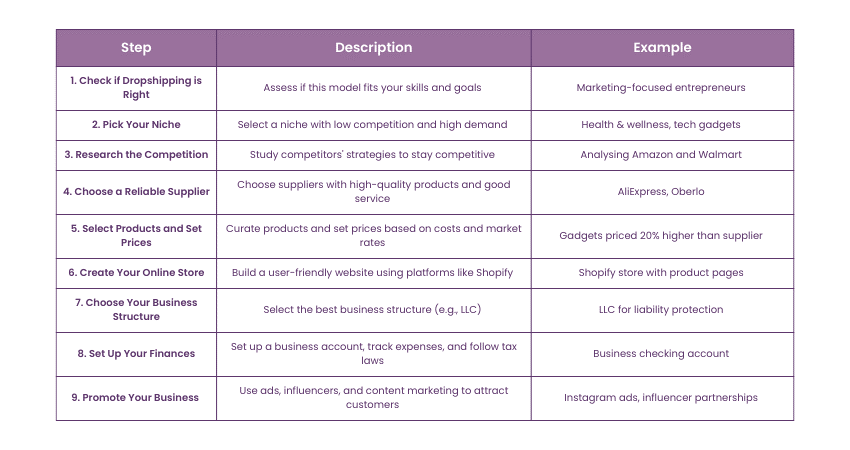
Starting a Dropshipping business is a good way to start your e-commerce model with minimum upfront costs. Let’s talk about it in detail:
1) Check if Dropshipping is the Right Business Model
Dropshipping lets you run an online store without holding inventory. However, it’s not for everyone.
1) Pros:
a) Minimal startup costs.
b) Ideal for marketing-savvy individuals.
c) Requires only a laptop and internet connection.
2) Cons:
a) Limited control over products and shipping.
b) High competition due to easily accessible products.
Tip: If you love marketing and don’t mind not having a unique product, this model might be a great fit.
2) Pick Your Dropshipping Niche
Choosing the right niche is key to success.
1) What is a Niche?
a) A specific market segment you’ll target with your products and brand.
2) How to Choose a Niche:
a) Interest-Based: Pick something you’re passionate about.
b) Demand-Based: Research popular niches with low competition using tools like Google Trends or keyword research.
Pro Tip: A focused niche helps you connect better with your audience and find products that appeal to them.
Learn strategic content creation with our Influencer Marketing Course – Join today!
3) Research the Competition
Understand who you’re up against and how they operate.
1) Identify top competitors like Amazon and Walmart.
2) Study their:
a) Product offerings.
b) Pricing strategies.
c) Marketing tactics.
Action Step: Monitor competitors’ websites and social media channels to learn from their strategies and adapt accordingly.
4) Choose a Reliable Supplier
Your supplier is the backbone of your business.
1) What to Look For:
a) High-quality products.
b) Timely shipping.
c) Favorable profit margins.
2) Steps to Vet Suppliers:
a) Order sample products.
b) Check reviews and ratings.
c) Ensure they offer dependable customer service.
Tip: Reliable suppliers help maintain customer trust and satisfaction.
5) Select Products and Set Your Prices
1) Product Selection:
a) Choose items that align with your niche and appeal to your target audience.
b) Use feedback and reviews to ensure product quality.
2) Pricing Strategy:
a) Factor in all costs (supplier price, shipping, and ads).
b) Set competitive yet profitable prices.
Learn marketing strategies with our Dropshipping Course – Join now!
6) Create Your Online Store
Your store is your business's virtual storefront.
1) Choose the Right Platform:
a) Shopify, WooCommerce, or similar platforms work great.
b) Add dropshipping apps like DSers, AutoDS, or Spocket for easy product and order management.
2) What to Include:
a) Product descriptions and images.
b) Customer reviews and user guides.
c) Blogs or tutorials to enhance SEO.
7) Choose Your Business Structure
Think carefully about how you want to set up your business. Will it be your main business or just a side hustle? If you're unsure about the legal aspects, it's a good idea to consult a lawyer.
Three main business structures to think about are:
a) Sole Proprietorship: Easy to start but offers no personal liability protection.
b) LLC: Provides liability protection; requires filing fees.
c) Corporation: Ideal for scaling but involves more complexity.
8) Set Up Your Finances
Separating your personal and business finances is crucial for clear accounting and financial health. Here are some basic steps:
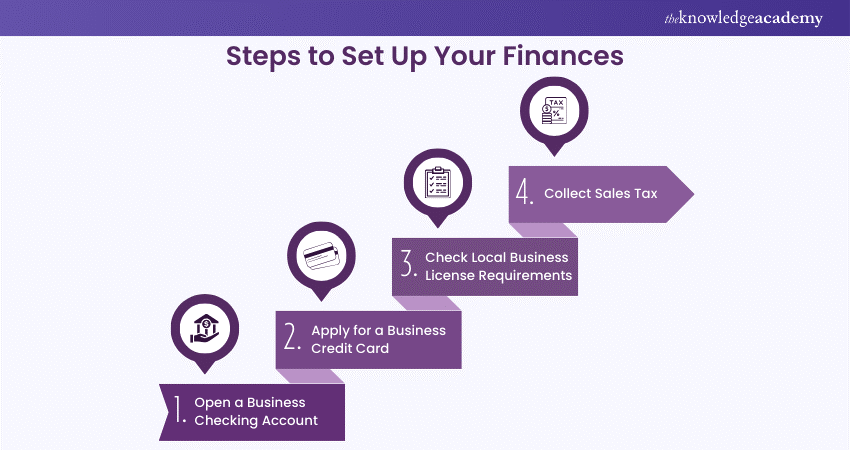
1) Separate Business and Personal Finances:
a) Open a business checking account.
b) Get a business credit card to track expenses and earn rewards.
2) Handle Legalities:
a) Check local requirements for business licenses.
b) Stay compliant with sales tax regulations.
9) Promote Your Dropshipping Business
Marketing is important to attract customers and drive sales.
a) Paid Ads: Use platforms like Facebook, Instagram, and Google to reach your target audience.
b) Influencer Marketing: Partner with influencers to build credibility and expand reach.
c) Content Marketing: Create blogs, videos, or podcasts related to your niche.
d) Community Engagement: Join niche groups on Reddit and Facebook to build trust.
e) Mobile Marketing: Use SMS marketing to share promos and engage with customers.
f) Email Marketing: Send personalised emails to maintain relationships and encourage repeat sales.
g) Email Marketing: Send personalised emails with promotions and useful information to maintain customer relationships and encourage repeat business.
Ready for Success? Master These Shopify Interview Questions and Answers!
Reasons to Start a Dropshipping Business
Still unsure about Dropshipping? Here’s why many entrepreneurs love this business model:
a) Low Startup Costs: You can avoid the upfront expenses of buying inventory and managing logistics. This means you can start selling without having to produce or store products yourself.
b) Low Risk: Since you don’t pay for inventory upfront, you can list a variety of products and easily replace those that don’t sell well with new ones.
c) Flexibility: You can run your Dropshipping business from anywhere with an internet connection. Just stay in touch with your suppliers and customers.
d) Scalability: As your business grows, your suppliers handle the shipping, making it easier to manage more orders without adding extra work for you.
Conclusion
We hope you have a clearer understanding of How to Start Dropshipping. By carefully selecting your niche, researching the competition, choosing reliable suppliers, and effectively marketing your store, you can build a successful Dropshipping business. Remember to set up your finances properly and choose the right business structure to ensure smooth operations. Good luck with your Dropshipping journey!
Learn the principles of customer experience with our Digital Marketing Course – Sign up now!
Frequently Asked Questions
How Much Does it Cost to Start Dropshipping?

Starting a Dropshipping business in the UK can cost between £80 and £550, covering expenses like business registration, domain, and website setup.
Is Dropshipping That Profitable?
Dropshipping can be profitable, with average profit margins of 15% to 20%. Success depends on choosing the right niche, products, and effective marketing strategies.

James Smith


Digital Marketing Manager and Trainer
James Smith is a digital marketing professional with over a decade of experience in SEO, content strategy, paid media and analytics. He has supported both SMEs and global brands in transforming their digital presence. James’s writing and training are rooted in results-driven tactics and the latest marketing trends.
View Detail

 If you wish to make any changes to your course, please


