


We may not have the course you’re looking for. If you enquire or give us a call on 01344203999 and speak to our training experts, we may still be able to help with your training requirements.
Top Computer Science Project Topics: Explained
ByVishnu SankarLast updated on: 12 October 2026
Discover a wide range of computer science project topics explained in detail. From face detection to chat apps, this is a one stop solution. This comprehensive blog helps individuals explore exciting project ideas, providing insights and inspiration for the field of computer science. Continue reading to find out more.

Are you a beginner stepping into the world of Python and data science? Or perhaps you’re a final-year computer engineering student hunting for project ideas? Look no further! This curated list of computer science project topics is perfect for you. Designed to arm you with the practical skills needed for a thriving career in software development, these topics are your gateway to success.
Whether you’re working on academic assignments, diving into research projects, or tackling real-world applications, this diverse collection of computer science project topics will set you on the right path. Start your journey today and explore the career pathways in computer science!
Best Computer Science Project Topics
The following are the best computer science project topics for both beginners and experts looking to equip themselves with software skills:
Before Choosing Your Project
Consider these questions:
1. What programming languages do you already know?2. How much time do you have?3. What problem does the project solve?4. What tools, APIs or datasets will you need?5. Is the project achievable at your current skill level?6. Can you demonstrate and explain the finished project?
1) Face Detection
It holds significant importance and serves various functions across multiple domains. Face detection technology has significantly enhanced the surveillance capabilities of authorities by helping locate faces in images and video footage. However, detecting a face does not automatically identify the person.
Face detection can also serve as an initial step in biometric systems, where separate face recognition or verification techniques may be used to identify or authenticate individuals. It can support various processes, such as launching an application, ensuring security, and guiding the subsequent steps within an application.

Face detection algorithms analyse visual features and patterns within images or video frames to locate the presence and position of faces. It possesses the capability to adapt and discern which facial attributes to identify and which to disregard.
One of the most promising computer science mini-project ideas for hands-on experimentation is the development of face detection software. This project involves creating a face detection programme using the OpenCV library. The programme is designed to detect faces in real time, whether from a webcam feed or video files stored on a local PC. Pre-trained XML classifiers are employed to detect faces, and the functionality can be extended to detect other objects using suitable classifiers.
To execute this programme successfully, you must install the OpenCV library on your local machine and configure the paths for the XML classifier files appropriately.

2) Crime Rate Prediction
One of the most innovative computer science ideas is to develop a crime rate prediction system. As the name implies, this computer science project involves creating a system capable of analysing and forecasting crime rates in specific locations.
To build this project, historical crime data can be analysed using suitable statistical or machine learning techniques. Clustering algorithms such as K-means may help identify groups or geographic patterns within the data, while separate predictive models can be used when the objective is to forecast future crime trends.
Crime trend analysis can support preventive planning, resource allocation and informed decision-making. These insights can help relevant agencies identify patterns, develop evidence-informed crime-prevention strategies and allocate resources more effectively. However, predictions depend on the quality and representativeness of historical data and should not be treated as certain outcomes.
3) E-authentication System
Various authentication methods, such as OTPs, passwords, and biometrics, are available. These methods can be combined to strengthen access controls when implemented securely, although not all methods provide the same level of protection.
E-authentication has gained widespread acceptance, serving purposes like accessing government services, online transactions, and various platforms. Users can safeguard their identities with e-authentication, offering a higher level of security when suitable authentication and verification mechanisms are in place.
This project involves constructing an e-authentication system that uses QR codes and OTPs as additional authentication mechanisms. It aims to reduce the risks of unauthorised access due to activities like shoulder surfing and misuse of login credentials. To use this system, users must initially register by providing essential details.
After registration, users can access the login module to authenticate their accounts using the email ID and password created during registration. Subsequently, users can choose between two authentication methods: Quick Response (QR) codes or One-time Passwords (OTPs). Depending on the user's choice, the system generates either a time-limited QR-based login challenge that can be verified through a registered authenticator or an OTP delivered via SMS to the registered mobile number.
The system generates time-limited or one-time authentication credentials during login, which can strengthen access control when implemented securely. For stronger protection, developers can also explore phishing-resistant methods such as passkeys.
4) Online Auction System
The online auction platform enables users to participate in auctions from any location, granting sellers the opportunity to show their products to a global audience. Another valuable aspect of online auctions is the real-time feedback mechanism, which allows bidders to monitor price fluctuations as bids increase.
Buyers and bidders from around the world can log in at their convenience, irrespective of geographical time differences, ensuring they take advantage of opportunities. In an online auction, buyers engage in transactions through competitive bidding, with each item having a starting price and a set closing time. The highest bidder for an item may be declared the winner when the auction closes, subject to the auction rules. Ownership or delivery is then completed through the required payment and transaction process.
This project involves the development of a secure online auction system employing a fraud detection method based on binary classification. To participate, users can create verified accounts using appropriate registration and authentication details. The project can also incorporate fraud-detection techniques to identify suspicious bidding or account behaviour.
The system then screens, authenticates, and authorises users. Only authorised users are permitted to place bids. The system is designed to flag potentially fraudulent activity at an early stage, helping administrators investigate suspicious accounts and bidding patterns. However, fraud-detection methods cannot guarantee that every fraudulent transaction will be identified.
5) Evaluation of Academic Performance
Assessing academic performance serves as a means for educational institutions to monitor student progress. This not only contributes to enhancing individual student achievements but also aids in refining teaching methods and evaluating teacher effectiveness.
Educators can strategically outline teaching objectives to facilitate goal attainment. By doing so, teachers can identify and implement effective pedagogical techniques while discarding those that do not significantly benefit student performance.
One of the most captivating computer science project ideas entails creating an evaluation system capable of analysing an individual's academic performance using fuzzy logic. In this approach, three key parameters, namely attendance, internal marks, and external marks, are considered to identify the overall academic performance of a student. A fuzzy inference system can provide an alternative way to combine these parameters when evaluating overall academic performance.
Throughout the development of this computer science project, it is imperative to ensure that the accuracy of student information uploaded is maintained and devoid of any errors. Faulty data entry could result in inaccurate outcomes.
6) Symbol Recognition
This computer science project is an outstanding choice for beginners. The project's goal is to develop a system capable of identifying symbols provided by the user. This symbol recognition system harnesses an image recognition algorithm to process images and detect symbols. In a template-based implementation, the system can convert RGB images into grayscale and subsequently into black-and-white images to simplify comparison.
Throughout this process, image processing techniques are employed to eliminate unwanted elements and environmental disturbances. The system can use image-processing and recognition techniques to identify symbols, with performance depending on factors such as image quality, preprocessing, dataset quality and the recognition method used.
Within this system, a designated directory stores all symbol templates. The images are of fixed size, supporting consistent image processing and symbol comparison. These templates are maintained in a black-and-white format, and the system creates a dataset from them.
When a user inputs a query image into the system, it resizes the image, compares the resized image values to those of the template images in the dataset, and ultimately presents the results in textual format. Thus, while the system accepts image inputs, it provides output in a text-based format.
7) Weather Forecasting Application
This is a beginner-level web development and programming app that will serve best as a project topic for CSE individuals. The main objective of the app is to create a web-based weather application that can provide real-time weather details (like current temperature and chances of rain) of a particular location. The app can also display forecast information, such as whether conditions are expected to be rainy, cloudy or sunny, using data retrieved from a weather API.
Developing a weather forecasting app is the best way to put your coding skills to the test. To create a weather forecasting app, you will need a stronghold on the basics of Web Development, HTML, CSS, and JavaScript. For backend functionality, you can use technologies such as Node.js and Express or another suitable server-side framework.
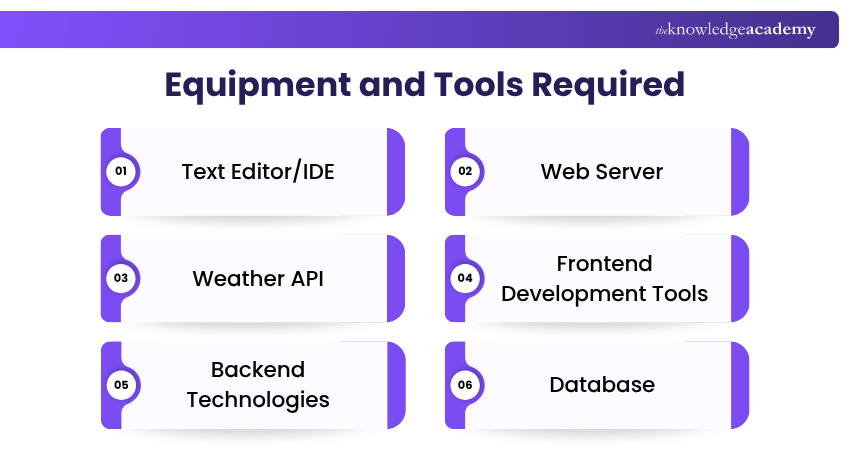
It is important to know how to use API calls to retrieve weather data from a weather service or API and display relevant information in your app.
For the app’s best User Interface, you have to place an input text box in which the users can enter the location for which weather information is needed. As soon as the search button is hit, the weather forecast for the input location should pop out.
Improve workplace productivity through enhanced software and system proficiency with the End User Training – Join now!
8) Public News Droid
This computer science project is an excellent choice for beginners. The public news droid is an informative software application designed to keep users informed about trending news, events, and developments in their local area. The application can be developed for Android using Android Studio, with a suitable backend service and database used to manage accounts, news content and updates.
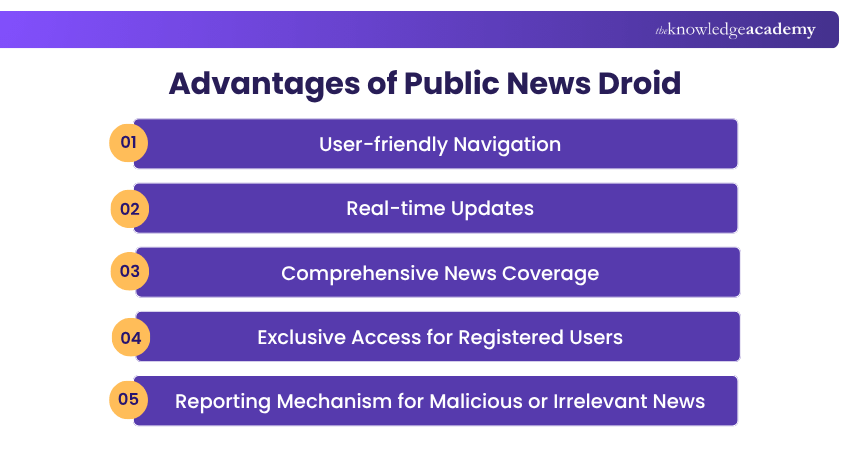
Public News Droid offers various advantages, including:
1) User-friendly navigation
2) Real-time updates
3) Comprehensive news coverage
4) Exclusive access for registered users
5) Reporting mechanism for malicious or irrelevant news
The system comprises two primary modules, one for administrators and one for users. Administrators oversee the accuracy and relevance of news and information. In cases of fake news or misuse, administrators can take corrective action to prevent the dissemination of irrelevant information.
Users, on the other hand, can access news and informative content specific to their respective localities, towns, or cities and contribute news related to other locations.
To use the application, users must complete the registration process and provide the necessary details. Once registered, users gain access to the latest news, the ability to refresh the app for updates, browse additional information, add news articles, and more. Users can also incorporate images and headlines for the news they submit. Mentioning computer science projects on your resume can make it stand out among others.
9) Search Engine
Developing a search engine is a useful computer science project for exploring information retrieval, indexing and query processing. The system can accept keywords or phrases from users and retrieve relevant pages, documents or images based on predefined indexing and ranking techniques.
Brands can expand their visibility by employing appropriate keywords and various strategies. They can harness the search engine's capabilities to outperform competitors and advance their business.
Enhanced brand visibility not only fosters authenticity but also drives revenue growth for the brand. This search engine is constructed using web annotation, representing one of the current trends in computer science projects. When users input specific words or phrases into the search engine, it automatically retrieves the most relevant pages containing those keywords, thanks to web annotation.
Web annotation greatly contributes to creating user-friendly applications, allowing users to add, modify, or remove information from web resources without altering the resources themselves.
This project utilises web annotation for both pages and images. When users input words, names, or phrases, the system retrieves information and images with corresponding annotations, presenting a list of results matching the user's input. Developing an effective algorithm is essential for generating query result pages or search result records based on user queries in this search engine.
10) Online eBook Master
It is a compelling choice to delve into the development of an online eBook creator. This web-based eBook maker empowers users to design and generate eBooks without incurring any costs. The system consists of two key modules: an admin login and an author login. The admin functions encompass receiving user (author) requests, verifying their credentials, assessing finished eBooks, and fulfilling requests by dispatching the eBooks to the authors.
Users can register in the system via the author login. Upon providing essential information, users gain the capability to craft new books. They can define the book's content, title, page count, incorporate a book cover, and more.
Returning users can log in with their credentials and choose to either create new books or continue editing previously initiated (unfinished) eBooks. Once their work is complete, they can preview, publish or export the eBook, depending on the features included in the application.
11) Mobile Wallet and Merchant Payment System
As the name implies, it involves a QR code scanning application designed to facilitate cashless transactions between consumers and sellers.
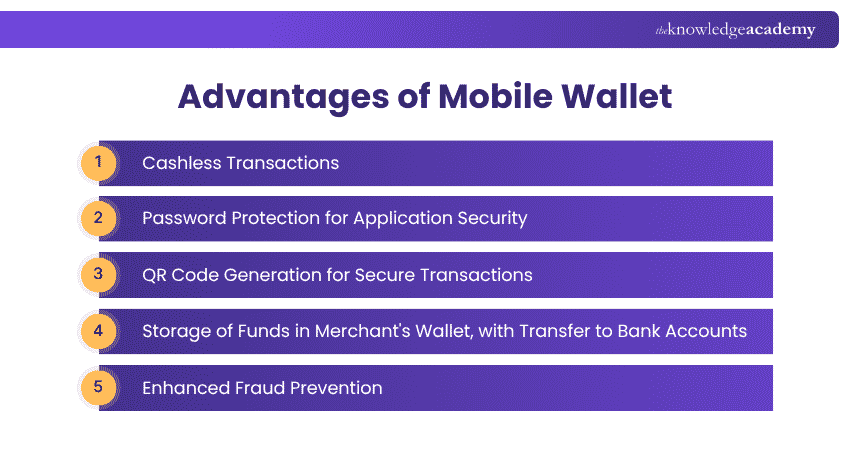
The mobile wallet offers a range of advantages, including:
1) Cashless transactions
2) Secure account authentication
3) QR code-based payment initiation
4) Merchant wallet balance management and eligible bank transfers
5) Fraud detection and transaction monitoring
Authentication credentials should be protected using secure, modern password-hashing practices, while sensitive transaction data should be protected using appropriate encryption and secure communication protocols.
This application comprises two components: an Android application for merchants to scan QR codes and a consumer application for generating QR codes. The mobile applications can be developed using Android Studio, while a suitable backend service and database can be used to process transactions and manage account data.
The system's operation unfolds as follows: when merchants scan the QR code generated by the application, the designated amount is transferred to their wallet, which can subsequently be transferred to their bank accounts. Consumers can fund their wallets through an integrated payment service, depending on the scope and security requirements of the project.
12) Library Management System
Libraries these days are all about using computers to manage their resources. That's where Library Management Systems (LMS) come in. They're like a super important tool for library peeps, helping them keep track of all the books, e-books, journals, and other things they've got. LMSs can also handle info about library users and their borrowing history.
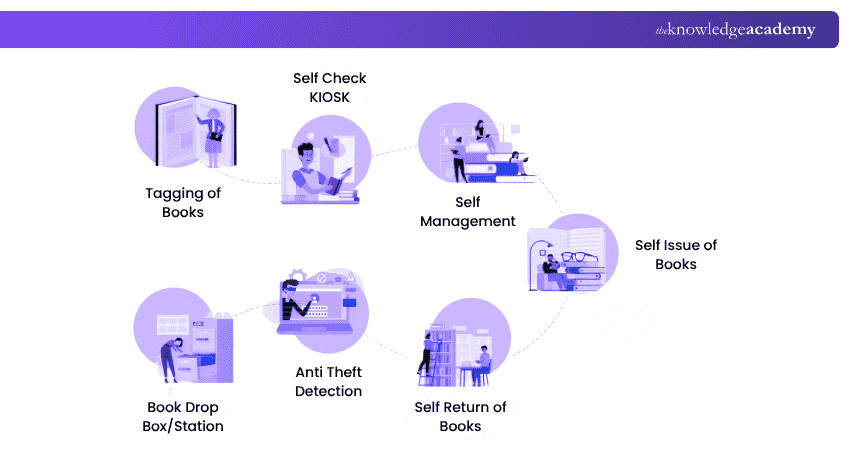
Working on an LMS could be an excellent project if you're into computer science. You'd get to learn about databases and how to handle information, plus it's a challenging programming project that can involve data structures, search functions and record management. It's a great way to level up your computer programming skills!
Trainer’s Pro Tip
Treat academic projects like portfolio pieces. Include a clear problem statement, technologies used, key features, testing approach and what you learned while developing the solution.
13) Social Media Sentiment Analysis
In this project, you can perform sentiment analysis on social media posts collected through an available API or an appropriate dataset with suitable access permissions. Natural Language Processing (NLP) techniques can then classify or score the sentiment expressed in the text.
The results can be visualised to examine how public sentiment varies across different topics or over time. However, the findings reflect the selected dataset and should not automatically be treated as representative of the wider population.
14) Chat App
Creating a chat app is a great way to learn coding and an ideal CSE mini project. You'll learn UI design, working with databases, and managing user input. Select a language and framework, set up a project in your IDE, and start coding. Begin with UI design and add features like messaging and file sharing. For real-time conversations, you can use WebSockets or a suitable real-time messaging service to deliver messages between users.
Once the project is done, you'll have a skill that you can use to create other apps or even start your own chat app business.
15) Real-time Web Search Engine
A simplified real-time search project can teach individuals how indexing, crawling, query processing and ranking work. Instead of attempting to index the entire web, the project can operate on a limited collection of websites or documents, making it more manageable for an academic project.
This project is suitable for individuals looking for a challenging introduction to information retrieval. By limiting the searchable content to a manageable collection of websites or documents, individuals can explore crawling, indexing, ranking and query processing without attempting to
Your Next Steps
1. Choose a Focus: Select a project that matches your interests and current technical skills.2. Define the Scope: Identify the core problem, essential features and expected outcome.3. Pick Your Tools: Decide which programming languages, frameworks, APIs or datasets you will need.4. Build and Test: Develop a basic working version first, then test and improve it gradually.5. Document Your Work: Record your approach, challenges, solutions and key learnings for future reference.
Learn efficient cloud storage and file sharing techniques with the OneDrive Training – Join now!

Vishnu Sankar is a Senior Content Writer with 5+ years of experience across content development, software development, web development and system administration. His technical background and professional training support his expertise in IT and Tech, while his extensive research and writing experience covers Project Management and Health and Safety.
View Detail

 If you wish to make any changes to your course, please


