


 Top Rated Course

We may not have the course you’re looking for. If you enquire or give us a call on 01344203999 and speak to our training experts, we may still be able to help with your training requirements.
Top 10 Cloud Service Providers for Businesses and Developers
Richard Harris 17 July 2026Cloud services are led by Amazon Web Services, Microsoft Azure, and Google Cloud Platform, with strong support from other global providers. Cloud Service Providers help organisations improve scalability, strengthen security, reduce infrastructure costs, and maintain reliable performance while supporting long-term business growth.

Training Outcomes Within Your Budget!
We ensure quality, budget-alignment, and timely delivery by our expert instructors.
Table of Contents
Every business wants technology that is reliable, flexible, and ready to grow with changing demands. Whether you're building a new application or scaling existing operations, choosing the right Cloud Service Providers can improve performance, strengthen security, and help you control costs without compromising efficiency.
With a diverse range of platforms available, selecting the best option isn't always straightforward. Each provider offers different capabilities, pricing, and tools designed for specific business and development needs. In this blog, you'll discover the leading cloud service providers, their key strengths, how to choose the right platform for your organisation, and more. Let’s begin!
Table of Contents
1) What is a Cloud Service Provider?
2) Types of Cloud Service Providers
3) 10 Best Cloud Service Providers
4) Steps to Identify the Best Cloud Service Provider
5) Conclusion
What is a Cloud Service Provider?
A Cloud Service Provider is a company that delivers Cloud Computing services over the internet. Instead of purchasing and maintaining physical IT infrastructure, individuals and businesses can access storage, computing power, networking, and other cloud resources on demand through a pay-as-you-go pricing model.
Cloud Service Providers own and manage large data centres that house the servers, storage systems, and networking infrastructure needed to deliver cloud services. Users can access these resources regardless of location with an internet connection, allowing them to scale capacity quickly without investing in or managing physical hardware.
Types of Cloud Service Providers
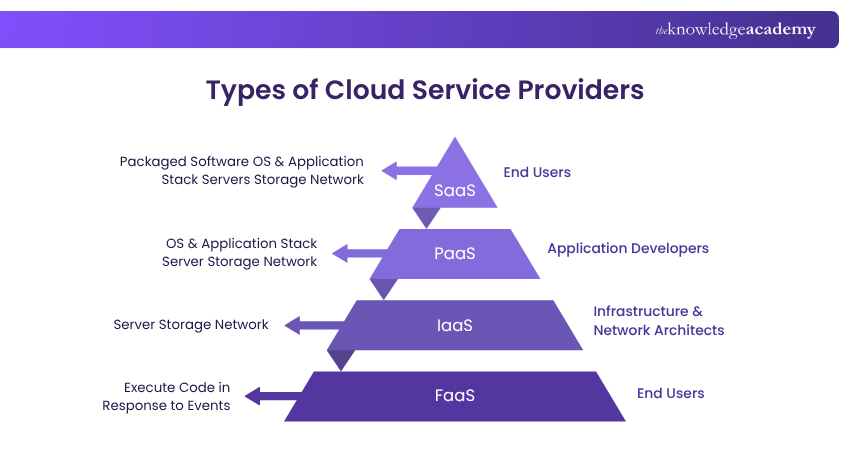
Cloud Service Providers offer various models to meet different business needs. There are different types of Cloud Service Providers, and each type supports specific tasks by helping organisations choose what fits best. Let’s explore these types in detail:
1) IaaS Cloud Providers
Infrastructure as a Service (IaaS) offers virtualised computing resources over the internet. It comprises of servers, storage and networking facilities. Businesses can build and manage their own applications, while the provider handles the hardware. Amazon Web Services (AWS), Microsoft Azure and Google Cloud Platform (GCP) are better examples of IaaS Cloud Service Providers.
2) SaaS Cloud Providers
Software as a Service (SaaS) purveys fully developed applications over the internet. It minimises the effort as users don’t need to install or maintain software, they can simply access it via browser. This model is ideal for tools like email, Customer Relationship Management (CRM) and office applications. Google Workspace, Salesforce, and Microsoft 365 are better examples of SaaS Cloud Service Providers.
3) PaaS Cloud Providers
Platform as a Service (PaaS) delivers a powerful framework for the Developers to build and deploy applications without managing the infrastructure. It includes operating systems, databases and development tools. Heroku, Red Hat OpenShift and Google App Engine are better examples of PaaS Cloud Service Providers.
4) Function as a Service (FaaS)
Function as a Service (FaaS) offers a serverless computing system which allows Developers to run code in response to events. They need not manage servers which helps to reduce costs as the charges only apply for time code runs. AWS Lambda, Google Cloud Functions and Azure Functions are better examples of FaaS Cloud Service Providers.
Drive digital transformation with Google Cloud by joining the Google Cloud Digital Leader Training now!
10 Best Cloud Service Providers
The best Cloud Service Provider depends on your business goals, workload requirements, and budget. While some platforms excel in enterprise and hybrid cloud environments, others specialise in AI, Data Analytics, or multi-cloud management. Here are some of the top Cloud Service Providers:
1) Amazon Web Services (AWS): Infrastructure as a Service (IaaS)
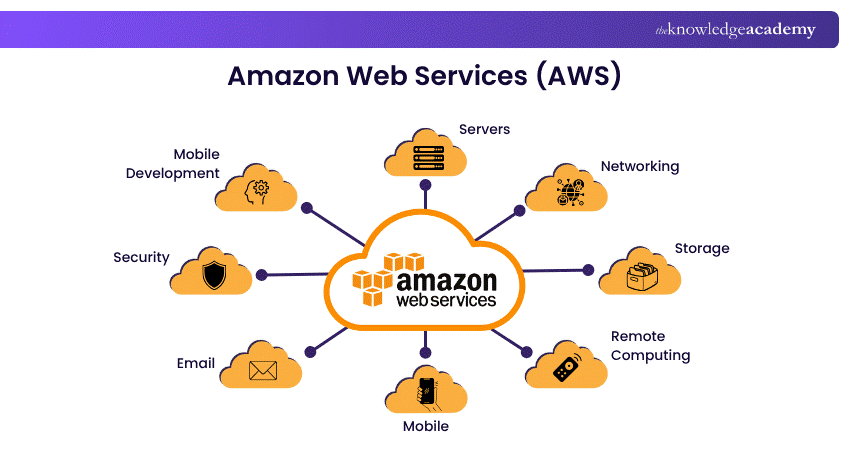
AWS is the world's leading Cloud Computing platform, offering over 200 services for computing, storage, databases, networking, and AI. Its pay-as-you-go pricing, extensive global infrastructure, and broad service portfolio make it ideal for businesses running scalable and enterprise-grade applications. AWS continues to dominate the global cloud infrastructure market.
2) Microsoft Azure: Hybrid Cloud and Enterprise Cloud Services
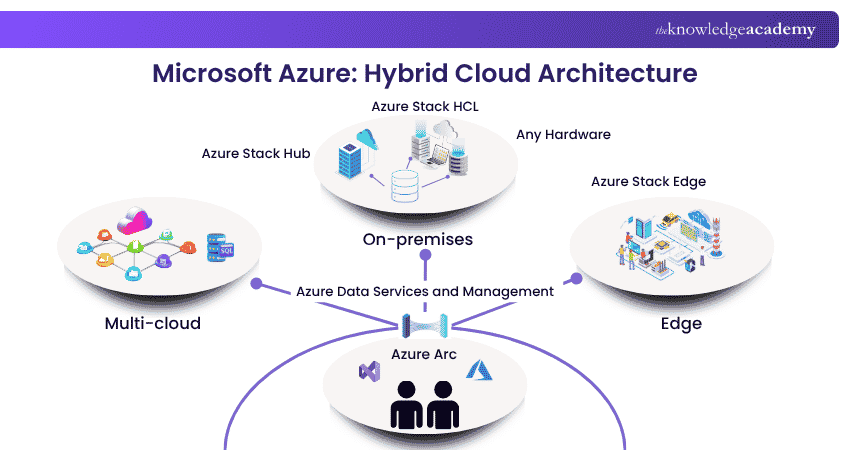
Microsoft Azure is known for its hybrid cloud capabilities and seamless integration with Microsoft products such as Microsoft 365 and Windows Server. It offers services for virtual machines, databases, AI, analytics, and DevOps, making it a strong choice for organisations seeking secure, enterprise-ready cloud solutions.
3) Google Cloud Platform: AI, ML, and Kubernetes
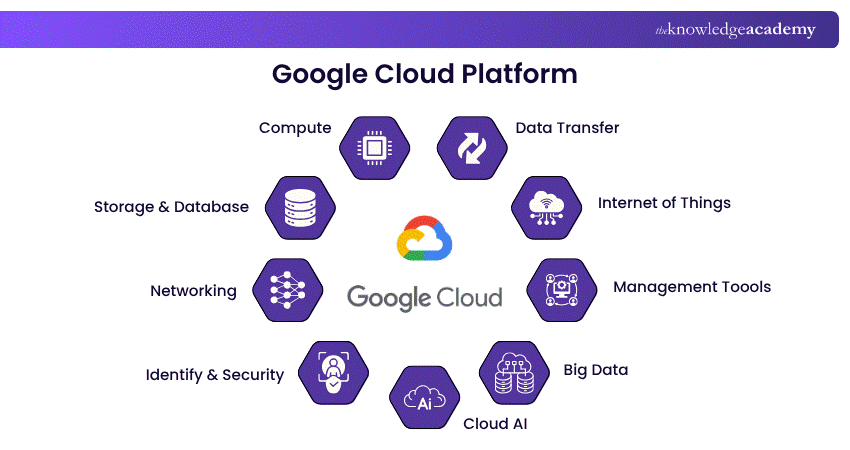
Google Cloud Platform (GCP) is among the top Cloud Service Providers recognised for its strengths in AI, Machine Learning, Data Analytics, and Kubernetes. Services such as BigQuery, Google Kubernetes Engine (GKE), and Vertex AI help organisations build, manage, and scale modern Cloud-native applications. It is also popular for its open-source technologies and flexible pricing.
4) IBM Cloud: Multi-cloud CSP
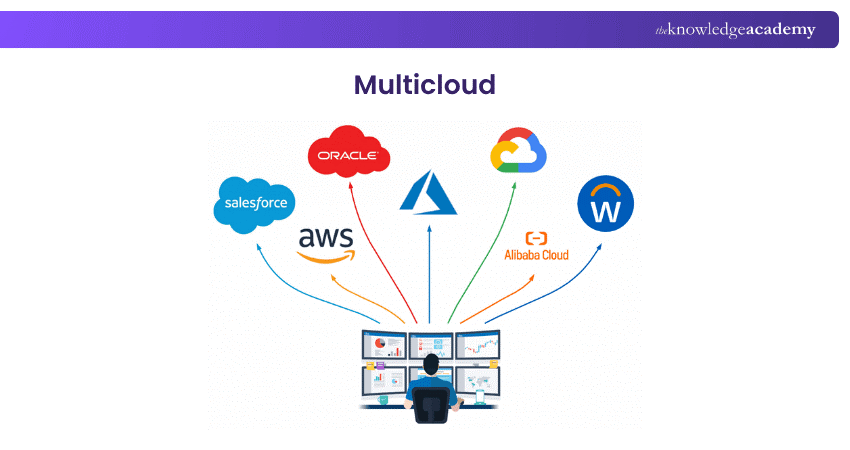
IBM Cloud focuses on hybrid and multi-cloud deployments, helping organisations manage workloads across different cloud environments. Built around Red Hat OpenShift, it offers services for AI, containers, security, and application development, making it suitable for enterprises with legacy systems and strict compliance requirements.
5) Tencent Cloud
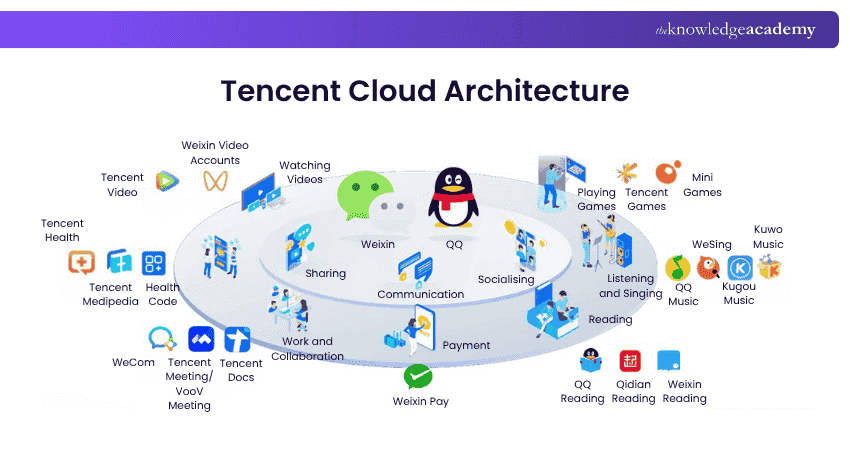
Tencent Cloud is one of the major Cloud Service Providers in China and a strong choice for businesses targeting Asian markets. It offers services like cloud virtual machines, object storage, databases, Kubernetes, AI, video streaming, and gaming solutions. Its global infrastructure includes 23 regions and 66 availability zones, making it useful for low-latency applications, media platforms, and businesses connected to the Tencent ecosystem.
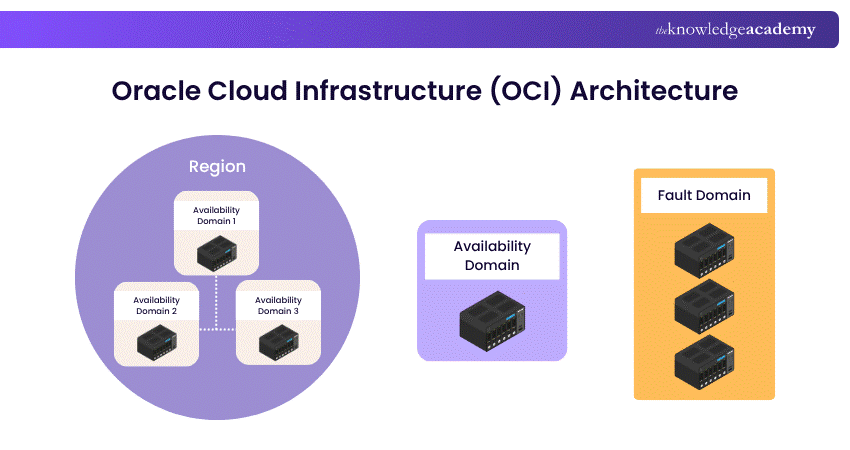
6) Oracle Cloud Infrastructure (OCI): All-around CSP with a Focus on Databases, Custom Apps
Oracle Cloud Infrastructure (OCI) specialises in databases, enterprise applications, AI, and high-performance workloads. It offers services such as Autonomous Database, compute, storage, Kubernetes, and analytics. OCI is particularly well suited for organisations using Oracle software and supports seamless multi-cloud deployments through its Microsoft Azure partnership.
7) Salesforce Cloud: Cloud-hosted Services
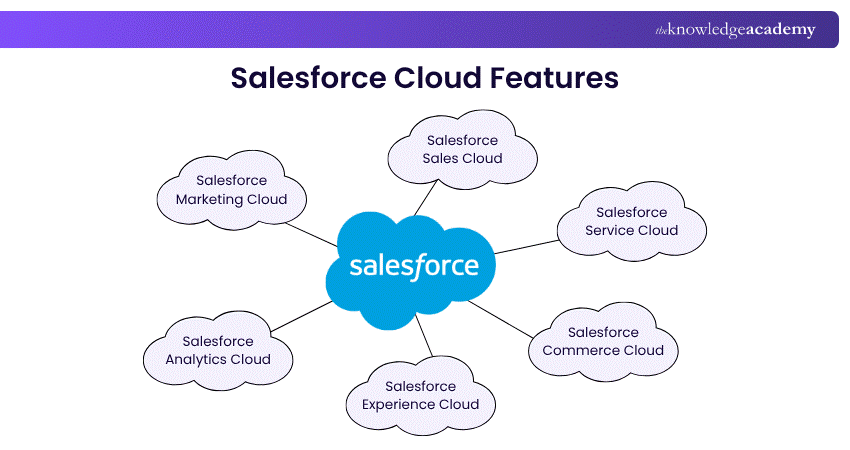
Salesforce offers different cloud solutions for various business needs. Sales Cloud helps manage leads and close deals, while Service Cloud supports customer service operations. Marketing Cloud enables personalised campaigns, and Commerce Cloud powers online sales. Experience Cloud is used for creating portals. There are also clouds for analytics, healthcare, finance, manufacturing, and system integration in Salesforce.
8) DigitalOcean Cloud: Cloud Computing Tools for SMBs and Developers
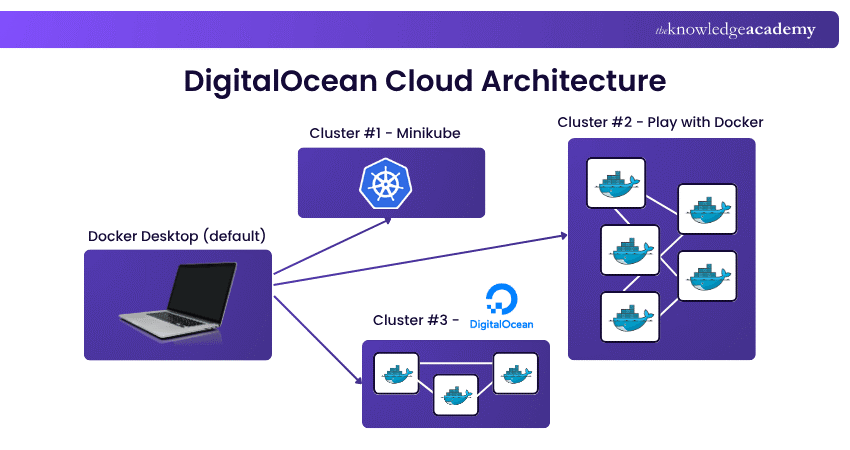
DigitalOcean’s cloud architecture is simple, scalable, and ideal for developers. It features Droplets (VMs), a managed App Platform, Kubernetes clusters, object and block storage, VPC for network isolation, and built-in load balancers and firewalls. It’s designed for fast, secure, and cost-effective app deployment.
9) Dell Technologies Cloud: Virtualisation Via VMware
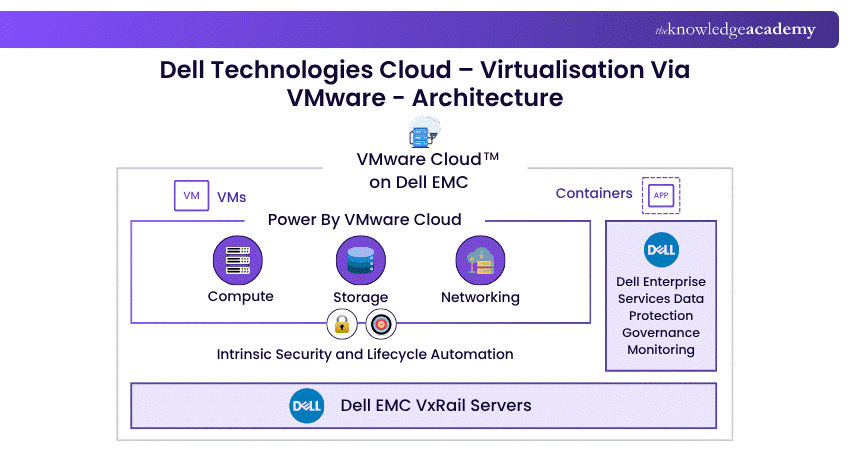
Dell Technologies Cloud combines Dell infrastructure with VMware to create a seamless hybrid cloud, making it one of the most powerful Cloud Service Providers. Using VMware Cloud Foundation, it integrates compute, storage, and networking for consistent performance across on-premises and public clouds like AWS. It enables easy workload mobility, automation, and scalability, making it ideal for businesses using VMware that want to modernise IT without disrupting existing systems.
10) Cisco Cloud Solutions: Best Used for Hybrid Cloud Strategies
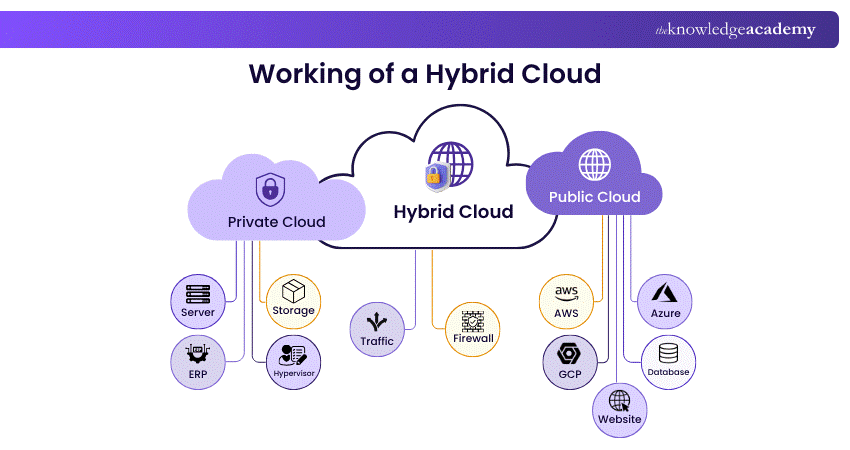
A hybrid cloud blends on-premises systems with public cloud, offering flexibility and control. Cisco Cloud supports hybrid strategies with tools like Intersight for unified management, ACI for automated networking, and SecureX for strong security. CloudCenter and InterCloud Fabric enable secure workload movement, making Cisco ideal for businesses needing reliable, secure, and scalable hybrid cloud solutions.
Steps to Identify the Best Cloud Service Provider
Picking the right one among the many Cloud Service Providers needs careful planning and evaluation. By understanding your business needs and comparing available options, you can select a platform that delivers the best value, performance, and long-term scalability. Let’s learn about the steps below:
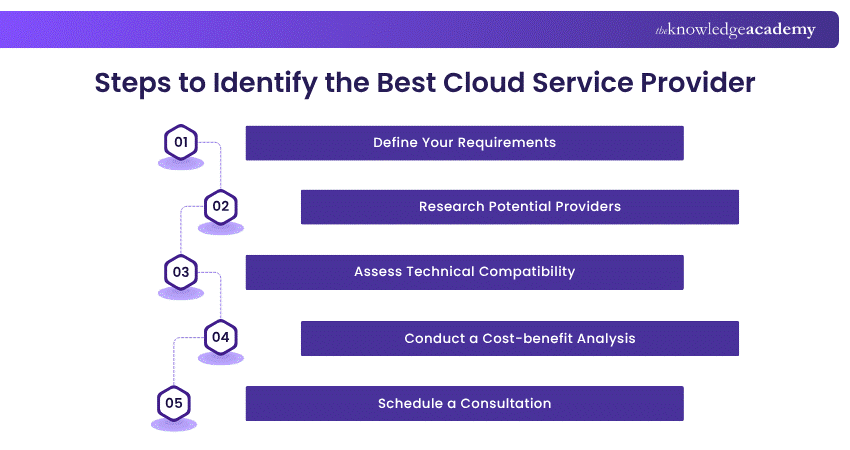
Step 1: Define Your Requirements
Assess your current IT infrastructure and business goals. Identify the computing power, storage, security, and specialised services, such as AI or analytics, that your organisation requires. A clear understanding of your needs will help you narrow down the most suitable Cloud Service Providers.
Step 2: Research Potential Providers
Compare leading Cloud Service Providers based on their services, industry reputation, customer reviews, case studies, and reliability to create a shortlist of suitable options. This ensures you choose a Cloud Service Provider with a proven track record and all the relevant expertise.
Build, deploy, and scale apps on Google Cloud with the Google Cloud Developer Certification– Join now!
Step 3: Assess Technical Compatibility
Ensure the Cloud Service Provider's platform integrates smoothly with your existing applications, systems, and workflows to minimise migration challenges and operational disruption. Compatibility also simplifies ongoing management and future upgrades.
Step 4: Conduct a Cost-benefit Analysis
Evaluate pricing models alongside the features, scalability, support, and long-term operational savings to determine the overall value of each Cloud Service Provider. Look beyond the initial costs to understand the total cost of ownership over time.
Step 5: Schedule a Consultation
Speak with shortlisted Cloud Service Providers to discuss your requirements, clarify technical questions, and assess their expertise, support quality, and ability to meet your business needs. This also helps you evaluate their responsiveness before making a long-term commitment.
Learn to design secure and scalable cloud architectures with the Architecting Infrastructure With Google Cloud Platform Training – Sign up now!
Conclusion
Choosing the right Cloud Service Providers is an indispensable step towards building a secure, scalable, and future-ready IT environment. By evaluating your business needs, comparing key features, and considering long-term value, you can select a platform that supports innovation, improves operational efficiency, and helps your organisation adapt to changing demands.
Advance your cloud career with industry-trusted training by joining the Google Cloud Certification Courses today!
Frequently Asked Questions
Can Small Businesses Use Cloud Service Providers?

Yes, small businesses can benefit from Cloud Service Providers. They provide affordable access to computing, storage, and software without the need to invest in expensive physical infrastructure. With flexible, pay-as-you-go pricing, businesses can scale resources as their needs grow.
What's the Difference Between a Cloud and Data Centre?
A cloud is a virtual service that delivers computing over the internet, while a data centre is a physical facility housing servers and hardware. Cloud services are scalable and managed by providers, whereas data centres require in-house setup, maintenance, and infrastructure.

Richard Harris


Senior Full Stack Developer and Technology Educator
Richard Harris is a highly experienced full-stack developer with deep expertise in both frontend and backend technologies. Over his 12-year career, he has built scalable web applications for startups, enterprises and government organisations. Richard’s writing combines technical depth with clear explanations, ideal for developers looking to grow in modern frameworks and tools.


 If you wish to make any changes to your course, please


