


We may not have the course you’re looking for. If you enquire or give us a call on 01344203999 and speak to our training experts, we may still be able to help with your training requirements.
Top Skills Employers Look for When Hiring
ByThe Knowledge AcademyLast updated on: 11 November 2026
Employers value a combination of interpersonal, technical and transferable skills when hiring. Explore important workplace abilities, including communication, problem-solving, adaptability and digital literacy, along with practical ways to demonstrate them during job applications.
In a Nutshell
1. Core Skills: Communication, teamwork, problem-solving and adaptability.2. Professional Skills: Time management, work ethic and emotional intelligence.3. Digital and Analytical Skills: Digital literacy, data interpretation and project management.4. Employer Expectations: Relevant skills vary by role and industry.5. Career Preparation: Demonstrating skills through practical examples strengthens applications.
Possessing the right skills is key for both new jobseekers and employees looking to advance their careers. Employers value a combination of technical expertise, interpersonal abilities and professional qualities that help individuals adapt, collaborate and succeed in different workplace environments.
But which abilities should you focus on developing? In this blog, we'll explore the top skills employers look for and how you can demonstrate them to strengthen your career prospects. Let's get started!
Top Skills Employers Look For
Understanding the skills employers value can help you stand out in a competitive job market. Here are the essential skills employers may look for when hiring:
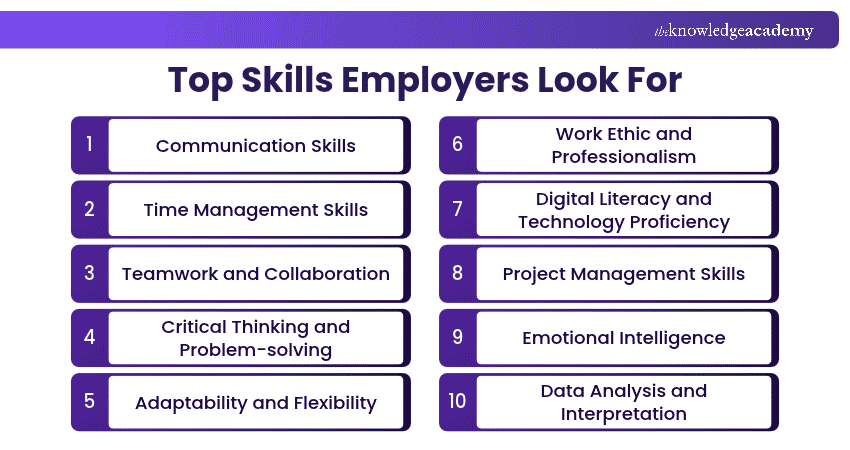
1) Communication Skills
Communication skills form the cornerstone of effective professional interactions. They involve conveying information and ideas clearly while adapting messages to different audiences. Effective communication also includes active listening, empathy and the ability to express ideas through written and verbal communication.
Strong communication skills help minimise misunderstandings, support conflict resolution and encourage collaboration. They are particularly valuable when working with colleagues, clients and stakeholders from different professional or cultural backgrounds.

2) Time Management Skills
Time management is essential in many professions. Being able to plan tasks, prioritise responsibilities and meet deadlines efficiently is particularly important for professionals managing multiple assignments or projects.
Employers value professionals who can organise their workloads and respond to competing priorities. During interviews, sharing examples of how you managed tight deadlines or handled several tasks successfully can help demonstrate your time management abilities.
3) Teamwork and Collaboration
Teamwork and collaboration play an important role in bringing together different skills, experiences and perspectives. They allow employees to share ideas, support one another and work towards common organisational goals.
A collaborative environment can also encourage creativity, improve problem-solving and strengthen professional relationships. Employers value individuals who contribute actively to teams, respect different viewpoints and cooperate effectively with colleagues.
4) Critical Thinking and Problem-solving
Critical thinking and problem-solving skills help professionals navigate complex challenges and make informed decisions. They involve analysing situations, evaluating information and identifying patterns to develop suitable solutions.
Employees with strong critical thinking abilities can question assumptions, consider alternatives and approach challenges logically. These skills also support innovation and continuous improvement by helping individuals identify opportunities for better ways of working.
Trainer's Insight
Employers may ask candidates to describe a challenging situation to understand how they approach problems. Explaining the options you considered, why you chose a particular solution and what you learned can demonstrate critical thinking more effectively than simply listing it as a skill.
Make problem-solving your professional superpower by joining the Problem Solving Course now!
5) Adaptability and Flexibility
Adaptability involves adjusting to new conditions, learning unfamiliar processes and responding effectively to workplace changes. It is particularly important when organisations introduce new technologies, responsibilities or ways of working.
Flexibility refers to the ability to adjust approaches, schedules or responsibilities when circumstances require it. Together, these skills help professionals manage changing expectations, embrace learning opportunities and remain effective in dynamic environments.
6) Work Ethic and Professionalism
A strong work ethic involves diligence, discipline, reliability and a sense of responsibility towards assigned tasks. Employees who demonstrate these qualities are more likely to manage their commitments consistently and maintain professional standards.
Professionalism also includes punctuality, ethical behaviour, accountability and respect for colleagues. By demonstrating these qualities, candidates can show employers that they take their responsibilities seriously and contribute positively to the workplace.
7) Digital Literacy and Technology Proficiency
Digital literacy involves using digital technologies confidently, effectively and responsibly. This may include working with productivity software, communication platforms, spreadsheets and other applications commonly used in professional environments.
Depending on the role, employers may also value experience with specialised software, such as Customer Relationship Management (CRM) systems, design tools or industry-specific platforms. Familiarity with relevant AI tools and the ability to use them responsibly, assess the reliability of their outputs and recognise potential limitations can also be useful in roles where these technologies are adopted.
8) Project Management Skills
Project management skills involve planning, organising and coordinating activities to achieve specific objectives. These abilities are particularly valuable in roles that require professionals to manage tasks, deadlines, resources and project responsibilities.
Strong project management skills also support task coordination, progress monitoring and communication with stakeholders. Even in positions without formal project management responsibilities, basic planning and coordination skills can help employees manage assignments efficiently.
9) Emotional Intelligence
Emotional intelligence involves recognising and managing your own emotions while understanding the feelings and perspectives of others. It helps professionals remain composed during challenges, demonstrate empathy and respond appropriately in different workplace situations.
Employers value emotional intelligence in roles involving teamwork, customer interactions and leadership. These abilities can help employees build positive professional relationships, manage disagreements and communicate with greater sensitivity.
Make emotional intelligence your career advantage by joining the Emotional Intelligence Training today!
10) Data Analysis and Interpretation
With the increasing importance of data-driven decision-making, the ability to analyse and interpret information is valuable across many professions. Employers may look for candidates who can understand relevant data, recognise trends and use evidence to support decisions.
Skills such as organising information, interpreting charts and presenting findings clearly can be useful even outside specialist data roles. Candidates with relevant experience should highlight how they have used data to identify problems, evaluate performance or make informed recommendations.
How to Demonstrate Your Skills to Employers?
Having the right skills is only part of the process. Employers also want to see how you have used them in real situations. Here are some practical ways to highlight your skills and demonstrate their value during the hiring process:
1) Highlight Relevant Skills on Your CV
Review the job description and find the skills most relevant to the position. Include these abilities in your CV and support them with examples from your previous work, education or other experiences. Where possible, highlight achievements that demonstrate how you applied these skills.
2) Use Workplace Examples During Interviews
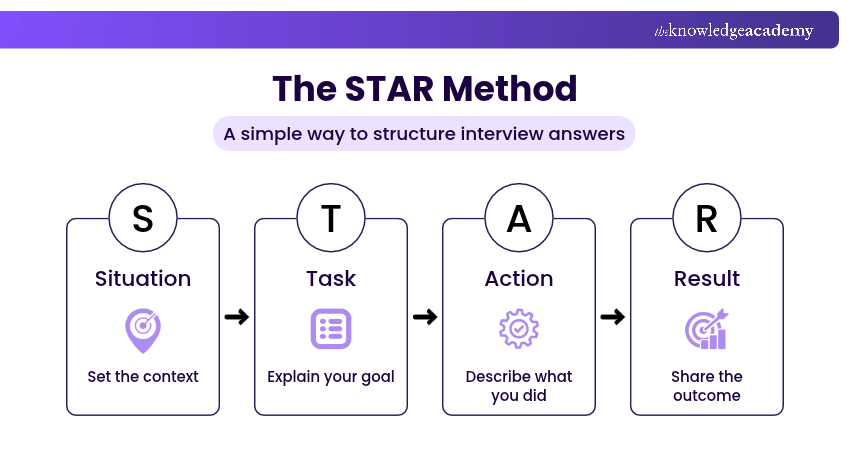
Employers may ask questions about how you handled challenges, managed responsibilities or worked with others. Prepare examples that explain the situation, your actions and the outcome. The Situation, Task, Action and Result (STAR) method can help you organise your responses clearly and demonstrate your contribution.
3) Demonstrate Skills Through Practical Experience
Projects, internships, volunteering and workplace assignments can provide useful evidence of your abilities. Highlight experiences where you solved problems, collaborated with others, managed responsibilities or learned new tools. This can help employers understand how your skills relate to the position.
4) Build a Professional Portfolio
A portfolio provides evidence of your skills through completed projects, work samples and achievements. Depending on your profession, you can include writing samples, design projects, technical work or case studies. Choose examples that demonstrate your abilities and explain your contribution to each project, ensuring that you have permission to share any work produced for an employer or client.
5) Provide Professional References
References from previous managers, supervisors or colleagues can help employers understand your workplace performance. Choose people who can provide specific examples of your skills, reliability and contributions. Their feedback can reinforce the abilities you have highlighted throughout your application.
Don't just answer questions; learn to make an impression with the Interview Skills Training – Sign up now!

The Knowledge Academy develops accessible learning content across Project Management, IT, Cybersecurity, Data Science, Business Analysis, HR, Accounting and Finance, Leadership and Health and Safety. Its resources combine subject research with clear explanations to help professionals build practical knowledge across a wide range of disciplines.
View Detail

 If you wish to make any changes to your course, please


