


We may not have the course you’re looking for. If you enquire or give us a call on 01344203999 and speak to our training experts, we may still be able to help with your training requirements.
Event Manager Skills: From Planning to Flawless Execution
ByThe Knowledge AcademyLast updated on: 10 November 2026
An Event Manager needs more than creativity and organisational skills to deliver successful events. From budgeting and communication to technology and risk management, these skills help Event Managers coordinate complex activities, overcome challenges, and create experiences that meet client and attendee expectations.
At a Glance
1. Successful event management requires a balance of creative thinking, strategic planning, and practical execution.2. Strong communication and leadership help coordinate teams, suppliers and clients throughout the event lifecycle.3. Budget control, time management, and attention to detail help prevent avoidable delays and unnecessary expenses.4. Risk awareness, adaptability, and problem-solving enable Event Managers to respond effectively to unexpected situations.5. Technology, sustainability, and accessibility are important considerations in modern event management.
Ever attended an event where everything seemed effortless? The speakers arrived on time, the venue looked perfect, and every guest knew exactly where to go. Behind that smooth experience was probably an Event Manager juggling dozens of responsibilities.
Event management goes far beyond gathering people for a launch or conference. It involves detailed planning, coordination, and delivery to achieve an event's objectives. So, what does it take to manage an event successfully from start to finish? This blog highlights the essential Event Manager skills that make the difference between a well-planned event and a memorable experience.
Essential Event Manager Skills
An Event Manager is responsible for planning, organising and overseeing events to ensure they run smoothly and meet their objectives. From coordinating vendors and managing budgets to handling last-minute changes, the role requires a combination of technical, organisational and interpersonal abilities.
Here are important Event Manager skills that can help professionals develop a successful career in the event management industry:
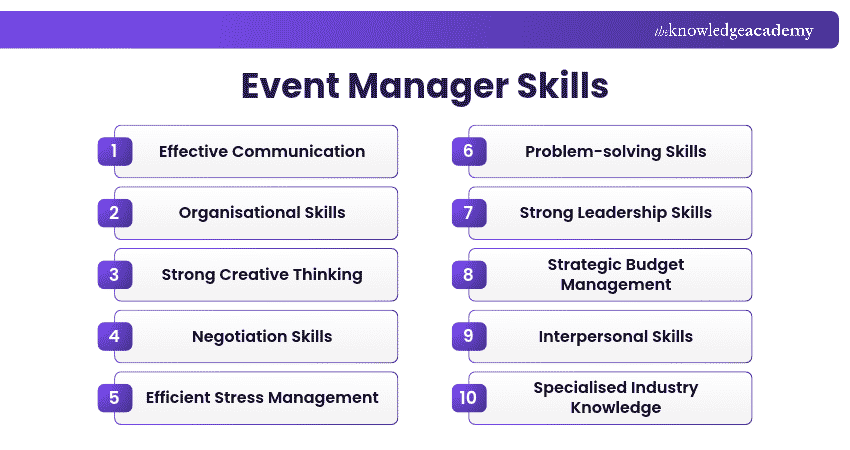
1) Effective Communication
Effective communication is essential in event management because it helps ensure that clients, suppliers, and event teams receive accurate information. Event Managers use verbal, written and non-verbal communication to explain requirements, share updates and clarify responsibilities.
Clear communication is particularly important when coordinating international events or working with teams that have different levels of experience. Providing concise instructions, choosing appropriate communication channels, and confirming important details can help prevent misunderstandings.

2) Organisational Skills
Strong organisational skills help Event Managers coordinate people, materials and operational requirements across multiple activities. They must maintain accurate task records, organise essential documents, and ensure the necessary resources are available when required.
Using centralised planning documents and clearly defined responsibilities helps reduce confusion between teams. For example, an Event Manager might maintain separate checklists for venue preparation, catering, registration, and technical arrangements while keeping everything connected through a shared planning system.
3) Strong Creative Thinking
Creative thinking enables Event Managers to develop original concepts and create engaging experiences that reflect an event's purpose. It influences decisions about themes, decorations, venue layouts, entertainment, and audience engagement activities.
For example, an Event Manager organising a product launch might introduce interactive demonstrations or themed presentation areas to make the experience more memorable. Creative thinking also helps professionals find alternative ways to achieve the desired atmosphere when certain resources are unavailable.
4) Negotiation Skills
Negotiation skills help Event Managers establish suitable agreements with venues, suppliers, and service providers. Effective negotiation involves understanding the requirements of both parties and working towards terms that support successful event delivery.
Beyond pricing, Event Managers must consider service standards, payment schedules, delivery commitments and cancellation conditions. Reviewing these details carefully helps reduce misunderstandings and establish realistic expectations.
5) Efficient Stress Management
Managing stress effectively is important for Event Managers working with demanding schedules, competing priorities, and high expectations. Maintaining emotional balance helps them remain focused and make considered decisions during challenging situations.
Effective stress management includes setting realistic workloads, taking appropriate breaks and recognising when additional support is needed. Developing healthy working routines can also help professionals maintain concentration throughout lengthy planning periods.
Pro Tip: Plan short breaks during busy event preparation periods and limit non-essential tasks as important deadlines approach.
6) Problem-solving Skills
Event planning is unpredictable and fast-paced, requiring quick thinking and effective problem-solving. Even with detailed preparation, unexpected operational issues can arise during an event.
For example, a microphone might stop working during a presentation, or a registration system could experience technical difficulties. A skilled Event Manager identifies the issue, evaluates available alternatives and selects an appropriate response to minimise disruption.
Problem-solving in Action
Follow this five-step process when addressing an unexpected problemIdentify the problem → Assess its impact → Compare solutions → Assign and implement action → Monitor the outcome.
Think critically and respond effectively to workplace challenges with the Problem Solving Course – Register today!
7) Strong Leadership Skills
Strong leadership skills enable Event Managers to guide diverse teams towards shared objectives while maintaining motivation and accountability. Effective leaders recognise individual strengths, provide constructive feedback, and encourage collaboration across different functions.
For example, when an event team experiences pressure during preparation, a strong leader can address concerns, provide direction and help team members remain focused. This creates a supportive environment where individuals feel confident carrying out their responsibilities.
8) Strategic Budget Management
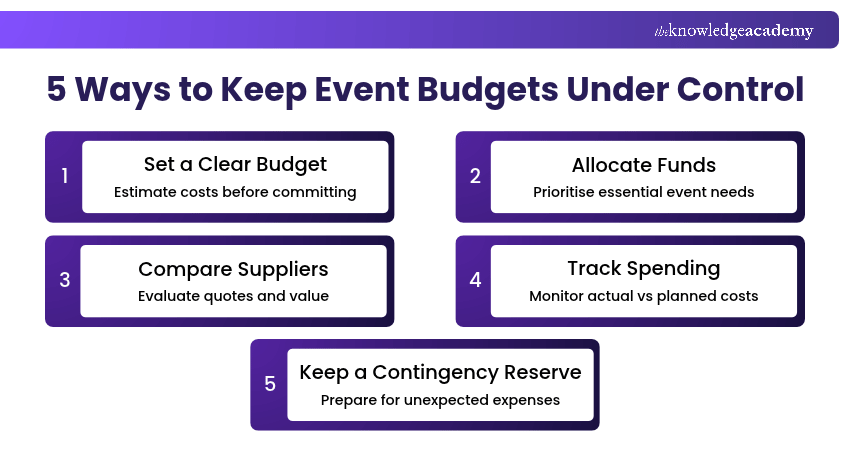
Budgeting skills help Event Managers allocate financial resources, forecast expenditure and maintain control over event costs. They must estimate expenses for venues, catering, equipment, promotion and other requirements while allowing for unforeseen costs.
Monitoring planned, committed and actual expenditure helps identify financial concerns before they escalate. Regular budget reviews also allow Event Managers to assess whether spending remains aligned with the event's financial objectives.
9) Interpersonal Skills
Interpersonal skills help Event Managers understand different perspectives, build trust and maintain positive professional relationships. These abilities include empathy, emotional awareness, patience and the ability to handle sensitive situations constructively.
For example, an Event Manager may encounter disagreements between team members about operational responsibilities. Recognising their concerns and facilitating a constructive discussion can help restore cooperation without creating unnecessary tension.
10) Specialised Industry Knowledge
Industry knowledge helps Event Managers understand the operational requirements, professional practices and expectations associated with different types of events. Corporate conferences, exhibitions, weddings and festivals may require different approaches to planning and delivery.
For example, an Event Manager experienced in organising conferences will understand speaker coordination, session formats and delegate requirements. Familiarity with industry practices and relevant regulations also supports more informed decisions throughout the event lifecycle.
11) Attention to Detail
Attention to detail enables Event Managers to identify errors, maintain accuracy and ensure important requirements are not overlooked. Even small mistakes involving event timings, signage, catering instructions or presentation materials can affect the attendee's experience.
For example, checking that speakers' names are displayed correctly and dietary requirements have been communicated to caterers can help prevent avoidable problems. Using structured checklists and reviewing essential documents can help maintain consistent quality.
12) Networking Skills
Networking skills help Event Managers build professional connections with suppliers, sponsors, industry specialists and potential clients. Maintaining these relationships can create opportunities for collaboration and provide access to valuable industry insights.
Attending professional events, participating in industry communities and maintaining contact with trusted partners can help expand professional networks. Strong connections may also make it easier to identify suitable specialists for future events.
13) Strong Research and Analytical Skills
Research and analytical skills help Event Managers gather information, compare alternatives and make evidence-based planning decisions. This may involve analysing audience preferences, reviewing competitor events and investigating emerging industry trends.
For example, an Event Manager planning a professional conference might survey potential attendees to understand their preferred topics, session formats and networking expectations. Evaluating these findings can help shape an event concept that better reflects audience interests.
Trainer's insight
Effective research begins with clear questions. Identifying what information is needed helps prevent unnecessary data collection and keeps planning decisions focused.
14) Time Management Skills
Time management helps Event Managers prioritise activities and complete important work within established deadlines. With multiple tasks progressing simultaneously, they must recognise dependencies and allocate sufficient time to critical activities.
For example, confirming speakers' availability before finalising promotional material can help avoid unnecessary revisions. Setting realistic milestones and reviewing progress regularly can also prevent delays from affecting subsequent activities.
Balance competing priorities and manage responsibilities with Time Management Training – Sign up soon!
15) Client Relationship Management
Client relationship management involves understanding client objectives, maintaining professional trust and ensuring expectations remain realistic throughout the event planning process. Event Managers must establish clear requirements and provide appropriate opportunities for clients to review important decisions.
For example, a corporate client may prioritise brand visibility and professional networking, while a private client may focus on personal preferences and guest experience. Recognising these differences helps Event Managers recommend suitable event approaches.
16) Event Production and Technical Skills
Event production and technical skills help Event Managers understand the equipment and systems required to deliver in-person, virtual and hybrid events. These include microphones, sound systems, lighting equipment, presentation displays, streaming technology and internet connectivity.
Although specialist technicians may operate complex equipment, Event Managers should understand essential technical requirements and recognise potential limitations. This knowledge enables them to coordinate equipment setup, communicate effectively with technical teams and prepare suitable backup arrangements.
17) Risk Assessment and Emergency Preparedness
Risk assessment helps Event Managers identify potential hazards and implement appropriate measures to protect attendees, suppliers and event teams. Common considerations include crowd movement, venue conditions, severe weather, equipment hazards and emergency access. Risk assessments should also consider setup and dismantling activities, where workers and contractors may face additional hazards.
Event Managers should work with venue operators and relevant specialists to establish suitable safety arrangements. These may include evacuation procedures, first-aid provisions, emergency communication systems and clearly assigned responsibilities.
18) Data Analysis and Performance Measurement
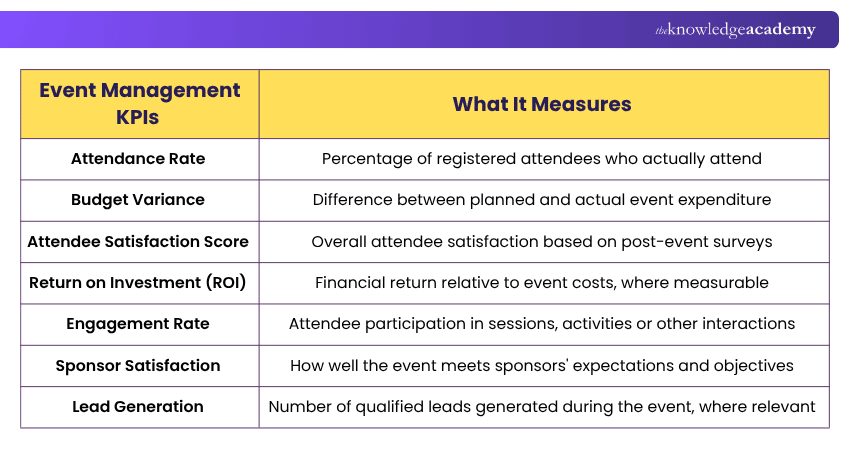
Data analysis helps Event Managers assess whether an event achieved its intended objectives. Performance measurement may involve examining attendance figures, audience engagement, satisfaction ratings, financial results and other relevant indicators.
For example, comparing registration figures with actual attendance can help identify patterns that inform future promotional strategies. Reviewing feedback scores may also reveal which sessions or activities attendees found most valuable.
19) Sustainability Awareness
Sustainability awareness helps Event Managers consider the environmental, social and economic impacts of event activities. Responsible planning may involve reducing waste, selecting reusable materials, improving resource efficiency and considering the sustainability practices of suppliers.
For example, using digital event materials instead of unnecessary printed documents and arranging suitable waste collection facilities can support more responsible event delivery. Considering travel options and local sourcing may also help reduce certain environmental impacts.
20) Accessibility and Inclusive Event Planning
Accessibility and inclusive event planning help Event Managers create experiences that accommodate different attendees' needs. This involves considering physical access, communication requirements, event facilities and potential barriers to participation. Organisers should identify accessibility requirements early and make appropriate adjustments in accordance with applicable legal obligations.
For in-person events, appropriate arrangements may include accessible entrances, seating, signage and facilities. Virtual and hybrid events may require features such as captions, accessible digital content and clear participation instructions.
21) Digital Event Management and AI Literacy
Digital literacy enables Event Managers to use software and AI-assisted tools to streamline administrative activities and improve event planning efficiency. Digital solutions can support registration workflows, promotional communication, document management and collection of attendee feedback.
AI tools can assist with drafting event descriptions, preparing initial checklists, organising information and summarising survey responses. However, Event Managers should review AI-generated outputs for accuracy and avoid entering personal or confidential attendee information into unapproved systems.
22) Adaptability and Flexibility
Adaptability and flexibility help Event Managers respond to changing requirements while maintaining progress towards event objectives. These skills are particularly valuable when client expectations, supplier availability or operational circumstances evolve.
For example, a client may request an additional networking session after the event programme has been finalised. An adaptable Event Manager considers the available space, resources and schedule before identifying a feasible adjustment.
Transform everyday tasks into efficient workflows with AI Productivity Foundation and Practitioner (The Users) Training – Join now!

The Knowledge Academy develops accessible learning content across Project Management, IT, Cybersecurity, Data Science, Business Analysis, HR, Accounting and Finance, Leadership and Health and Safety. Its resources combine subject research with clear explanations to help professionals build practical knowledge across a wide range of disciplines.
View Detail

 If you wish to make any changes to your course, please


