


 Top Rated Course

We may not have the course you’re looking for. If you enquire or give us a call on 01344203999 and speak to our training experts, we may still be able to help with your training requirements.
Top ISO 22301 Jobs: A Complete Career Guide
Hailey Davis 02 September 2026This blog explores top ISO 22301 Jobs and career paths, along with the skills needed across roles in Business Continuity, compliance and crisis management.

Training Outcomes Within Your Budget!
We ensure quality, budget-alignment, and timely delivery by our expert instructors.
Table of Contents

Key Takeaways
1. ISO 22301 knowledge can support careers across Business Continuity, risk management, compliance, crisis management and recovery planning.2. Relevant careers include ISO 22301 Consultant, Business Continuity Manager and Disaster Recovery Specialist.3. Different roles require different combinations of planning, analytical, technical and communication skills.4. ISO 22301 knowledge can be strengthened by practical experience and role-specific expertise.5. Your ideal career path depends on whether you prefer consulting, continuity planning, risk analysis, recovery or crisis coordination.
When a critical system goes down, operations slow, employees need guidance and customers have to wait for answers. What happens next depends heavily on how well the organisation prepared before the disruption occurred.
Behind that preparation are professionals working across Business Continuity, disaster recovery, risk, crisis management and operational resilience. This is where knowledge of ISO 22301 can play an important role. These ISO 22301 Jobs help organisations prepare, respond and recover effectively.
From ISO 22301 Consultants and Business Continuity Managers to Operational Resilience Managers, there are several career paths where Business Continuity expertise can be valuable.
What is ISO 22301?
ISO 22301 is the international standard for Business Continuity Management Systems (BCMS). It provides a framework that helps organisations prepare for, respond to, and recover from disruptive incidents such as cyberattacks, natural disasters, power outages, supply chain failures, or other unexpected events.
Rather than reacting to disruption as it happens, organisations that adopt ISO 22301 build structured plans, tested procedures and clear responsibilities in advance, so the response is deliberate rather than improvised.

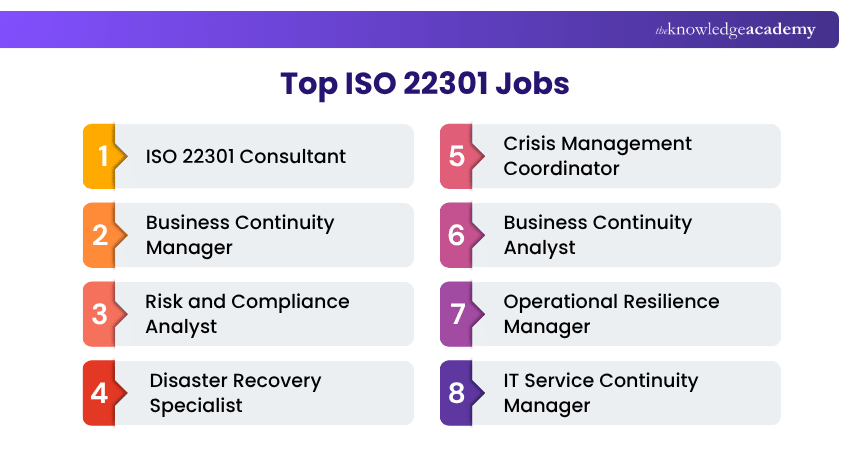
Top ISO 22301 Jobs
ISO 22301 knowledge can complement several careers related to Business Continuity and organisational resilience. While responsibilities vary between organisations, the following roles provide useful examples of where this knowledge may be applied.
1) ISO 22301 Consultant
An ISO 22301 Consultant helps organisations understand and apply the requirements of ISO 22301 within their Business Continuity Management System. Process assessment, gap identification and developing solutions are core activities associated with this role.
ISO 22301 Consultant Roles and Responsibilities:
a) Assess existing Business Continuity processes
b) Identify gaps against applicable ISO 22301 requirements
c) Support organisations in developing or improving a BCMS
d) Provide guidance on Business Continuity processes and documentation
e) Support internal reviews and improvement activities
f) Work with stakeholders to strengthen Business Continuity arrangements
Useful Skills:
a) Knowledge of ISO 22301
b) Business Continuity Management
c) Gap analysis
d) Auditing
e) Risk assessment
f) Communication
g) Stakeholder management
2) Business Continuity Manager
A Business Continuity Manager helps an organisation prepare for disruptions and maintain or recover prioritised activities when incidents occur.
Business Continuity Manager Roles and Responsibilities:
a) Develop and maintain Business Continuity arrangements
b) Coordinate Business Impact Analysis (BIA) activities
c) Support risk assessment
d) Develop continuity strategies and plans
e) Coordinate exercises and tests
f) Work with different departments and stakeholders
g) Review and improve continuity arrangements
Useful Skills:
a) Business Continuity planning
b) Business Impact Analysis
c) Risk assessment
d) Leadership
e) Communication
f) Exercise planning
g) Stakeholder management
3) Risk and Compliance Analyst
Risk and Compliance Analysts help organisations identify risks, evaluate processes and support compliance with relevant requirements. ISO 22301 may be particularly useful when their responsibilities include Business Continuity or operational resilience. This role could suit professionals who enjoy analysing processes, identifying weaknesses and working with structured requirements.
Risk and Compliance Analyst Roles and Responsibilities:
a) Identify and assess organisational risks
b) Review processes and controls
c) Support audits and compliance assessments
d) Document findings and recommendations
e) Track corrective or improvement actions
f) Support Business Continuity-related risk activities
Useful Skills:
a) Risk assessment
b) Compliance
c) Analytical thinking
d) Auditing
e) Reporting
f) Attention to detail
g) Communication
4) Disaster Recovery Specialist
A Disaster Recovery Specialist focuses on helping organisations recover technology, systems and related capabilities following disruption. They may also develop and test recovery plans and coordinate system restoration so critical technology can return to operation as quickly as possible.
Disaster Recovery Specialist Roles and Responsibilities:
a) Develop and maintain recovery procedures
b) Identify technology recovery requirements
c) Coordinate recovery activities
d) Participate in recovery exercises and tests
e) Review recovery capabilities
f) Work with IT teams and other stakeholders
g) Improve recovery arrangements based on test results or incidents
Useful Skills:
a) Disaster recovery planning
b) IT infrastructure knowledge
c) Backup and recovery concepts
d) Risk assessment
e) Testing
f) Incident response
g) Problem-solving
Pro Tip
Practise scenario-based thinking. Instead of learning recovery concepts only in theory, consider:
What would happen if an important system became unavailable? What needs to be restored? What dependencies exist? Who needs to act? How would you test whether the recovery arrangements work?
5) Crisis Management Coordinator
A Crisis Management Coordinator helps organise people, information and response activities during serious disruptive situations. The role can require strong communication and coordination because decisions may need to be made quickly and communicated to multiple stakeholders. This role may suit professionals who prefer fast-moving situations where communication, organisation and coordination are particularly important.
Crisis Management Coordinator Roles and Responsibilities:
a) Support and coordinate crisis response activities
b) Maintain crisis management procedures
c) Establish communication arrangements
d) Coordinate relevant stakeholders
e) Maintain information and records during an incident
f Support exercises and simulations
g) Help review lessons following an incident
Useful Skills:
a) Crisis communication
b) Coordination
c) Decision-making
d) Stakeholder management
e) Planning
f) Problem-solving
g) Ability to work under pressure
Lead the way in Business Continuity excellence. Level up your practical implementation skills with ISO 22301 Lead Implementer Training – Sign up now!
6) Business Continuity Analyst
A Business Continuity Analyst supports the development, maintenance and evaluation of an organisation's Business Continuity arrangements. This can be a particularly relevant career for professionals who enjoy analysis, documentation and continuity planning. Business Continuity Analyst commonly appears as a distinct job title across job boards and listings.
Business Continuity Analyst Roles and Responsibilities:
a) Support business impact analysis activities
b) Assist with Business Continuity plans
c) Analyse continuity risks and dependencies
d) Maintain Business Continuity documentation
e) Support exercises and testing
f) Track findings and improvement actions
g) Prepare reports and continuity metrics
Useful Skills:
a) Business Continuity
b) Business Impact Analysis
c) Risk assessment
d) Analytical thinking
e) Documentation
f) Communication
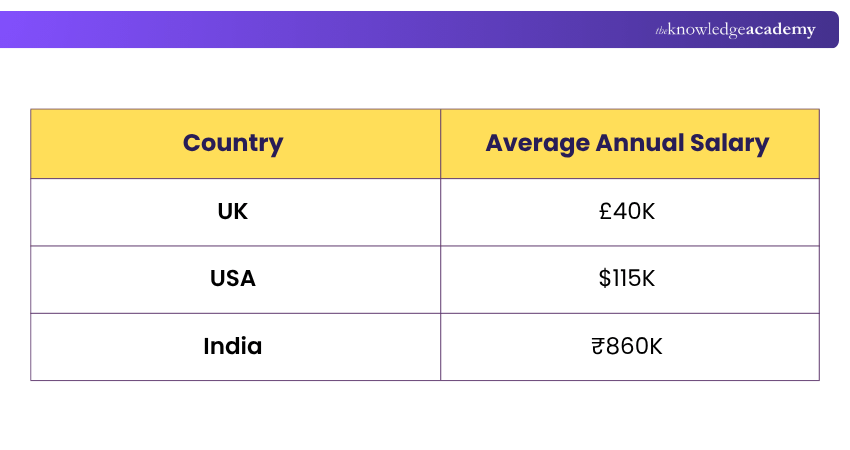
A Business Continuity Analyst is among the most highly sought-after roles as evidenced by the salary it commands across these major regions:
7) Operational Resilience Manager
An Operational Resilience Manager helps an organisation strengthen its ability to continue delivering important services during disruption and recover effectively afterwards. Operational resilience roles are increasingly tied to developing and maintaining Business Continuity programmes, particularly in UK job listings.
Operational Resilience Manager Roles and Responsibilities:
a) Develop operational resilience frameworks
b) Identify important business services and dependencies
c) Coordinate resilience planning
d) Work with Business Continuity, IT, risk and security teams
e) Support scenario exercises and testing
f) Identify resilience weaknesses and improvements
g) Report resilience risks to stakeholders
Useful Skills:
a) Operational resilience
b) Business Continuity
c) Risk management
d) Scenario testing
e) Stakeholder management
f) Governance
8) IT Service Continuity Manager
An IT Service Continuity Manager focuses on ensuring that critical IT services can continue or be recovered following disruption. The role centres specifically on IT systems and infrastructure, working closely with technical teams to build and test recovery capabilities for the services the business depends on most.
IT Service Continuity Manager Roles and Responsibilities:
a) Develop IT continuity strategies and plans
b) Identify critical IT services and dependencies
c) Coordinate recovery requirements
d) Support continuity and recovery exercises
e) Work with Disaster Recovery and infrastructure teams
f) Review IT continuity risks
g) Improve continuity arrangements following tests or incidents
Useful Skills:
a) IT Service Continuity
b) Disaster Recovery
c) IT infrastructure
d) Risk assessment
e) Testing
f) Incident management
Pro Tip
Build transferable skills alongside your ISO 22301 knowledge. Analytical thinking, communication, documentation, stakeholder management and decision-making can be useful across multiple Business Continuity-related careers.
9) Business Resilience Manager
A Business Resilience Manager helps strengthen an organisation's readiness to handle and recover from disruptive events. The position can bring together Business Continuity, crisis management, risk and other resilience activities. This breadth makes the role well-suited to professionals who want to work across multiple disciplines rather than specialise in just one.
Business Resilience Manager Roles and Responsibilities:
a) Develop organisational resilience strategies
b) Coordinate Business Continuity activities
c) Support crisis preparedness
d) Assess resilience risks and vulnerabilities
e) Coordinate exercises and simulations
f) Work across business, technology and risk functions
g) Identify opportunities to strengthen organisational resilience
Useful Skills:
a) Business Continuity
b) Resilience planning
c) Crisis management
d) Risk management
e) Leadership
f) Stakeholder communication
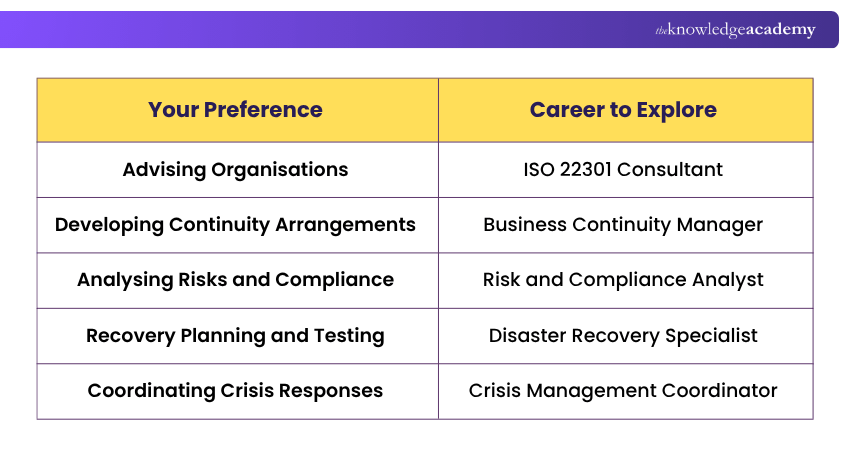
Here’s a quick career match you can consider:
Skills Needed for ISO 22301 Jobs
Although each career requires different expertise, several skills can be valuable across ISO 22301-related roles.
1) Business Continuity Knowledge: Understanding Business Continuity principles and how a BCMS operates provides a strong foundation for continuity-related roles.
2) Business Impact Analysis: BIA helps organisations understand the impact of disruption to activities and supports decisions about Business Continuity priorities and requirements.
3) Risk Assessment: Professionals should be able to recognise and assess risks relevant to Business Continuity and understand how they could affect organisational activities.
4) Planning and Documentation: Business Continuity professionals frequently work with plans, procedures, assessments and other documented information.
5) Communication: Clear communication is particularly important when working with senior leaders, operational teams, suppliers and other stakeholders.
6) Analytical Thinking: Professionals need to assess processes, dependencies, risks and potential improvements rather than simply follow predetermined procedures.
7) Exercising and Testing: Exercises can help organisations evaluate their continuity and recovery arrangements and identify opportunities for improvement.
8) Stakeholder Management: Business Continuity often involves multiple departments and external parties, making stakeholder coordination an important capability.
Conclusion
ISO 22301 Jobs can cover Business Continuity, risk and compliance, disaster recovery, consulting, crisis management and more. Each career requires a different combination of knowledge and practical skills. By understanding ISO 22301, boosting transferable capabilities and gaining experience in your chosen role, you can build a career path towards dependable Business Continuity.
Bolster your audit process with greater precision by signing up for our ISO 22301 Lead Auditor Course – Join today!
Frequently Asked Questions
What is the Current Version of ISO 22301?

The latest version of the Business Continuity standard is ISO 22301:2019, which is updated by Amendment 1:2024 to include climate action changes.
What are the Key Clauses of ISO 22301?
Here are the key ISO 22301 clauses:
a) Clause 1: Scope
b) Clause 2: Normative References
c) Clause 3: Terms and Definitions
d) Clause 4: Context of the Organisation
e) Clause 5: Leadership
f) Clause 6: Planning
g) Clause 7: Support
h) Clause 8: Operation
i) Clause 9: Performance Evaluation
j) Clause 10: Improvement
What are the Benefits of ISO 22301?
ISO 22301’s primary benefits include:
a) Minimising operational downtime during a crisis
b) Protecting revenue and assets
c) Ensuring legal and regulatory compliance
d) Boosting customer trust by demonstrating a proven ability to handle unexpected disruptions
What's the Difference Between ISO 22301 and ISO 27001?
ISO 27001 protects a company's data and information assets, while ISO 22301 protects the overall ability of a business to keep operating during an unexpected disruption.

Hailey Davis


Compliance Officer
Hailey Davis is an ISO compliance expert with over 10 years of experience in audit, quality management systems (QMS), and regulatory compliance. She has worked with various industries, including manufacturing, healthcare, and technology, ensuring organisations achieve and maintain ISO certifications. Hailey’s content provides practical, actionable insights on navigating compliance challenges and improving business processes.
View Detail

 If you wish to make any changes to your course, please


