




We may not have the course you’re looking for. If you enquire or give us a call on 01344203999 and speak to our training experts, we may still be able to help with your training requirements.
Types of Cryptocurrency: A Complete Guide to Categories
ByThe Knowledge AcademyLast updated on: 18 September 2026
Explore Types of Cryptocurrency like Bitcoin, altcoins, stablecoins, and tokens, including BTC, Ethereum, Solana, and memecoins with real-world uses today. Understand the key differences between these digital assets and their unique purposes. Gain the knowledge to navigate the fast-growing crypto market with confidence.

Have you ever heard someone say, "I made money with Bitcoin," while another person talks about Ethereum, Solana, or memecoins? If they all fall under Cryptocurrency, what actually makes them different? Understanding the Types of Cryptocurrency is the key to making sense of today's rapidly evolving digital economy.
Each Cryptocurrency is built with a unique purpose. Some are designed for fast payments, others power blockchain applications, while some support gaming, digital ownership, or decentralised finance. In this blog, you'll explore the major Types of Cryptocurrency, their features, real-world uses, and popular examples to help you confidently navigate the crypto world.
What is a Cryptocurrency?
Cryptocurrency is a type of digital currency that uses Cryptography for security. That makes it extremely difficult to counterfeit or double-spend. Unlike traditional currencies issued by governments, Cryptocurrencies operate on decentralised networks based on Blockchain Technology. It's a distributed ledger enforced by a network of computers.
This decentralisation means that no central authority, such as a bank or government, controls the currency, which can offer greater transparency and resistance to censorship. Cryptocurrencies can be used for various purposes, such as online purchases, investment, or transferring money across borders quickly and with lower fees.

What are the Various Types of Cryptocurrency?
The Cryptocurrency market is diverse and continues to evolve, with thousands of digital assets available today. At a high level, Cryptocurrencies are commonly grouped into three main categories: Bitcoin, Altcoins, and Tokens. Each category serves different purposes and includes several types of digital assets. Let's explore each one in more detail:
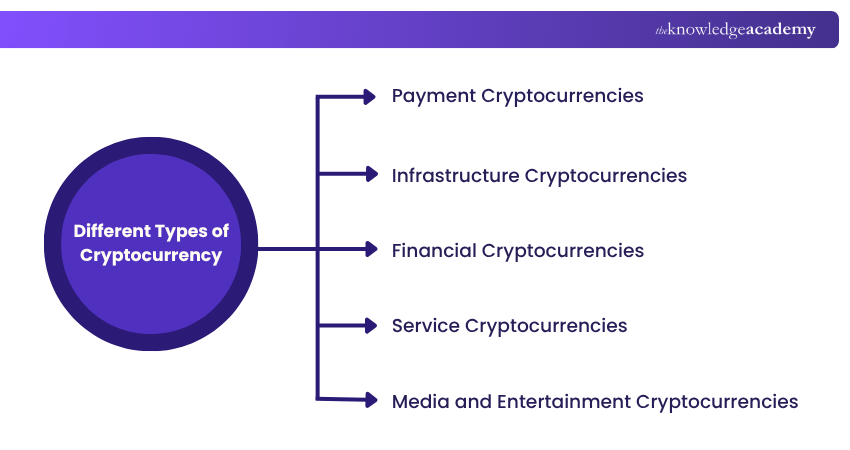
1) Payment Cryptocurrencies
Payment Cryptocurrencies are digital currencies designed for secure, fast, and low-cost transactions without banks or other intermediaries. They use blockchain technology to enable global value transfers and include Cryptocurrencies that serve as a store of value, maintain stable prices, or offer enhanced privacy.
Store of Value (SoV) Cryptocurrencies
Store of Value Cryptocurrencies are designed to preserve value over time. Their limited supply and decentralised nature make them popular for long-term investment.
Examples: Bitcoin (BTC)
Key Features:
a) Limited Supply: Helps maintain scarcity and value
b) Long-term Investment: Often viewed as a hedge against inflation
c) Global Accessibility: Easy to store and transfer worldwide
Stablecoins
Stablecoins are Cryptocurrencies pegged to assets such as fiat currencies or gold to minimise price fluctuations. They are widely used for payments, trading, and cross-border transfers.
Examples: Tether (USDT), USD Coin (USDC), DAI
Key Features:
a) Stable Value: Reduces price volatility
b) Fast Payments: Supports quick, low-cost transactions
c) Trading Utility: Commonly used across crypto exchanges
Memecoins
Memecoins are inspired by internet culture and online communities. While many began as jokes, some have become popular for trading, tipping, and community engagement.
Examples: Dogecoin (DOGE), Shiba Inu (SHIB), Pepe (PEPE)
Key Features:
a) Community-driven: Built around strong online communities
b) Highly Volatile: Prices can change rapidly
c) Speculative: Mainly used for trading
Privacy Coins
Privacy coins are designed to protect user identities by concealing transaction details, offering greater anonymity than most Cryptocurrencies.
Examples: Monero (XMR), Zcash (ZEC)
Key Features:
a) Enhanced Privacy: Hides transaction information
b) Secure Transfers: Uses advanced cryptographic techniques
c) Anonymous Payments: Supports confidential transactions
2) Infrastructure Cryptocurrencies
Infrastructure Cryptocurrencies power blockchain networks and provide the technology needed to build decentralised applications (dApps), smart contracts, and Web3 services. They also help improve blockchain speed, scalability, and interoperability.
Application Development
These Cryptocurrencies provide the foundation for developers to build decentralised platforms, games, NFT marketplaces, and DeFi applications.
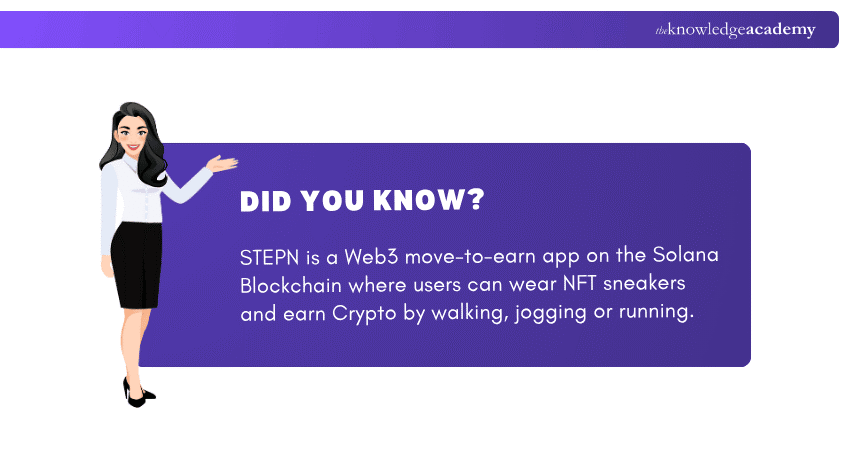
Examples: Ethereum (ETH), Solana (SOL), Avalanche (AVAX)
Key Features:
a) Smart Contracts: Automate agreements without intermediaries
b) dApp Development: Support decentralised applications
c) Web3 Ecosystem: Power DeFi, NFTs, and blockchain games
Scaling Solutions
Scaling solutions improve blockchain performance by increasing transaction speed and reducing network congestion and fees.
Key Features:
a) Higher Throughput: Processes more transactions
b) Lower Fees: Reduces transaction costs
c) Better Efficiency: Enhances network performance
Communication Solutions
These Cryptocurrencies help different blockchains exchange data and assets, making Web3 more connected.
Examples: Chainlink (LINK), Axelar (AXL), LayerZero (ZRO)
Key Features:
a) Cross-chain Connectivity: Transfers assets across blockchains
b) Real-time Data: Connects blockchains with external information
c) Improved Interoperability: Enables seamless network communication
Boost career prospects with strong Financial Analysis and decision-making skills with our Investment Management Course – Register now!
3) Financial Cryptocurrencies
Financial Cryptocurrencies support decentralised finance (DeFi), enabling users to trade, lend, borrow, and manage digital assets without traditional financial institutions.
Decentralised Finance (DeFi)
These Cryptocurrencies power financial services through smart contracts, making them more transparent and accessible.
Examples: Uniswap (UNI), Aave (AAVE), Compound (COMP)
Key Features:
a) Decentralised Trading: Swap Cryptocurrencies without intermediaries
b) Lending & Borrowing: Earn interest or access loans using crypto
c) Governance: Vote on platform updates and decisions
Asset Management
Asset management protocols help users maximise returns by automatically managing investments across DeFi platforms.
Key Features:
a) Yield Optimisation: Maximises investment returns
b) Portfolio Management: Simplifies crypto investing
c) Automated Strategies: Reduce manual trading
Tokenised Assets
These projects convert real-world assets into blockchain-based tokens, making them easier to trade and manage.
Key Features:
a) Digital Ownership: Represents physical assets on the blockchain
b) Greater Accessibility: Enables broader investment opportunities
c) Improved Transparency: Records ownership securely
4) Service Cryptocurrencies
Service Cryptocurrencies provide blockchain-based solutions for data storage, cloud computing, digital identity, and resource sharing. They improve security, transparency, and efficiency across industries.
Decentralised Storage
These platforms securely store files across distributed networks instead of central servers.
Examples: Filecoin (FIL), Storj (STORJ)
Key Features:
a) Secure Storage: Protects data using blockchain
b) Distributed Network: Reduces reliance on central servers
c) Reward System: Users earn tokens for sharing storage
Digital Resource Sharing
These Cryptocurrencies enable users to share computing power, energy, and data through decentralised networks.
Examples: Render (RENDER), Akash (AKT), The Graph (GRT)
Key Features:
a) Shared Computing: Provides GPU and cloud resources
b) Data Access: Supports blockchain data indexing
c) Efficient Resource Use: Connects providers with users
5) Media and Entertainment Cryptocurrencies
Media and entertainment Cryptocurrencies support digital creators, gaming, NFTs, and virtual worlds. They reward creators, enable digital ownership, and power transactions within blockchain-based platforms.
Non-Fungible Tokens (NFTs)
NFTs provide verifiable ownership of unique digital assets, including artwork, music, collectables, and virtual items.
Key Features:
a) Digital Ownership: Verifies ownership on the blockchain
b) Unique Assets: Each NFT is one of a kind
c) Creator Economy: Helps creators monetise digital content
Metaverse Tokens
Metaverse tokens power virtual worlds by enabling users to buy land, trade assets, and participate in digital communities.
Examples: Decentraland (MANA), The Sandbox (SAND)
Key Features:
a) Virtual Economy: Supports buying and selling digital assets
b) Community Governance: Allows users to vote on platform decisions
c) Interactive Experiences: Powers virtual worlds and events
Play-to-Earn Gaming
Gaming Cryptocurrencies reward players with digital assets for completing in-game activities and achievements.
Examples: Enjin (ENJ), Axie Infinity (AXS), Immutable (IMX)
Key Features:
a) Earn Rewards: Receive crypto through gameplay
b) Own In-game Assets: Players control and trade digital items
c) Blockchain Gaming: Supports decentralised gaming ecosystems
Understand effective risk management strategies to protect your capital with our Day Trading Course – Join now!
Major Cryptocurrencies Right Now
Among the most popular Cryptocurrencies are the ones mentioned below, which are valued for their market capitalisation, usability, and acceptance in everyday transactions.
a) Bitcoin (BTC): Bitcoin is the hegemon in the field of Cryptocurrencies and has undermined most other altcoins in terms of market cap. Its main purpose is to provide a digital store of value and investment for long periods.
b) Ethereum (ETH): Ethereum is known as the most significant blockchain platform that offers the execution of smart contracts and decentralised apps. It is one of the prime factors in DeFi, NFTs, and overall Blockchain Development.
c) Tether (USDT): Tether is a digital currency whose value is pegged to that of the US dollar, so that its price does not fluctuate very much. It is a popular coin for trading, transferring, and keeping value in the crypto world.
Why are There So Many Types of Cryptocurrency?
There are so many Types of Cryptocurrency thanks to Blockchain Technology being open-source, adaptable and easy to modify. Developers can create new digital coins by tweaking existing code, launching tokens on platforms like Ethereum or splitting projects through forks. Each Cryptocurrency serves different goals, from payments and smart contracts to privacy, gaming, and decentralised finance.
With growing demand and constant innovation, new Cryptocurrencies keep emerging, though not all will succeed long term. This constant evolution is driving competition, encouraging better solutions and unique use cases. As technology progresses, even more specialised Cryptocurrencies are likely to appear.
Gain practical trading skills and market insight with our Forex Trading Course today!
How to Choose the Right Type of Cryptocurrency and Where to Buy Them?
Choosing the right Crypto involves careful thought and consideration. Here are some key steps to follow:
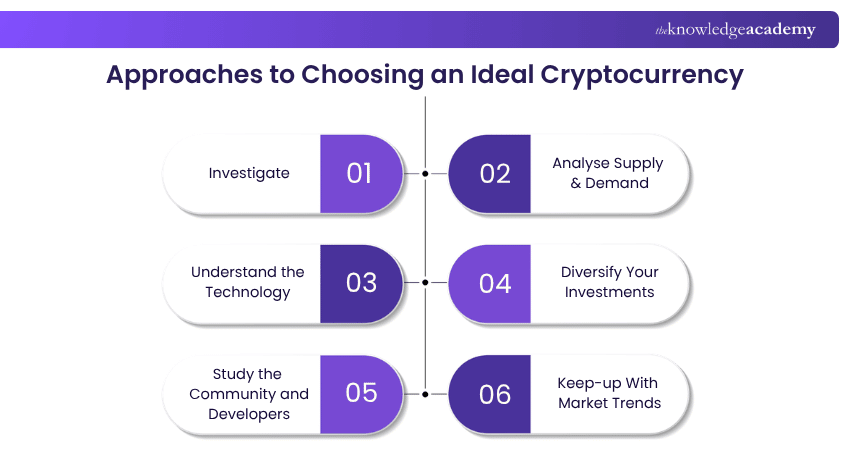
1) Before investing in any Type of Cryptocurrency, make sure to do thorough research. Understand what Crypto does, who its Developers are, what problem it solves, and its long-term potential. Also, check its Market Capitalisation and historical performance.
2) It's important to grasp the technology behind Crypto. Ask, if it's based on Blockchain, how secure is it? Does it offer unique technological advantages? For instance, Ethereum's smart contract functionality has made it a popular choice.
3) Strong support from a community and an active team of Developers can indicate the potential for a Cryptocurrency's success. Moreover, regular updates and active communication from the team can be good signs.
4) The value of a Crypto often depends on supply and demand. Cryptocurrencies with a limited supply, like Bitcoin, can have a higher value if demand increases.
5) Just like with any investment, it's advisable not to put all your eggs in one basket. Diversification can help you mitigate the risks that come with investing in Cryptocurrencies.
6) The Crypto market is very dynamic and can change rapidly. Stay updated with market news, global economic events, regulatory developments, and various other factors that can affect the market.
Once you've chosen a Cryptocurrency to invest in, the next step is to decide where to buy it. Here are some options:
1) Cryptocurrency Exchanges: Cryptocurrency exchanges such as Coinbase, Binance and Kraken allow users to buy, sell and store different Types of Cryptocurrencies. So, always choose a reputable exchange with strong security measures.
2) Peer-to-peer Trading: Some investors prefer buying Cryptocurrencies directly from others using peer-to-peer platforms. This method offers more privacy but can also carry more risk.
3) Bitcoin ATMs: Bitcoin ATMs work like regular ATMs, but instead of withdrawing money from your bank account, you can buy and sometimes sell Bitcoin against fiat currencies.
4) Decentralised Exchanges (DEXs): For those interested in DeFi, DEXs like Uniswap or Sushiswap allow buying and trading tokens directly from your own private wallet.

The Knowledge Academy develops accessible learning content across Project Management, IT, Cybersecurity, Data Science, Business Analysis, HR, Accounting and Finance, Leadership and Health and Safety. Its resources combine subject research with clear explanations to help professionals build practical knowledge across a wide range of disciplines.
View Detail

 If you wish to make any changes to your course, please


