




We may not have the course you’re looking for. If you enquire or give us a call on +420 210012971 and speak to our training experts, we may still be able to help with your training requirements.
10+ Social Media Ethics: Explained in Detail
ByThe Knowledge AcademyLast updated on: 15 September 2026
Explore key social media ethics for communicating honestly, protecting privacy, avoiding misinformation and building responsible online relationships.
Consider this scenario: you are scrolling through social media and spotting a post that twists the truth or an ad that feels a little too misleading. Would you trust that brand or account again? Probably not. At a time, when information spreads in seconds, social media ethics aren’t just important; rather they are essential for keeping the digital world honest and responsible. But what exactly are these ethics, and why should you care?
Moreover, social media ethics are not about restrictions; they are about creating a space where trust and authenticity thrive. In this blog, we’ll break down the key ethical principles that everyone should follow. Let’s dive in!
What are Social Media Ethics?
Social media ethics encompass a set of moral principles that guide behaviour on digital platforms. They ensure interactions are conducted responsibly and respectfully, safeguarding users’ rights and privacy. Ethical social media use involves avoiding misinformation, respecting confidentiality, and maintaining transparency. It’s about engaging in civil discourse, not indulging in personal attacks or defamation.
Organisations and individuals must ponder the impact of their online actions, balancing freedom of expression with the potential consequences on others’ reputations and well-being. As social media blurs personal and professional boundaries, it’s crucial to navigate these spaces thoughtfully, upholding standards that foster trust and constructive communication.

Top Social Media Ethics
Here are the top social media ethics:
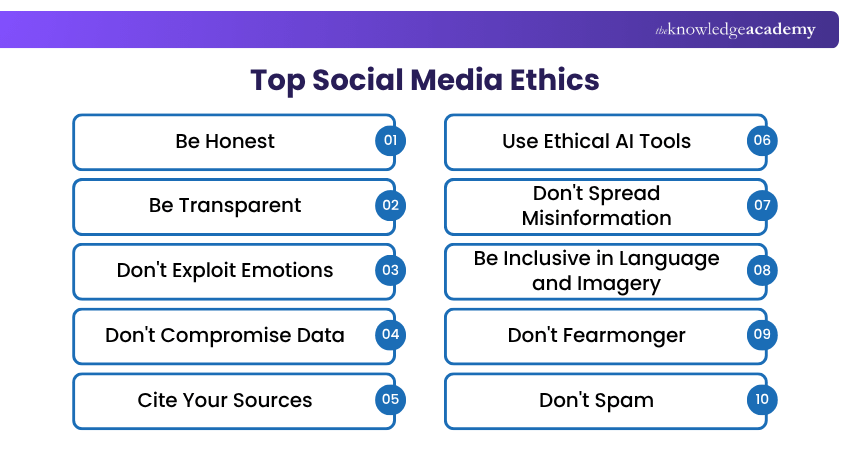
1) Be Honest
In social media marketing, integrity is key. Be truthful about your offerings, ensuring your brand's persona and customer communication reflect this honesty. Misrepresentation breeds scepticism and erodes trust. Avoid overstating capabilities or twisting facts. Focus on the genuine benefits and practicality of your offerings to foster credibility and confidence in your brand.
2) Be Transparent
Transparency is essential in social media marketing. While marketing strategies need not be blatantly obvious, concealing intentions with clever content is ill-advised. In today's digital landscape, a company's environmental, business, and political ties are readily accessible. Consumers swiftly evaluate businesses on their ethical stances and moral conduct. Therefore, it's advisable to be open about your affiliations, fostering an atmosphere of trust and openness.
3) Don't Exploit Emotions
Marketing often involves engaging emotions to inspire action, and while this is a recognised tactic, it's vital to distinguish between resonating with emotions and manipulating them for benefit. Leveraging sensitive topics or periods of turmoil for product promotion is inappropriate. Recall the 2017 Pepsi ad featuring Kendall Jenner, which faced backlash for seemingly exploiting emotional triggers.
4) Don't Compromise Data
Data security and privacy are sensitive issues. Businesses may use personal data from different sources to refine marketing strategies and target audiences, but its use should be approached carefully. Depending on the jurisdiction and activity, organisations may need an appropriate lawful basis and must meet applicable privacy and direct-marketing requirements.
Pro Tip
Collect with purpose. Before gathering personal data for a campaign, ask what you actually need it for, then collect only that. If a piece of information wouldn't change how the campaign runs, it probably shouldn't be collected at all.
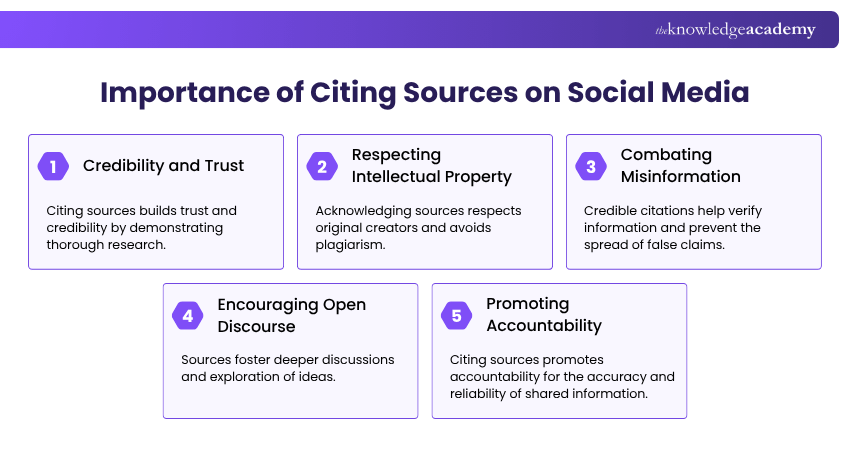
5) Cite Your Sources
Ethical online behaviour demands proper attribution for shared content. When reposting, always credit the original creator, be it a meme or a photo. With images, ensure you have the right to share, whether it's a purchased stock photo, a Creative Commons Zero (CC0) image not requiring attribution, an image with necessary creator credit, or one you've personally created. Respecting copyrights and crediting sources is vital for ethical social media engagement.
6) Use Ethical AI Tools
For social media marketing, opt for Artificial Intelligence (AI) tools from trusted sources that prioritise ethical standards. Maintain transparency with your audience about the usage of AI in your strategies. Thoroughly examine the data privacy measures of the AI tools to ensure they conform to your ethical principles and legal obligations. Remember, AI isn't infallible; always verify the accuracy of the information before disseminating it.
7) Don't Spread Misinformation
The prevalence of #FakeNews, especially during events like the COVID-19 pandemic, underscores the importance of verifying information. Ensure that any claim or fact shared on your business profile is sourced from credible, ethical origins. Spreading misinformation can lead to a loss of followers, customers, and in severe instances, legal repercussions.
Pro Tip
Before sharing a factual claim, check where it originated, whether the source is credible and whether the information is current. If a post relies on statistics, research or a quotation, follow the information back to its original source where possible.
8) Be Inclusive in Language and Imagery
Inclusivity and diversity are essential to a business’s reputation and audience trust. By representing different cultures, identities, and experiences authentically, ensuring accessibility, and valuing diverse perspectives, businesses can create meaningful connections, promote acceptance, and strengthen long-term brand loyalty.
9) Don't Fearmonger
Utilising fear as a motivator in social media is ethically questionable. Crafting posts that deliberately provoke undue fear is considered unethical. Negative emotions, when linked to marketing, can inadvertently become associated with the product itself. Ethical marketing practices suggest promoting your business and products by evoking positive emotions, creating an uplifting association rather than one rooted in fear.
10) Don't Spam
Spam and excessive posting can frustrate audiences, reduce engagement, and damage brand reputation. Ethical social media marketing should prioritise relevant, valuable content, meaningful interactions, and personalised engagement over repetitive promotions, automated messages, unwanted content, and clickbait. By focusing on authenticity and genuine value, brands can build stronger and more positive relationships with their audiences.
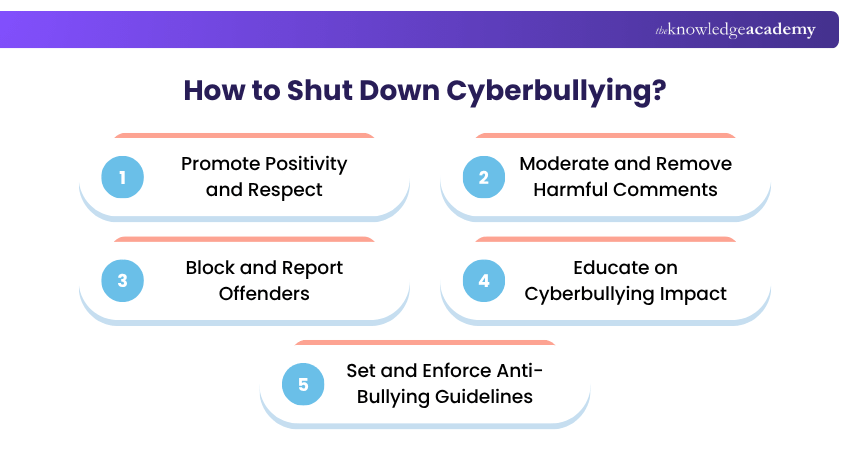
11) Discourage and Shut Down Cyberbullying
Social media ethics calls for a firm stance against cyberbullying. It's about fostering a community where respect prevails, and harassment is not tolerated. Ethical conduct includes intervening when bullying occurs, providing support to victims, and promoting positive interactions. Platforms and users alike must work to create a safe digital environment, actively discouraging and shutting down any form of online intimidation or abuse.
12) Respect People's Privacy
Social media ethics require respecting privacy and personal identity by protecting personal information, obtaining consent before sharing identifiable data, avoiding doxing, and respecting anonymity. These practices help create a safer digital environment while maintaining trust and integrity online.
13) Don’t Overpromise or Under-deliver
In ethical marketing, particularly on social media, honouring commitments is paramount. When you make a promise to your audience, it’s crucial to deliver on that pledge. If circumstances prevent fulfilment, transparency becomes key. Convey openly and honestly the reasons for any shortcomings. This practice not only builds trust but also establishes your brand as reliable and accountable.
Turn scrolls into engagement and engagement into growth with the Social Media Marketing Course – Join now!
Why Ethical Social Media Marketing Matters?
Audiences require ethical social media marketing to develop trust and credibility in businesses. The digital environment, full of false information, can be navigated with clear marketing ethics, personal ethics, and honest practices, together with consumer protection principles. Moral businesses develop enduring client relationships as well as dedicated followership.
Ethical brand standards can also help businesses reduce legal, regulatory, platform and reputational risks. Responsible marketing involves considering issues such as truthful advertising, appropriate data practices, transparency and respectful communication. Importantly, legal requirements vary according to the jurisdiction and activity, so ethical conduct should complement rather than replace legal compliance.
Here’s why ethical social media marketing matters:
a) Earns Genuine Trust: People are more likely to connect with brands that are upfront and honest in their messaging.
b) Keeps Your Reputation Intact: A misleading or inappropriate post can damage credibility. Ethical marketing helps businesses protect the trust they have built with audiences.
c) Builds Long-term Customer Loyalty: Consistent, honest communication can support stronger relationships with customers over time.
d) Reduces Compliance and Legal Risks: Misleading advertising, improper endorsements or inappropriate use of personal data can create regulatory or legal issues depending on the circumstances and jurisdiction.
e) Encourages Real Engagement: Ethical marketing focuses on meaningful communication rather than misleading people into interacting with content.
Social Media Ethics Checklist
|
Check
|
Question to Ask
|
|
Accuracy
|
Is this verified and accurate?
|
|
Source
|
Have I credited the original creator?
|
|
Transparency
|
Could my intention or connection be misunderstood?
|
|
Privacy
|
Am I sharing someone's data without permission?
|
|
Fairness
|
Could this mislead or unfairly target people?
|
|
Respect
|
Could this exclude or harm someone?
|
|
AI
|
Have I checked AI-generated content for accuracy?
|
Learn the need for social responsibility in society with our Social Responsibility Course – Join today!

The Knowledge Academy develops accessible learning content across Project Management, IT, Cybersecurity, Data Science, Business Analysis, HR, Accounting and Finance, Leadership and Health and Safety. Its resources combine subject research with clear explanations to help professionals build practical knowledge across a wide range of disciplines.
View Detail

 If you wish to make any changes to your course, please


