




We may not have the course you’re looking for. If you enquire or give us a call on 01344203999 and speak to our training experts, we may still be able to help with your training requirements.
Importance of First Aid: Explained
ByThe Knowledge AcademyLast updated on: 03 October 2026
The blog discusses the importance of first aid and provides a comprehensive explanation supported by various reasons. It expresses the importance of immediate medical assistance in emergencies, the potential to save lives, and the role of first aid in preventing further injuries or complications.
Overview
1. First aid supports a safer and more organised response to emergencies.2. Prompt action can reduce discomfort and support the recovery process.3. Training helps individuals assess situations and provide suitable assistance.4. Knowing personal limits ensures professional medical help is sought when required.5 Regular training and well-maintained supplies improve emergency preparedness.
When faced with unexpected medical emergencies, the absence of immediate aid presents significant challenges, potentially leading to severe consequences. This emphasises the crucial role of timely first aid, which has the potential to save many lives. Hence, it is significant to understand the importance of first aid to help you deal with critical situations effectively.
Unfortunately, being prepared to respond appropriately in an emergency requires the right knowledge and skills. Understanding the importance of first aid can help you respond more confidently in everyday emergency situations. Let's learn more about it!
Importance of First Aid in Our Lives
When those around you face critical emergencies, your first instinct is to do everything possible to preserve their life. However, without the necessary skills, your ability to help is limited, and in some cases, the absence of aid can be life-threatening. This is why understanding the importance of first aid is crucial. Here’s a list highlighting its importance:
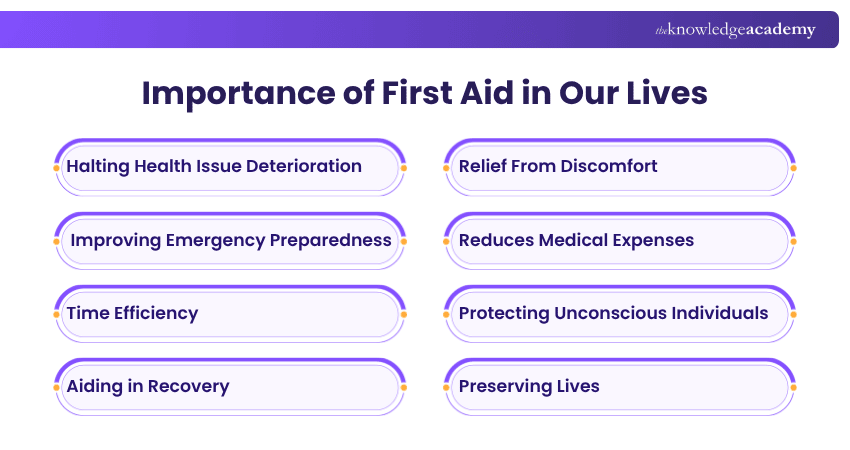
1) Halting Health Issue Deterioration
First aid can help prevent injuries or medical conditions from worsening before professional help is available. By administering proper first aid and recognising first aid symbols, there's a higher chance of preserving a person's life because it helps limit the extent of harm.
Example: When someone is severely bleeding, significant blood loss can become life-threatening. Apply firm pressure to the wound, call the emergency services, and continue applying pressure until help arrives.
A similar principle applies to burn victims. Timely and appropriate care can help contain the damage caused by burns. Cool a burn under cool running water for 20 minutes as soon as possible and seek appropriate medical help depending on its severity.
When it comes to snakebites, seek medical help immediately and keep the affected part of the body as still as possible while waiting for assistance. Do not try to suck or cut out venom or tightly restrict the affected limb.
2) Improving Emergency Preparedness
Accidents, as the word suggests, are unintentional and can happen to anybody. They are an unfortunate part of the reality we live in. We cannot predict accidents. However, we can be better equipped to deal with accidents as the wrong moves can have lifelong effects on the people they effect.
The first thing to do in such a situation is to manage the chaos. Make sure that the affected people are calmed down and assist the situation mindfully. If, in case, someone is unconscious, it’s best to provide them with first aid using techniques like CPR if needed. If the affected people are bleeding profusely, you must learn to stop or contain the bleeding by applying pressure.
Bonus Tip
Before providing first aid, check that it is safe to approach the person. Avoid putting yourself or others at additional risk, assess the situation, and contact emergency services when necessary.
3) Time Efficiency
While giving first aid, it is important to be mindful of time, as every second can make a difference. In some medical emergencies, rapid action can significantly affect the outcome, so recognising the problem and providing appropriate first aid promptly is important.
The right first aid can help save lives and help limit further injury and blood loss. Make sure that you do not complicate tasks as it may consume more time; keep it simple and systematic in order to be time efficient.
4) Aiding in Recovery
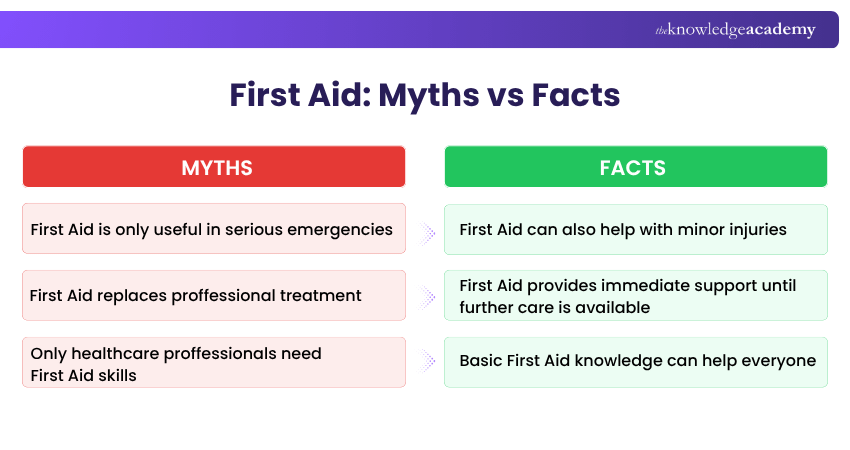
Appropriate first aid can support recovery and help prevent some injuries from worsening. This is a pivotal reason for administering first aid to those facing various health emergencies. Sometimes, the application of first aid can prevent the necessity for further medical intervention. This is usually the case with minor injuries like cuts, scrapes, and sprains.
Effective first aid not only conserves medical expenses when the victim no longer requires specialised care but also prevents some conditions from worsening before professional care is available. Conversely, improper first aid can exacerbate injuries, leading to extended medical bills and a prolonged healing process.
Trainer's Insight
First aid provides immediate assistance, but it does not replace professional medical care when further treatment is required. A key first aid skill is recognising the limits of the assistance you can provide and knowing when to seek additional medical help.
5) Relief from Discomfort
One strong reason that dictates the importance of first aid is that it can help reduce pain. Injuries often come accompanied by intense discomfort, which can cause significant distress to the victim. Hence, it is vital to place the victim in a position that minimises pain and suffering.
Proper first aid can considerably diminish the pain and distress experienced by the injured party. A person trained in first aid knows how to address a distressed victim effectively, regardless of the injury's type or nature, like fractures, bruises, or a degloved face, thereby mitigating suffering.
6) Reduces Medical Expenses
As we all know, medical procedures are expensive, and not everyone can afford them. If the affected person doesn’t get the required first aid attention on time, their condition can get worse causing them to need more medical procedures to repair.
The more procedures, the more the medical expenses will be. The right measures during first aid can prevent such damage and save the person's life while also reducing the load of medical bills on their pocket.
7) Protecting Unconscious Individuals
Unconscious victims of diverse emergencies require protection, as they are in a defenceless state and unable to communicate. Understanding the condition of the victim is essential to provide appropriate assistance.
If a person is unresponsive, check whether they are breathing and seek emergency help. An unresponsive person who is breathing should have their airway kept open and may need to be placed in the recovery position, while someone who is not breathing normally requires immediate emergency assistance.
Build advanced emergency skills for critical moments with the Advanced First Aid Training – Join now!
8) Preserving Lives
Numerous lives are lost due to health emergencies that could have been managed with proper first aid. Additionally, certain health emergencies are highly critical and can swiftly lead to fatality. This is why research has been dedicated to refining first aid techniques, making them cost-effective by utilising locally available resources. However, this cost-effectiveness does not diminish their efficiency in saving lives.
When left unattended, victims of severe life-threatening emergencies face the risk of death. For instance, appropriate first aid is imperative in cases of sudden cardiac arrest, demanding immediate CPR. Immediate first aid is also pivotal in scenarios involving excessive bleeding, asthma attacks, and choking.
During such emergencies, the individuals in proximity become the primary source of hope for the victim's survival. Hence, it becomes imperative for everyone to possess first aid skills to act as potential lifesavers.
Reasons Behind Acquiring Knowledge in First Aid
Life is full of unforeseen accidents. This highlights the importance of being able to think clearly and maintain your composure while responding to these kinds of emergencies. From preventing injuries to saving lives, here are a few reasons why you should need first aid skills:
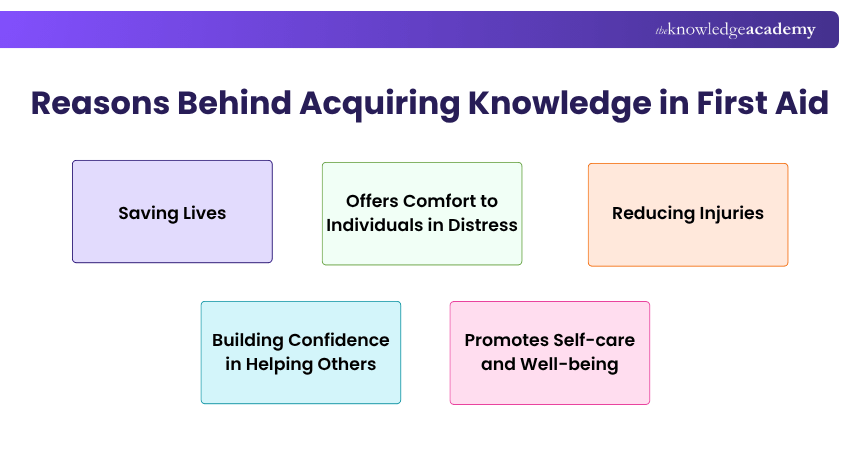
1) Saving Lives
Today, many adults lack the knowledge and confidence to act and administer first aid. This emphasises the critical importance of being prepared to respond swiftly in an emergency. Acquiring first aid knowledge can give you the ability not only to remain calm under pressure and assess situations, but also undertake the necessary measures.
In some emergencies, timely and appropriate first aid can improve a person’s chances of survival. With proper first aid skills, you can become a valuable resource capable of helping others in critical moments. Whether someone is experiencing a stroke or choking, your knowledge enables you to provide the appropriate assistance.
2) Offers Comfort to Individuals in Distress
Not all injuries or illnesses are life-threatening, but your first aid knowledge allows you to differentiate between scenarios. This means you can provide comfort to individuals until professional medical help arrives. Your care can potentially alleviate their pain and suffering and, in some cases, render further assistance unnecessary.
As a first responder, you'll be better equipped to assess injuries or illnesses and provide essential pain relief, making sure the person is as comfortable as possible. For example, if someone injures their ankle in the workplace, you can provide appropriate initial care and recognise when further medical assessment may be needed. Moreover, with anxiety or panic attacks, your initial care can help ease distress and make the person more comfortable until additional help arrives.
3) Reducing Injuries
When time is of the essence regarding first aid, having a fully equipped first aid kit in all public places is important for a quick response. Administering appropriate care early can significantly reduce pain and mitigate the impact of an illness or injury. You can prevent a condition from worsening and stabilise the individual until professional help arrives.
When help does arrive, your ability to communicate effectively with emergency services about the situation can be invaluable, saving precious time and aiding their response. Furthermore, acquiring first aid knowledge can help you identify potential hazards and risks, both at home and in public places. You'll become more adept at recognising situations that could lead to injury and identifying signs that someone may be on the verge of falling ill.
4) Building Confidence in Helping Others
Even basic first aid skill makes a profound difference. In emergency situations, you'll exude confidence, remain calm under pressure and display resilience and vital skills in stressful and serious circumstances. This newfound confidence benefits not only yourself but also the individuals in need of immediate care.
Beyond its medical implications, the skills and techniques you acquire through first aid will enhance your self-assurance in various aspects of life. Knowing that you can provide support in times of need fosters a strong sense of achievement.
5) Promotes Self-care and Well-being
Lastly, learning first aid emphasises the importance of self-care. While learning first aid practices, you'll receive the proper guidance on looking after yourself and prioritising your own safety. Self-care not only benefits you, but it also makes sure you can be at your best when aiding others.
It also highlights the significance of having a healthy life and positive lifestyle choices, prompting you to consider your own health, well-being, and injury and illness prevention.
First Aid Preparedness Checklist
Being prepared can make it easier to respond appropriately when an emergency occurs. Consider the following:1. Learn recognised first aid skills through appropriate training.2. Keep suitable first aid supplies readily accessible.3. Check first aid kits periodically and replace used or expired items.4. Know how to contact emergency services when necessary.5. Refresh your first aid knowledge and training as required.6. Understand the limits of your training and seek professional help when needed.
Learn to build safer workplaces and protect every team with the Health & Safety in the Workplace Training today!

The Knowledge Academy develops accessible learning content across Project Management, IT, Cybersecurity, Data Science, Business Analysis, HR, Accounting and Finance, Leadership and Health and Safety. Its resources combine subject research with clear explanations to help professionals build practical knowledge across a wide range of disciplines.
View Detail

 If you wish to make any changes to your course, please


