




We may not have the course you’re looking for. If you enquire or give us a call on 01344203999 and speak to our training experts, we may still be able to help with your training requirements.
How To Start a Property Management Company: Step-by-Step Guide
ByThe Knowledge AcademyLast updated on: 09 September 2026
Learn How To Start a Property Management Company with steps like market research, licensing, business planning, software setup and building contractor networks. Focus on compliance and client acquisition early to build trust and credibility. Develop communication and financial management skills for long-term business growth and success.

Starting a property management business can be a rewarding way to build a steady income while working closely with property owners and tenants. It requires a clear understanding of legal requirements, market demand, and efficient operational processes.
If you are wondering How To Start a Property Management Company, having the right strategy and tools in place is essential. From planning and compliance to building networks and systems, here is a step-by-step guide to help you get started.
What is Property Management?
Property Management means looking after a property for the owner. This can include homes, offices, shops, or factories. A Property Manager handles daily tasks like repairs, cleaning, safety checks, and rent collection to keep the land in good shape and running smoothly. They usually work for people who own rental properties and help maintain the land’s value while making sure it earns income.
Key Points:
a) Property Managers handle daily tasks like repairs, rent, and tenant needs for owners
b) They manage different properties such as homes, offices, shops, and factories
c) They must follow local laws and may need a licence
d) They help with complex rules in government-supported housing
e) Hiring them saves owners time when their service costs less than self-managing

Steps to Start a Property Management Company
Starting a Property Management business can be exciting but challenging. If you're exploring How to Start a Property Management Company, here are the key steps to help you begin with confidence.
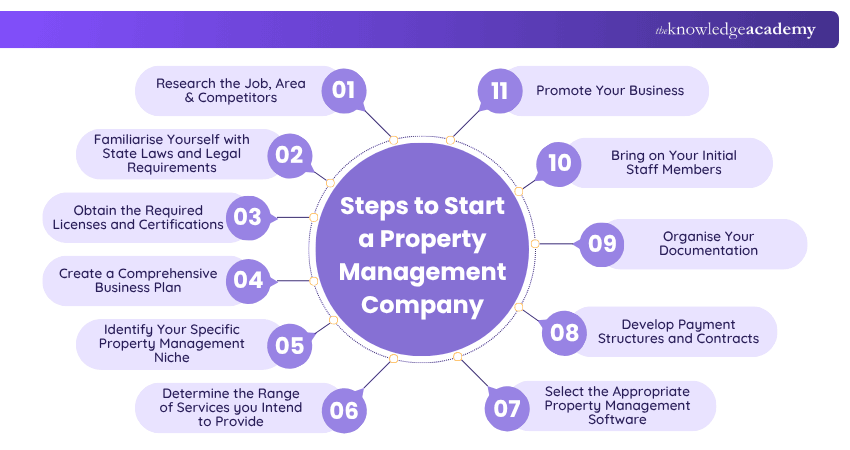
1) Research the Job, Area & Competitors
a) Go for a detailed market analysis, so that you understand the demand and supply for property management services in your target area.
b) Use online tools like Keyword Planner and Google Trends to gauge the public's interest in Property Management topics.
c) Network with local property boards, chambers of commerce and industry associations. This will help you secure connections and stay updated on trends.
d) Perform competitor analysis using tools such as SimilarWeb, SEMrush and Moz to identify competitors’ strengths and weaknesses.
2) Familiarise Yourself with State Laws and Legal Requirements
a) You must study the key UK legislation, including the Landlord & Tenant Act 1985, Housing Act 2004 and Private Rented Tenancies Regulations.
b) Understand the legal obligations related to rent increases, repairs, deposit protection and tenant evictions.
c) Ensure compliance with health, safety and housing standards as part of your business operations.
You can seek legal guidance to stay current with the local authority requirements and evolving property laws.
3) Obtain the Required Licenses and Certifications
a) Register your business with Companies House and get a tax license from HMRC.
b) Secure memberships or licenses from professional bodies such as The Property Ombudsman (TPO), the National Association of Estate Agents (NAEA), and the Association of Residential Letting Agents (ARLA).
c) Display your certifications to establish credibility among clients and partners.
d) You must regularly renew the licenses and maintain compliance with industry regulations to operate lawfully.
Develop strong legal and regulatory knowledge for compliance with our Real Estate Brokerage Training – Join today!
4) Create a Comprehensive Business Plan
A robust business plan is the roadmap to your Property Management company's success. It assists as a guiding document outlining your goals, strategies, and actions. A well-structured business plan should include:
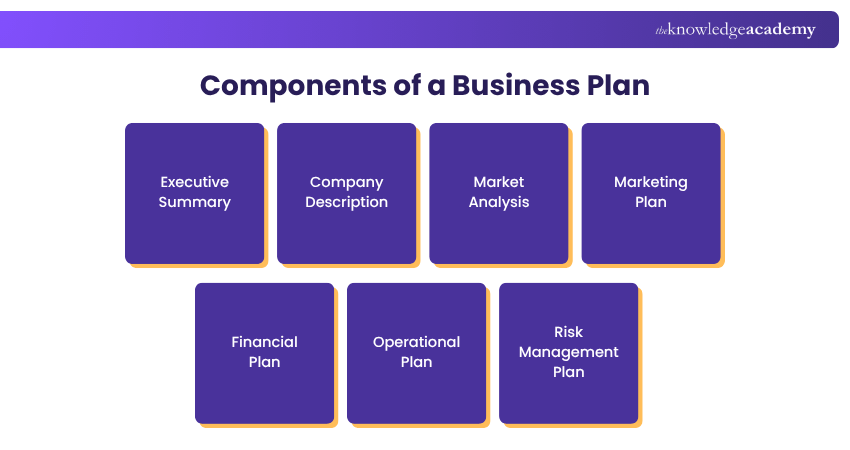
a) Executive Summary: A concise overview of key points in your plan.
b) Company Description: Details about your business, including name, location, legal structure, ownership, history, and objectives.
c) Market Analysis: Insight into your target customers, their needs, demographics, psychographics, buying behaviour, preferences, challenges, and competitors' strengths and weaknesses.
d) Marketing Plan: Strategies for promoting your services through various channels such as online platforms, offline methods, referrals, and partnerships.
e) Financial Plan: Projections for income statements, balance sheets, cash flow statements, break-even analysis, and funding requirements for the next three to five years.
f) Operational Plan: Details on day-to-day operations, including staff management, training, record-keeping, and compliance with laws and regulations.
g) Risk Management Plan: Identify potential risks affecting your business, such as legal issues, financial challenges, operational concerns, and market dynamics, along with strategies to mitigate or prepare for them.
A comprehensive business plan not only guides your operations but can also facilitate funding from investors or lenders if needed.
5) Identify Your Specific Property Management Niche
a) Do proper research to determine the property types and services that are in demand in your region.
b) Define your Unique Selling Proposition (USP) by specialising in a niche market such as commercial, residential or short-term rentals.
c) Tailor your services to address specific client needs and market gaps.
d) Building a focused niche can help your business stand out and attract loyal clients.
6) Determine the Range of Services you Intend to Provide
Property Management services involve a variety of tasks, including maintenance, tenant screening, and rent collection. Depending on your chosen niche and customer expectations, decide on the level of service you intend to provide. Options include:
a) Full-service Property Management: A comprehensive and premium option covering all aspects of Property Management. You act as the owner's representative, handling everything from start to finish, and charge a higher commission or percentage of the rent.
b) Partial-service Property Management: A more flexible and affordable option covering specific aspects such as maintenance, repairs, and administration. You charge a lower commission or percentage of the rent for this service.
c) Self-managed Property Management: The least comprehensive and cost-effective option, covering only specific aspects like maintenance and repairs. You charge a minimal commission or percentage of the rent.
Tailor your service offerings to align with your niche and the preferences of your target consumers.
7) Select the Appropriate Property Management Software
Efficient Property Management relies on suitable software to streamline operations. Property Management Software helps create and update listings, communicate with owners, investors, and tenants, process payments, track performance metrics, generate documents, and ensure compliance with regulations and laws.
Different types of Property Management Software are available, including:
a) Online Platforms: Web-based applications facilitating online listing creation, communication, and document management. Examples include Rightmove, Zoopla and many more.
b) Desktop Applications: Software programs installed on computers for offline listing management and communication. Examples include Property Manager Pro, Property Manager Plus, and Property Manager Express.
c) Mobile Applications: Software programs installed on smartphones or tablets for on-the-go listing management and communication.
You should choose software that aligns with your business needs, ensuring efficient listing management, communication, payment processing, and compliance.
8) Develop Payment Structures and Contracts
Establishing clear payment structures and contracts is fundamental to a Property Management company's success. Payment structures govern how you collect rent and other fees, including elements such as:
a) Rent Amount: The agreed-upon fee for using the property or services per month or year.
b) Rent Period: The duration for which customers agree to pay rent for using the property or services.
c) Rent Increase: The permissible percentage or amount of increase in rent over time-based on market conditions or other factors.
d) Rent Reduction: The permissible percentage or amount of decrease in rent over time-based on market conditions or other factors.
e) Late Payment Fee: The percentage or amount charged for late payments based on the agreement or contract.
f) Security Deposit: The upfront payment customers agree to make as a guarantee for any damages or losses during their stay.
Contracts formalise how you provide services and include the following:
a) Listing Agreement: Outlining terms and conditions for using your property or services, including rent amount, rent period, rent increase, rent reduction, late payment fee, security deposit, etc.
b) Management Agreement: Detailing terms and conditions for managing the property, including the scope of services, responsibilities, fees, and expenses.
c) Lease Agreement: Defining terms and conditions for renting the property to tenants, covering rent amount, rent period, rent increase, rent reduction, late payment fee, security deposit, etc.
Clear and well-drafted contracts are crucial for ensuring transparency and avoiding disputes.
Become familiar with data collection, analysis techniques, and recapitulation. Join our Real Estate Risk Management Training today!
9) Organise Your Documentation
Efficient documentation is the backbone of a well-managed Property Management company. Systematically organise your documentation to ensure accessibility, updates, and secure storage. Key components of documentation include:
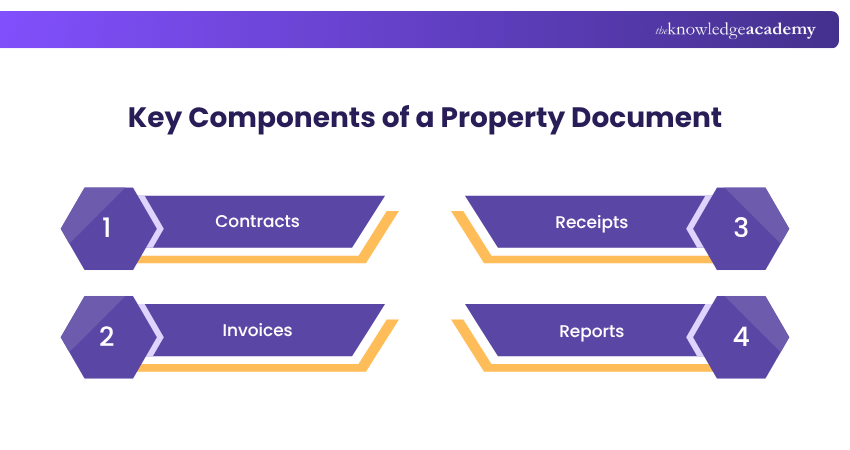
a) Contracts: Legal documents formalising the provision of services, such as listing agreements, management agreements, and lease agreements. Organise contracts for easy access, updates, and storage.
b) Invoices: Documents requesting payment from customers for using your property or services, including listing fees, management fees, and rent payments. Organise invoices for easy generation, sending, and tracking.
c) Receipts: Documents confirming payment from customers for using your property or services. Organise receipts for easy collection, verification, and recording.
d) Reports: Documents summarising and analysing the performance of your properties and customers, including occupancy rate, rental income, and expenses. Organise reports for easy creation, sharing, and review.
Property Management Software can be invaluable for organising documentation in a digital format, enhancing efficiency and accessibility.
10) Bring on Your Initial Staff Members
a) Recruit skilled professionals for roles like marketing, accounting, legal compliance, and customer service.
b) Make sure every team member has the expertise and professional attitude to meet the industry standards.
c) You must offer comprehensive training on Property Management Software and communication practices.
d) Work to build a culture of collaboration and excellence. It's the key to deliver seamless service to clients and tenants.
11) Promote Your Business
Promoting your Property Management business effectively is essential for attracting and retaining customers, building revenue, and establishing a strong market presence. Here are some strategies for promoting your business:
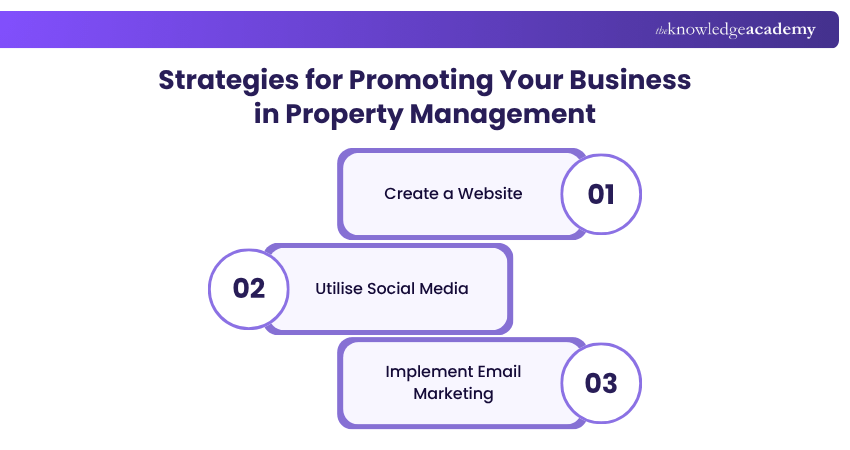
a) Create a Website: A professional website serves as a powerful tool for showcasing your properties and services to potential customers. It can also facilitate lead generation, appointment booking, and payment acceptance. Online platforms like WordPress or Wix can help you create a cost-effective and professional-looking website.
b) Utilise Social Media: Social Media is a popular platform for connecting with potential customers. It allows you to share information and updates and engage with your audience. Establish pages or profiles on platforms like Facebook or Instagram to promote your properties and services. Social Media can be a cost-effective way to enhance your online presence.
c) Implement Email Marketing: Email marketing remains an effective communication method with potential customers. It lets you send newsletters, offers, and updates directly to their inbox. Establishing an email marketing strategy can help you connect with your customers and promote your services effectively. Promotion is an ongoing process, and adapting your strategies to advancing market trends and customer preferences is crucial for sustained success.
Acquire a comprehensive understanding of Real Estate valuation techniques. Join our Real Estate Financial Modelling Training now!
What are the Start-up Costs?
Property management start‑up costs typically include legal fees, licensing, essential technology, and early marketing expenses. Key investments cover business registration, insurance, software, and website development. Additional spending may include office setup, utilities, and basic marketing materials. Keeping 3–6 months of operating reserves.
Challenges in Running a Property Management Company
Running a property management company involves handling demanding tasks like tenant screening, urgent repairs, rent collection, and compliance. Time pressures, aging properties, staff turnover, and adopting effective technology are common challenges. Consistent communication with tenants and owners is crucial. Strong financial management helps minimise risks and support profitability.
Do I Need any Prior Industry Experience?
Having industry experience can be very helpful, but it is not always required. If you have already worked in Real Estate, Customer Service or land maintenance, it will make things easier because you understand how properties and tenants are managed.
If you don’t have experience, you can learn by taking courses, reading guides, and gaining knowledge about rental laws and basic property care. As long as you are willing to learn, stay organised, and communicate well, you can still do well in this business.
How do I Choose a Niche?
Choosing a niche means deciding what type of properties or clients you want to focus on. To do this, think about what you understand best or what interests you. For example, you might choose to manage rental homes, student housing, office spaces, or holiday apartments.
Also, look at what people in your area need. If your city has many rental flats, managing flats could be a good choice. Choose a focus that suits your interests and matches local demand. This helps you provide better service and grow your business.
Become familiar with all crucial aspects of investing and trading with our Investment and Trading Training – Register now!

The Knowledge Academy develops accessible learning content across Project Management, IT, Cybersecurity, Data Science, Business Analysis, HR, Accounting and Finance, Leadership and Health and Safety. Its resources combine subject research with clear explanations to help professionals build practical knowledge across a wide range of disciplines.
View Detail

 If you wish to make any changes to your course, please


