




We may not have the course you’re looking for. If you enquire or give us a call on 01344203999 and speak to our training experts, we may still be able to help with your training requirements.
Home
 Resources
IT Security & Data Protection
Cyber Security Policy: Types, Importance, and Implementation
Resources
IT Security & Data Protection
Cyber Security Policy: Types, Importance, and Implementation
Resources
IT Security & Data Protection
Cyber Security Policy: Types, Importance, and Implementation
Cyber Security Policy: Types, Importance, and Implementation
ByThe Knowledge AcademyLast updated on: 05 October 2026
A cyber security policy outlines the rules, policies, and criteria for protecting data, handling access, and reacting to cyber threats across an organisation. It defines roles and responsibilities for employees and IT teams. The policy also ensures compliance with legal standards and promotes a culture of security awareness.
Overview
1. A cyber security policy defines how an organisation protects its systems, data, devices, and digital resources from cyber threats.2. It establishes responsibilities and security requirements for areas such as access control, password management, data protection, and incident response.3. Organisations may use an overarching cyber security policy alongside specialised policies for email security, BYOD, remote access, and other security areas.4. Creating an effective policy involves assessing risks, defining its scope, assigning responsibilities, establishing security requirements, and communicating them to employees.5. Cyber security policies should be reviewed and updated regularly to reflect changes in threats, technologies and organisational needs.
Do you know what's even more terrifying than the sheer number of cyber threats lurking in the digital landscape? The fact that they grow smarter with each crime. In the current digital battlefield, data is gold and hackers are the modern-day pirates. As cybercrime grows smarter, so must your defences. This calls for a strong cyber security policy to serve as your organisation's shield.
A well-defined cyber security policy brings structure to how an organisation approaches security and responds to evolving risks. Understanding its different type and implementation process can help organisations build a more consistent approach to protecting their digital environment. Let's begin!
What is a Cyber Security Policy?
A cyber security policy is a collection of rules and measures that an organisation follows to safeguard its digital assets against cyber threats. It typically covers access control, password management, network security, data protection, incident response, etc.
The cyber security policy aids in ensuring that employee understand their responsibilities in maintaining system security. This could also include helping in disaster recovery planning and overall risk management.

Why Do I Need a Cyber Security Policy?
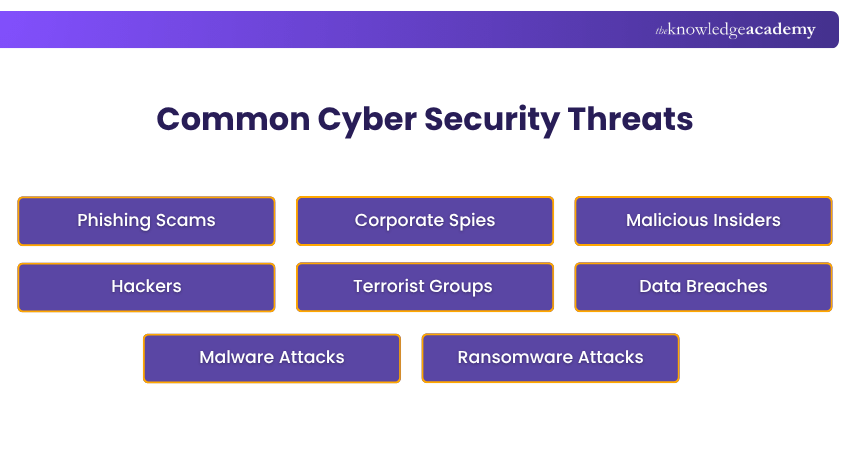
You need cyber security policy because it safeguards your organisation from increasing digital risks such as data breaches, ransomware, and phishing attacks. It establishes explicit expectations for employee conduct and describes how sensitive information is to be treated.
Without an explicit policy in place, your business is more exposed to errors, security holes and regulatory non-compliance. Having a policy not only decreases your risk but also gives clients and other stakeholders peace of mind.
Core Components of a Cyber Security Policy
An effective cyber security policy must cover the following:
1) Access Control: Define who can access systems, data and applications, and under what conditions. You must implement a role-based access approach and regularly review permissions to prevent unauthorised entry.
2) Password Management: Set rules for creating and managing strong passwords securely. Passwords should be changed when compromise is suspected, and Multi-factor Authentication (MFA) should be used where appropriate.
3) Data Protection: Outline how personal, financial and sensitive business data should be stored, shared, and encrypted. This means you must include data classification protocols to manage different levels of sensitivity.
4) Network Security: Include measures like firewalls, antivirus software, VPN usage, and secure Wi-Fi practices. You must continuously monitor networks to detect and block suspicious activity in real-time.
5) Device Usage: Set guidelines for using company devices and personal devices securely. This means appropriate security measures, such as encryption and remote wipe capabilities, should be defined for portable devices based on organisational requirements and risk.
Trainer's Insight
A policy becomes easier to implement when responsibility is clear. For important requirements, consider identifying who owns the requirement, who carries it out, who monitors it, and where employees should go for guidance or escalation.
6) Email and Internet Use: Clarify acceptable use of email, browsing and downloading to reduce phishing and malware risks. You must prohibit opening unknown attachments or clicking suspicious links without verification.
7) Incident Response: Provide a clear plan for reporting, managing, and recovering from security incidents or breaches. You must assign roles and responsibilities to ensure quick, coordinated responses.
8) Remote Working Protocols: Detail how your employees should access systems and protect data when working outside the office. You must mandate the use of secure VPNs and endpoint protection tools during remote sessions.
9) Training and Awareness: Encourage regular cyber security training to help your staff recognise and respond to threats. You must use simulated phishing tests and quizzes to reinforce learning outcomes.
10) Compliance and Legal Requirements: Ensure the policies meet applicable data protection laws, such as GDPR, and relevant information security standards. You must review and update policies periodically to reflect the changes happening in regulations and the risk landscape.
Cyber Security Policy Health Check
Once the core areas are documented, ask whether the policy can answer these practical questions: Who has access to sensitive systems and data? How should sensitive information be handled and protected? What security rules apply to company and personal devices? What should an employee do if they suspect a cyber security incident? Who is responsible for responding to and managing an incident? How are employees made aware of their security responsibilities? When was the policy last reviewed?
Types of Cyber Security Policies
Different cyber security policies focus on specific areas of risk within an organisation. Each type supports a secure and consistent approach to managing digital threats. Here are some of the common types:
1) IT Security Policy
An IT security policy outlines how technology infrastructure must be protected from threats. It covers areas such as user access, software updates, and system monitoring. This policy ensures the organisation’s IT environment remains secure and well-managed.
2) Email Security Policy
This policy defines how employees should use email safely and responsibly. It helps prevent phishing attacks, data leaks, and the spread of malware. Rules often include attachment restrictions, link scanning, and spam reporting procedures.
3) BYOD Policy
The Bring Your Own Device (BYOD) policy sets rules for using personal devices at work. It outlines security requirements like password protection, approved apps, and remote wiping. This helps reduce risks while supporting flexible work practices.
Learn to lead, not lag, in security with the Certified Artificial Intelligence (AI) For Cyber Security Professionals Training - Join now!
How to Create a Cyber Security Policy?
Let's look at how to create an effective cyber security policy below:
1) Assess Your Risks: Identify the key cyber threats your organisation faces based on its size, industry, and systems.
2) Define the Policy’s Scope: Decide which areas to cover, such as data protection, network access, remote working, and incident response.
3) Assign Roles and Responsibilities: Clarify who is responsible for enforcing the policy, handling breaches, and maintaining security protocols.
4) Establish Security Rules and Procedures: Set clear guidelines on passwords, software use, email handling, and access controls.
5) Include an Incident Response Plan: Outline the steps to follow in case of a security breach or cyber-attack, including communication and recovery.
6) Communicate the Policy to Staff: Ensure all employees understand the policy through training, accessible documents, and regular updates.
7) Review and Update Regularly: Revisit the policy periodically to keep up with new threats, technologies, and legal requirements.
Creating the policy is only the first step. Once approved, the organisation should implement the defined controls, communicate responsibilities, monitor compliance, and review the policy as risks, technologies, and requirements change.
Spot the risk before it becomes a crisis by joining the Cyber Security Risk Management Training now!

The Knowledge Academy develops accessible learning content across Project Management, IT, Cybersecurity, Data Science, Business Analysis, HR, Accounting and Finance, Leadership and Health and Safety. Its resources combine subject research with clear explanations to help professionals build practical knowledge across a wide range of disciplines.
View Detail

 If you wish to make any changes to your course, please


