




We may not have the course you’re looking for. If you enquire or give us a call on +44 1344 203 999 and speak to our training experts, we may still be able to help with your training requirements.
Best CorelDRAW Alternatives to Elevate Your Work
ByThe Knowledge AcademyLast updated on: 03 October 2026
Explore the top CorelDRAW alternatives for graphic design, illustration, photo editing and digital art. This blog introduces a range of tools with different features, helping you explore suitable options for your creative projects.

What’s in This Guide?
This guide helps you look beyond a simple one-to-one replacement for CorelDRAW by showing how different creative tools fit different workflows. You’ll get a clearer sense of what to consider around platform compatibility, design focus, usability and file support before choosing the option that best suits your work.
CorelDRAW is a popular and professional vector graphics software that can help you create stunning designs, illustrations, logos, and more. However, CorelDRAW is not the only option for Graphic Designers and artists. Many other CorelDRAW alternatives can offer similar or better features, performance, and pricing.
Whether you are looking for a free, online, or cross-platform tool or want to explore different styles, formats, and effects, you can find a suitable CorelDRAW alternative for your work. In this blog, we will compare the top CorelDRAW alternatives and help you decide which one is best for you. Let's get started!
What is CorelDRAW?
CorelDRAW is a professional graphic design application centred on vector illustration. It enables users to create scalable designs such as logos, icons, marketing materials, signage, technical illustrations and print-ready artwork. Since vector graphics are built from paths rather than pixels, designs can be resized without losing sharpness.
CorelDRAW is also used for page layout, typography and image-editing workflows within the wider CorelDRAW Graphics Suite. Its tools support a range of creative and production tasks, from shaping vector objects and managing colour to preparing designs for print, web and digital use

Alternatives to CorelDRAW
Here is a list of the CorelDRAW alternatives you can select when considering your options. Some are direct vector-design alternatives, while others are better suited to photo editing, digital painting, UI design or template-based content creation. Let's look at them below:
1) Adobe Illustrator
Adobe Illustrator is a vector graphics software that allows users to create logos, icons, illustrations, typography, and complex shapes with high quality and scalability. It has many tools and features that enable users to draw, edit, and transform vector graphics with precision and creativity.
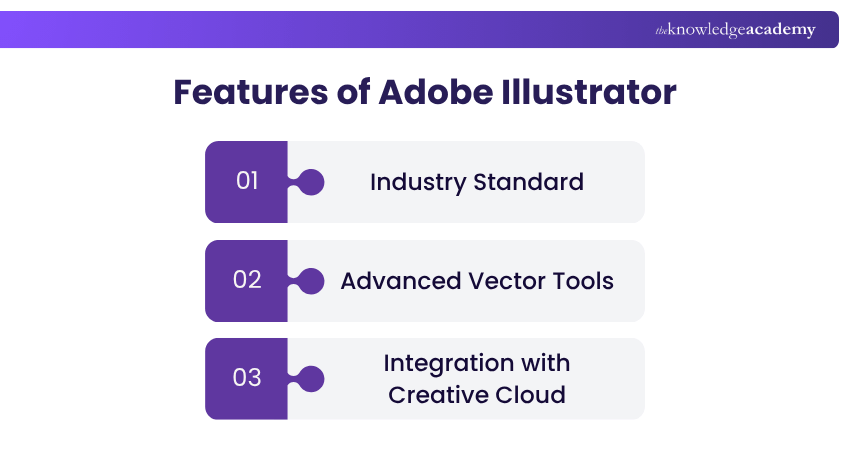
Some of the tools and features include the Pen tool, which lets users create and modify paths and curves. The shape builder tool allows users to combine and subtract shapes, while the gradient tool enables them to apply and adjust colour gradients. The artboard tool helps users organise and manage multiple canvases. The puppet warp tool allows users to distort and reshape graphics using pins and handles.
Users can conveniently access thousands of fonts, graphics, templates, and presets from adobe stock and fonts, seamlessly integrated with Illustrator. Adobe illustrator vs CorelDRAW, both popular design tools offer unique features, but Illustrator CC stands out with its compatibility across Windows and Mac. Additionally, it supports exporting files in multiple formats, including SVG, PDF, EPS, and PNG.
2) Inkscape
Inkscape is a free and open-source vector graphics editor that can create and edit Scalable Vector Graphics (SVG) files widely used for web design, animation, and printing. It has a user-friendly interface that allows users to access and modify various tools and settings.
Some of the tools include the path tool, which can draw and edit curves and shapes. The node tool allows users to manipulate the points and handles of paths, while the text tool can create and edit text objects. The fill and stroke tool helps users apply and adjust colours and styles. The bitmap trace tool can convert raster images into vector paths.
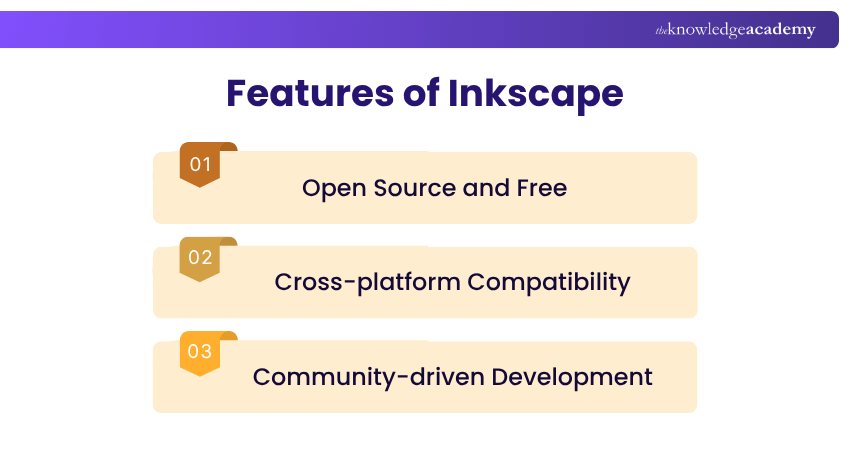
Users can also utilise layers to organise and manage their graphics, apply filters for effects and transformations, use gradients for smooth colour transitions, and leverage patterns to fill areas with repeating images. Additionally, it helps refine designs by precisely trimming elements. The software supports clones to create copies of objects linked to the original. Inkscape efficiently handles multiple file formats, including PDF, EPS, PNG, and DXF, allowing seamless import and export.
3) PaintShop Pro
PaintShop Pro is a photo editing and graphic design software that can handle raster and vector images, the two main types of graphics used in digital media. It has a comprehensive toolset that allows users to edit, enhance, and create graphics for various purposes, such as web design, photo manipulation, and digital art.
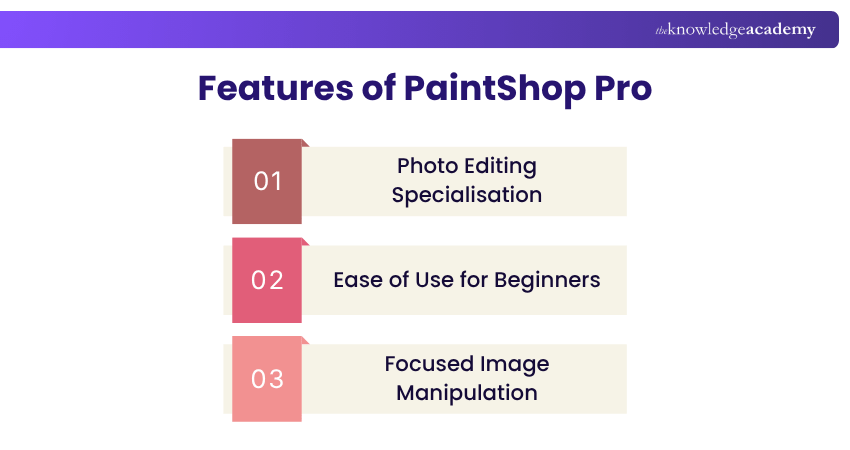
Some of the tools include the crop tool, which can trim and resize images; the selection tool, which can isolate and modify specific areas of images. The text tool, which can add and edit text elements; the paintbrush tool, which can apply colours and textures; and the vector tool, which can draw and edit shapes and paths. Users can also customise their graphics with effects, filters, masks, layers, and presets, adding style, realism, and creativity to their images.
4) Sketch
Sketch is a vector graphics software designed for user interface and user experience design, which are the processes of creating and improving how users interact with digital products. Its simple and intuitive interface allows users to easily access and modify various tools and settings.
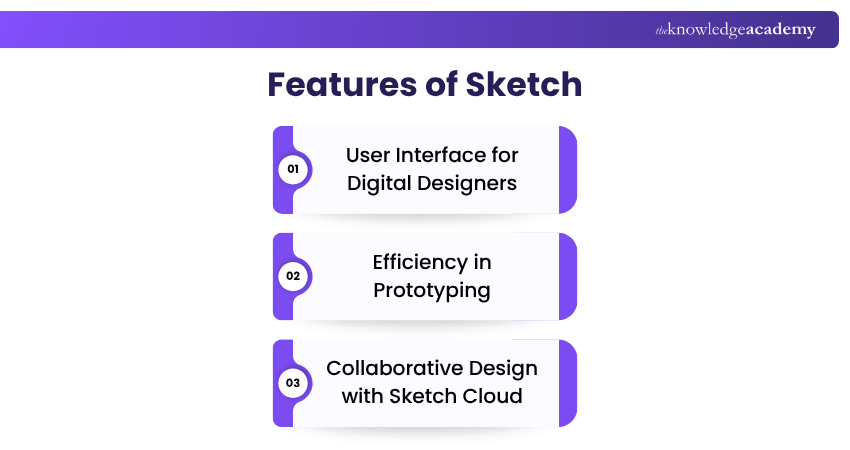
Some of the tools include the vector tool, which can draw and edit curves and shapes; the shape tool, which can create and adjust basic and custom shapes; the text tool, which can add and edit text elements; the symbol tool, which can create and reuse common UI elements; and the smart Layout tool, which can automatically resize and reposition elements based on their content.
Users can also use plugins, libraries, components, and styles to extend Sketch's functionality and create and share consistent, reusable designs. Sketch supports multiple file formats, such as SVG, PDF, PNG, and JPEG, which can be imported and exported efficiently.
Bonus Tip
Keep an editable master copy before converting older projects into another format. File conversion can preserve how artwork looks while changing how easily individual elements can be edited.
5) Krita
Krita is a free, open-source digital painting and illustration software that can work with raster and vector graphics, the two main types of graphics used in digital media. Raster graphics are composed of pixels, while vector graphics are composed of paths and shapes. Krita has a versatile toolset that allows users to create and edit graphics for various purposes, such as concept art, comics, animation, and texture painting.
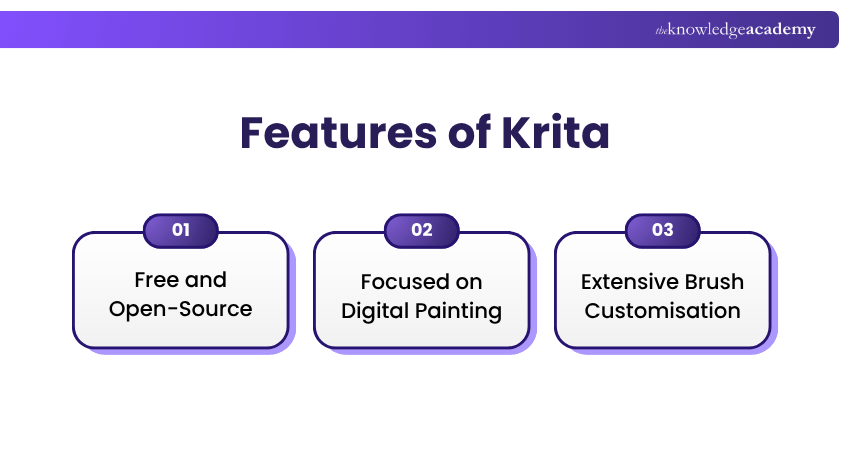
Some of the tools include the brush tool, which can apply colours and textures with different brush engines; the shape tool, which can create and adjust basic and custom shapes; the text tool, which can add and edit text elements; the transform tool, which can scale, rotate, skew, and warp graphics; and the vector tool, which can draw and edit curves and shapes.
Users can also use layers to organise and manage their graphics, masks to hide and reveal parts of their graphics, filters to apply effects and transformations, brushes to customise their painting tools, and palettes to store and access their colours. Krita supports multiple file formats, such as PSD, PNG, JPEG, and SVG, which can be imported and exported efficiently.
Learn the latest animation trends by signing up for the Animation Course now!
6) GIMP
GIMP is a free and open-source image editor that can also work with vector graphics, which are the two main types of graphics used in digital media. Raster graphics are composed of pixels, while vector graphics are composed of paths and shapes. GIMP has a flexible and customisable interface that allows users to adjust and modify various tools and settings according to their preferences and needs.
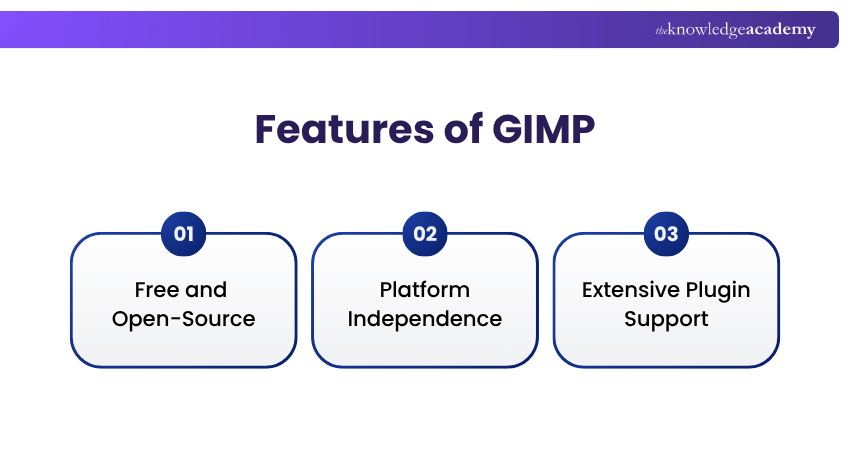
Some of the tools include the selection tool, which can isolate and modify specific areas of images; the paint tool, which can apply colours and textures with different brush engines; the text tool, which can add and edit text elements; the path tool, which can draw and edit curves and shapes; and the transform tool, which can scale, rotate, skew, and warp graphics.
Users can also use plugins, filters, brushes, gradients, and patterns to extend the functionality of GIMP and to create and edit graphics with more effects and styles. GIMP supports multiple file formats, such as PSD, PNG, JPEG, and SVG, which can be imported and exported easily.
7) Sketchbook
Sketchbook is a digital drawing and painting application designed for sketching, illustration and concept art using raster-based tools. It is designed to mimic the natural feel and flow of traditional drawing and painting tools, such as pencils, pens, markers, brushes, and shapes. Users can also use various features to enhance their graphics, such as layers, guides, rulers, symmetry, and perspective.
These features help users to organise, align, measure, balance, and transform their graphics. Sketchbook supports importing and exporting multiple file formats, such as PSD, PNG, JPEG, and TIFF. This enables users to work with different software and platforms, such as Photoshop, Illustrator, and Windows. Sketchbook is a versatile and user-friendly software that can be used for various purposes, such as sketching, illustration, animation, and design.
8) Corel Vector
Corel Vector is a software application that enables users to create and edit vector graphics for web and app design. It has a modern, sleek interface that is easy to use and customise. It also has a robust toolset that offers various functions, such as the subselect tool, which allows users to manipulate individual points and curves; the bezigon tool, which enables users to draw complex shapes with bezier curves; and the Text tool, which provides users with various fonts and text options.
Users can also create and share designs with styles, effects, symbols, grids, and anchors, which help users apply consistent and attractive elements to their graphics. Corel Vector is a versatile and powerful software that can be used for various web and app design projects.
9) Canva
Canva is a software application that runs on a web browser and allows users to create and edit various graphics, such as logos, flyers, posters, infographics, and social media posts. It has a simple, intuitive interface that makes graphic design easy and fun.
It also has a vast collection of templates, icons, fonts, and images that users can choose from and use in their graphics. Users can also customise their graphics by using drag-and-drop, resize, and rotate tools, which enable users to adjust and modify their graphics according to their preferences and needs.
Canva supports multiple file formats, such as PNG, JPEG, PDF, and GIF, which allow users to save and share their graphics in different ways and platforms. Canva is a versatile and user-friendly software that can be used for various graphic design purposes, such as personal, professional, and educational projects.
10) Linearity Curve
Linearity Curve is a software application that works on iOS and iPadOS devices and enables users to create and edit vector graphics. It has a sleek and minimalist interface that is easy to navigate and customise.
It also has a powerful toolset with various functions. The pen tool allows users to draw freehand curves and paths, while the node tool enables them to manipulate the points and handles of these elements. The text tool provides a range of fonts and text options. The shape tool lets users create and modify basic and complex shapes, while the align tool helps them align and distribute graphics.
Users can also use layers, styles, brushes, and gradients to organise, apply, and adjust different elements to their graphics. Linearity Curve supports multiple file formats, such as SVG, PDF, PNG, and JPEG, which allow users to save and export their graphics in different ways and platforms. Linearity Curve is a versatile and user-friendly software that can be used for various vector graphic design projects, such as logos, icons, illustrations, and animations.
Did You Know?
SVG files can be human-readable because SVG uses a text-based structure; certain SVG graphics can be inspected or modified through a text editor rather than exclusively through design software.
Crop, transform, and translate geometric figures by signing up for the Sketchbook Essential Training now.
11) Vectr
Vectr is a software application that runs on both the web browser and desktop, allowing users to create and edit vector graphics. It has a user-friendly interface that is easy to learn and use.
It also has a basic toolset that offers various functions. The pen tool enables users to draw curves and paths, while the text tool allows them to add and edit text. The shape tool lets users create and modify basic shapes, and the image tool helps them import and edit images. The filter tool provides effects such as blur, shadow and glow.
Users can also create and modify graphics using layers, grids, and guides, which help users organise, align, and transform their graphics. Vectr supports multiple file formats, such as SVG, PNG, JPEG, and PDF, which allow users to save and share their graphics in different ways and platforms. Vectr is a simple and versatile software that can be used for various vector graphic design purposes, such as logos, icons, banners, and posters.
12) Vecteezy
Vecteezy is a software application that works in a web browser and enables users to create and edit vector graphics made of lines, curves, and shapes that can be scaled and transformed without losing quality. It has a modern, colourful interface that is attractive and easy to use.
It also has a rich toolset that offers various functions. The pen tool allows users to draw freehand or create bezier curves, while the text tool enables them to add and edit text using different fonts and styles. The shape tool lets users create and modify basic and complex shapes. The path tool helps users combine, divide and manipulate paths, while the gradient tool provides options to apply and adjust gradients in graphics.
Users can also use filters, effects, patterns, and stickers, which help users enhance and decorate their graphics with various elements, such as blur, shadow, glow, noise, texture, and emoji. Vecteezy supports multiple file formats, such as SVG, PNG and JPEG, which allow users to save and export their graphics in different ways and platforms. Vecteezy is a versatile and user-friendly software that can be used for various vector graphic design purposes, such as logos, icons, illustrations, and animations.
13) Sumo Paint
Sumo Paint is a browser-based drawing and image-editing application and allows users to create and edit images using vector graphics, which are graphics that are made of lines, curves, and shapes that can be scaled and transformed without losing quality. It has a flexible and customisable interface that lets users adjust and arrange their workspace according to their preferences and needs.
It also has a wide range of tools that offer various functions. The brush tool enables users to paint with different brushes and colours, while the text tool allows them to add and edit text using a range of fonts and styles. The shape tool lets users create and modify basic and complex shapes. The gradient tool provides options to apply and adjust gradients, while the transform tool helps users move, rotate, scale and skew graphics.
Users can also use layers, filters, adjustments, and curves, which help users organise, enhance, and manipulate their graphics. Sumo Paint supports multiple file formats, such as PSD, PNG, JPEG, and GIF, which allow users to save and export their graphics in different ways and platforms. Sumo Paint is a versatile and user-friendly software that can be used for various image editing purposes, such as photo editing, graphic design, digital art, and animation.
14) Adobe Photoshop
Adobe Photoshop is a software application that enables users to create and edit graphics using raster graphics, which are composed of pixels that can be individually manipulated. Additionally, it supports vector graphics, consisting of lines, curves, and shapes that can be scaled and transformed without losing quality. When exploring the uses of CorelDRAW, it's essential to note that photoshop's complex and advanced interface provides users with a high level of control and customisation over their graphics.
It also has a vast toolset that offers various functions. The selection tool enables users to select and isolate parts of their graphics, while the brush tool allows them to paint with different brushes and colours. The text tool provides a range of fonts and text options. The shape tool lets users create and modify vector shapes, while the pen tool helps them draw precise curves and paths.
Users can also use layers, masks, filters, adjustments, and smart objects, which help users organise, enhance, and manipulate their graphics. Adobe Photoshop supports multiple file formats, such as PSD, PNG, JPEG, and SVG, which allow users to save and export their graphics in different ways and platforms. Adobe Photoshop is a versatile and powerful software that can be used for various graphic design purposes, such as photo editing, digital art, web design, and animation.
Mini Checklist: Test Before You Switch
Use one real CorelDRAW project and check:
□ Does the artwork import correctly?□ Are the fonts preserved or substituted?□ Do gradients, masks and effects look the same?□ Can individual objects still be edited easily?□ Does the exported PDF, SVG or image look correct?□ Does the final file work properly in the next stage of your workflow?
Build creative skills that make designs stand out with Animation and Design Training – Register now!

The Knowledge Academy develops accessible learning content across Project Management, IT, Cybersecurity, Data Science, Business Analysis, HR, Accounting and Finance, Leadership and Health and Safety. Its resources combine subject research with clear explanations to help professionals build practical knowledge across a wide range of disciplines.
View Detail

 If you wish to make any changes to your course, please


