




We may not have the course you’re looking for. If you enquire or give us a call on 01344203999 and speak to our training experts, we may still be able to help with your training requirements.
Home
 Resources
IT Infrastructure & Networking
Top 10 Alternatives To Apache: Choose the Right Server for You
Resources
IT Infrastructure & Networking
Top 10 Alternatives To Apache: Choose the Right Server for You
Resources
IT Infrastructure & Networking
Top 10 Alternatives To Apache: Choose the Right Server for You
Top 10 Alternatives To Apache: Choose the Right Server for You
ByRichard HarrisLast updated on: 23 September 2026
Alternatives to Apache, such as Nginx and LiteSpeed, offer compelling choices for web servers, each with its unique strengths. These alternatives cater to diverse needs, providing flexibility for web administrators seeking the best fit for their specific requirements in terms of performance, resource utilisation, and functionality. Read more to learn more about Alternatives to Apache!

As a free and open-source web server, Apache facilitates website deployment on the internet, functioning as an intermediary between server and client machines. It efficiently delivers requested content to users across the web, making it widely utilised for its robust functionality and standout features.
The Apache web server comes with certain limitations, including challenges in installing specific modules and relatively constrained step-by-step documentation. In scenarios where these issues pose challenges, it becomes worthwhile to consider alternative web servers. Explore the top 10 Alternatives to the Apache Web Server. Read ahead to learn about Alternatives to Apache!
10 Alternatives to Apache
The following are the 10 Alternatives to Apache:
1) LiteSpeed
LiteSpeed Technologies presents the epitome of high-performance and high-scalability web servers with the LiteSpeed Web Server. Notably, this server seamlessly replaces your current server without requiring any adjustments to your existing applications or operating system configurations. The key benefit lies in its non-disruptive installation, guaranteeing a seamless transition without causing any interruptions. As a result, the LiteSpeed Web Server is poised to alleviate notable bottlenecks within your current web hosting infrastructure effortlessly.
LiteSpeed is renowned for its exceptional performance and efficiency. Its key features include:

a) High performance: LiteSpeed is designed for speed, providing faster content delivery through advanced caching mechanisms. It efficiently handles many concurrent connections.
b) Compatibility: As a drop-in replacement for Apache, LiteSpeed is compatible with Apache configurations, making the transition for existing users seamless.
c) LiteMage cache: LiteSpeed incorporates LiteMage, a full-page caching solution that boosts website performance by reducing server load and accelerating page loads.

2) NGINX
NGINX stands as a symbol of innovation and performance excellence. Widely acclaimed for its exceptional capabilities, NGINX has emerged as a fundamental component in modern web hosting. NGINX intelligently disperses incoming traffic among multiple servers, effectively optimizing resource utilization and preventing the risk of server overload. This boosts overall performance and enhances fault tolerance, guaranteeing continuous service availability. Understanding this functionality is crucial, especially when preparing for Nginx interview questions, as it demonstrates Nginx's ability to ensure high availability and reliability in web server environments. However, if you're exploring Nginx Alternatives, there are several options that also excel in areas like load balancing and performance optimization. These alternatives might offer additional features or integrations that better meet your specific hosting needs. Additionally, Cloudflare's Load Balancing further complements NGINX by offering advanced traffic distribution and failover solutions, ensuring optimal reliability and performance for your infrastructure.
NGINX is widely acclaimed for its efficiency in handling concurrent connections and serving static content. Key features include:
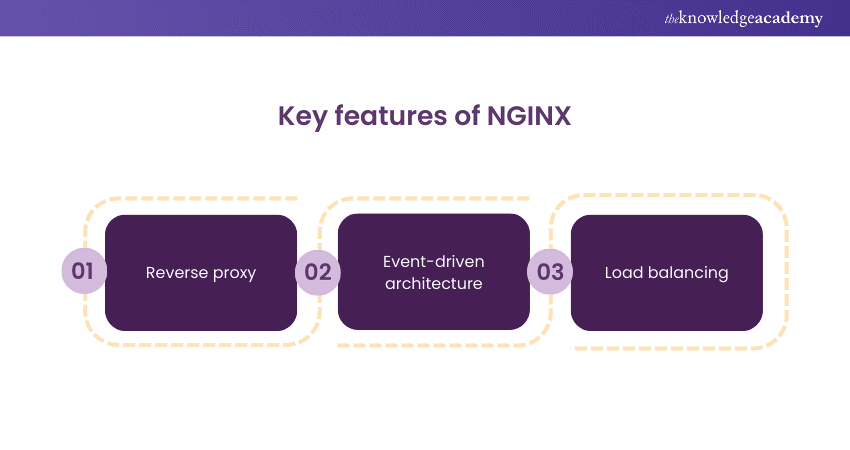
1) Reverse proxy: NGINX excels as a reverse proxy server, distributing incoming traffic across multiple servers to enhance performance, scalability, and reliability.
2) Event-driven architecture: NGINX's event-driven architecture contributes to its ability to handle many simultaneous connections efficiently.
3) Load balancing: NGINX offers built-in load balancing capabilities, distributing incoming traffic across multiple servers to optimise resource utilisation.
3) Plesk
Plesk is a prominent and influential web hosting control panel and all-encompassing management platform, streamlining the intricate responsibilities of overseeing websites, servers, applications, and diverse hosting environments. At its core, Plesk excels in seamlessly transforming complex technical operations into easily understandable, user-friendly actions, firmly establishing itself as the preferred choice across a spectrum of users.
Plesk is a comprehensive web hosting control panel that simplifies server and website management. Its features include:
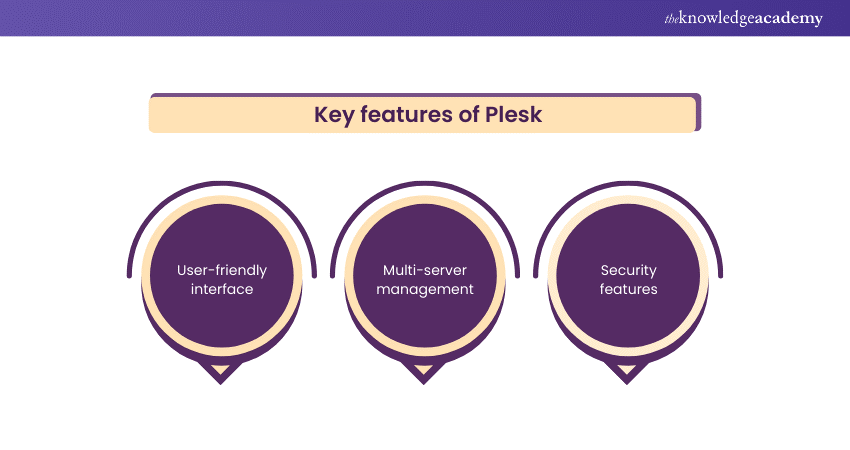
a) User-friendly interface: Plesk provides an intuitive and user-friendly interface, making it easy for beginners and experienced users to manage web hosting settings.
b) Multi-server management: Plesk supports the management of multiple servers from a single interface, streamlining the administration of complex hosting environments.
c) Security features: Plesk incorporates security features such as SSL/TLS management, firewalls, and antivirus tools, enhancing the overall security of web hosting environments.
4) Tomcat
Tomcat stands out as an excellent alternative for Java applications among web servers. Tomcat is geared towards speed and optimal performance when operating within an open-source environment and leveraging various Java specifications. This makes it a superb choice for handling dynamic content such as animations and interactive web pages. It's worth mentioning that Tomcat and Apache are products of the same company.
Apache Tomcat specialises in serving Java-based web applications. Key features include:
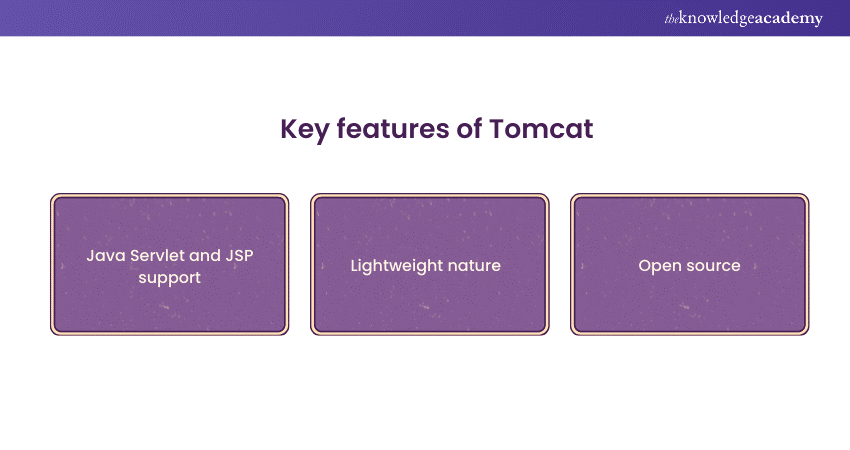
a) Java Servlet and JSP support: Tomcat is designed for Java applications, providing robust support for Java Servlets and JavaServer Pages (JSP).
b) Lightweight nature: Tomcat is lightweight and can be easily embedded into other applications, making it suitable for scenarios where a minimalistic footprint is essential.
c) Open source: Being an open-source project, Tomcat is freely available and continuously developed by the Apache Software Foundation.
5) IBM WebSphere
IBM is well-known for its exceptional global web server solutions. The IBM WebSphere web server stands out with various enterprise-grade features, including automated resolution of server issues, a robust Java environment, and strong support for Hybrid IT, ensuring high performance. The server's architecture is crafted to maximise resource utilisation through containerisation. The IBM WebSphere Web Server offers a robust and secure platform for enterprises to host extensive web applications.
IBM WebSphere is an enterprise-level application server known for its scalability and extensive feature set. Its notable features include:

a) Scalability: WebSphere is designed to handle large-scale enterprise applications, providing the scalability required for mission-critical environments.
b) Integration capabilities: WebSphere integrates seamlessly with other IBM products and technologies, facilitating the development and deployment of complex enterprise solutions.
c) Management and monitoring tools: WebSphere includes robust management and monitoring tools, allowing administrators to oversee application performance and troubleshoot issues efficiently.
Expand your learning curve by signing up for our IT Support and Solution Training now!
6) Oracle WebLogic
Tailored for enterprises, Oracle WebLogic emerges as an excellent alternative to the Apache web server. This solution enables the deployment of servers in both cloud and on-premise environments, supporting Kubernetes, Oracle Cloud, and various other cloud providers. What sets Oracle apart is its integration of a Java and Jakarta environment.
Oracle WebLogic Server is another heavyweight in the enterprise application server space. Key features include:
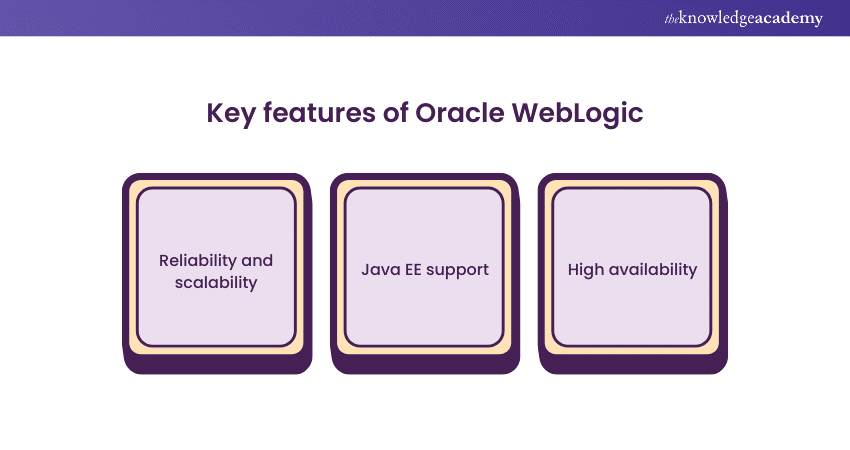
a) Reliability and scalability: WebLogic is known for its reliability and scalability, making it a suitable choice for demanding enterprise applications.
b) Java EE support: WebLogic supports the latest Java EE standards, providing a comprehensive platform for developing and deploying Java applications.
c) High availability: WebLogic offers clustering and failover capabilities to ensure high availability and fault tolerance.
7) Microsoft IIS
The next contender among the top 10 alternatives to the Apache Web Server is Microsoft's Integrated Information Services (IIS). This is a different approach to web serving compared to solutions like how to Install Apache On Windows using alternative methods. In essence, IIS provides users with a platform to bring their creative ideas to life on the web. The configuration of IIS is facilitated through tools such as app command, PowerShell, and the .NET framework, providing users with enhanced control over their resources. With a remarkable 99% uptime, Microsoft IIS offers developers various programming languages.
Internet Information Services (IIS) is Microsoft's web server solution for Windows servers. Key features include:
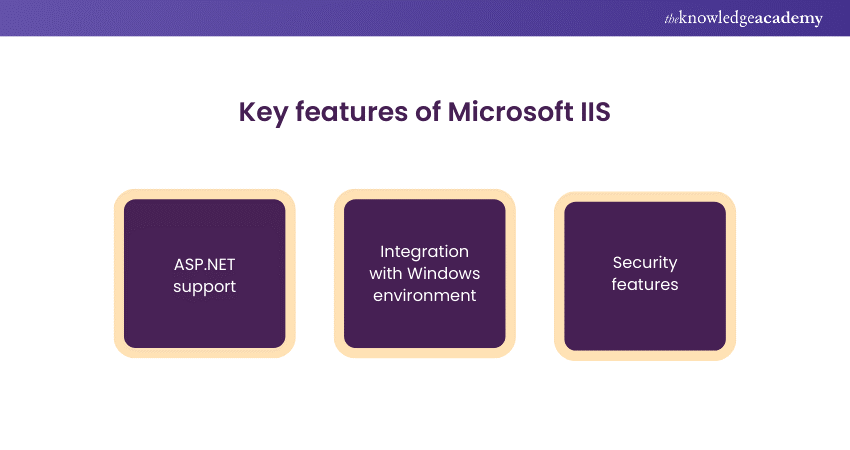
a) ASP.NET support: IIS is optimised for hosting ASP.NET applications, making it an integral part of the Microsoft web development ecosystem.
b) Integration with Windows environment: IIS seamlessly integrates with other Microsoft technologies, leveraging features such as Active Directory for authentication and authorisation.
c) Security features: IIS includes robust security features, including request filtering, SSL/TLS support, and authentication mechanisms.
Learn big data processing with the Apache Spark Guide—download it now!
8) JBoss
JBoss, a collaborative open-source initiative led by RedHat developers, is a versatile platform for deploying Azure and RedHat Openshift web servers, and it integrates seamlessly with OpenShift and Kubernetes for enhanced scalability and management. Leveraging the Jakarta EE environment, JBoss delivers many advantages, including robust support for containerisation, load balancing, monitoring, and auto-scaling in cloud environments.
Positioned as a compelling alternative to Apache, JBoss excels in scalability and efficiency, accommodating leading architectures like Java EE, SOA, and microservices. Furthermore, JBoss offers comprehensive support for asset management, transaction processing, messaging services, and security domains, solidifying its status as a versatile and powerful choice in web servers.
JBoss, now known as WildFly, is an open-source Java EE-based application server with features such as:
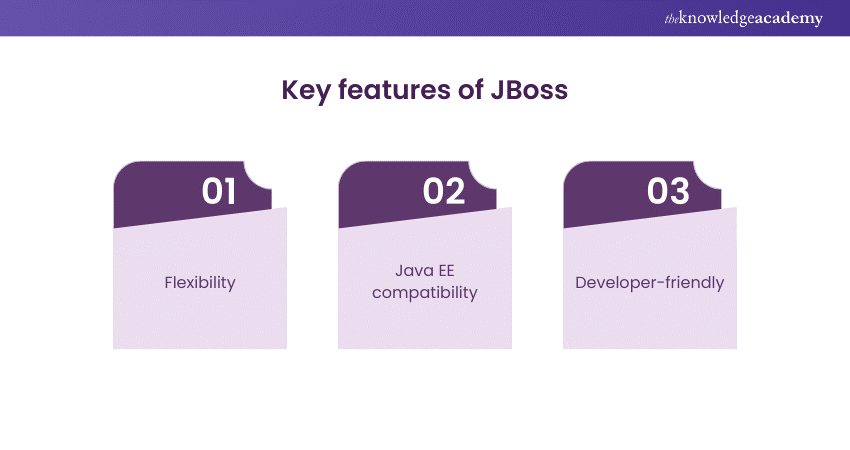
a) Flexibility: WildFly is known for its flexibility, allowing developers to choose the necessary components, resulting in a customised and efficient runtime environment.
b) Java EE compatibility: WildFly supports the latest Java EE specifications, ensuring compatibility with various Java-based applications.
c) Developer-friendly: WildFly provides a developer-friendly environment with features like hot deployment, easing the development and testing process.
Read and analyse data efficiently by signing up for our Snort Training now!
9) Eclipse Glassfish
The Eclipse GlassFish web server stands out as an open-source project under the Eclipse umbrella. Serving as a Java Enterprise Edition (EE) compatible application server, it is a viable alternative to Apache in web development. Tailored as an enterprise-level platform, Eclipse GlassFish is designed for developing solutions catering to the needs of large businesses or government applications. The software encompasses all essential application server features, including caching, clustering, and load balancing, ensuring reliability and scalability in deployment.
GlassFish, developed by the Eclipse Foundation, is an open-source application server. Key features include:
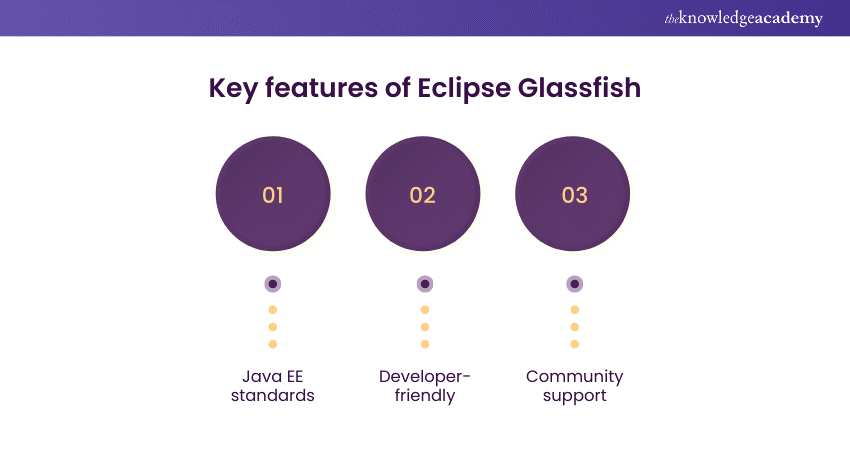
a) Java EE standards: GlassFish adheres to the latest Java EE standards, ensuring compatibility with Java-based enterprise applications.
b) Developer-friendly: GlassFish provides a user-friendly environment with tools for rapid application development, making it appealing to Java developers.
c) Community support: Being an open-source project, GlassFish benefits from a vibrant community contributing to its development and support.
Master the art of data processing by signing up for our IT Fundamental Training now!
10) Jetty
Jetty distinguishes itself by supporting HTTP/2 protocols, enhancing overall performance. Whether you need a testing server, a development server, or one for production purposes, Jetty is a versatile choice suitable for all application lifecycle stages. Furthermore, Jetty accommodates both lightweight and heavier use cases.
Jetty stands out as an incredibly efficient, reliable, and lightweight web server, capturing the attention of many as a viable alternative to Apache.
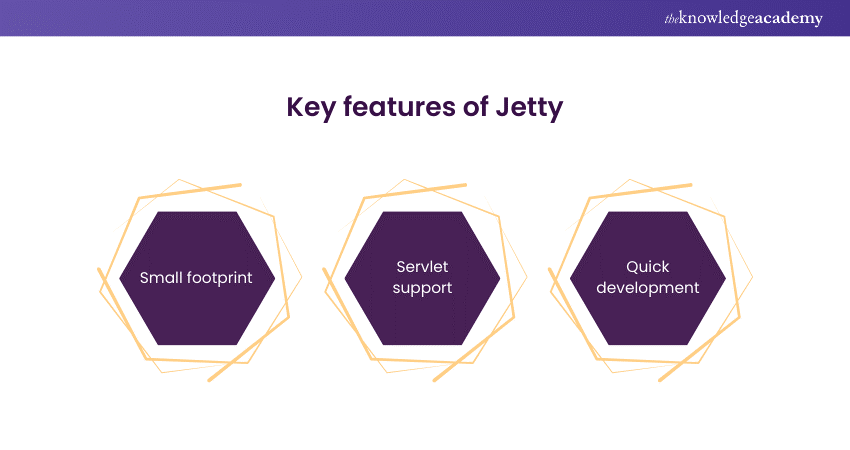
Jetty is a lightweight and scalable web server and servlet container. Its features include:
a) Small footprint: Jetty is known for its tiny footprint, making it suitable for embedded environments and scenarios where resource efficiency is crucial.
b) Servlet support: Jetty provides a robust servlet container, making it suitable for Java-based web applications.
c) Quick development: Jetty's simplicity and rapid development capabilities make it an attractive option for developers looking for a lightweight yet powerful solution.
Create, deploy and manage your server by signing up for our Introduction to Networking Training now!

Richard Harris creates technically detailed yet accessible content on full-stack development, software architecture and modern development frameworks. His knowledge of frontend and backend technologies helps developers understand how scalable, efficient and high-performing applications are designed and built.
View Detail

 If you wish to make any changes to your course, please


