


 Top Rated Course

We may not have the course you’re looking for. If you enquire or give us a call on 01344203999 and speak to our training experts, we may still be able to help with your training requirements.
CompTIA Network+ Certification Salary: How Much Can You Earn?
John Davies 03 September 2026Explore CompTIA Network+ Certification Salary expectations across related job roles. Learn how role, experience, location and technical skills can shape your earning potential.
Home
 Resources
IT Infrastructure & Networking
CompTIA Network+ Certification Salary: How Much Can You Earn?
Resources
IT Infrastructure & Networking
CompTIA Network+ Certification Salary: How Much Can You Earn?
Resources
IT Infrastructure & Networking
CompTIA Network+ Certification Salary: How Much Can You Earn?

Training Outcomes Within Your Budget!
We ensure quality, budget-alignment, and timely delivery by our expert instructors.
Table of Contents
Key Takeaways
1. CompTIA Network+ builds foundational, vendor-neutral networking knowledge.2. It can support roles in IT support, networking and related security fields.3. There is no fixed CompTIA Network+ salary; earnings vary according to role, experience, location and technical ability.4. Practical experience can strengthen the value of the certification.5. Relevant additional skills can support long-term career progression.
Imagine you’re catching up with an IT colleague over coffee.
They tell you they’re thinking about earning CompTIA Network+ and ask:
“Will this certification help me secure a better role and earn more?”
It is a fair question, but the answer depends on more than the certification alone. Your experience, location, technical skills and chosen role can all affect your earning potential.
So, what can you realistically earn after gaining CompTIA Network+ Certification?
This blog explores the job roles available, their salary ranges and the key factors that can shape your earnings. Let’s begin!
What is CompTIA Network+?
CompTIA Network+ is a vendor-neutral certification that validates essential networking knowledge and skills, including connectivity, configuration, troubleshooting and security. The N10-009 exam includes a maximum of 90 multiple-choice and performance-based questions and has a 90-minute duration.
CompTIA recommends having the CompTIA A+ certification and 9 to 12 months of hands-on experience in a Junior Network Administrator or Network Support Technician role. The certification can help prepare candidates for roles in technical support, network operations and system administration.

CompTIA Network+ Job Roles and Salary
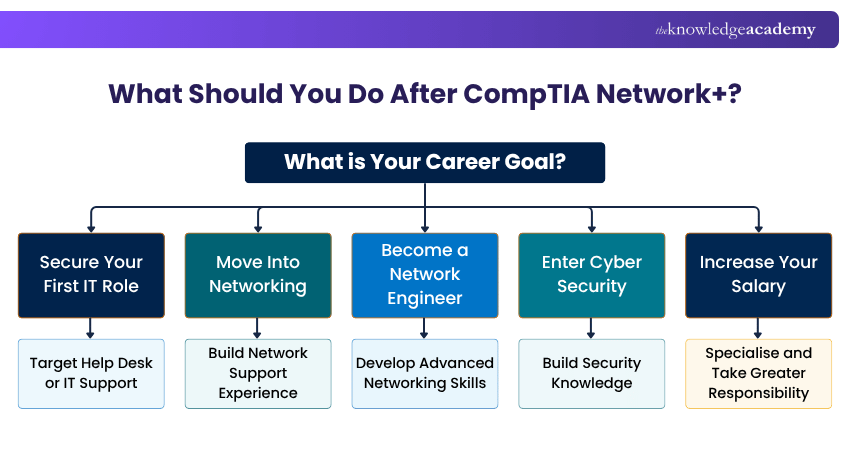
CompTIA Network+ can support several career paths, but employers normally consider the complete candidate profile. This may include practical experience, education, communication skills, technical projects and other certifications.
The following salary figures are US occupational benchmarks referenced by CompTIA and show the wider earning potential of roles associated with Network+ skills. Actual earnings can vary by experience, location, employer and level of responsibility. Let’s look at them below:
1) Network Administrator
A Network Administrator helps maintain an organisation’s internal network so employees can access systems, applications and shared files without disruption. This role may suit people who enjoy solving connectivity problems, working with hardware and helping systems run smoothly.
Their work can include installing and maintaining network devices, monitoring performance, troubleshooting wired and wireless connections and managing user access permissions. CompTIA Network+ supports this path by building knowledge of network implementation, operations, security and troubleshooting.
According to CompTIA, Network Administrators have a median annual wage of $90,000.
2) Systems Administrator
A Systems Administrator helps keep an organisation’s IT systems, applications and user accounts working effectively. Their role is important because it helps employees access the technology and resources they need to complete daily tasks.
Their responsibilities include installing and updating software, maintaining user permissions, monitoring systems and supporting backups and recovery processes. CompTIA Network+ can strengthen the networking knowledge needed for this role, particularly in network operations and troubleshooting.
CompTIA cites a median annual wage of $90,000 for Systems Administrators in the US.
3) Network Support Specialist
A Network Support Specialist helps users and organisations resolve network-related technical issues. This can be a suitable role for people who enjoy investigating problems, working with network devices and providing practical technical support.
They may troubleshoot connectivity issues, configure routers, switches and wireless devices, monitor network performance and support access controls. CompTIA Network+ covers several relevant areas, including LAN and WAN concepts, network security and troubleshooting methods.
For Network Support Specialists, CompTIA lists a median annual salary of $68,000 in the US.
4) Systems Engineer
A Systems Engineer supports the design, maintenance and improvement of IT systems. They work with different technology components, including hardware, software, networks and security controls, to help ensure systems remain stable, secure and fit for business needs.
Responsibilities include supporting system configuration, monitoring performance, testing updates and resolving issues. CompTIA Network+ builds useful networking and security knowledge, while many roles also require familiarity with operating systems or cloud platforms.
4) Systems Engineer
A Systems Engineer supports the design, maintenance and improvement of IT systems. They work with different technology components, including hardware, software, networks and security controls, to help ensure systems remain stable, secure and fit for business needs.
Responsibilities include supporting system configuration, monitoring performance, testing updates and resolving issues. CompTIA Network+ builds useful networking and security knowledge, while many roles also require familiarity with operating systems or cloud platforms.
Build server expertise and strengthen your IT future with the CompTIA Server+ Certification Training now!
Factors That Influence CompTIA Network+ Salaries
CompTIA Network+ salaries can vary based on several factors. Understanding these factors can help you assess your earning potential and make informed career decisions. Let’s learn about them below:
a) Experience Level: Practical experience is one of the strongest influences on salary. Someone entering IT support will typically earn less than an experienced Network Engineer. It demonstrates that a candidate can apply networking concepts in real situations.
b) Job Role: Network+ holders do not all perform the same work. Help desk, network support, systems administration, engineering and security roles have different responsibilities and salary levels. Therefore, job title is a more useful salary indicator than the certification alone.
c) Location: Salaries vary between countries, cities and regions. Large technology and financial centres offer higher salaries, but they can also have higher living costs. Remote work and hybrid employment can further affect regional salary comparisons.
d) Industry and Employer: A small organisation may pay differently from a multinational company, government department, Managed Service Provider or financial institution. Industries with complex infrastructure may pay more for specialised networking skills.
e) Technical Skills: Employers may value practical abilities like troubleshooting TCP/IP, managing firewalls and supporting wireless networks. Knowledge of Linux, PowerShell, Python, cloud networking, automation and monitoring tools can also improve career prospects.
Conclusion
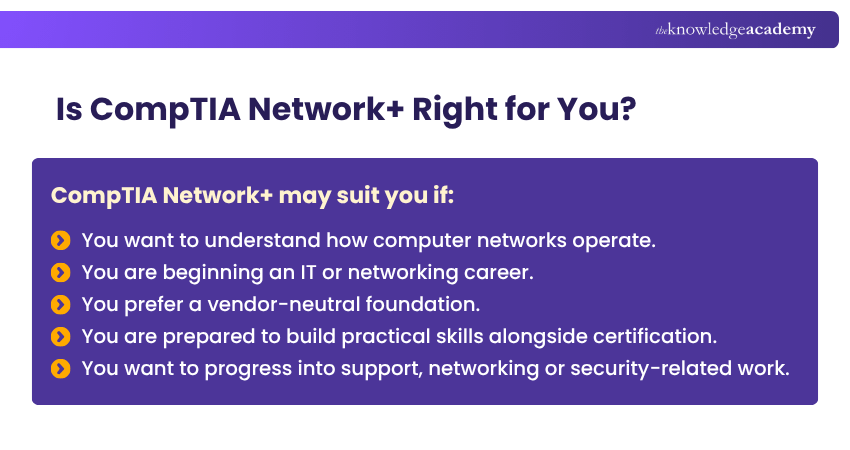
CompTIA Network+ can open doors to roles in IT support, network administration and Cyber Security. Your experience, location and technical skills will shape your earning potential. While salaries for roles associated with CompTIA Network+ vary considerably, combining the credential with practical experience can help you build a rewarding networking career.
Power your IT future by joining the CompTIA Certification Training today!
Frequently Asked Questions
Is CompTIA Network+ Worth It?

CompTIA Network+ can be worthwhile for beginners entering IT, networking or Cyber Security. It builds vendor-neutral networking knowledge, can strengthen an entry-level CV and supports several career paths.
Can CompTIA Network+ Help You Get a Job Without Experience?
It may help you demonstrate foundational networking knowledge, but it does not guarantee employment. Candidates without professional experience can strengthen their applications through home labs, simulations, apprenticeships, volunteer projects and entry-level IT support work.
How Long is the CompTIA Network+ Certification Valid?
CompTIA Network+ Certification is valid for three years from the certification date. It can be renewed through eligible continuing education activities, CompTIA’s renewal options or by earning an approved higher-level certification.

John Davies


Cyber Security Governance & Assurance Specialist
John Davies is a cybersecurity expert specialising in governance, risk management, and compliance. With over 15 years in the field, he has led enterprise-wide security programmes across finance, healthcare and public sector organisations. His content provides practical guidance on building secure environments, managing risk and aligning with regulatory frameworks.


 If you wish to make any changes to your course, please


