


We may not have the course you’re looking for. If you enquire or give us a call on 01344203999 and speak to our training experts, we may still be able to help with your training requirements.
How Long to Study for PMP® Exam?
ByGrace MitchellLast updated on: 21 October 2026
This blog explains how long to study for the PMP® exam, with practical study plans, preparation tips and strategies to help you succeed.
Quick Preview
1. PMP preparation may take four to 12 weeks or longer, depending on individual learning needs.2. Professional experience, study hours and familiarity with exam topics influence preparation time.3. A structured study plan helps balance learning, revision and practice tests.4. PMI's current PMP® exam covers People, Process and Business Environment.5. Mock exams and regular revision help candidates identify knowledge gaps and assess their readiness.
One exam, hundreds of concepts and a busy work schedule; where do you even begin?
Imagine working on projects all day and then finding time to prepare for the crucial PMP® exam. Should you study for four weeks, two months or even longer? The answer depends on how much you already know and how much time you can dedicate each day.
The Project Management Professional (PMP)® certification, offered by the Project Management Institute (PMI), demonstrates your ability to lead projects and deliver business value. However, preparing for its examination requires more than simply reading study materials.
So, how long should one study for the PMP® exam? While many candidates may plan for around two to three months, there is no single preparation period that suits everyone. This blog will help you estimate your study time, create a realistic schedule and prepare effectively for the examination.
How Long Does It Take to Study for the PMP® Exam?
The time needed to prepare for the PMP® exam varies according to your professional experience, learning abilities and study habits. Some candidates may feel ready after a few weeks of intensive preparation, while others may require several months to understand the concepts thoroughly. A preparation period of four to twelve weeks can function as a handy starting point for planning. However, this is only an illustrative range, not an official PMI recommendation.
PMI does not prescribe a fixed number of self-study hours. Your preparation should focus on understanding the current exam content outline, applying concepts to project scenarios, and identifying areas where further practice is needed.

Estimated PMP® Study Hours
Determining how many hours you can study each week is an important step in planning your preparation. The following table provides examples of how different schedules may work.
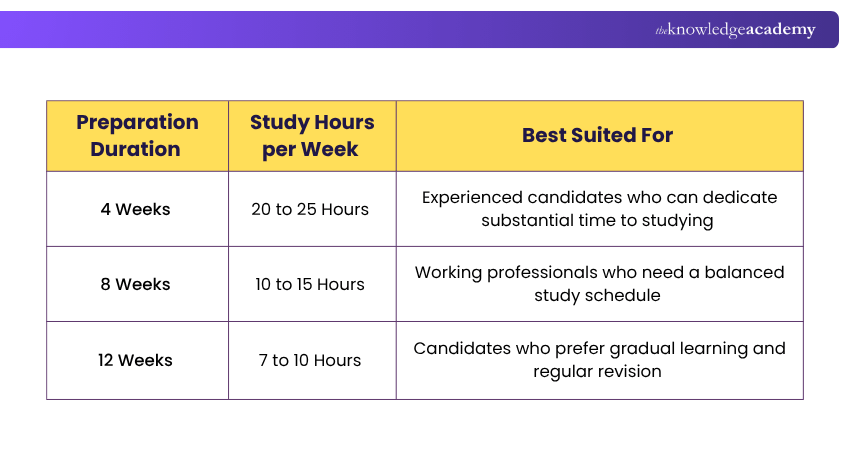
These suggested schedules provide approximately 80 to 120 hours of preparation. Your actual requirements may be higher or lower depending on your knowledge, training and practice performance. For example, if you plan to study for 120 hours and can dedicate 2 hours each day, you will need approximately 60 study days. Remember that study hours alone do not determine whether you are ready. Understanding the concepts and applying them to project scenarios is equally important.
How to Create a PMP® Exam Study Schedule?
A well-structured study schedule helps you cover important topics without feeling overwhelmed. Instead of studying randomly, divide your preparation into manageable stages that include learning, revision and mock examinations. Your schedule should reflect your available time, existing knowledge and preferred learning style.
Before choosing a schedule, review PMI's 2026 PMP® exam content outline. This ensures that your preparation reflects the current assessment domains, project management approaches and emerging topics.
Here are three practical PMP study plans you can consider:
1) 4-week PMP® Study Plan
A four-week study schedule is an intensive approach suitable for candidates who already understand many project management concepts and have sufficient time for preparation.
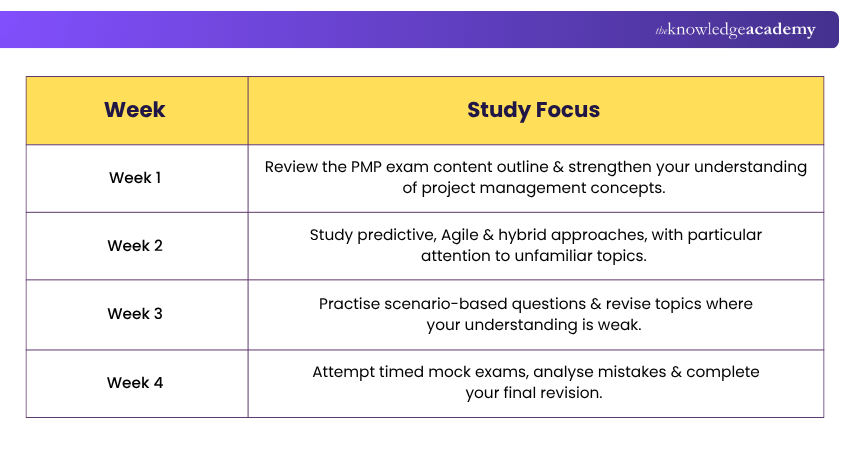
This approach requires considerable dedication. Candidates should ensure they have enough time to understand the material rather than rushing through topics simply to complete the schedule.
2) 8-week PMP® Study Plan
An eight-week plan provides a more balanced approach for working professionals who need to manage preparation alongside their regular responsibilities.
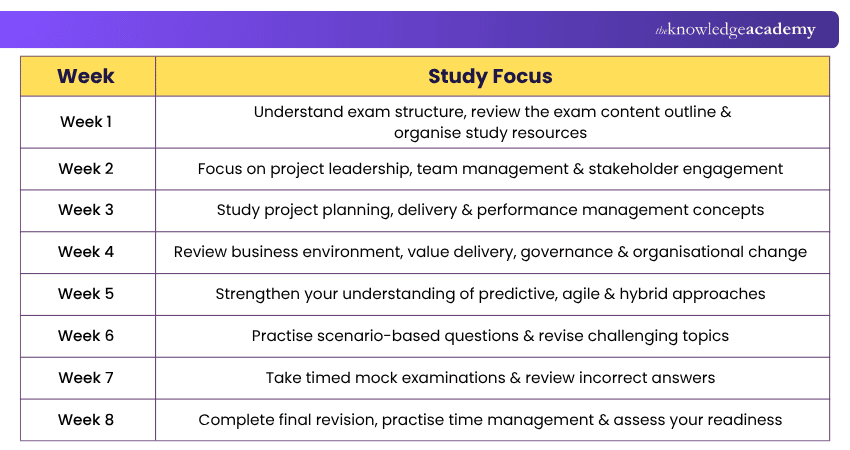
This schedule allows candidates to make steady progress while leaving sufficient time for revision and practical application.
3) 12-week PMP® Study Plan
A twelve-week schedule is suitable for candidates who prefer gradual learning or have limited time available each day.
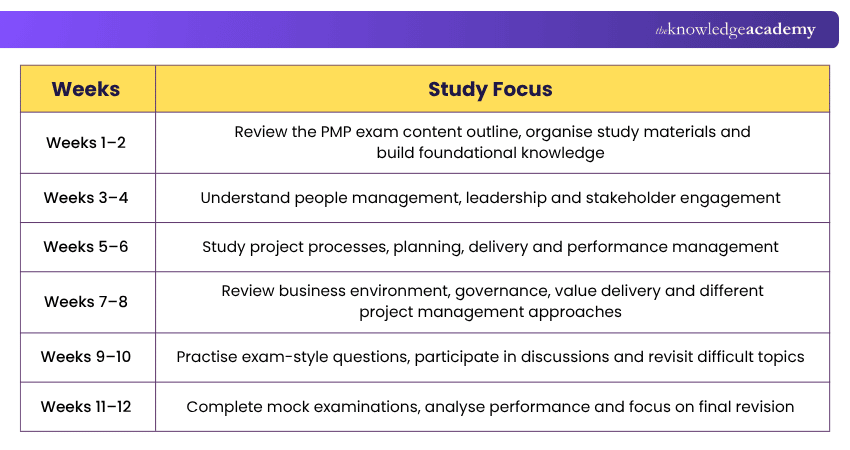
The longer schedule provides more opportunities to revisit challenging concepts and practise applying project management knowledge to real-world scenarios. However, candidates should adjust the schedule based on their progress rather than following it rigidly.
Lead projects confidently and achieve greater success with the PMP® Certification Training now!
Factors That Affect Your PMP® Preparation Time
Several factors can influence how long you need to prepare for the PMP® exam:
1) Professional Experience: Candidates who have managed projects may already understand many project management concepts. However, they must still become familiar with PMI's examination approach and the topics covered in the exam content outline.
2) Familiarity With Study Materials: Your understanding of predictive, Agile and hybrid project management approaches can affect how much time you need to spend learning unfamiliar concepts.
3) Daily Study Availability: Candidates who can dedicate two or three hours daily may progress faster than those who study only on weekends. However, consistency and concentration are more important than studying for long hours without breaks.
4) Learning Abilities: Everyone learns differently. Some candidates understand concepts quickly, while others require additional reading, examples and practice questions to build confidence.
5) Revision and Practice Tests: Preparing for the PMP® exam involves more than completing study materials. You also need time to practise questions, review mistakes and improve your understanding.
Trainer Insight
Candidates with practical project management experience may find some PMP concepts familiar. However, experience alone does not guarantee exam readiness. Identify unfamiliar topics early and dedicate additional study time to understanding how project management principles apply to different situations.
Bridge the gap between experience and PMP® success with the PMP® Bridge Training. Sign up now!
Understand the PMP® Exam Content Outline
The PMP® exam content outline explains the domains, tasks and knowledge areas assessed during the examination. Understanding these areas helps you organise your preparation and identify the topics requiring additional attention. The examination covers three domains:
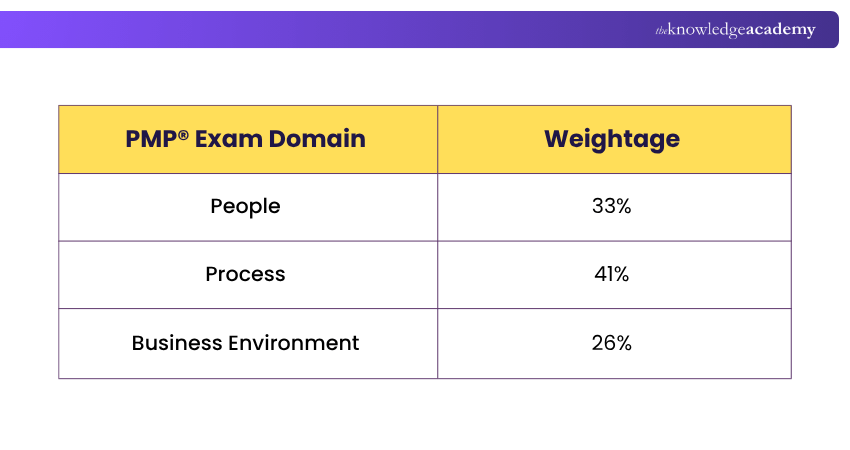
The examination also assesses different project management approaches. It also includes greater emphasis on business value, Artificial Intelligence (AI), sustainability and stakeholder engagement. Therefore, your preparation should cover these areas alongside traditional project management concepts.
Also, approximately 40% of exam items reflect predictive approaches, while the remaining 60% cover adaptive/agile and hybrid approaches. These approaches appear throughout the three domains rather than being assessed separately.
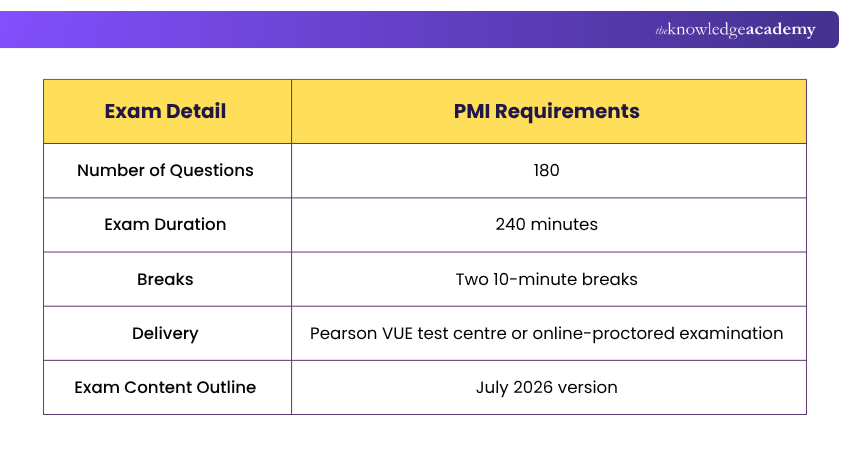
PMP® Exam Format
Before finalising your study schedule, it is important to understand the current exam structure.
PMP® Study Materials Checklist
Use this checklist to select the right resources and organise your preparation effectively.
□ PMP® Exam Content Outline: Review PMI's current outline to understand the topics and tasks assessed in the examination.□ PMBOK® Guide: Use it to strengthen your understanding of project management principles and concepts.□ PMP® Training Materials: Choose structured learning resources to understand complex concepts.□ Practice Questions: Solve exam-style questions to become familiar with the question formats.□ Mock Examinations: Attempt timed practice tests to improve time management and identify areas requiring revision.

Grace Mitchell creates practical Project Management content covering project delivery, governance, stakeholde engagement and programme coordination. Her knowledge of established methodologies helps readers understand complex project environments and approach project delivery with greater structure and confidence.
View Detail

 If you wish to make any changes to your course, please


