


We may not have the course you’re looking for. If you enquire or give us a call on 01344203999 and speak to our training experts, we may still be able to help with your training requirements.
Home
 Resources
Accounting and Finance
What is Progressive Tax and How Does It Work: Explained in Detail
Resources
Accounting and Finance
What is Progressive Tax and How Does It Work: Explained in Detail
What is Progressive Tax and How Does It Work: Explained in Detail
BySienna RobertsLast updated on: 22 October 2026
Progressive tax is a tax system where tax rates increase as taxpayers' taxable income rises. This blog explains how it works, its key benefits, along with examples to help you understand progressive taxation.
At a Glance
1. Progressive tax systems use increasing marginal tax rates.2. Higher tax rates apply only to the portion of income that falls within each tax band.3. A taxpayer's marginal rate and effective rate are different.4. Allowances and reliefs can influence the final tax liability.5. The UK income tax system is a key example of progressive taxation.
Have you ever wondered why two people earning different salaries may pay different percentages of their income in tax? The answer lies in how tax systems are designed to distribute the tax burden. This often raises an important question: what is progressive tax, and why does it matter to individuals and businesses?
From your monthly payslip to government revenue, progressive taxation plays an important role in shaping financial decisions. So, what does progressive tax look like in practice, and how can it affect the amount of income you take home? Let’s explore.
What is Progressive Tax?
Progressive tax is a taxation system in which tax rates increase as an individual's taxable income rises. This means higher earners generally pay a larger percentage of their income in tax than lower earners. The system aims to distribute the tax burden based on an individual's ability to pay.
In a progressive income tax system, income is divided into different tax bands, with each band having a specific tax rate. As an individual's taxable income increases, only the portion falling within a higher band is taxed at the higher rate, rather than their entire income. This approach ensures that tax liability increases progressively with income.

How Does Progressive Taxation Work?
Progressive taxation works by applying different tax rates to portions of taxable income based on predefined tax bands. Here's how the process works:
a) Taxable Income is Calculated: An individual's taxable income is determined after accounting for applicable allowances and deductions. Some tax reliefs may instead reduce the amount of tax due.
b) Tax Bands are Applied: Taxable income is divided into different bands, each with a specific tax rate.
c) Higher Rates Apply to Additional Income: As income rises, only the portion entering a higher band is taxed at the higher rate, not the entire income.
d) Total Tax is Calculated: The tax calculated for each applicable band is added together to determine the total income tax liability.
Bonus Tip
Your marginal tax rate applies to the next portion of taxable income, while your effective tax rate shows the proportion of your total income paid in tax. Understanding both provides you a clearer picture of your tax burden.
Benefits and Drawbacks of Progressive Taxation
Progressive taxation has several advantages, particularly in distributing the tax burden across different income groups. However, it also presents certain challenges that can affect individuals and the wider economy. Let's explore its key benefits and drawbacks.
1) Benefits of Progressive Taxation
Some key benefits of progressive taxation include:
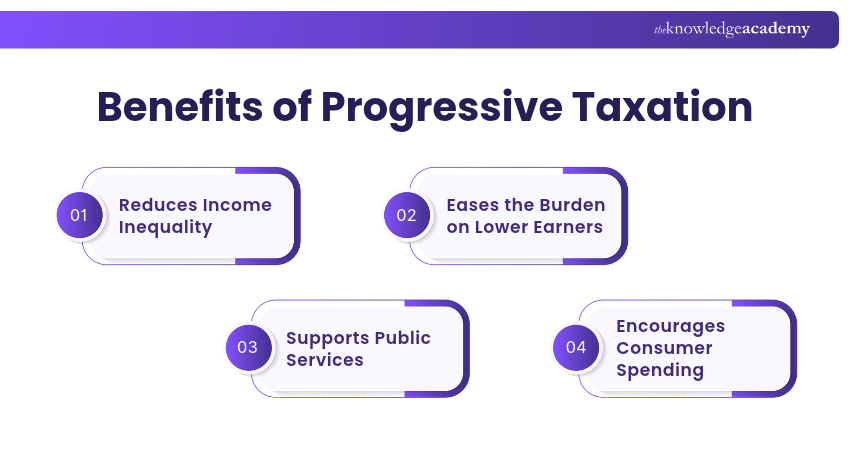
a) Reduces Income Inequality: Higher earners pay a larger proportion of their income in tax, which can help reduce differences in post-tax income between income groups.
b) Eases the Burden on Lower Earners: Lower tax rates on smaller incomes allow low-income individuals to retain more of their earnings for important expenses such as food, housing and transport.
c) Supports Public Services: Revenue collected through progressive taxation helps governments fund essential services, including healthcare, education, infrastructure and public safety.
d) Encourages Consumer Spending: Lower tax burdens can leave low-income households with more disposable income, potentially increasing spending on goods and services and supporting economic activity.
2) Drawbacks of Progressive Taxation
Some challenges of progressive taxation include:
a) May Reduce Incentives to Earn More: Higher marginal tax rates can discourage some individuals from working additional hours or pursuing higher earnings, as they retain less of their extra income.
b) Can Discourage Investment: Higher taxes on certain forms of income may reduce incentives to save or invest, depending on how the tax system is structured.
c) May Encourage Tax Avoidance: Higher tax rates can encourage some taxpayers to use legal tax planning strategies to reduce their liabilities, potentially affecting government revenue.
d) Creates Administrative Complexity: Multiple tax bands, allowances and reliefs can make tax calculations and compliance more complicated for taxpayers and tax authorities.
Take the stress out of tax filing and master every step with the Tax Filing Course today!
Pro Tip
When assessing the drawbacks of progressive taxation, consider allowances, reliefs and effective tax rates alongside headline rates. These factors influence the actual burden on different income groups.
Progressive Tax Examples
Progressive taxation can be seen in parts of the UK tax system where different rates apply to different portions of income, gains or transaction values. The following examples show how progressive or banded tax structures work in practice:
1) Capital Gains Tax
Capital Gains Tax (CGT) applies to taxable profits made during the sale or disposal of certain assets, such as shares, property or other assets. It has progressive features because the applicable tax rate can depend on an individual's taxable income and gains.
For the 2026/27 tax year, individuals generally pay CGT at 18% or 24%, depending on their taxable income and gains. The annual exempt amount is £3,000, meaning gains within this allowance are generally not taxed.
Example: If you make a £10,000 taxable gain before applying the annual exemption, £7,000 remains potentially chargeable to CGT. The applicable rate depends on your income and circumstances.
2) Stamp Duty
Stamp Duty Land Tax (SDLT) applies to qualifying property purchases in England and Northern Ireland. It has a progressive rate structure because higher tax rates apply to higher portions of a property's purchase price. The current standard residential SDLT rates, effective from 1 April 2025, are as follows:
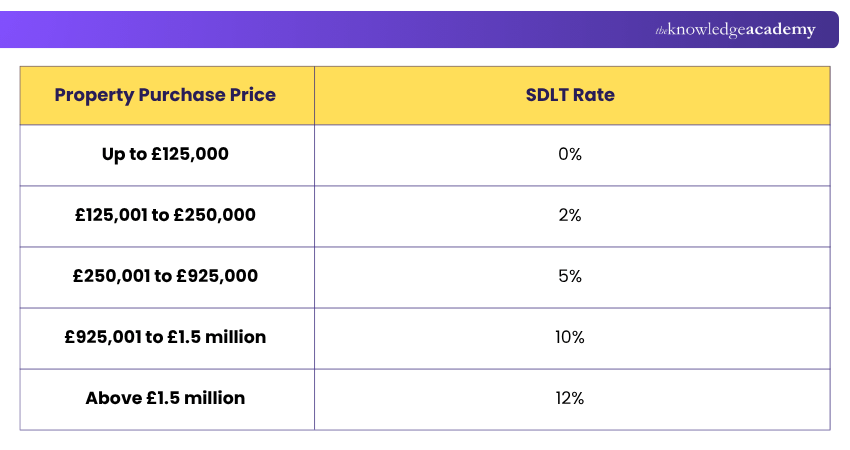
Example: If you purchase a residential property for £300,000, the standard SDLT is £5,000. This includes £2,500 on the portion between £125,001 and £250,000 and another £2,500 on the remaining £50,000.
3) Income Tax
Different tax rates apply to different portions of taxable income as income moves through higher tax bands. This means only the income falling within a particular band is taxed at that band’s rate, rather than the entire income being taxed at the highest rate reached.
For the 2026/27 tax year, the standard Personal Allowance is £12,570. For England, Wales and Northern Ireland, the main Income Tax rates on taxable income are:
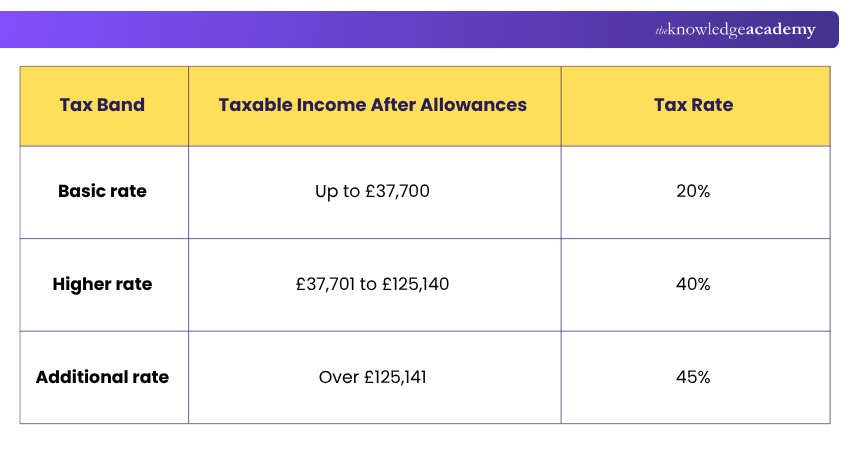
Example: If your taxable income extends into the higher-rate band, only the portion above the basic-rate limit is generally taxed at 40%. The portion within the basic-rate band remains taxed at 20%.
Note: Scotland has separate Income Tax bands and rates. For 2026/27, Scottish rates range from 19% to 48%, depending on the relevant income band.
4) Inheritance Tax
Inheritance Tax (IHT) is generally charged on the value of a deceased person's estate above applicable tax-free thresholds. It has a progressive element because smaller estates may pay no tax, while larger taxable estates can face a higher overall tax burden.
The standard tax-free threshold is £325,000, with a standard tax rate of 40% on the taxable amount above the available thresholds. Additional allowances and exemptions may apply, particularly when a qualifying home passes to direct descendants.
Example: An estate worth £425,000 could face £40,000 in inheritance tax if only the standard £325,000 threshold applies and no other reliefs or exemptions are available.
Learn UK tax rules and turn complex calculations into confident decisions by joining the Taxation (TX-UK) Training today!

 If you wish to make any changes to your course, please


