


 Top Rated Course

We may not have the course you’re looking for. If you enquire or give us a call on 01344203999 and speak to our training experts, we may still be able to help with your training requirements.
Top 22 Software Development Trends to Watch in 2026
Richard Harris 16 July 2026Software Development is driven by AI, automation, cloud computing and security, with trends like low-code, DevSecOps, IoT and blockchain shaping its future. The focus is on smarter, faster and sustainable technologies that enhance innovation and reliability. This marks a shift towards efficient and eco-friendly software solutions.

Training Outcomes Within Your Budget!
We ensure quality, budget-alignment, and timely delivery by our expert instructors.
Table of Contents
Blink, and the software world takes a giant leap forward. Every year smarter tools and breakthrough technologies are introduced that reshape how developers create, test, and deliver applications. From AI-driven coding assistants to low-code platforms, innovation is moving faster than ever before. The result is a development process that’s not only quicker but also smarter and more precise.
These shifts are building a future where software adapts to users seamlessly and businesses scale with confidence. For developers, staying updated is no longer optional; it’s essential. In this blog, we’ll explore the top Software Development Trends of 2026 that are redefining possibilities and shaping the future of digital innovation.
Table of Contents
1) Software Development Trends
a) AI Growth
b) Predictive Analytics
c) Quantum Computing
d) Blockchain Development
e) IT Outsourcing
f) DevSecOps Security
g) Python Dominance
h) React Success
i) Low-code Adoption
j) IoT Growth
2) Conclusion
Software Development Trends
Software Development is the process of designing, creating, testing and maintaining applications or systems that solve specific problems or perform useful tasks. It involves writing code, managing databases and integrating technologies to build software that meets user needs and supports business goals. Here are some of the Software Development Trends that you should know:
1) AI Growth
Artificial Intelligence (AI) is leading the software world at present. It helps developers write code faster, fix bugs quickly and make smarter apps. Organisations are now integrating AI-driven decision-making into their workflows to improve their accuracy and scalability.
AI also makes testing, security and project planning more efficient. As it becomes smarter, we’ll see more apps that can understand and adapt to users automatically.
How AI is Changing Software:
1) Writes and checks code automatically
2) Improves app personalisation and user experience
3) Speeds up testing and debugging
4) Helps make data-based decisions
5) Saves time and effort in development
Use Areas:
1) Code generation and debugging
2) Chatbots and customer service
3) Personalised app experiences
4) Automated testing

2) Predictive Analytics
Predictive analytics is revolutionising how businesses plan, develop, and deploy software. By using historical and real-time data, predictive models can anticipate customer behaviour, detect potential system failures, and optimise project delivery timelines.
In software, it helps teams plan better, spot risks early and improve performance. Today, predictive analytics tools are increasingly used in Software Development Life Cycles (SDLC).
Why Predictive Analytics Matters:
1) Helps identify problems before they happen
2) Improves software performance and planning
3) Reduces risks in projects
4) Boosts accuracy in decision-making
5) Makes Software Development more efficient
Use Areas:
1) Customer behaviour analysis
2) Risk assessment
3) System maintenance forecasting
4) Marketing and sales predictions
3) Quantum Computing
Quantum computing is becoming real and powerful. It was once an abstract scientific concept, but now it has become a practical tool for software innovation. It can process complex data much faster than traditional computers.
Industries such as finance, cyber security and pharmaceuticals are early adopters, exploring how Quantum Software can optimise calculations and enhance encryption.
How Quantum Computing Helps:
1) Processes a huge amount of data quickly
2) Solves complex problems faster
3) Strengthens data security and encryption
4) Powers new scientific discoveries
5) Opens the door for advanced AI models
Use Areas:
1) Data encryption and cyber security
2) Financial modelling
3) Weather prediction
4) AI research
4) Blockchain Development
Blockchain technology is no longer just for cryptocurrency. It has evolved as a core component of software systems focused on security, transparency and decentralisation. It is now used to build secure, transparent and reliable systems in many industries.
Developers use blockchain for safe transactions, identity checks and supply chain tracking. Smart contracts remain a strong attraction, automating transactions without intermediaries.
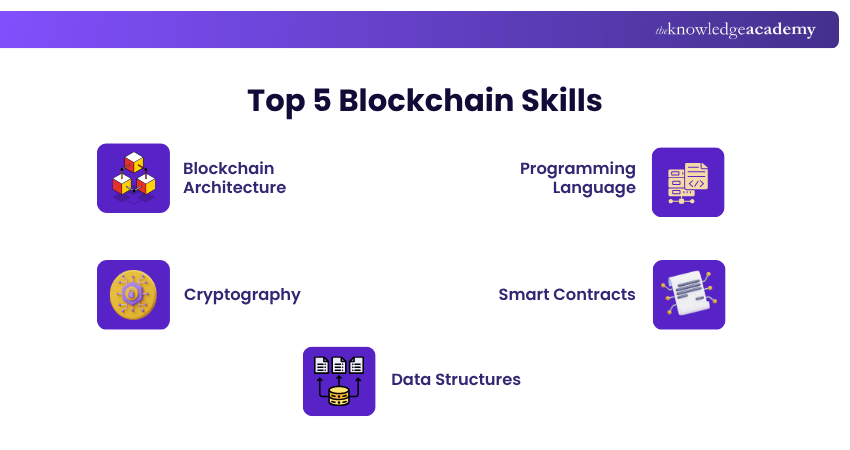
Where Blockchain is Making an Impact:
1) Used for more than just cryptocurrency in real businesses
2) Makes data clear, traceable and harder to change
3) Automates tasks safely with smart contracts
4) Keeps online identities and transactions secure
5) Creates trusted digital systems for global use
Use Areas:
1) Digital payments
2) Supply chain tracking
3) Identity verification
4) Smart contracts
5) IT Outsourcing
IT outsourcing continues to grow as companies look to reduce costs, access specialised skills and speed up development. Businesses are partnering with global teams to handle specific software projects, from app development to technical support.
This approach lets companies focus on their core goals while outsourcing repetitive or complex work to trusted partners as the current trends in Software Development.
Why IT Outsourcing is Growing:
1) Offers access to a global talent pool at lower costs
2) Helps businesses scale development teams quickly
3) Enables 24/7 operations across multiple time zones
4) Improves efficiency through Agile collaboration
5) Reduces infrastructure and long-term hiring costs
Use Areas:
1) Software development
2) Cloud management
3) Technical support
4) Data analytics and cyber security
Manage Software Development processes with our Software Development Lifecycle Training – Register today!
6) DevSecOps Security
DevSecOps combines development, security and operations into one process. It means security is built into every stage of software creation. With this specification, DevSecOps has become essential for secure and efficient software delivery.
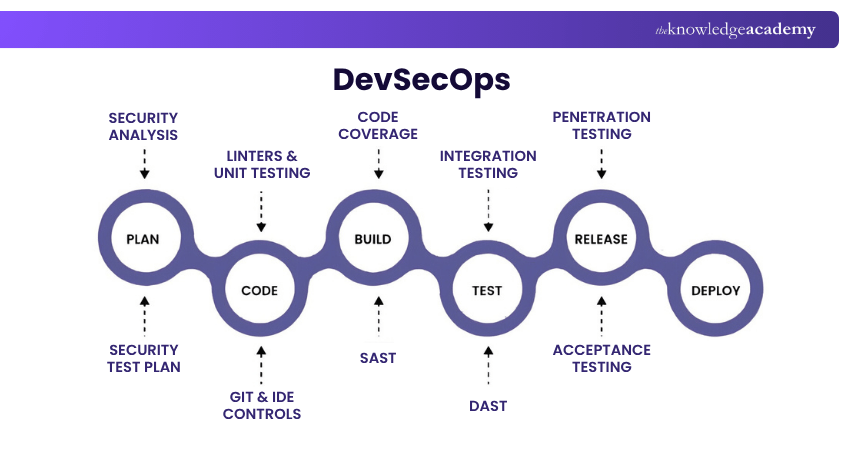
This approach prevents cyberattacks early and ensures safe, fast software delivery. It also builds a culture where developers, operations and security teams work together seamlessly.
How DevSecOps Strengthens Software:
1) Embeds security checks throughout the SDLC
2) Automates threat detection and code analysis
3) Reduces vulnerabilities before deployment
4) Encourages collaboration between development, security and operations teams
5) Ensures compliance with security standards and regulations
Use Areas:
1) Continuous Integration (CI/CD)
2) Code security scanning
3) Vulnerability testing
4) Compliance monitoring
7) Python Dominance
Python continues to be one of the easiest and most useful programming languages. Developers use it continuously for AI, Data Analysis, Data Science and Web Development. It is highly preferred due to its nature of readability and cross-industry usability.
From automation scripts to cloud-based AI systems, Python continues to power innovation across all levels of software creation.
Why Python Stays on Top:
1) Easy to learn and read for beginners and experts
2) Widely used in AI, Machine Learning (ML) and Data Analysis
3) Supported by strong frameworks like Django and Flask
4) Offers huge community support and open-source libraries
5) Ideal for automation, web apps and Application Programming Interfaces (APIs)
Use Areas:
1) Machine Learning
2) Web development and data science
3) Automation scripts
4) API development
8) React Success
React is one of the most popular tools for creating fast and attractive web and mobile apps. It makes building user interfaces simple and efficient. Its flexibility and performance make it the preferred choice for modern User Interface (UI) development.
With new trends in Software Development frameworks like Next.js and React Native, developers can create web and mobile apps using a single codebase.
Why React Stands Out:
1) Enables component-based, reusable code structures
2) Powers both web and mobile app development
3) Ensures faster rendering through the Virtual DOM
4) Has a strong, active developer community
5) Works seamlessly with tools like Redux and Next.js
Use Areas:
1) Front-end web design
2) Mobile app development
3) Single-page applications
4) E-commerce websites
9) Low-code Adoption
Low-code platforms let people build apps with little or no coding. They use visual tools instead of complex programming languages. Many businesses rely on these tools to speed up their application delivery and reduce dependency on coding experts.
These platforms help teams create prototypes, automate workflows and integrate systems quickly. They’re useful for startups and small businesses looking for Agility and cost efficiency.
How Low-code is Changing Development:
1) Speeds up application design with drag and drop tools
2) Enables collaboration between technical and business teams
3) Reduces development costs and timelines
4) Simplifies maintenance and updates
5) Ideal for digital transformation and automation projects
Use Areas:
1) Business process automation
2) Internal tools and dashboards
3) Prototyping new ideas
4) Workflow management
10) IoT Growth
The Internet of Things (IoT) connects everyday devices to the internet, making them smart. From smart homes to industrial systems, IoT is improving automation, monitoring and efficiency.
Developers now focus on improving security, Data Management and edge computing to handle vast device networks. With 5G and AI integration, they are faster, responsive and reliable.
How IoT is Making Life Easier:
1) Connects devices for smarter automation and control
2) Enables real-time data collection and analytics
3) Boosts productivity in homes, cities and industries
4) Relies on AI and 5G for faster, safer communication
5) Supports sustainable and energy-efficient innovations
Use Areas:
1) Smart homes
2) Healthcare devices
3) Industrial automation
4) Agriculture monitoring
Design and manage complex systems with our Systems Engineering Training – Join now!
11) Cloud Innovation
Cloud computing is the backbone of modern Software Development. Now, the focus is on multi-cloud and hybrid setups that combine flexibility, cost control and resilience. With that, businesses are using multi-cloud systems for more flexibility and safety.
Cloud-native apps are easier to build, run and scale. They help companies work from anywhere and save money on hardware.
Why Cloud Computing is Evolving:
1) Supports hybrid and multi-cloud strategies
2) Reduces costs through flexible scaling and automation
3) Enhances collaboration and remote access
4) Enables faster deployment with serverless models
5) Improves disaster recovery and Data Management
Use Areas:
1) Data storage and application hosting
2) Collaboration tools
3) Backup and recovery
4) AI and analytics
12) IaC Adoption
Infrastructure as Code (IaC) means managing servers and systems through scripts instead of manual setup. It helps developers manage IT environments through scripts instead of manual setup.
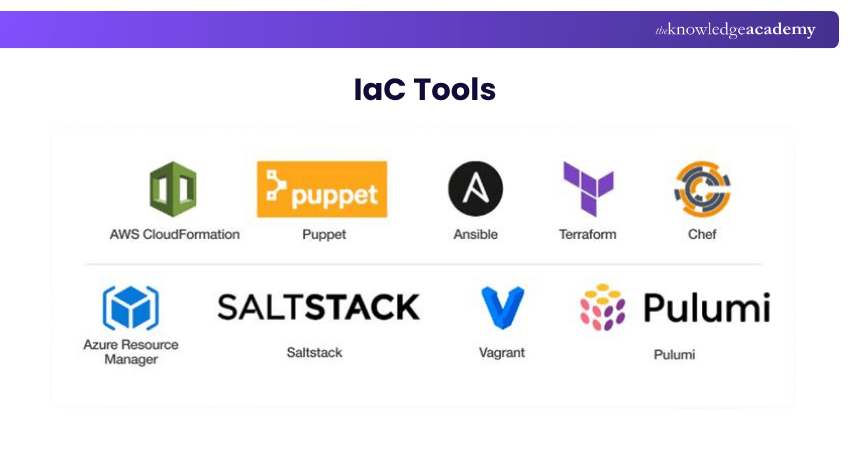
Tools like Terraform and Ansible help automate complex tasks. It ensures consistency and saves time in managing cloud environments.
Benefits of IaC:
1) Automates infrastructure setup and configuration
2) Reduces human error and improves consistency
3) Speeds up deployment and scaling
4) Makes environments easily reproducible
5) Supports DevOps and continuous delivery models
Use Areas:
1) Cloud provisioning
2) Configuration management
3) Continuous deployment
4) Disaster recovery setups
13) Kubernetes Future
Kubernetes is the top tool for managing containers like small, packaged software units. It makes apps easier to scale and run across servers. It automates deployment, scaling and monitoring across cloud environments.
Businesses rely on it to ensure reliability and scalability in production workloads. It also enables developers to manage distributed systems efficiently.
Why Kubernetes Remains Essential:
1) Simplifies container management and scaling
2) Improves resource efficiency across cloud systems
3) Enables smooth microservices orchestration
4) Offers built-in fault tolerance and recovery
5) Integrates easily with CI/CD pipelines
Use Areas:
1) Container orchestration
2) Microservices management
3) Cloud application hosting
4) DevOps automation
14) Cyber Security With DevSecOps
As cyber threats evolve, integrating cyber security into every phase of software development is very important. DevSecOps practices ensure that vulnerabilities are detected early and resolved automatically. This proactive approach allows developers to build compliance-ready systems.
AI-powered tools now detect risks automatically, reducing response times and strengthening defences. The result is software that is not only functional but resilient.
How Cyber Security is Getting Smarter:
1) Enables protection throughout development and deployment
2) Uses automation to identify and fix vulnerabilities
3) Relies on AI for real-time threat detection
4) Reduces downtime through faster response systems
5) Promotes a proactive security culture in teams
Use Areas:
1) Threat detection and data encryption
2) Access control
3) Real-time monitoring
4) Compliance enforcement
15) FinOps and GreenOps Growth
Financial Operations (FinOps) and Green Operations (GreenOps) are rising as key components of modern IT strategies. FinOps helps organisations manage cloud costs, ensuring transparency and accountability in spending. GreenOps focuses on the sustainability of cloud infrastructure.
As businesses balance performance and ethics, these practices are defining a new era of responsible digital transformation.
Why FinOps and GreenOps Matter:
1) Improve transparency in Cloud Cost Management
2) Promote energy-efficient computing
3) Support sustainability in tech operations
4) Encourage accountability across teams
5) Align IT goals with financial and environmental targets
Use Areas:
1) Budget tracking
2) Sustainability reporting
3) Resource optimisation
4) Energy-efficient infrastructure
Learn the key principles of analysing and delivering effective IT systems with our Systems Development Essentials Training – Sign up soon!
16) XOps Expansion
XOps combines several operational practices like DevOps, MLOps and DataOps for managing and automating enterprise technology. The goal is to bring operational excellence across every domain, from machine learning pipelines to data processing.
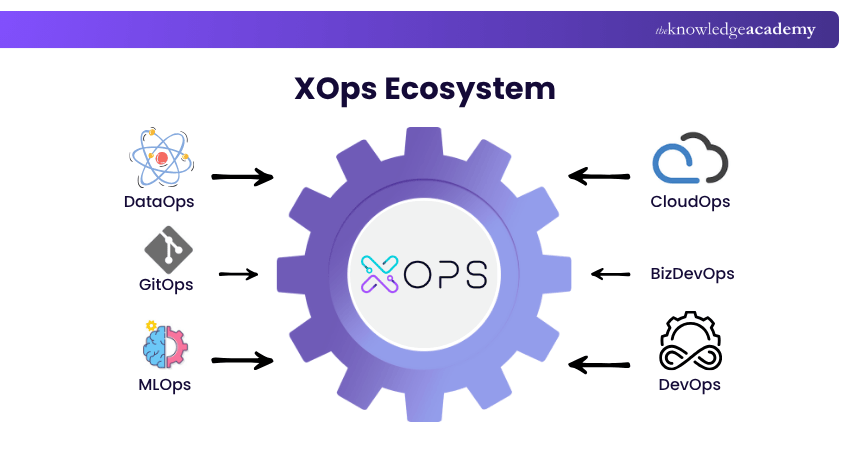
XOps ensures collaboration, automation, and efficiency across multidisciplinary teams. It helps teams connect data, AI and software operations for smoother workflows and faster results.
How XOps is Changing Operations:
1) Breaks down silos between Dev, Data and AI teams
2) Automates workflows and reduces manual intervention
3) Improves monitoring and system reliability
4) Supports faster innovation and delivery cycles
5) Builds a unified, data-driven operational model
Use Areas:
1) Machine learning pipelines
2) Data Management
3) Monitoring and logging
4) System integration
17) Rust Adoption
Known for its safety, performance and concurrency support, Rust is being adopted in areas where reliability and security are crucial. It is growing fast because it is secure, fast and reliable. Developers use it for building safe and high-performance software.
Its ability to prevent memory errors without garbage collection makes it an excellent alternative to C++ for secure and high-speed applications.
Why Developers Trust Rust:
1) Offers strong memory safety and high performance
2) Prevents common programming errors
3) Ideal for system-level and embedded applications
4) Growing community and ecosystem support
5) Preferred for secure, low-latency environments
Use Areas:
1) System programming
2) WebAssembly apps
3) Blockchain development
4) Game engines and IoT devices
18) AR/VR Boom
Augmented Reality (AR) and Virtual Reality (VR) technologies are moving beyond gaming into mainstream business applications. They create immersive experiences that help users learn, train and explore virtually.
Developers are creating immersive experiences that blend the digital and physical worlds. Improved hardware and 5G networks make AR/VR more accessible and responsive.
Where AR/VR is Making a Difference:
1) Powers training, education and medical simulations
2) Enhances retail experiences through virtual try-ons
3) Supports remote collaboration and design
4) Boosts engagement in marketing and entertainment
5) Integrates with AI for smarter interactions
Use Areas:
1) Gaming and entertainment
2) Education and training
3) Healthcare simulations
4) Real estate virtual tours
19) Better PWAs
Progressive Web Apps (PWAs) are bridging the gap between websites and mobile apps. They offer fast loading, offline access and a native app-like experience directly from the browser. It is highly used among e-commerce and service-based industries to enhance accessibility.
With frameworks like Angular and React supporting PWA development, businesses can now offer high-quality user experiences without the cost of maintaining separate mobile apps.
Why PWAs Are Growing in Demand:
1) Deliver app-like experiences via browsers
2) Work offline and send push notifications
3) Load quickly and perform efficiently
4) Reduce development and maintenance costs
5) Improve accessibility across devices
Use Areas:
1) E-commerce and social networking
2) News and media apps
3) Service platforms
4) Booking and ticketing systems
20) Microservices Scaling
Microservices break large apps into smaller, independent parts. This makes updates easier and reduces downtime. You can even replace some parts without affecting the whole software system.
Paired with technologies like Kubernetes and service meshes, Microservices allow teams to deploy updates faster, which is essential in fast-paced development environments.
Why Microservices Work Well:
1) Make systems easier to manage
2) Improves fault tolerance and system stability
3) Enables independent development and updates
4) Fit perfectly with DevOps and CI/CD
5) Encourages flexibility in technology choices
Use Areas:
1) Cloud applications
2) E-commerce platforms
3) Streaming services
4) Logistics Management
Build robust applications that withstand the test of time with our Software Design and Architecture Training - Built to last!
21) Web3 Evolution
Web3 is the next version of the internet, which is more private, open and decentralised. It gives users control over their own data and enables peer-to-peer interactions. Through this, Web3 promises a fairer, more transparent digital ecosystem.
Developers are creating decentralised applications (dApps) that use blockchain to ensure data privacy and transparency.
How Web3 is Changing the Internet:
1) Promotes decentralisation and data ownership
2) Supports blockchain-based dApps and smart contracts
3) Enables secure, peer-to-peer transactions
4) Encourages transparency and user control
5) Reduces reliance on centralised platforms
Use Areas:
1) Decentralised finance (DeFi)
2) Digital identity
3) Content ownership
4) Smart contracts
22) NFT Expansion
Non-Fungible Tokens (NFTs) are moving beyond digital art into practical applications. It is a digital asset stored on a blockchain that proves ownership of something like art, music, videos, property or even virtual items.
Industries like real estate, entertainment, and fashion are using NFTs to represent ownership of physical and digital assets.
Where NFTs are Used:
1) Used for property, event tickets and certifications
2) Provide proof of ownership and authenticity
3) Enable secure digital marketplaces
4) Encourage new business and creator economies
5) Integrate with Web3 and blockchain solutions
Use Areas:
1) Digital art and collectables
2) Real estate and land ownership
3) Music and film licensing
4) Event tickets and memberships
Conclusion
The software landscape reflects more than just technological progress. It represents a shift in mindset. Development is no longer about writing endless lines of code, but about solving problems faster, smarter and sustainably. Ultimately, Software Development Trends are reshaping how we think, collaborate and create digital experiences.
Begin your journey to becoming an expert Developer with our Software Engineering Courses – Explore now!
Frequently Asked Questions
What are the Four Main Activities in Software Development?

The four main activities in Software Development are:
1) Specification
2) Design and implementation
3) Validation
4) Evolution
What Sector Does Software Development Fall Under?
Software development falls under the Information Technology (IT) sector. It supports services related to computing, Data Management, Software Engineering and digital infrastructure.

Richard Harris


Senior Full Stack Developer and Technology Educator
Richard Harris is a highly experienced full-stack developer with deep expertise in both frontend and backend technologies. Over his 12-year career, he has built scalable web applications for startups, enterprises and government organisations. Richard’s writing combines technical depth with clear explanations, ideal for developers looking to grow in modern frameworks and tools.


 If you wish to make any changes to your course, please


