




We may not have the course you’re looking for. If you enquire or give us a call on 01344203999 and speak to our training experts, we may still be able to help with your training requirements.
What is a Lean Six Sigma Black Belt: A Complete Guide
ByAkhil KLast updated on: 10 October 2026
A Lean Six Sigma Black Belt is an advanced professional who leads process improvement projects using DMAIC to reduce waste and defects across industries. Organisations benefit from improved quality, efficiency and customer satisfaction. Earning this certification also strengthens leadership skills and supports long-term career growth.
Quick Overview
1. Lean Six Sigma Black Belts lead complex process improvement projects using structured, data-driven methods.2. The role combines analytical expertise with leadership, communication and change management skills.3. Black Belts work across teams to identify root causes and deliver measurable process improvements.4. Certification can support career opportunities in quality, operations, process improvement and operational excellence.5. Black Belt expertise can be applied across industries where efficiency, quality and continuous improvement are priorities.
Have you ever noticed how some organisations consistently reduce delays, errors and unnecessary costs while others struggle with the same problems repeatedly? The difference often lies in how systematically they identify root causes and turn improvement opportunities into measurable results.
This is where Lean Six Sigma Black Belt expertise becomes valuable. In this blog, we explore what the role involves, the skills it requires, who the certification is suited for, its benefits and the career and earning opportunities associated with it.
What is Lean Six Sigma Black Belt?
Lean Six Sigma Black Belt is an advanced level of Lean Six Sigma expertise, commonly validated through professional certification. It prepares professionals to lead complex process improvement projects. It combines Lean, which helps remove waste and improve efficiency, with Six Sigma, which uses data and statistical methods to reduce defects, control variation and improve quality.
Black Belt professionals use the DMAIC (Define, Measure, Analyse, Improve and Control) methodology to find problems, understand their causes and improve processes. They also lead teams, support and mentor Green Belt professionals and help organisations improve quality, operational efficiency and customer satisfaction.

What Does a Lean Six Sigma Black Belt do?
Lean Six Sigma Black Belts help organisations work better. They find problems, reduce waste, lower costs and improve quality. Their main responsibilities include:
1) Leading Process Improvement Projects
Black Belts lead improvement projects using the DMAIC framework, guiding teams through the Define, Measure, Analyse, Improve and Control phases to achieve and sustain measurable improvements.
2) Analysing Data
They collect and analyse data to understand trends, find the root causes of problems and support better business decisions.
3) Improving Business Processes
Black Belts identify waste, remove unnecessary activities and enhance workflows to increase efficiency and productivity.
4) Mentoring Project Teams
They support and guide project teams by sharing knowledge and ensuring Lean Six Sigma practices are applied correctly.
5) Managing Cross-functional Teams
Black Belts work with different departments, coordinate project activities and keep teams focused on achieving project goals.
6) Supporting Business Goals
They ensure improvement projects align with organisational objectives, like reducing costs, improving quality and enhancing customer satisfaction.
7) Promoting Continuous Improvement
Black Belts support a culture of continuous improvement by helping organisations identify new opportunities to enhance processes and performance.
Keep in Mind
Removing steps does not automatically make a process better. Consider quality, customer requirements, risk and process stability alongside efficiency.
Skills Required to Become a Lean Six Sigma Black Belt
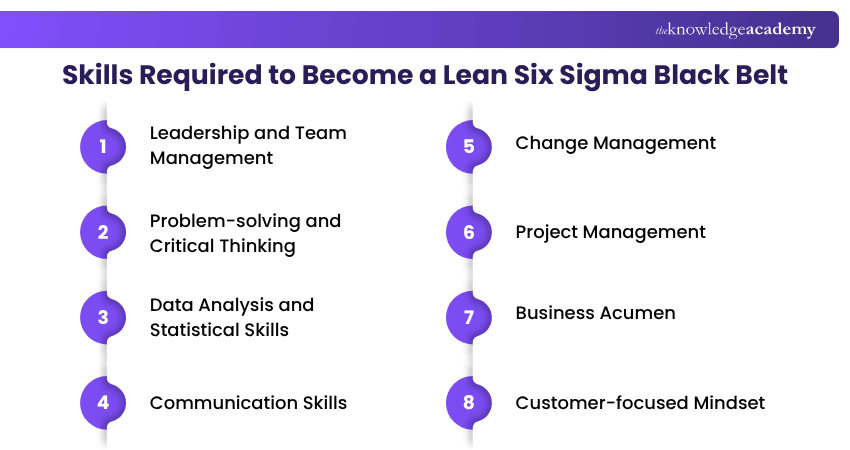
To become a Lean Six Sigma Black Belt, you need the right skills to solve problems, lead teams and improve the way work is done. These skills also help you make better decisions and complete projects successfully. Some of the key skills include:
1) Leadership and Team Management
Black Belts lead improvement projects and guide cross-functional teams. They should be able to encourage team members, delegate responsibilities and achieve project goals.
2) Problem-solving and Critical Thinking
They should be able to identify process issues, analyse root causes and develop practical solutions that improve business performance.
3) Data Analysis and Statistical Skills
Black Belts use data to measure performance, identify trends and make informed decisions. A strong understanding of statistical tools is important, alongside the ability to apply the DMAIC methodology effectively.
4) Communication Skills
Strong communication helps Black Belts explain ideas clearly, present findings and work effectively with stakeholders across different levels of the organisation.
5) Change Management
Process improvements often involve organisational change. Black Belts should be able to manage change, address resistance and help teams adopt new ways of working.
6) Project Management
They should know how to plan projects, manage resources, monitor progress and deliver improvements within agreed timelines.
7) Business Acumen
Understanding business goals helps Black Belts prioritise projects that improve efficiency, reduce costs and deliver greater value to the organisation.
8) Customer-focused Mindset
Successful Black Belts keep customer requirements at the centre of every improvement initiative to ensure processes deliver consistent quality and satisfaction.
Trainer’s Insight
Strong Black Belts do not rely on statistics alone. They combine data with process knowledge and stakeholder input to understand what is really causing a problem before deciding how to improve it.
Learn powerful tools to improve efficiency and eliminate business waste with the Lean Six Sigma Certification Training – Register now!
Who Should Take Lean Six Sigma Black Belt Certification?
Lean Six Sigma Black Belt certification is for professionals who want to lead projects, solve business problems and advance their careers. This certification is suitable for professionals who:
1) Want to lead large process improvement initiatives.
2) Want to reduce waste and enhance operational efficiency.
3) Work in quality management or continuous improvement.
4) Use data-driven approaches to solve business problems.
5) Want to progress into process improvement, operational excellence or quality leadership roles.
6) Have Green Belt knowledge or experience and want to develop more advanced Lean Six Sigma expertise.
7) Want to improve business performance across teams or departments.
Benefits of Lean Six Sigma Black Belt Certification
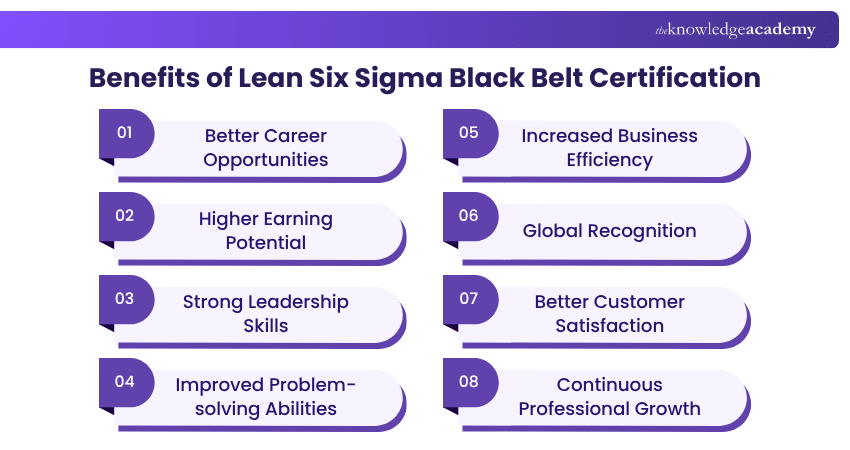
Lean Six Sigma Black Belt Certification advances process improvement and leadership skills valued across industries. It also improves business efficiency and creates new career opportunities. The key benefits are:
1) Better Career Opportunities
Lean Six Sigma Black Belt Certification can support progression into roles in quality management, operations, project management and continuous improvement.
2) Higher Earning Potential
Lean Six Sigma Black Belt Certification can support access to roles with higher earning potential, particularly where advanced process improvement, operational excellence and leadership skills are required.
3) Strong Leadership Skills
Leading improvement projects helps develop leadership, decision-making and team management skills that are valuable in management positions.
4) Improved Problem-solving Abilities
Black Belts learn structured techniques to identify process issues, analyse root causes and implement long-term solutions.
5) Increased Business Efficiency
By reducing waste and improving workflows, Black Belts help organisations increase productivity, lower costs and improve overall performance.
6) Global Recognition
Lean Six Sigma Black Belt skills and recognised certifications are valued across industries such as manufacturing, healthcare, finance, Information Technology (IT) and logistics.
7) Better Customer Satisfaction
Improved processes can contribute to more consistent quality and help organisations meet customer expectations more effectively.
8) Continuous Professional Growth
The certification strengthens analytical, project management and communication skills, preparing professionals for more strategic roles and long-term career growth.
Common Black Belt Pitfalls
Even a structured improvement project can lose direction. Watch out for:
1. Starting analysis before clearly defining the problem2. Collecting data without knowing what decision it should support3. Jumping to solutions before confirming root causes4. Expanding the project beyond its original scope5. Overlooking stakeholder resistance to change6. Ending the project without controls to sustain improvements
Learn to lead large-scale Lean Six Sigma improvement projects through the Lean Six Sigma Black Belt Upgrade Training – Join today!
Lean Six Sigma Black Belt Salary
Lean Six Sigma Black Belt professionals are in demand across many industries. Salaries vary based on experience, industry, location and job role. Let’s check the salary ranges below:
1) Salary by Job Role
The table below describes the salaries for common Lean Six Sigma Black Belt certified professionals:
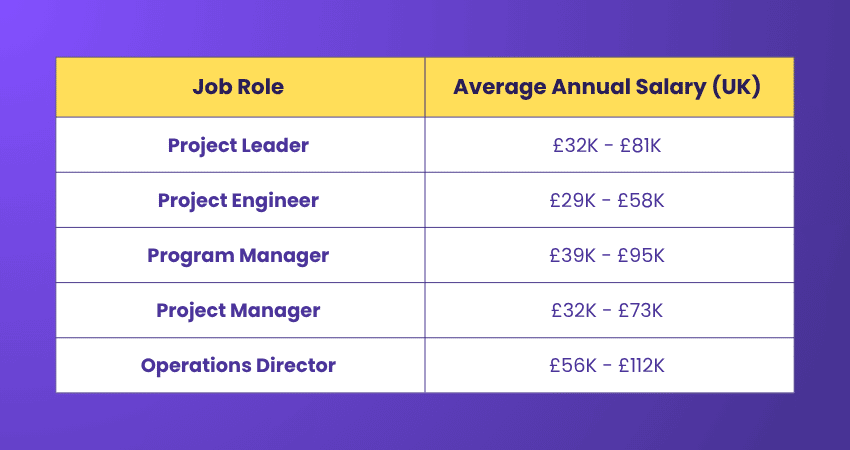
Source: Glassdoor
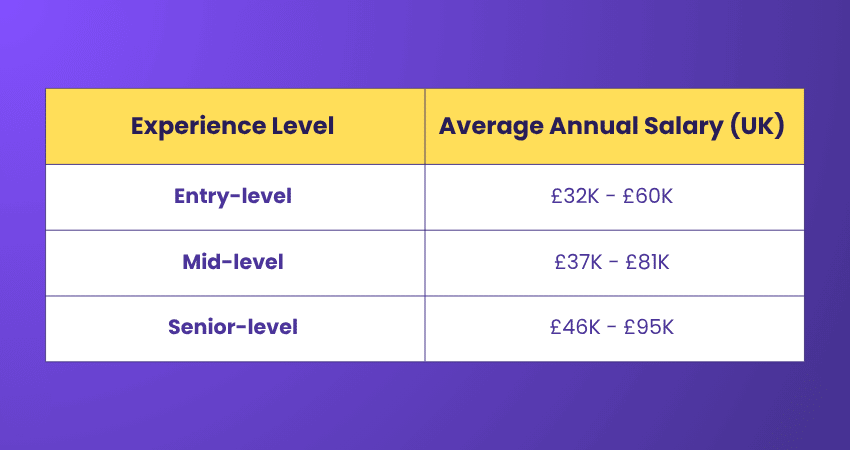
2) Salary by Experience
The table below explains salaries by experience level:
Career Opportunities After Lean Six Sigma Black Belt Certification
Lean Six Sigma Black Belt Certification can support progression into leadership and process improvement roles across industries such as manufacturing, healthcare, finance, IT, logistics and the public sector. Common career paths include:
1) Process Improvement Manager
Identifies opportunities to improve workflows, eliminate inefficiencies and enhance overall business performance.
2) Quality Manager
Oversees quality management systems, ensures compliance with standards and drives continuous improvement across business processes.
3) Operations Manager
Manages day-to-day operations while improving productivity, reducing waste and ensuring the efficient use of resources.
4) Operational Excellence Manager
Develops and supports long-term operational improvement strategies, which may use Lean Six Sigma and other continuous improvement approaches to improve efficiency, quality and organisational performance.
5) Project Manager
Manages projects where Lean Six Sigma skills can support process analysis, problem-solving, risk management and measurable performance improvement.
6) Business Excellence Manager
Works with senior leadership to improve organisational performance, customer satisfaction and operational efficiency.
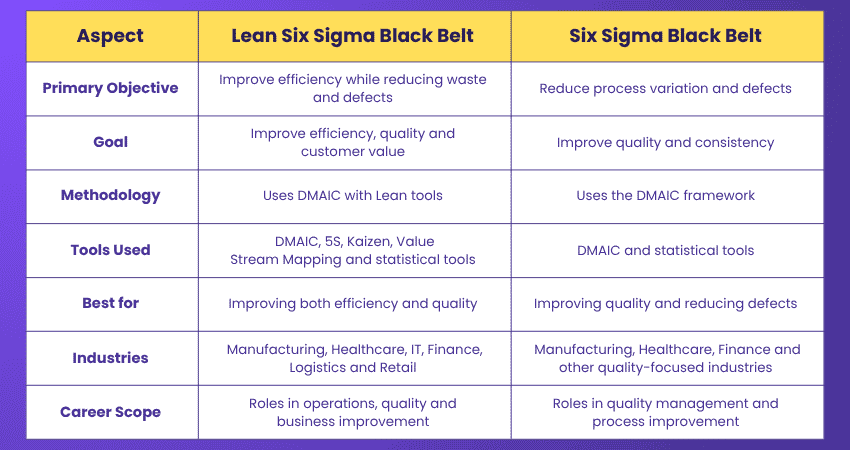
Lean Six Sigma Black Belt vs Six Sigma Black Belt
Lean Six Sigma Black Belt and Six Sigma Black Belt are advanced process improvement certifications. Lean Six Sigma combines Lean and Six Sigma methods, while Six Sigma focuses on reducing defects and improving quality. The table below compares their key differences:
A Lean Six Sigma Black Belt is not defined by the number of tools they know, but by how effectively they turn evidence into sustainable improvement. Focus on selecting the right problems, validating causes, involving the right people and ensuring improvements continue after the project ends.
Lead improvement projects that cut waste and boost operational performance with the Lean Six Sigma Green Belt Training – Sign up today!

Akhil K is a Copywriter and Video Editor with experience in content creation, visual storytelling, advertising and brand communication. His background in journalism, research and audience-focused communication strengthens his ability to create clear and engaging Business Skills content.
View Detail

 If you wish to make any changes to your course, please


