


We may not have the course you’re looking for. If you enquire or give us a call on 01344203999 and speak to our training experts, we may still be able to help with your training requirements.
How to Become a Program Manager: A Step-by-Step Guide
ByVidhya NairLast updated on: 21 October 2026
Learn how to become a Program Manager by exploring the role, essential skills, experience, certifications, and salary considerations.
Before We Dive In
1. Program Managers coordinate related projects to support strategic objectives.2. Relevant project experience is important before moving into program management.3. Leadership, communication, strategic thinking, and stakeholder skills are essential.4. A degree can help, but it is not a universal requirement for every role.5. Certifications such as PgMP® can strengthen experienced professionals’ credentials.
Imagine leading not just one project, but an entire group of interconnected initiatives that shape an organisation's future. As businesses take on increasingly complex programs, the need for professionals who can align projects, people, and strategic goals continues to grow. This is where Program Managers make an impact.
This blog explores what a Program Manager does, the skills and qualifications required, relevant certifications, salary expectations, and the steps to enter the profession.
Who is a Program Manager?
A Program Manager coordinates related projects and activities to achieve strategic objectives and deliver benefits. They oversee dependencies, shared resources, risks and stakeholder communication, ensuring the program remains aligned with organisational priorities.
While a Project Manager focuses on delivering an individual project, a Program Manager oversees how related projects work together to achieve broader outcomes.

What Does a Program Manager do?
The responsibilities vary by organisation and program, but typically include:
1) Coordinating cross-functional teams and working with Project Managers
2) Developing program plans that support organisational objectives
3) Managing dependencies, risks and issues across related projects
4) Coordinating shared resources, budgets and schedules
5) Maintaining a roadmap that connects project delivery with program outcomes
6) Communicating priorities and engaging stakeholders
7) Monitoring performance and progress towards expected benefits
8) Reporting progress and escalating decisions to sponsors or governance bodies.
How to Become a Program Manager?
Becoming a Program Manager involves building experience in project delivery and learning how to coordinate related projects to achieve wider organisational goals. Although career paths vary, the following steps can help you prepare for the role.
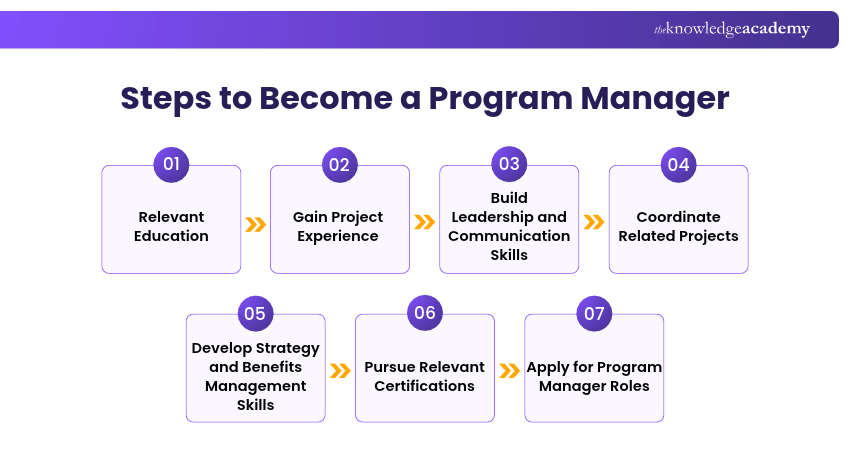
1) Consider Relevant Educational Qualifications
Relevant education can help you understand business operations and project delivery. Consider the following options:
1) Undergraduate Qualifications: A degree in business, management, engineering, information technology or a related subject can provide useful foundational knowledge.
2) Postgraduate Qualifications: Further study can deepen your understanding of strategy, finance and leadership, but it is not essential for every role.
3) Alternative Routes: Professional qualifications and substantial practical experience may also support entry into program management.
2) Gain Project Management Experience
Practical experience helps you understand how projects are planned, controlled and delivered. Build your capabilities in the following areas:
1) Planning and Scheduling: Define activities, set realistic deadlines and monitor progress.
2) Budget and Resource Management: Track spending and coordinate the people and resources needed to complete work.
3) Risk and Issue Management: Identify potential problems, assess their impact and respond to issues.
4) Project Delivery: Take responsibility for agreed outputs and learn how project decisions affect wider business objectives.
Roles such as Project Coordinator or Project Manager can provide opportunities to develop these skills.
Strengthen practical program management skills with the Programme Management Green Belt Course today.
3) Develop Leadership and Communication Skills
Program Managers work across teams and departments, often influencing people they do not directly manage. Focus on developing these skills:
1) Leadership: Establish shared priorities and guide teams towards common objectives.
2) Communication: Explain progress, risks and decisions clearly to different audiences.
3) Negotiation: Agree resource allocations, responsibilities and deadlines with stakeholders.
4) Conflict Resolution: Address disagreements and help teams resolve competing priorities.
You can practise these skills by leading meetings, coordinating team activities and presenting updates to senior stakeholders.
4) Gain Experience Across Related Projects
Seek opportunities to coordinate projects that contribute to a common outcome. This helps you develop experience in:
1) Managing Dependencies: Identify where one project relies on another project's work or decisions.
2) Coordinating Shared Resources: Resolve competing demands for people, budgets and equipment.
3) Assessing Wider Impacts: Understand how changes in one project could affect others.
4) Aligning Delivery: Coordinate schedules so that project outputs work together effectively.
Trainer’s Pro Tip
Build experience beyond managing individual projects by taking on work that involves shared resources, cross-functional teams, dependencies, and strategic priorities. This can help you develop the broader perspective needed for program management.
5) Strengthen Strategic and Benefits Management Skills
Program management requires an understanding of why work is being undertaken and what improvements it should achieve. Develop your ability to:
1) Connect Work to Strategy: Align program objectives with organisational priorities.
2) Assess Business Cases: Understand the expected benefits, costs and risks of proposed investments.
3) Prioritise Work: Support decisions about funding, resources and changes in direction.
4) Define and Measure Benefits: Establish the improvements expected and how progress will be assessed.
5) Clarify Benefits Ownership: Agree who is responsible for realising and sustaining each benefit.
6) Pursue Relevant Professional Certifications
Certifications can help you develop structured knowledge and demonstrate professional development. When considering your options:
1) Assess Your Experience: Choose a certification that matches your current knowledge and responsibilities.
2) Build Project Management Knowledge: A project management certification may be useful while you are developing delivery experience.
3) Develop Program Management Expertise: Consider a program management certification as you gain experience coordinating related projects.
4) Check Eligibility Requirements: Review the awarding body's requirements, as some credentials require documented professional experience.
5) Consider Career Relevance: Check whether the certification supports the responsibilities expected in your target roles.
Build foundational program management knowledge with our PgM (Program Management) Course today.
7) Apply for Program Management Roles
Look for opportunities to put your knowledge and experience into practice. You can:
1) Support an Experienced Program Manager: Assist with program planning, reporting, governance and coordination.
2) Take on Broader Responsibilities: Coordinate a smaller program or a group of related projects.
3) Demonstrate Your Contribution: Prepare examples showing how you managed dependencies, resolved resource conflicts and supported business outcomes.
4) Tailor Your Application: Match your experience to the role's requirements and explain your own responsibilities and decisions clearly.
Program Manager Salaries Across Different Industries
Program Manager salaries vary by industry, experience, location, and level of responsibility. The table below shows current UK salary data for selected Program Manager roles:
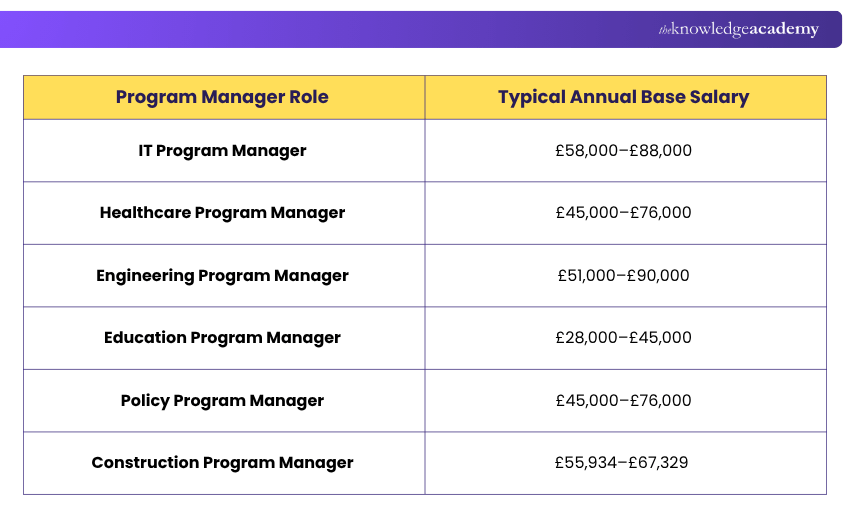
Source: Glassdoor
Develop broader project and program management expertise with Certified Project and Program Management CPPM Training today.

Vidhya Nair is a Senior Copywriter with 7+ years of experience across copywriting, content writing and communication. Her extensive research and editorial experience supports her ability to present topics across Business Skills and Human Resources with clarity and purpose.
View Detail

 If you wish to make any changes to your course, please


