




We may not have the course you’re looking for. If you enquire or give us a call on +44 1344 203 999 and speak to our training experts, we may still be able to help with your training requirements.
What is the CIPD Profession Map: A Complete Guide to Success
ByAmelia WilliamsLast updated on: 22 September 2026
The CIPD Profession Map defines standards for professionals, outlining key knowledge, behaviours and values to support career growth and guide better decisions. It helps practitioners understand what good HR and people practice look like at every level. The map also acts as a clear guide so professionals can grow with confidence.
You’re skilled, motivated and ready to grow in your Human Resources (HR) career. But imagine having a clear, trusted guide that shows you exactly how to level up with confidence. That’s the power of the CIPD Profession Map. It’s more than a framework. It’s a career companion that helps you stay relevant, become more strategic and build the kind of expertise employers truly value.
In this blog, you’ll learn What is the CIPD Profession Map is, why it matters, the values it’s built on, and the key knowledge and behaviours it outlines. Also, the specialist areas you can develop, and how to use them to strengthen your growth and confidence. Let’s dive in.
What is the CIPD Profession Map?
The Chartered Institute of Personnel and Development (CIPD) Profession Map is a clear, interactive framework that sets out the standards expected of people working in HR. It motivates professionals to grow their skills, strengthen their practice and contribute to a better working world. Its purpose is to create a shared sense of identity, ensuring everyone works with the same values and expectations.
Rather than prescribing fixed rules, the map focuses on core values that guide thoughtful, responsible Decision-making. These values help individuals, teams and organisations handle challenges confidently and shape workplaces that are ready for the future.
Core Contributions:
1) Encourages ethical, values-driven professional practice
2) Strengthens decision-making through evidence and insight
3) Ensures HR activities contribute to meaningful organisational results
4) Applies across HR, L&D and wider People Management roles
5) Helps professionals reflect, assess progress and set development goals

Why is the CIPD Profession Map Important?
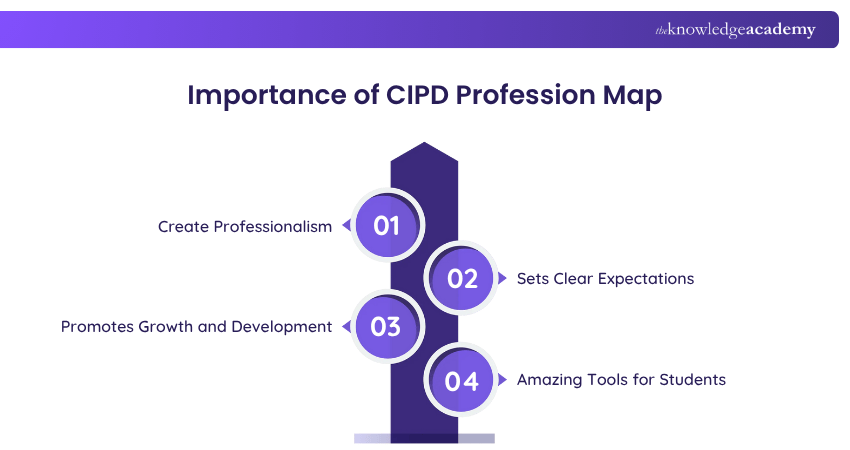
The CIPD Profession Map is important because it acts as a clear framework that defines what it means to be an effective and ethical HR or people professional. The map also outlines the knowledge, behaviours, and values needed to succeed in the people profession today and in the future. Here is why it is important:
1) Create Professionalism
The map outlines the core values and behaviours expected of HR professionals, ensuring ethical, confident, and evidence-based practice across the profession.
Pro Tip: Refer to the map when making decisions to ensure they align with professional values and ethical standards.
2) Sets Clear Expectations
It defines what is expected at different career levels, making roles and progression paths transparent for individuals and teams.
Pro Tip: Apply the map when setting objectives or creating job descriptions to ensure clarity and fairness.
3) Promotes Growth and Development
It highlights areas for personal development and helps tailor learning plans to support career advancement and performance improvement.
Pro Tip: Use it to assess your current skills and plan targeted development activities for career growth.
4) Amazing Tool for Students
The map simplifies what’s needed to succeed in HR and helps students connect academic learning to real-world HR practices.
Pro Tip: Map your academic work and projects to CIPD standards to build a stronger resume and stand out in interviews.
Lay a strong HR foundation with our CIPD Level 3 Foundation Certificate in People Practice– Sign up now!
CIPD Profession Map Values
The CIPD Profession Map is built around a set of three core values that define how people professionals should think, act, and make decisions in their roles. These values ensure that HR and people practices go beyond business results to create ethical, fair, and inclusive workplaces. Those are:
1) Principles-led
The map outlines the core values and behaviours expected of HR Professionals, ensuring ethical, confident, and evidence-based practice across the profession.
1) What it Looks Like: Keeping things confidential, treating everyone fairly, and doing what’s right, even when it’s tough.
2) Why it Matters: It helps build trust, creates a better work environment, and shows you're a reliable professional.
3) Example: Speaking up when a decision could hurt staff, even if it seems good for business.
2) Evidence-based
Evidence-based practice means making informed decisions by combining data, research, stakeholder input, and professional judgment. It moves HR away from assumptions and towards strategic, reliable action.
1) What it Looks Like: Applying people analytics, employee input, and industry insights to shape HR strategies and initiatives.
2) Why it Matters: It leads to smarter, unbiased decisions that align with both employee needs and business goals.
3) Example: Implementing a flexible work policy based on productivity trends and staff feedback.
3) Outcomes-driven
Being outcomes-driven means focusing on results that benefit people, organisations, and society. It encourages HR Professionals to set clear objectives and measure impact, not just complete tasks.
1) What it Looks Like: Defining what success looks like for a new initiative and tracking its effectiveness.
2) Why it Matters: It ensures HR delivers real value and helps align people's strategies with organisational goals.
3) Example: Measuring the long-term impact of a Leadership Development training on employee retention and Employee Engagement.
Supercharge your workplace learning with our CIPD Level 5 Associate Diploma in Organisational Learning and Development – Join today!
Structure of the CIPD Profession Map
The CIPD Profession Map is built around three core components that define excellence in people practice. These elements work together to support HR professionals in making informed, ethical, and impactful decisions.
Core Knowledge
The updated CIPD Profession Map gives HR and people professionals a solid base for effective decisions. It highlights six core knowledge areas that create value, support positive change and improve the world of work. These areas apply across all HR roles and help professionals grow with confidence.
1) People Practice: Covers the entire employee journey, from hiring and onboarding to development, retention and exit. It shows how each stage connects, helping HR support people in a balanced and effective way.
2) Culture and Behaviour: Uses behavioural science to explain how workplace actions shape culture. It helps HR understand what drives behaviour so they can build inclusive, supportive and high-performing environments.
3) Business Acumen: Focuses on understanding how a business works. This includes financial basics, planning and Supplier Management, enabling HR to contribute confidently at a strategic level.
4) Analytics and Creating Value: Highlights the importance of data in HR. It shows how analytics can guide better decisions, prove the value of people initiatives and uncover opportunities for improvement.
5) Digital Working: Looks at how technology changes the workplace. It helps HR Professionals use digital tools to boost productivity, improve collaboration and shape better employee experiences.
Core Behaviours
Core behaviours describe the mindsets and actions every HR and people professional should show, no matter the situation or level of experience. The world of work is always changing, but certain behaviours remain essential for building trust, supporting people and making responsible decisions.
These behaviours are based on academic research and real insights from HR practitioners. They highlight what effective practice looks like and guide professionals in acting with confidence, fairness and consistency. The core behaviours focus on the following areas:
1) Ethical Practice
2) Professional Courage and Influence
3) Valuing People
4) Working Inclusively
5) Commercial Drive
6) Passion for Learning
7) Insights Focused
8) Situational Decision-making
Specialist Knowledge
Specialist knowledge refers to the deeper expertise HR Professionals develop in specific areas of practice. Since the HR field offers a wide range of career paths, the CIPD Profession Map includes several specialist areas to help professionals understand how to use their expertise to create meaningful impact at any level.
These categories allow individuals to focus on areas of interest, build advanced capabilities and explore future career opportunities. The specialist knowledge areas include:
1) Employee Experience
2) Employee Relations
3) Diversity and Inclusion
4) Learning and Development
5) Organisation Development and Design
6) People Analytics
7) Resourcing
8) Reward
9) Talent Management
How to Use the CIPD Profession Map?
The CIPD Profession Map is a powerful tool to help you shape your HR career with purpose and clarity. Here’s how you can make the most of it:
1) Find Your Current Level
This self-awareness is the first step to understanding where you stand and where you can grow.
1) Start by assessing your current role and experience level.
2) The map outlines four levels: Foundation, Associate, Chartered Member, and Chartered Fellow.
3) Look at the behaviours and knowledge areas associated with each level.
4) Reflect on where your strengths and daily responsibilities fit.
Example: If you manage a small team and lead people's initiatives, you may be operating at the Associate or Chartered level.
Tip: Use self-assessment tools or peer reviews for a more objective evaluation.
From people practice to people leadership - CIPD Level 7 Advanced Diploma in Strategic People Management starts here!
2) Set Clear Development Goals
Once you know your level, identify the gaps between your current abilities and the next level or your target role.
1) The map makes it easy to pinpoint areas for growth and future developmental areas and options.
2) It can be a technical skill like workforce analytics or a behavioural trait like being more Agile in your approach.
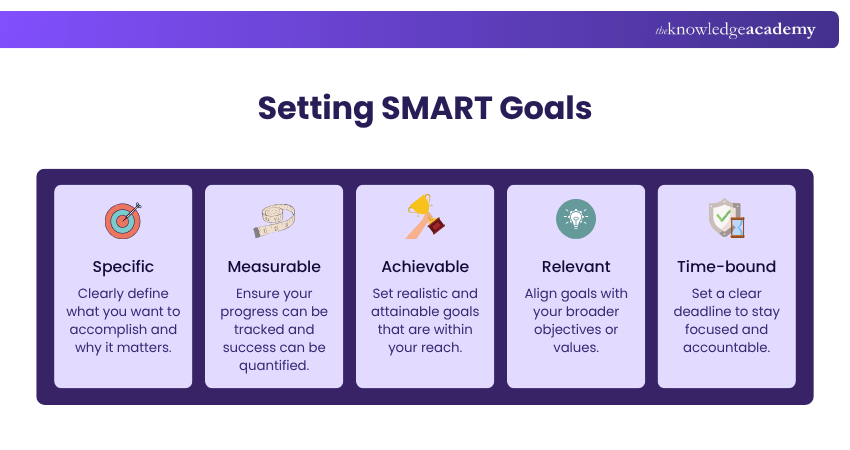
3) Set Specific, Measurable, Achievable, Relevant, Time-bound (SMART) goals aligned with your career path and organisational needs.
Example: You may set a goal to improve your evidence-based decision-making by taking a data literacy resources.
Tip: Link goals to real projects for hands-on learning.
3) Access High-quality Learning Resources
The CIPD offers a wealth of learning materials, online resources, case studies, workshops, and qualifications.
1) These have to be aligned with the Profession Map, where you can get high-quality learning materials.
2) You can also look outside the CIPD for resources like webinars, online learning, mentoring, and in-house training.
3) Choose resources that align with the knowledge or behaviours you’re developing and apply learnings directly to your role.
Example: If you're aiming to improve inclusive practice, explore more resources on diversity and equity in HR.
Tip: Keep a learning journal to document your progress and reflect on your application.
4) Review your Progress Regularly
Development is ongoing; schedule regular check-ins, monthly or quarterly.
1) This is to assess what you’ve achieved and where you need more focus. This will help you understand your drawbacks.
2) Use the map to reflect on new responsibilities you’ve taken on and whether they align with the next level.
3) Invite feedback from your manager or mentor and adjust your learning goals as needed.
Example: After leading a new project, review how your leadership and decision-making behaviours have evolved.
Tip: Update your CV with each milestone to track your career journey.
Why Do We Call CIPD the People Profession?
The CIPD is called the People Profession because it centres on the belief that organisations succeed through their people. People professionals support an organisation’s vision and goals by creating effective people interventions that help individuals and teams thrive.
Since every organisation is made up of people, HR and L&D professionals play a crucial role in empowering them to perform, develop, and contribute to collective success, making the profession truly about people, not just processes.
How Can You Improve Your Results After a CIPD Module Attempt?
To improve your results, you can carefully review the feedback provided by your tutor and identify specific areas for development. Strengthen your understanding of key concepts, seek guidance from mentors, and apply real workplace examples in your assignments.
Effective Time Management and consistent study habits also make a significant difference. You can even retake the assessment if your course provider has approved it.
Advance your HR or L&D career with our CIPD Qualification – Explore now!

Amelia Williams develops practical resources that help organisations strengthen their people practices and respond to workplace challenges. Her writing supports professionals in creating productive, inclusive environments in which employees can develop and perform effectively.
View Detail

 If you wish to make any changes to your course, please


