


 Top Rated Course

We may not have the course you’re looking for. If you enquire or give us a call on 01344203999 and speak to our training experts, we may still be able to help with your training requirements.
What is Cash Flow Management? Types, Strategies and Examples
Olivia Taylor 18 July 2026Cash Flow Management is the practice of monitoring and managing cash inflows and outflows to maintain liquidity, control costs, and support business growth. It helps businesses meet financial obligations and make informed decisions. Effective Cash Flow Management also strengthens long-term financial stability.

Training Outcomes Within Your Budget!
We ensure quality, budget-alignment, and timely delivery by our expert instructors.
Table of Contents

Cash keeps every business alive, just like oxygen keeps us breathing. You might have great products, loyal customers, or big goals, but without steady Cash Flow Management, everything can quickly fall apart. Whether you are a small business owner, a finance scholar or a manager aiming to grow, understanding Cash Flow helps you stay confident, prepared, and in control.
In this blog, we will explain what is Cash Flow Management, why it matters, how it works, and practical ways to manage and improve it. You will also see examples, useful tools, and a simple method to calculate Cash Flow.
Table of Contents
1) What is Cash Flow Management?
2) Types of Cash Flow
2) Types of Cash Flow
3) Why is Cash Flow Management Important?
4) How Does Cash Flow Management Work?
5) Cash Flow Management Strategies and Best Practices
6) Common Challenges in Cash Flow Management
7) Examples of Cash Flow Management
8) Conclusion
What is Cash Flow Management?
Cash Flow Management is the process of tracking, analysing, and optimising the movement of money into and out of a business. It helps organisations understand whether they have enough cash available to meet daily expenses, invest in growth, and handle unexpected costs. By keeping a close eye on inflows and outflows, businesses can make informed financial decisions and avoid liquidity issues.
It also involves forecasting future cash needs, planning for seasonal fluctuations, and ensuring payments are timed wisely. Effective Cash Flow Management supports long term stability and helps companies stay financially resilient.
Types of Cash Flow
A business receives and spends money in different areas. These cash movements are grouped into three main types:
1) Cash Flows from Operations (CFO)
This refers to the money a business earns and spends in its day-to-day activities, such as selling products and paying bills. A positive operating cash flow indicates that the company generates enough income to sustain its routine operations effectively.
2) Cash Flows from Investing (CFI)
This category includes cash used to buy or sell long-term assets, such as property, equipment, or investments. When a business purchases assets, cash flows out; when it sells them, cash flows in, providing funds to support future growth and projects.
3) Cash Flows from Financing (CFF)
This Cash Flow shows money coming in or going out to fund the business. It includes taking loans, issuing shares, repaying borrowing, and paying dividends. It helps show how a company raises money and manages its financial obligations.

Types of Cash Flow
A business receives and spends money in different areas. These cash movements are grouped into three main types:
1) Cash Flows from Operations (CFO)
This refers to the money a business earns and spends in its day-to-day activities, such as selling products and paying bills. A positive operating cash flow indicates that the company generates enough income to sustain its routine operations effectively.
2) Cash Flows from Investing (CFI)
This category includes cash used to buy or sell long-term assets, such as property, equipment, or investments. When a business purchases assets, cash flows out; when it sells them, cash flows in, providing funds to support future growth and projects.
3) Cash Flows from Financing (CFF)
This Cash Flow shows money coming in or going out to fund the business. It includes taking loans, issuing shares, repaying borrowing, and paying dividends. It helps show how a company raises money and manages its financial obligations.
Why is Cash Flow Management Important?
Cash Flow Management is essential for maintaining the financial health of a business. It ensures there is enough cash available to cover operating expenses, pay suppliers and employees on time, and meet other financial commitments without disruption.
Effective Cash Flow Management also helps businesses identify potential cash shortages, prepare for unexpected expenses, and make informed financial decisions. By maintaining a healthy cash flow, organisations can reduce financial risk, seize growth opportunities, and support long-term business success.
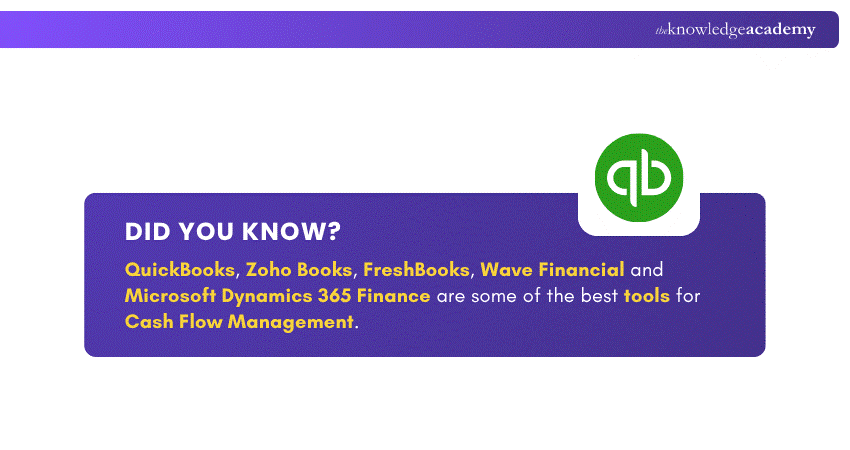
How Does Cash Flow Management Work?
Due to the broad nature of the topic, business Cash Flow Management differs depending on the stage of growth. However, the most effective practices include three key components:
1) Monitoring Cash Flow: This involves keeping accurate records of all cash entering and leaving the business. It includes tracking inflows, such as sales, loans, or investments, and outflows, such as rent, payroll, and supplier payments, to understand your financial activity clearly.
2) Analysing Cash Flow: This step focuses on evaluating the timing, volume, and effect of cash movements. By analysing Cash Flow, you gain insights into your business’s liquidity, solvency, and financial health. It helps you spot trends, forecast future needs, and support strategic planning.
3) Optimising Cash Flow: The goal is to strike the right balance between money coming in and going out. This includes accelerating receivables, managing expenses efficiently, investing surplus funds wisely, and arranging financing when needed. This should happen without disrupting operations or key business relationships.
Learn to track and value inventory for better Financial Management with our Inventory Accounting and Costing Course – Register today!
Cash Flow Management Strategies and Best Practices
Effective Cash Flow Management ensures a business's sustained financial health. Here are few Cash Flow Strategies to help you manage Cash Flow more effectively:
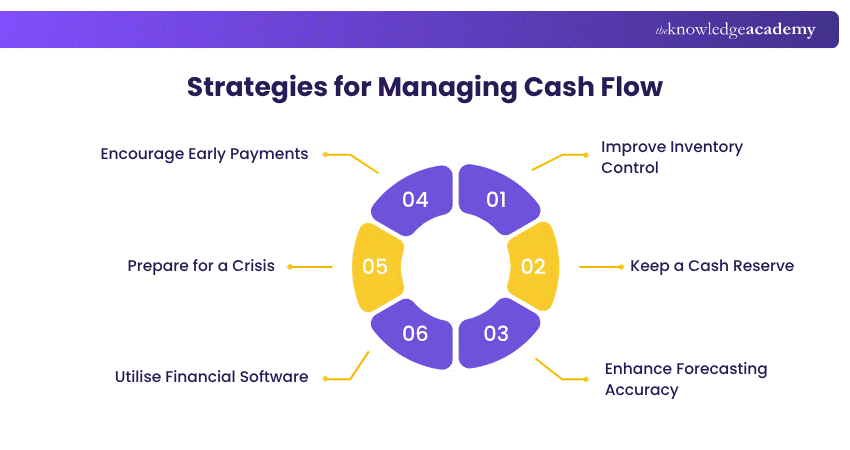
1) Improve Inventory Control
Effective inventory control helps businesses avoid tying up too much cash in unsold goods. By managing stock levels carefully and focusing on products that sell quickly, companies can keep cash moving through the business and reduce unnecessary holding costs. Proper inventory management also improves order fulfilment and shortens the time between sales and payments.
2) Keep a Cash Reserve
Maintaining a cash reserve provides a safety buffer during slow sales periods or unexpected expenses. Businesses with sufficient reserves can continue paying employees, suppliers, and operational costs without financial stress. Having reserve funds also helps organisations respond quickly to emergencies and maintain financial stability.
3) Enhance Forecasting Accuracy
Improving forecasting accuracy helps organisations predict future cash inflows and outflows more effectively. Reliable forecasts act as an early warning system by identifying potential cash shortages in advance. This allows managers to adjust spending, manage liquidity, and plan investments more confidently.
4) Encourage Early Payments
Encouraging customers to pay invoices earlier can significantly improve cash inflow. Businesses often use strategies such as offering small discounts for early payments or setting clear payment terms. Faster collections reduce delays in receiving revenue and help maintain healthy operational cash flow.
5) Prepare for a Crisis
Businesses should plan ahead for unexpected events such as economic downturns, supply disruptions, or sudden expenses. Regular cash flow analysis helps identify risks and allows organisations to create contingency plans. Preparing in advance ensures that essential operations can continue even during financial disruptions.
6) Utilise Financial Software
Financial software can simplify Cash Flow Management by providing real-time visibility into cash balances, transactions, and financial performance. Automated tools consolidate data from bank accounts and payment systems, helping finance teams track inflows and outflows accurately and make informed financial decisions.
Common Challenges in Cash Flow Management
Cash Flow Management is the most important step for maintaining the financial health of a business, but it comes with its own set of challenges. Below are some common challenges businesses face in managing business Cash Flow:
1) Slow Accounts Receivable Collection
Slow collection of accounts receivable can create serious cash flow problems. Accounts receivable represent money customers owe for credit sales, and delays in collecting these payments reduce available working capital. When invoices remain unpaid for long periods, businesses may struggle to cover expenses or invest in growth.
2) Poor Accounts Payable Management
Accounts payable refers to the short-term liabilities a business must pay to suppliers. Poor management of these payments can disrupt cash flow by causing missed deadlines, penalties, or strained supplier relationships. Properly managing when and how payments are made helps maintain liquidity and improves overall financial stability.
3) Inventory Management Inefficiency
Inefficient inventory management can tie up large amounts of cash in unsold goods. When businesses hold excess inventory or fail to track stock levels properly, cash remains locked in products instead of being available for operational needs. Effective inventory control helps shorten the time required to convert inventory into cash.
4) Cash Forecasting Difficulties
Cash forecasting involves estimating future cash inflows and outflows over a specific period. When businesses struggle to predict these flows accurately, they may face unexpected shortages or excess idle cash. Accurate forecasting helps organisations plan payments, manage liquidity, and prepare for upcoming financial obligations.
Understand the cash conversion cycle to convert its inventory into sales then into cash. Join our Cash Management Course now!
Examples of Cash Flow Management
Businesses use different strategies to maintain positive cash flow and improve financial stability. Some common examples of Cash Flow Management include:
1) Cash Flow Forecasting: Estimate future cash inflows and outflows to support financial planning.
2) Accounts Receivable Management: Encourage faster customer payments through effective invoicing and collection processes.
3) Accounts Payable Management: Schedule supplier payments strategically to optimise available cash.
4) Inventory Management: Maintain appropriate inventory levels to avoid tying up unnecessary cash.
5) Expense Management: Monitor and control business expenses to improve cash availability.
6) Working Capital Management: Balance current assets and liabilities to maintain healthy day-to-day operations.
Conclusion
Smart Cash Flow Management is not just about balancing numbers; it is about keeping your business strong, steady, and ready for growth. When you understand where your money goes, plan ahead, and use the right tools, you protect your business from surprises and unlock new opportunities. With the right Cash Flow strategy, your company stays confident, competitive, and prepared for long-term success.
Understand regulatory compliance and financial reporting standards with our Accounting Courses – Join now!
Frequently Asked Questions
What is the Primary Goal of Cash Flow Management?

The primary goal of Cash Flow Management is to ensure a business has enough cash to meet its financial obligations while maintaining healthy day-to-day operations. It also helps improve financial planning, manage expenses effectively, and support sustainable business growth.
How Long can a Company's Cash Flows Continue?
A company's Cash Flow can continue indefinitely if it consistently generates more inflows than outflows. Sustainability depends on steady revenue, effective Expense Management, and regular monitoring.

Olivia Taylor


Chartered Accountant and Financial Training Specialist
Olivia Taylor is a qualified chartered accountant with over a decade of experience in financial management, auditing and corporate reporting. Having worked with leading firms in both the public and private sectors, Olivia brings clarity to complex financial topics. Her writing focuses on helping professionals build confidence in key areas of accounting, compliance and financial planning.
View Detail

 If you wish to make any changes to your course, please


