


 Top Rated Course

We may not have the course you’re looking for. If you enquire or give us a call on 01344203999 and speak to our training experts, we may still be able to help with your training requirements.
Best Day Trading Platform: A Complete Guide for Beginners
The Knowledge Academy 16 July 2026A Day Trading Platform is a digital tool that enables traders to buy and sell financial assets quickly within a single day with real-time market data. It involves buying and selling financial instruments like stocks, currencies, or commodities within a single trading day. It helps traders make informed decisions.

Training Outcomes Within Your Budget!
We ensure quality, budget-alignment, and timely delivery by our expert instructors.
Table of Contents

Are you intrigued by the fast-paced world of Day Trading but unsure where to begin? You’re not alone. Every year, many beginners enter the markets hoping to master the art of quick trades and daily profits, only to find that success depends heavily on the platform they choose.
The right Day Trading Platform isn’t just a tool. It is your trading partner, offering real-time insights, advanced charting and instant execution that can make the difference between profit and loss. In this blog, you can discover how to choose the Best Day Trading Platform for your needs, so you can start trading confidently and strategically from day one. Let's dive in!
Table of Contents
1) What is Day Trading?
2) Best Day Trading Platform
3) How to Get Started in Day Trading?
4) Is my Money Safe With a Broker?
5) How Much Money do I Need to Open a Trading Account?
6) Conclusion
What is Day Trading?
Day Trading is the practice of buying and selling financial assets within the same day to profit from short-term price movements. Trades usually last from a few minutes to a few hours, and positions are closed before the market ends. The goal is to capture small, quick gains while avoiding the risks of holding investments overnight.
Day Traders predict short-term price fluctuations to potentially profit from these swings, using strategies like technical analysis and momentum trading. In addition to traditional methods, traders may also consider Margin Trading vs Short Selling as viable options to amplify their potential returns, each carrying its own risks and rewards.

Best Day Trading Platform
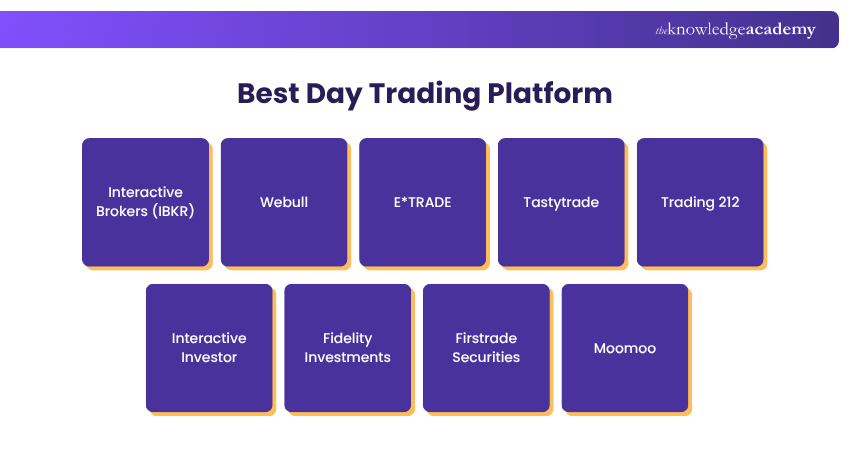
Here's a list of the most powerful Day Trading Platforms for you to choose from:
a) Interactive Brokers (IBKR)
Interactive Brokers (IBKR) meets the needs of a wide variety of traders and the strategies they trade. The extensive options for customising charts, layouts and user-defined buttons allow for a multitude of unique charting setups tailored to every trader.
Experienced Day Traders can refine their trade selection and execution skills by using the high-powered tools available in the IBKR Traders Workstation (TWS) platform. Additionally, they can choose the IBKR PRO pricing plan to lower costs associated with their specific strategies and enhance execution quality.
But all that power and flexibility doesn’t stop IBKR’s platform from remaining user-friendly and enables new users to learn quickly.
Here are the pros and cons of IBKR:
Pros:
1) Very low trading fees
2) Access to global markets and many asset types
3) Professional tools and fast trade execution
4) No minimum deposit required
Cons:
1) Complex for beginners
2) Customer support can be slow
3) Some features are limited to certain account types
b) Webull
Day Traders who prefer mobile apps will find Webull an excellent low-cost option for trading stock shares. With no account minimums or commissions, and the ability to trade fractional shares, this platform is ideal for novice Day Traders with small account sizes.
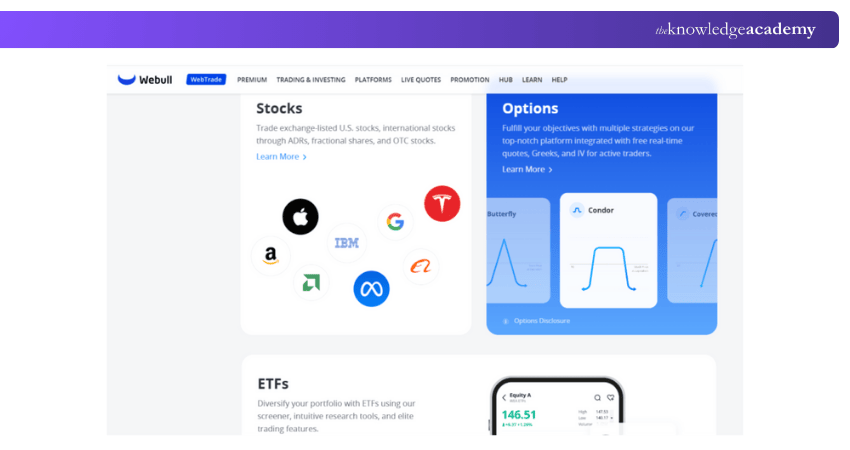
Webull operates in 10 major markets and 15 regions worldwide and its mobile-first approach caters primarily to its key target market: Millennials. This has strategically positioned Webull to attract younger active traders through a comprehensive range of services at no cost.
Pros:
1) No commission on stock or Exchange-Traded Fund (ETF) trades
2) Easy-to-use mobile app
3) Offers paper (demo) trading
4) No minimum deposit
Cons:
1) Limited research tools
2) No mutual funds or bonds
3) Educational content is basic
c) E*TRADE
The E*TRADE mobile apps are highly customisable, enabling users to tailor them to their individual trading strategies. The apps’ optimised content and intuitive interface sets E*TRADE apart.
Designed with new investors in mind, the apps prioritise essential features such as market research, watchlists, Portfolio Management, quotes and more. E*TRADE provides a wealth of proprietary and third-party research through the apps, empowering users with comprehensive insights.
Pros:
1) Free stock and ETF trading
2) Beginner-friendly platform
3) Good research and learning tools
4) Reliable customer service
Cons:
1) Low interest on unused cash
2) No direct crypto or forex trading
3) Fractional shares are limited
Trade profitably in the world’s largest financial market with our Forex Trading Course – Register today!
d) Tastytrade
Tastytrade is a technology-driven broker and uses a proprietary order routing system. The platform’s algorithms focus on price improvement and order to fill quality. For the Day Trader who frequently uses options in their strategies, Tastytrade is a good choice.
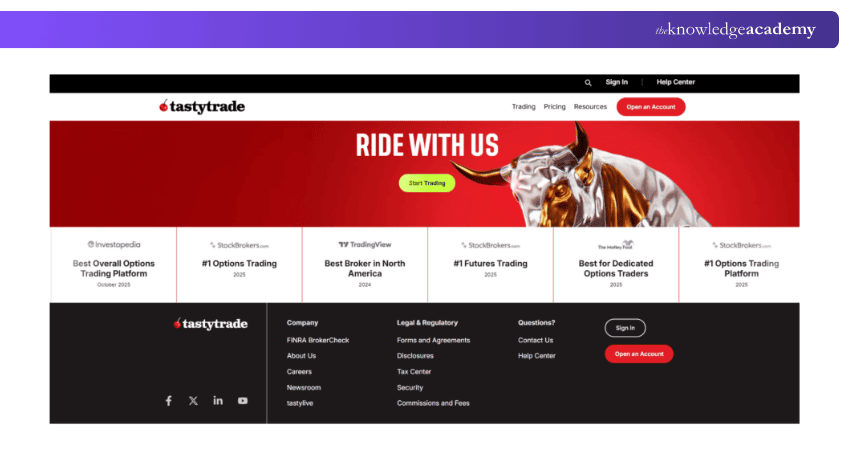
Despite its Do-it-Yourself (DIY) vibe, Tastytrade brings industrial-level tools and execution to a retail crowd. Here are its pros and cons:
Pros:
1) Excellent for options and futures trading
2) Low fees and no minimum balance
3) Active trader community and tutorials
4) Fast, clean trading interface
Cons:
1) Not ideal for stock-only traders
2) Hard for beginners to learn options
3) No mutual funds or Forex
e) Trading 212
Trading 212 offers commission-free trading, charges no trading or custody fees, and has more than two million clients. The easy-to-use app and website provide excellent technical information and advanced trading tools for day traders.
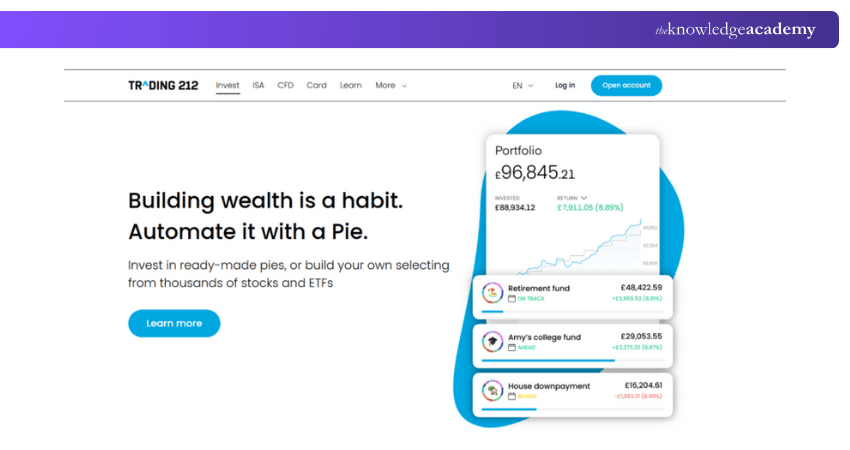
Additionally, it provides a decent research offering, including the “212 Hotlist” of the most popular shares, a community trading forum and video guides to investing. While Trading 212 doesn’t offer a telephone service, it responds quickly and comprehensively via its messaging facility.
Pros:
1) Commission-free trading
2) Simple and modern design
3) Regulated and safe
4) Offers educational materials
Cons:
1) Lacks advanced trading tools
2) Some products are not available in all countries
3) Can have higher spreads on some assets
f) Interactive Investor
One of the larger platforms, Interactive Investor (II) provides one of the broadest ranges of investments for day traders. It provides comprehensive company research and shares tips. Investors can trade through the app or via the website, although its app is not as slick as others.
Interactive Investor is overall a good choice for investors with higher-value portfolios due to the flat platform fee. Here are its pros and cons:
Pros:
1) Low dealing fee
2) Good for long-term investing
3) Easy Account Management
4) Availability of free trade options
Cons:
1) Not designed for Day Trading
2) Fees can add up for frequent traders
3) Fewer real-time tools
g) Fidelity Investments
From the desktop platform Active Trader Pro to their mobile app, Fidelity provides a range of trading platforms to meet diverse needs. These platforms offer advanced charting tools, real-time quotes and various order types, which are crucial for day traders.
Fidelity is renowned for its research and educational resources, offering articles, webinars, and courses to enhance traders’ skills. Additionally, Fidelity provides a practice account, enabling traders to test their strategies without risk.
Pros:
1) Strong research and support
2) Free stock and ETF trades
3) Great for both beginners and experienced investors
4) Reliable and well-established
Cons:
1) Advanced traders may find the tools limited
2) Higher margin rates than some rivals
3) The platform can slow down during high activity
h) Firstrade Securities
Firstrade Securities offers thousands of trading products including stocks, options, cryptos and mutual funds. Proprietary trading apps, commission-free investing and an instant execution model have made this online brokerage quite popular among Day Traders.
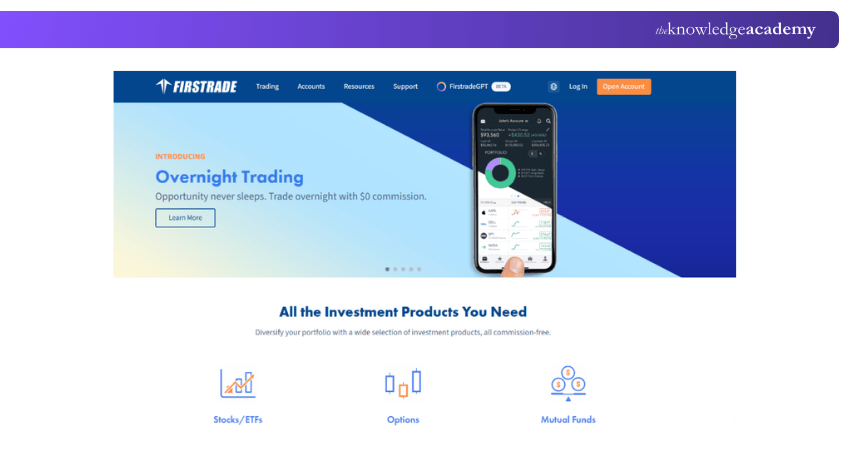
This platform combines educational tools with real-time data to help traders make informed decisions, while its transparent pricing and strong regulatory backing add an extra layer of trust and security.
Pros:
1) No minimum deposits
2) No commission on many trades
3) Simple and easy to use
4) Good for new traders
Cons:
1) Limited advanced tools
2) No access to global markets
3) Customer service could improve
i) Moomoo
Moomoo is an excellent choice for new and intermediate Day Traders looking to build a diverse investment portfolio. The user-friendly app, low trading fees, zero commissions, no account minimum and free level data are the standout features of Moomoo.
In addition, Moomoo provides advanced charting tools, real-time market insights, and a community where traders can share strategies and ideas. Its combination of simplicity and powerful analytics makes it suitable for both learning and active trading.
Pros:
1) Free trading and no minimum deposit
2) Real-time market data
3) Easy-to-use app
4) Regulated and secure
Cons:
1) Some features are not available in all countries
2) Not as advanced as pro platforms
3) Support may be slow during busy times
Make informed investment decisions for long-term success with our Investment Management Course – Join now!
How to Get Started in Day Trading?
Now, let’s check how to begin with Day Trading:
1) Understand What Day Trading is
Day Trading means buying and selling financial assets like stocks or Cryptocurrency within the same day to profit from short-term price moves. It demands strong market knowledge, quick decisions, and emotional control. Traders close all positions before market close to avoid overnight risks, relying heavily on technical analysis and real-time data.
2) Learn About the Market
Understand how markets work before trading. Factors like volatility, liquidity and trading hours affect results. Follow economic news and company updates. Use different tools to analyse trends. After that, you can choose a fast, reliable platform with screeners, alerts and advanced order types for efficiency.
3) Research Different Day Trading Strategies
Each Trader uses different styles based on risk and goals. It includes:
1) Scalping: Quick, small trades for minor price moves
2) Momentum Trading: You can take strong trends until they fade
3) Reversal Trading: Identify turning points in price trends
4) Intraday Swing Trading: Target larger moves within a single session
5) Crypto Trading: Trade volatile digital assets 24/7
You can test these different methods and stick with what fits your skill and comfort.
4) Learn How to Manage Margin
Margin allows you to trade using borrowed money, increasing both potential profits and risks. Understanding how leverage works and setting strict limits is crucial. You need to always use stop-loss orders and avoid risking more than you can afford to lose.
5) Start With a Demo Account
Practise with a demo account before risking real money. It helps you learn trading tools, test strategies and build confidence under real market conditions. Track your results and focus on consistency because these are the keys to long-term trading success.
Enhance the art of analysing markets with our Investment and Portfolio Management Course – Sign up soon!
Is my Money Safe With a Broker?
Your money is safe when you trade with a regulated and reputable broker. Trusted brokers are licensed by top authorities to ensure they follow strict financial standards. They keep client funds in separate, secure accounts, offer investor protection schemes, and use advanced encryption to safeguard your data and assets. Choosing a well-regulated platform gives you confidence that your money is protected while you focus on trading.
How Much Money do I Need to Open a Trading Account?
Many brokers let you open a trading account with no minimum balance, though some may charge a small setup fee. The amount you need to start day trading depends on the platform and the type of trading you plan to do. Many modern brokers let you open an account with as little as £1 or a monthly contribution of around £25, making it easy for beginners to get started.
Conclusion
Day Trading can be an exciting and rewarding path for those who approach it with patience, preparation, and discipline. With the Best Day Trading Platform, solid market knowledge, and a clear trading strategy, beginners can steadily build confidence and skill over time. Remember, success in Day Trading isn’t about chasing quick profits. It is about making informed decisions, managing risk wisely and learning from every trade.
Gain strategies to trade smarter and build lasting wealth with our Investment and Trading Training – Explore now!
Frequently Asked Questions
Is Day Trading Illegal?

No, Day Trading is not illegal. It is a legitimate practice regulated by financial authorities. However, traders must follow broker rules, taxation laws and pattern Day Trading regulations where applicable.
What are the 3 5 7 Rules in Trading?
The 3-5-7 rule in trading is a guideline for managing trades and emotions. It suggests evaluating trades after three losses, reassessing your strategy after five losses and taking a break or reviewing your approach after seven consecutive losses to avoid emotional decisions.

The Knowledge Academy


Global Training Provider
The Knowledge Academy is a world-leading provider of professional training courses, offering globally recognised qualifications across a wide range of subjects. With expert trainers, up-to-date course material, and flexible learning options, we aim to empower professionals and organisations to achieve their goals through continuous learning.


 If you wish to make any changes to your course, please


