


We may not have the course you’re looking for. If you enquire or give us a call on 01344203999 and speak to our training experts, we may still be able to help with your training requirements.
Benefits of Green Supply Chain Management
ByThe Knowledge AcademyLast updated on: 04 November 2026
Discover the key benefits of green supply chain management and how sustainable practices help businesses reduce environmental impact, optimise costs and improve resource efficiency.

Quick Preview
1. Green supply chain management helps businesses reduce emissions, waste and other environmental impacts across supply chain operations.2. Energy-efficient processes, waste reduction and responsible resource use can support long-term operational cost savings.3. Sustainable supply chain practices can help organisations meet environmental requirements and manage supply chain risks.4. Green initiatives encourage innovation, improve supplier collaboration and create new business opportunities.5. Resource conservation, recycling and life cycle-based practices help businesses improve long-term environmental performance.
A product might have a price tag of £50. But what about the environmental cost that never appears on it?
1) The energy used to manufacture it.
2) The fuel consumed during transportation.
3) The packaging discarded after delivery.
These hidden impacts exist throughout the supply chain, often long before a product reaches the customer. This raises an important question: How can businesses reduce these impacts without compromising operational efficiency?
Green supply chain management encourages businesses to look beyond the price tag and rethink how products move from raw materials to final delivery. In this blog, we'll explore the key benefits of this approach and why it matters for businesses aiming to operate more sustainably.
Benefits of Green Supply Chain Management
Green Supply Chain Management (GSCM) refers to the integration of environmentally responsible practices into supply chain activities, from sourcing raw materials and manufacturing products to transportation, distribution and disposal.
Adopting this approach can help businesses improve environmental performance while gaining operational and financial advantages. Let's explore the key benefits of green supply chain management in detail:
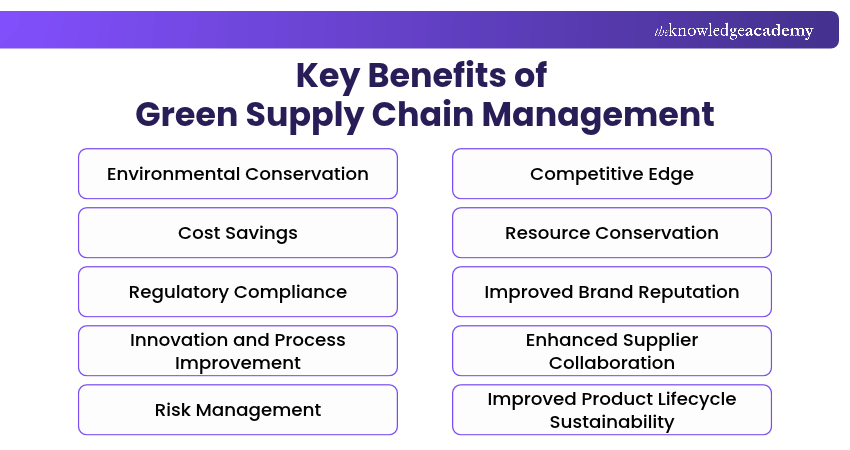
1) Environmental Conservation
One of the key benefits of Green Supply Chain Management (GSCM) is its ability to help organisations reduce greenhouse gas emissions and minimise environmental harm throughout the supply chain. By adopting sustainable practices across raw material sourcing, production and distribution, businesses can lower energy consumption, reduce waste and limit their environmental footprint.
Measures such as optimising transportation routes, using eco-friendly packaging and improving energy efficiency in manufacturing can further reduce emissions, resource consumption and pollution. These efforts help organisations work towards their climate targets while supporting long-term environmental sustainability.

2) Cost Savings
Green supply chain management can help organisations reduce operational costs by improving energy efficiency, minimising waste, and optimising resource consumption. Although sustainable technologies and processes may require initial investment, they can contribute to long-term savings through more efficient operations.
Pro Tip
When evaluating suppliers, consider the total cost of ownership rather than the initial purchase price alone. Factors such as maintenance, transportation, energy use and disposal costs can reveal the long-term value of sustainable purchasing decisions.
3) Regulatory Compliance
Green supply chain management can support organisations in meeting applicable environmental regulations and industry requirements by encouraging responsible practices across their supply chains. These may include rules concerning waste disposal, pollution control, hazardous substances and product packaging.
By regularly monitoring supplier practices, maintaining accurate environmental records and implementing appropriate control measures, businesses can minimise compliance risks, avoid potential penalties and improve environmental performance.
4) Innovation and Process Improvement
Green supply chain management encourages businesses to develop innovative solutions that reduce environmental impact and improve operational efficiency. This may involve adopting cleaner technologies, developing eco-friendly packaging or redesigning products to use fewer resources.
By exploring sustainable materials, energy-efficient processes and waste reduction techniques, organisations can identify new ways to improve production methods, minimise material losses and develop products with lower environmental impacts.
5) Risk Management
Green supply chain management helps organisations identify and manage environmental risks, including climate-related disruptions, resource scarcity and changing environmental regulations. By assessing these risks and adopting sustainable sourcing practices, businesses can reduce their exposure to supply chain disruptions and improve operational resilience.
Furthermore, GSCM promotes the assessment of suppliers’ environmental practices and the use of alternative materials and sourcing methods. This helps businesses reduce reliance on limited resources, improve supply chain resilience and maintain operational continuity in the long term.
6) Competitive Edge
Green supply chain management can give businesses a competitive advantage by helping them respond to customer sustainability expectations and demonstrate responsible business practices. Organisations that meet relevant environmental requirements may improve their eligibility for procurement opportunities and differentiate their offerings in markets where sustainability influences purchasing decisions.
Green supply chain practices can also improve a business's ability to participate in supply chains where environmental performance is considered during supplier selection. Meeting relevant sustainability criteria may help organisations qualify for contracts, strengthen their position in competitive tenders and build long-term commercial partnerships.
Trainer's Insight
Sustainability becomes more effective when environmental criteria are included alongside quality, cost and delivery requirements. This encourages procurement teams to make balanced decisions rather than treating environmental responsibility as a separate consideration.
7) Resource Conservation
Green supply chain management helps organisations conserve natural resources by promoting the efficient use of raw materials, water and energy throughout supply chain operations. Businesses can achieve this by reducing material waste, optimising production processes and choosing sustainable or recycled materials where appropriate.
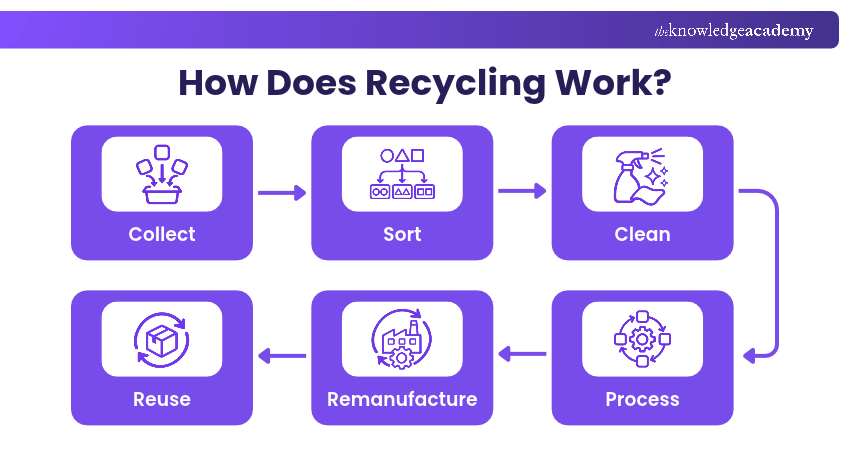
By adopting resource-efficient practices and encouraging reuse and recycling, organisations can reduce their dependence on raw materials and minimise unnecessary consumption. These efforts can help reduce pressure on natural resources and support more sustainable material use over time.
8) Improved Brand Reputation
Green supply chain management can strengthen an organisation's reputation when its environmental commitments are supported by measurable improvements and credible evidence. Sustainable sourcing, verified emissions reductions and transparent environmental reporting can help build trust among customers, investors and other stakeholders.
9) Enhanced Supplier Collaboration
Green supply chain management encourages businesses to work closely with suppliers to achieve shared environmental objectives. This may involve establishing sustainability requirements, sharing environmental performance data and developing collaborative waste reduction initiatives.
Such collaboration can strengthen supplier relationships and support improvements across the supply chain. Regular communication and supplier performance reviews can also help businesses identify areas for improvement and encourage greater accountability for environmental practices.
10) Improved Product Lifecycle Sustainability
Green supply chain management encourages businesses to consider environmental impacts throughout a product's lifecycle, from initial design and material selection to use and disposal. This can support the development of durable, repairable and recyclable products.
By adopting lifecycle-based approaches, organisations can identify opportunities to reduce waste, extend product lifespans and improve environmental performance beyond manufacturing.
Gain practical expertise in managing complex supply chain processes through SAP Supply Chain Management Training – Join now!

The Knowledge Academy develops accessible learning content across Project Management, IT, Cybersecurity, Data Science, Business Analysis, HR, Accounting and Finance, Leadership and Health and Safety. Its resources combine subject research with clear explanations to help professionals build practical knowledge across a wide range of disciplines.
View Detail

 If you wish to make any changes to your course, please


