


We may not have the course you’re looking for. If you enquire or give us a call on 01344203999 and speak to our training experts, we may still be able to help with your training requirements.
SAP Consultant Salary: An Overview
ByThe Knowledge AcademyLast updated on: 17 September 2026
This blog explores SAP Consultant salaries across the UK, US, and India, along with the experience, specialisation, and industry factors that shape earning potential.

Imagine three professionals holding the exact same title: SAP Consultant. One works in London, another in Chicago, and the third in Hyderabad. On paper, their job descriptions look nearly identical, configuring systems, solving business problems, keeping SAP environments running smoothly.
But their paychecks tell a very different story, because no two markets value SAP expertise quite the same way.
Cost of living, local demand, and how mature the SAP job market is in each region all play a part. Experience, specialisation, and certifications matter too, shaping how much a consultant with the same title ends up earning.
Who is an SAP Consultant?
An SAP Consultant is a professional who helps organisations implement, configure, manage, and optimise SAP solutions according to their business requirements. They may specialise in functional areas such as finance or supply chain, technical development, system administration, integration, or implementation support.
Beyond technical expertise, SAP Consultants often act as a bridge between business teams and IT systems. They translate operational goals into practical SAP solutions, ensuring the technology supports how the organisation actually works.

What Does an SAP Consultant Do?
SAP Consultants play a necessary role in helping businesses leverage SAP software to its full potential. Here are some of their key responsibilities:
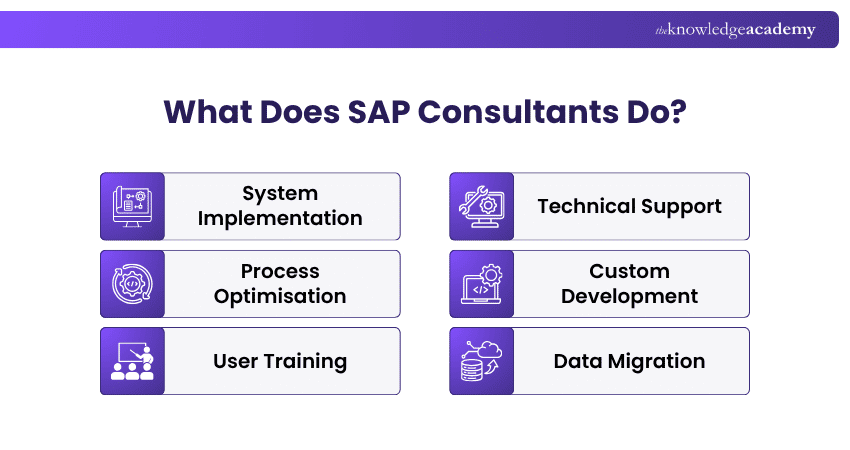
a) System Implementation: Design, configure, and implement SAP solutions based on an organisation’s operational requirements. This includes understanding business needs, setting up relevant modules, and supporting deployment activities.
b) Process Optimisation: Analyse existing business processes and identify opportunities to improve efficiency using SAP. Consultants help streamline workflows, reduce manual effort, and align processes with system capabilities.
c) User Training: Train employees and end users on SAP features, processes, and best practices. This helps users understand the system, perform tasks correctly, and adapt more effectively to new SAP workflows.
d) Technical Support: Provide ongoing support by identifying and resolving SAP system issues, configuration problems, and performance concerns. Consultants also help maintain system reliability and minimise operational disruptions.
e) Custom Development: Develop or enhance SAP applications, reports, interfaces, and other custom solutions to meet specific business needs. Technical consultants may use tools and technologies such as ABAP, APIs, or SAP BTP.
f) Data Migration: Plan and manage the transfer of data from legacy systems into SAP environments. This involves data mapping, cleansing, validation, testing, and ensuring information is migrated accurately and securely.
Master the skills to streamline your supply chain operations with our SAP Supply Chain Management Course - Join now!
SAP Consultant Salaries by Location
The salary of an SAP Consultant can vary widely depending on the geographic location. Factors such as the cost of living, demand for SAP skills, and local economic conditions play a significant role in determining salaries.
Below is a detailed comparison of average salaries for SAP Consultants across different regions:
1) SAP Consultant Salary in the United Kingdom
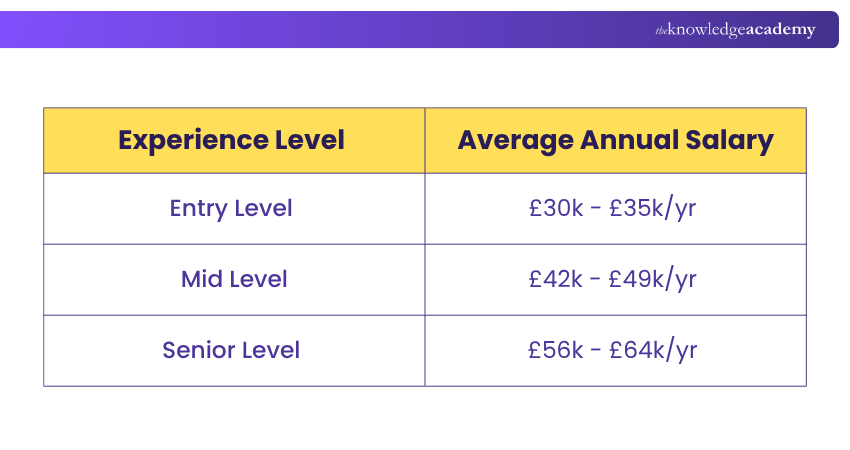
SAP Consultants are in demand across major UK business hubs such as London, Manchester, Birmingham, and Edinburgh. Salaries are generally higher in cities with strong finance, technology, consulting, and enterprise transformation activities.
2) SAP Consultant Salary in the United States
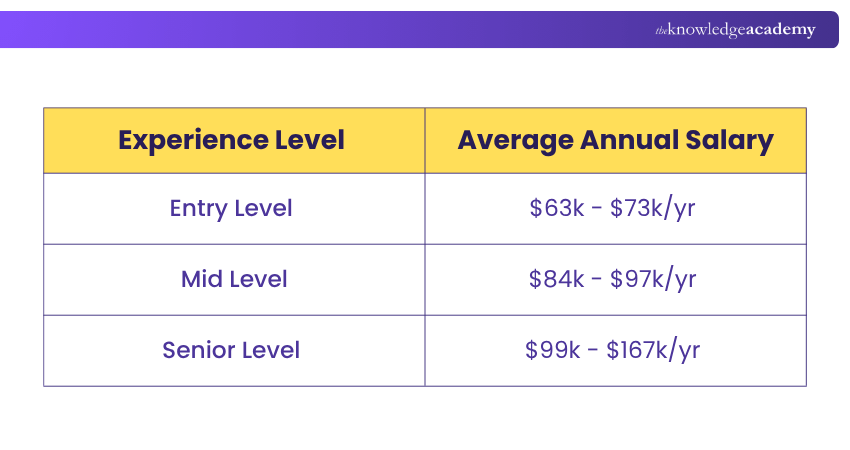
In the US, SAP Consultants see strong demand in cities such as New York, Chicago, Dallas, San Francisco, and Atlanta. Large enterprises and consulting firms continue to hire SAP professionals for Enterprise Resource Planning (ERP) implementation, cloud migration, and digital transformation projects.
3) SAP Consultant Salary in India
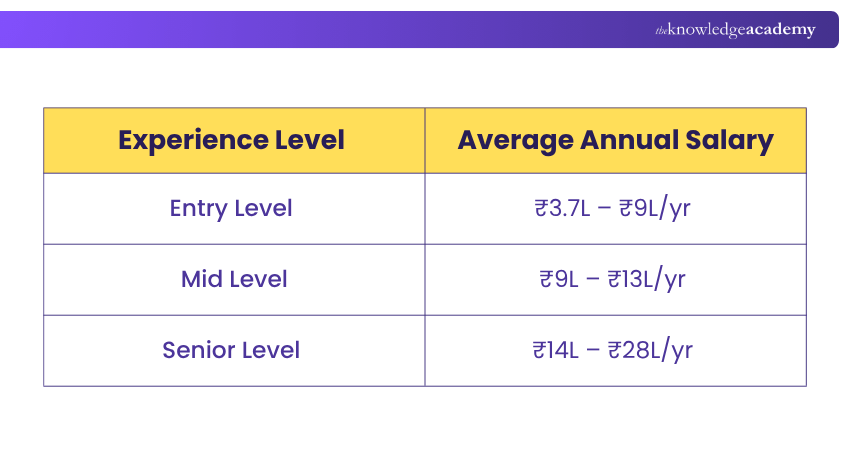
SAP Consultant salaries in India are influenced by strong demand for SAP expertise, experience, and specialisation. Major cities such as Bengaluru, Hyderabad, Pune, Mumbai, and Chennai often offer competitive salaries due to their large IT and enterprise sectors.
What Factors Affect SAP Consultant Salary?
SAP Consultant salaries are influenced by several factors beyond the job title itself. Understanding these elements can help professionals identify where they can strengthen their profile and improve their earning potential.
1) Experience Level: Consultants with more years of SAP implementation, support, migration, or transformation experience can command higher salaries. Senior professionals are also more likely to handle complex projects and leadership responsibilities.
2) SAP Specialisation: Salary can vary depending on the SAP module or technology a consultant specialises in. Skills in areas such as SAP S/4HANA, SAP FICO, SAP SuccessFactors, SAP BTP, SAP Ariba, and integration can influence earning potential.
3) Location: Geographic location plays a major role in salary differences. Consultants working in major technology and business hubs can earn more due to higher demand, larger SAP projects, and differences in local labour markets.
4) Industry: SAP Consultants working in industries such as finance, manufacturing, healthcare, retail, energy, and technology can experience different salary levels depending on sector demand and project complexity.
5) Certifications: Relevant SAP certifications can strengthen professional credibility and demonstrate knowledge of specific SAP solutions. When combined with practical experience, certifications can support better job opportunities and salary progression.
6) Project Experience: Hands-on experience with implementations, upgrades, migrations, integrations, and SAP S/4HANA transformation projects can increase a consultant’s market value.
7) Technical and Business Skills: Consultants who combine SAP technical knowledge with business process understanding, communication, problem-solving, and stakeholder management skills can be better positioned for higher-responsibility roles.
Learn advanced modelling features with our SAP HANA Implementation & Modeling Course – Join now!
What are Popular Skills for SAP Consultants?
SAP Consultants need a diverse set of skills to effectively implement and manage SAP systems. These skills not only enhance their ability to deliver successful projects but also increase their marketability and career growth.
Below are some of the most popular skills for SAP Consultants:
1) SAP S/4HANA Knowledge: Understanding SAP S/4HANA architecture, data models, and embedded analytics used in modern ERP environments.
2) SAP Business Technology Platform (BTP): Ability to work with SAP BTP for application extensions, development, integration, and cloud-based solutions.
3) Cloud Integration: Skills in connecting SAP with cloud, hybrid, and third-party applications using integration tools such as SAP Integration Suite.
4) Business Process Understanding: Ability to understand end-to-end processes such as procure-to-pay or order-to-cash and map them effectively within SAP.
5) Cross-module Awareness: Understanding how different SAP modules interact and how data moves between connected business functions.
6) Stakeholder Communication: Ability to explain technical concepts clearly to business users, clients, and non-technical teams.
Trainer’s Tip
Do not choose an SAP specialisation based on salary alone. Start with the area that best matches your existing knowledge or interests, such as finance, HR, supply chain, development, or IT infrastructure, and then build deeper SAP expertise around it.
Elevate your SAP finance knowledge with our SAP Finance And Controlling FICO Training - Register now!

The Knowledge Academy develops accessible learning content across Project Management, IT, Cybersecurity, Data Science, Business Analysis, HR, Accounting and Finance, Leadership and Health and Safety. Its resources combine subject research with clear explanations to help professionals build practical knowledge across a wide range of disciplines.
View Detail

 If you wish to make any changes to your course, please


