


 Top Rated Course

We may not have the course you’re looking for. If you enquire or give us a call on +1 7204454674 and speak to our training experts, we may still be able to help with your training requirements.
How to Become an Interior Designer in 2025: A Step-by-Step Guide
Richard Harris 03 March 2026To Become an Interior Designer, you need the right education, skills, and portfolio. Explore steps to build experience, creativity, and a strong career. Interior Design is a creative career that transforms spaces into functional and wonderful environments. This field offers opportunities across homes, offices, retail spaces, and more.

Training Outcomes Within Your Budget!
We ensure quality, budget-alignment, and timely delivery by our expert instructors.
Table of Contents
Have you ever walked into a room and felt a sense of calm or amazement? That magic does not occur by chance; it is the creative touch of an Interior Designer. This appeal for a spark of imagination is the first sign you are curious about How to Become an Interior Designer. It combines style with practicality to transform ordinary spaces into beautiful environments, influencing how we live, work, and feel in the spaces around us.
The field offers numerous opportunities, from home, office, to retail spaces, enabling creativity to become a core trait. If you are ready to turn your passion for design into a successful future, this blog is for you. Here, you will learn How to Become an Interior Designer, from developing the right skills, choosing the right education, to portfolio building. So, keep reading to learn insight!
Table of Contents
1) Who is an Interior Designer?
2) How to Become an Interior Designer?
3) What People Don’t Tell You About Starting This Journey?
4) Scope of Interior Designing
5) Is it Hard to be Successful in Interior Design?
6) How Long Does it Take to Become an Interior Designer?
7) Conclusion
Who is an Interior Designer?
An Interior Designer is a trained professional who plans, designs, and transforms interior spaces into a functional and visually appealing environment. Their work begins by understanding how a space will be utilised and what the client needs. From there on, they create design concepts, floor plans, and 2D or 3D visuals to communicate their idea. Also, they select furniture, materials, lighting, and colours to bring spaces to life.
The goal of an Interior Designer is to improve the comfort, accessibility, and functionality of the spaces that are experienced daily by people. Apart from design, they also focus on sustainability, safety standards, and proper building regulations to ensure the design is safe and compliant. This helps in transforming spaces that feel right and function as per the needs of the client.

How to Become an Interior Designer?
Having an artistic side is indeed a boon. However, in order to hone your expertise, you need to follow a structured flow. In this section, you are going to learn the step-by-step process of How to Become an Interior Designer.
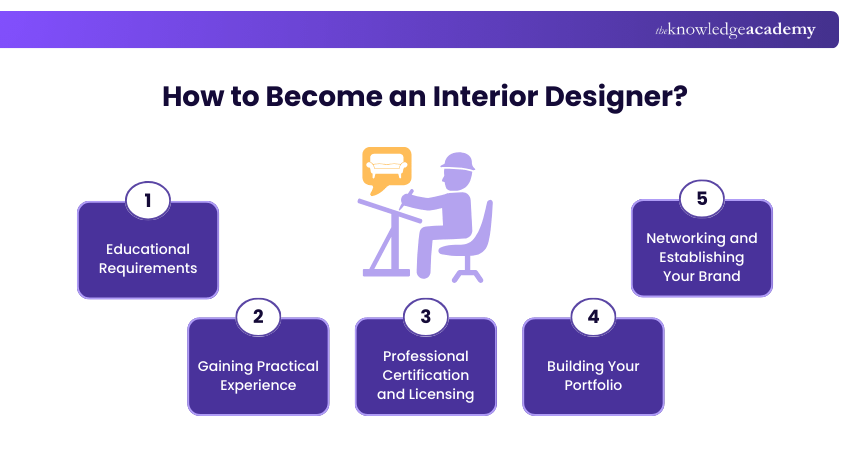
Educational Requirements
Interior Designing cannot fully depend on talent or mere education; it demands a combination of both talent and formal education. There are specific educational standards that are typically required. This helps in setting Designers up for success. Listed below are some of the points that you need to remember:
1) Foundation Courses: The basics of design introduce all basic principles of design. This includes elements like balance, harmony, contrast, and rhythm. After that comes the colour theory, which explores the psychology, symbolism, and application of colours in closed spaces.
2) Bachelor's Degree: Most professionals begin their journey with a bachelor's degree in Interior Design or Interior Architecture. This works as the foundation of the profession. The degree typically spans for four years. The curriculum covers subjects ranging from spatial design, Computer-aided Design (CAD) to the history of Architecture and design.
3) Technical Skills: The degree helps in acquiring technical skills such as drawing techniques, Computer Visualisations, model making, concept development, etc. Computer-Aided Design (CAD) is essential for drafting and creating digital blueprints and models. Software like SketchUp or Revit allows Designers to create 3D visualisations.
4) Specialised Courses: Courses like lighting design, sustainable design and ergonomics enhances different skills. It includes aesthetic and effective usage of lights, eco-friendly and sustainable design practices. It also tries to keep in mind whether the designs cater to human comfort.
5) Advanced Degrees: A master's program or a PhD offers specialised knowledge. It also allows students to choose and focus on a particular design niche. This helps in creating in their own signature style later on in their career. Additionally, a PhD certification helps individuals looking to contribute to academic research or teach at the university level.
6) Online Courses: With the rise of digital platforms, many reputable institutions offer online Interior Design Course. This helps many students to learn at their own pace. Courses might range from fundamental concepts to specialised areas like 'biophilic design' or 'minimalist interiors'.
7) Diverse Learning: A sound understanding of architectural evolution can offer valuable context. As many Designers eventually venture into freelance work or establish their firms, a grasp of business basics becomes crucial.
Sharpen your design edge with the power of AutoCAD LT Training now!
Gaining Practical Experience
The hands-on exposure as an Interior Designer helps you bridge the gap between classroom knowledge and real-world application. Here are some points to help you get a better understanding of How to Become an Interior Designer through practical experience:
1) Internships: Interning with established Designers or firms provides valuable insights, guidance, and networking opportunities that may lead to job offers or client referrals.
2) Junior Designer Roles: Starting as a junior Designer after graduation allows you to assist senior designers, handle project segments, and take on responsibilities with supervision for support.
3) Freelancing: Freelancing offers creative freedom, direct client interaction, and diverse projects, while also sharpening entrepreneurial skills through managing multiple roles and building a personal brand.
4) Collaboration: Collaborating with peers and allied professionals broadens exposure, introduces fresh perspectives, and deepens understanding of the wider design ecosystem.
5) Pro Bono and Community Work: Offering services for free in the early stages helps demonstrate skills, gain testimonials, and contribute positively through community or nonprofit projects.
Streamline design reviews, clash detection and project collaboration like a pro with our Navisworks Essentials Training - Sign up now!
Professional Certification and Licensing
For Interior Designers, further professional recognition in the form of certifications or licenses can prove invaluable. Not only does this showcase a Designer's commitment to the industry, but it also lends credibility to their practice. Here are some points to help you get a better understanding:
1) Why Professional Certification and Licensing Matter: Professional certification and licensing matter because these can confirm that a Designer has met specific industry standards and possesses the necessary expertise. Clients often feel more confident hiring someone with recognised qualifications. In some regions or for certain projects, being licensed might be a legal necessity.
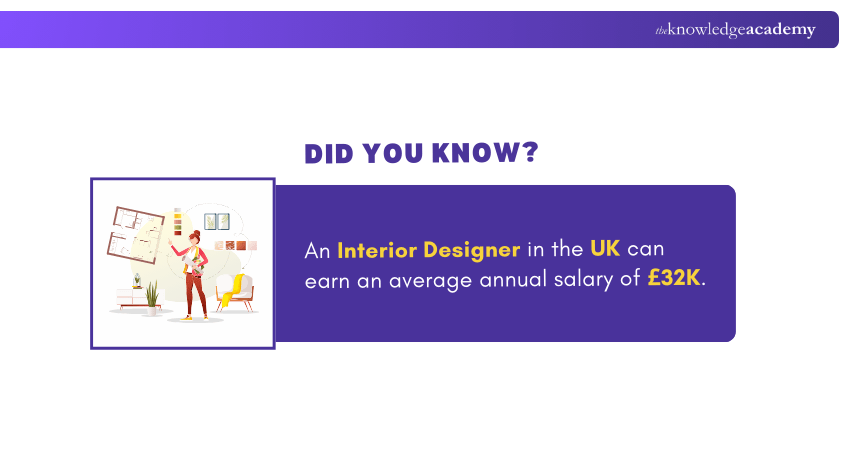
2) Types of Certifications: In the UK, interior designers can enhance their credibility and career prospects through various recognised certifications and licensing pathways. While professional memberships highlight the high standards of practice, industry-recognised exams can validate your technical knowledge and skills. Vocational diplomas offer practical training and foundational expertise, whereas specialist and short courses provide opportunities to refine specific abilities and support ongoing professional development.
3) Process of Getting Certified: Most certifications require a combination of formal education and work experience. After meeting the eligibility criteria, candidates must pass an exam that tests both theoretical knowledge and practical skills. When you become a working professional, you might need to renew the certifications periodically.
4) Licensing: The process and requirements for obtaining a license vary based on the state or region. Some areas might mandate Designers to be licensed before practising, especially for specific project types. Much like certification, obtaining a license generally requires passing a standardised exam.
5) Continued Education: Certification bodies often require members to undergo periodic continued education. These can be platforms for Designers to refresh their skills, learn about emerging trends, and fulfil any continued education requirements.
6) Professional Associations: Many professional design associations offer certification programs, provide resources for continued learning, and offer platforms for networking. Being part of professional bodies can also mean being part of a larger voice. It advocates for the rights, recognition, and advancement of Interior Designers.
7) Ethical Considerations: Licensed and certified professionals often have to adhere to a code of ethics. This helps in ensuring that they maintain the highest standards of practice. With a license or certification comes increased responsibility. Clients and employers have a clear benchmark to hold Designers accountable to.
8) Global Recognitions: If you are looking to work across borders as an Interior Designers, international certifications or recognitions can be beneficial. Some credentials are recognised globally, or there might be pathways to convert one's certification to match international standards.
9) Financial Implications: While there is an investment involved in obtaining and maintaining certifications or licenses, the potential Return on Investment (ROI) in career advancement and increased earnings can make it worthwhile.
Building Your Portfolio
In a visually driven industry, the portfolio acts as a resume. This portfolio highlights your capabilities and vision as an Interior Designer. Whether you're just starting out or revisiting your professional journey, here's a comprehensive look at building a compelling portfolio.
1) Why Does a Portfolio Matter: Before even meeting you, clients or employers will judge your proficiency based on your portfolio. It offers a visual narrative of your skills. A well-maintained portfolio chronicles your evolution as a Designer, showcasing the breadth and depth of your experience
2) Choosing the Right Projects: Incorporate projects that showcase a variety of styles, spaces, and challenges. From residential to commercial spaces or contemporary to vintage styles, demonstrate versatility. If you've undertaken projects that required unique solutions or highlighted niche skills, ensure they are featured.
3) Quality Over Quantity: Instead of overloading your portfolio with numerous projects, select those that best represent your skills, creativity, and problem-solving ability. Ensure all images are of high quality, clear, and well-lit. Blurry or low-quality photos can detract from even the most impressive designs.
4) Narrative and Context: If possible, include 'before' shots alongside the 'after'. This difference underscores the transformation and the challenges overcome. Accompany visuals with brief descriptions. Outline client briefs, design objectives, challenges faced, and solutions adopted. This adds depth and context to each project.
5) Professional Presentation: The layout of your portfolio should be clean. A well-structured portfolio allows your work to shine. Avoid overly decorative or distracting elements, it at times, takes away the sophistication from the design. Maintain a consistent theme throughout, be it in the choice of fonts, colours, or presentation style.
6) Incorporate Feedback: Include positive feedback or testimonials from clients, adding a layer of trust and validation to your work. Periodically revisit and critically evaluate your portfolio, making room for improvement or updating it with new projects.
7) Digital Presence: Having an online portfolio is crucial. Platforms like Behance, or personal websites, offer global exposure. Platforms like Instagram or Pinterest can be powerful tools for Designers. They act as an extension of your portfolio, reaching a broader audience and showcasing your ongoing work.
8) Interactive Elements: Incorporate walkthrough videos or 3D visualisations if available. They offer a more immersive experience of the space. Showcasing sketches, mood boards, or conceptual models can give viewers insights into your creative process.
9) Personal Touch: A brief professional biography helps potential clients or employers understand your journey, inspirations, and design philosophy. If you've undertaken personal projects or pro bono work, include them. They often highlight passion and self-initiative.
10) Stay Updated: Design trends, styles, and technologies evolve. Regularly update your portfolio to include recent projects and ensure it remains relevant. Apart from projects, mention any advanced training, workshops, or certifications you've acquired.
Upgrade your 3D modelling and Architectural skills with our Revit Course – Register today!
Networking and Establishing Your Brand
The importance of relationships and brand identity in this industry cannot be overstated. Here's an in-depth exploration of networking and brand establishment for budding Interior Designers:
1) The Power of Networking: Networking isn't just about collecting contacts. It's about building genuine, mutually beneficial relationships. Such associations can lead to collaborations, referrals, and new opportunities. Interacting with fellow Designers can provide insights into new trends, business practices, and industry challenges.
2) Ways to Network: Attend design exhibitions, conferences, and workshops to meet industry experts and potential clients. Join Interior Designer associations to improve visibility and build professional connections. Also, use platforms, such as LinkedIn or design websites, to expand your network and find collaborators. This will bring clarity and guidance on How to Become an Interior Designer.
3) Branding: Your brand is a representation of your design philosophy, work ethic, and values. It's a combination of visual elements, like logos and colour palettes, and intangibles, like reputation and service quality. Whether it's your business card, website, or Social Media presence, ensure consistency in design and messaging. This strengthens brand recall.
4) Crafting a Unique Selling Proposition (USP): With numerous talented Designers in the industry, your USP could be your design style, sustainable practices, or innovative solutions. Ensure that potential clients and collaborators are aware of what sets you apart. Highlight this in your marketing materials and conversations.
5) Digital Presence: A professional website acts as a digital portfolio and a representation of your brand. It should reflect your style and showcase your best work. Platforms like Instagram, Pinterest, and Twitter can be used to share your projects, industry insights, and interact with a wider audience. Consistent posting and engagement can enhance brand visibility.
6) Seek Mentors: Seasoned Designers or industry leaders can offer invaluable advice on navigating the industry, avoiding pitfalls, and building your brand. A mentor can introduce you to their network, vouch for your skills, and even recommend you for projects.Their guidance can speed up your growth and help you make smart career decisions.
7) Engage in Collaborations: Collaborate with fellow Designers, Architects, Or Artists on projects. Such partnerships can expand your network and introduce you to their client base. Showcase these collaborations prominently in your portfolio and on social media to highlight teamwork and versatility.
8) Feedback and Reputation Management: Encourage satisfied clients to leave positive reviews or testimonials. Word of mouth remains a potent tool in the design world. Constructively address any negative feedback and strive to improve. This demonstrates professionalism and commitment to excellence.
9) Continual Learning: The design world is dynamic. Regularly update yourself on trends and technologies, enhancing your brand's reputation as innovative and current. Conduct workshops, webinars, or write articles. Sharing knowledge can position you as an industry expert and strengthen your brand.
10) Personal Touch: In all your networking and branding endeavours, remain genuine. Authenticity resonates and helps in building lasting relationships and a trustworthy brand.Share your design story, values, and passion transparently to let your unique personality shine through it.

What People Don’t Tell You About Starting This Journey?
Dreaming of a designer is exciting, where you often imagine colourful mood-boards for happy clients. But this field comes with its own set of challenges that you must be aware of to effectively know How to Become an Interior Designer. Let’s talk about it in detail.
1) Highly Competitive Industry: New designers struggle to land their first job or project. The field is highly competitive and requires persistence, networking, and starting with small projects before building a solid client base.
2) Client Expectations and Communication: Designers often struggle with unclear briefs, shifting client demands, scope creep, and unrealistic budgets. Due to unclear contracts, it is very much possible for projects to turn complex and messy.
3) Balance Creativity with Budget and Practicality: Interior Designers may have beautiful ideas, but clients often have a limited budget and structural limits. This can hinder the creative flow of the Designer and limit their scope of imagination. For this, they need to maintain a balance between creativity and feasibility.
4) Unstable Income and Unpredictable Workflow: Designers who are starting out go through minimal income without any certainty of projects. This makes earnings unstable and uncertain until you build a dedicated client base.
5) Long Hours of Workload: This field requires long hours of work. This includes attending meetings, visiting sites, coordinating with contractors, and making last-minute changes to meet client demands. It is a highly demanding field that goes beyond a typical 9-to-5 job.
Streamline design reviews, clash detection, and project collaboration like a pro with our Navisworks Essentials Training - Sign up now!
Scope of Interior Designing
The field of Interior Design has various doors to embark upon. It provides a broad scope to beginners as well as seasoned professionals, beyond the stereotype of “home decorating.” They have numerous industries to work in, such as:
1) Residential Design: Designing comfortable and stylish living spaces in homes, apartments, or villas.
2) Commercial Design: Creating functional and attractive interiors for office, hotels, restaurants, and retail spaces.
3) Institutional Design: Building interiors for schools, hospitals, clinics, and government facilities.
4) Hospitality Design: Crafting luxurious and welcoming environments in hotels, resorts, and leisure spaces.
5) Industrial Design: Designing safe and functional interiors for factories, warehouses, and production units.
6) Public Space Design: Creating public shared spaces such as parks, museums, libraries, and community centres.
7) Landscape Design: Designing outdoor areas, gardens, and landscapes to enhance the environment
Apart from the various industries mentioned, below is a list of some popular careers in Interior Design.
1) Interior Designer
2) Interior Design Assistant
3) Kitchen Designer
4) Technical Interior Designer
5) Interior Decorator
6) Interior Design Blogger
7) Project Manager
8) Senior Interior Designer
9) Interior Architect
Is it Hard to be Successful in Interior Design?
Becoming successful in interior design can be tough because it’s not just about creativity. Designers also require skills in budgeting, Project Management and client relations. With hard work, persistence and talent, success is definitely possible over time.
How Long Does It Take to Become an Interior Designer?
The time varies, but a degree in interior design usually takes three to four years. After that, gaining experience through internships or junior roles helps build skills and a strong portfolio, which may take a few more years. During this time, understanding Interior Designer Salary trends can help set realistic career expectations and guide your job choices.
Conclusion
Interior Design is shaping the way people live, work, and feel in the spaces they exist. As the world continues to value well-crafted spaces, skilled Designers are highly in demand across various sectors. If you love creativity, problem-solving, and transforming spaces, the right qualifications and skills will help you learn How to Become an Interior Designer.
From drafting to designing, AutoCAD is your first step towards design excellence. Sign up for our AutoCAD Courses now!
Frequently Asked Questions
Is Math Required for Interior Design?

Yes, Interior Design does involve Mathematics, mainly in areas like measurements, scaling, budgeting, and space planning. Though you don’t need advanced Mathematics, a good grasp of basic calculations and geometry is important to ensure accurate and balanced designs.
Is Interior Design Hard to Learn?
Interior Design can be challenging to learn because it blends creativity with technical skills. You’ll need to understand design principles, software and practical aspects such as materials and construction. With dedication, practice and, of course, a passion for design, it becomes an enjoyable field to learn.
What are the Other Resources Provided by The Knowledge Academy?
The Knowledge Academy takes global learning to new heights, offering over 3,000 online courses across 490+ locations in 190+ countries. This expansive reach ensures accessibility and convenience for learners worldwide.
Alongside our diverse Online Course Catalogue, encompassing 17 major categories, we go the extra mile by providing a plethora of free educational Online Resources like Blogs, eBooks, Interview Questions and Videos. Tailoring learning experiences further, professionals can unlock greater value through a wide range of special discounts, seasonal deals, and Exclusive Offers.
What is The Knowledge Pass, and How Does it Work?
The Knowledge Academy’s Knowledge Pass, a prepaid voucher, adds another layer of flexibility, allowing course bookings over a 12-month period. Join us on a journey where education knows no bounds.
What are the Related Courses and Blogs Provided by The Knowledge Academy?
The Knowledge Academy offers various AutoCAD Courses including Civil 3D Training, Revit Structure Course, and AutoDesk Maya Training. These courses cater to different skill levels, providing comprehensive insights into Parametric Modeling.
Our Office Applications Blogs cover a range of topics related to Interior Design, offering valuable resources, best practices, and industry insights. Whether you are a beginner or looking to advance your Interior Design skills, The Knowledge Academy's diverse courses and informative blogs have you covered.

Richard Harris


Senior Full Stack Developer and Technology Educator
Richard Harris is a highly experienced full-stack developer with deep expertise in both frontend and backend technologies. Over his 12-year career, he has built scalable web applications for startups, enterprises and government organisations. Richard’s writing combines technical depth with clear explanations, ideal for developers looking to grow in modern frameworks and tools.

Upcoming Business Skills Resources Batches & Dates
Date
 Interior Design Course
Interior Design Course
Fri 27th Mar 2026
Interior Design Course
Fri 29th May 2026
Interior Design Course
Fri 31st Jul 2026
Interior Design Course
Fri 2nd Oct 2026

 If you wish to make any changes to your course, please


