


 Top Rated Course

We may not have the course you’re looking for. If you enquire or give us a call on +32 35001305 and speak to our training experts, we may still be able to help with your training requirements.
12 Side Effects of Coffee You Probably Didn’t Know About
The Knowledge Academy 27 November 2025Side effects of coffee can include anxiety, insomnia, jitters, increased heart rate, and digestive issues, affecting overall health and energy levels. Small changes can reduce unwanted effects. Understanding your limits helps you enjoy coffee responsibly. This helps you avoid jitteriness and keep your daily routine balanced.

Training Outcomes Within Your Budget!
We ensure quality, budget-alignment, and timely delivery by our expert instructors.
Table of Contents

Coffee might be your everyday stimulant, but it can surprise you with its effects on your body. A lot of people drink it without knowing its impact on energy, mood, and sleep. Knowing the Side Effects of Coffee can enable you to be smart in deciding about your consumption. Below is the information you need to have before taking your next cup.
Table of Contents
1) What is Coffee?
2) 12 Side Effects of Coffee
3) What Precautions Should You Take?
4) How Much Caffeine is Too Much?
5) Healthy Alternatives to Coffee
6) Conclusion
What is Coffee?
Coffee is world's one of the three most consumed beverages. The reason? Well, it is a finely roasted bean found inside the cherry-shaped fruit. The cherry takes about a year to mature and ripen so its bean can be harvested.
Its plant needs a mild temperature with lots of rain and sunshine to grow. It is because it is usually grown in areas between the Tropic of Cancer and the Tropic of Capricorn.
Coffee is naturally bitter and acidic. It is because of the bean over-extraction; they are grounded too finely, or the brewing process is too long. However, due to its acidic flavor, it rules the heart of millions of people worldwide.
Cultivated in the 15th century for the first time, this beverage took over the world with its variety of flavors', benefits, and fabulous taste.

12 Side Effects of Coffee
Everybody loves having their favorite thing every day, be it a child's favorite toy, an adult's favorite book, food, or drink. Thus, leading to a growing obsession and its implied side effects. Such is Coffee's addiction. It has as many side effects as its benefits. So, let’s have a look at some of them.
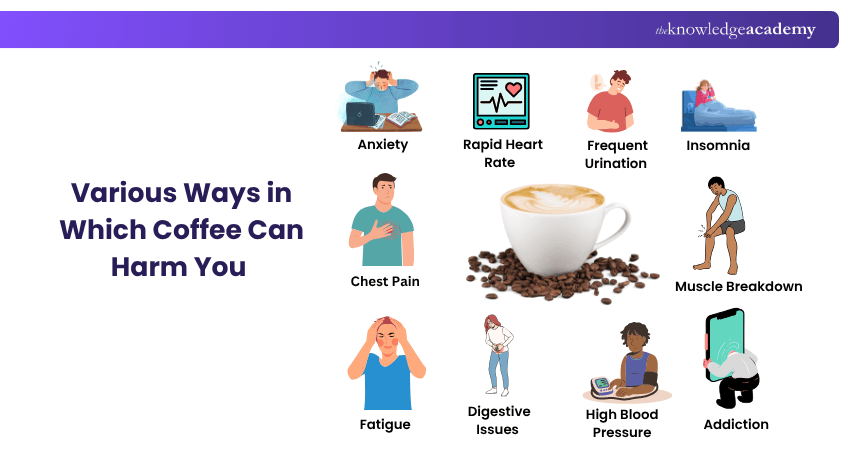
1) Anxiety
Experts advise a moderate caffeine intake as it kicks in feelings of happiness but having more than three cups of caffeine in a day can result in anxiety. It happens because caffeine blocks Adenosine (the chemical responsible for making you tired) and releases adrenaline hormone that increases energy; as a result, mood swings can happen frequently.
But, even if anxiety is at lower levels, it could signify that you must cut it short. Thus, consuming caffeine in excessive amounts may affect your mood.
2) Insomnia
Everyone must be aware of Coffee's ability to facilitate energy. It is one of the reasons for its popularity. On the other hand, it is essential to have a sound sleep. Thus, Insomnia is another effect of excessive caffeine intake.
Further, according to experts, if you take caffeine at night or in the evening, it is more likely to mess up your sleep cycle; rather than caffeine consumed in the morning or afternoon because of its long-lasting impact.
3) Digestive Issues
Arabic coffee, as well as other coffee varieties, has the capacity of being a laxative by prompting the release of gastrin and thus causing peristalsis, which is a process that moves digestive content through the tract rapidly but may also create discomfort. It can sometimes result in acid reflux or diarrhoea, and while small doses might not be a problem, large amounts can lead to severe complications.
4) Rapid Heart Rate
Caffeine can also impact your heart rate. A rapid heartbeat signifies a caffeine allergy, sensitivity, or other health issues. An altered heart rate also denotes that caffeine is affecting your body. So, cutting back or avoiding caffeine is recommended. Although, side effects may vary significantly from person to person.
5) High Blood Pressure
Increased blood pressure is a sign to cut your caffeine consumption. Caffeine is said to increase blood pressure due to its revitalising effect on the nervous system. It can further damage your arteries by restricting the blood flow to your heart and brain. Thus, the risk of heart attacks and strokes tends to increase. If the consumption is limited, this beverage will only benefit you. However, you may be at risk if consumed in heavy amounts or before intense physical activity.
Shape Tomorrow’s Opportunities Today by joining our Industry Training Courses now!
6) Frequent Urination
Caffeine can increase the flow of urine. It is a diuretic, i.e., it increases urine production and urges you to pee. This happens because the blood ushers to the kidneys affecting their ability to absorb salt and water. Thus, it increases urine in the bladder, and essential nutrients are also lost with the urine.
7) Fatigue
The beverage is known to provide a significant boost of energy; however, it can also result in rebound fatigue that caffeine leaves in your body. To prevent this rebound effect, you can continue to drink lots of Coffee. But this may impact your sleep as a result. So, it is better to consume caffeine in moderate amounts rather than large doses to enhance its energising impacts and prevent rebound fatigue.
8) Chest Pain
Since caffeine blocks blood flow to the heart, thus blood flow is hampered by increased caffeine intake. As a result, it may cause chest pain. Although chest pain generally occurs when caffeine is very high, try to cut back its intake if you are on medications.
9) Muscle Breakdown
Muscle damage is caused when muscles break down and enter the bloodstream, thus leading to kidney failure. This condition is called Rhabdomyolysis, which occurs due to large amounts of caffeine consumed in a short period. Therefore, it is advisable to drink about 0.25g of caffeine in a day if your caffeine intake is high.
10) Addiction
Addiction to any substance is harmful, be it sugar, drugs, tea or Coffee. Sure, Coffee has several health benefits and contains fine flavors, but its consumption can be habit-forming. Caffeine triggers the release of harmful chemicals in the brain and can have a similar impact as cocaine and amphetamines have.
High and frequent intake of caffeine can also cause psychological disorders. Although Coffee compounds do not cause true addiction, high dependency on the beverage can have increased health risks.
11) Seizures
Coffee has caffeine in its composition, and its nature is such that it can have an impact on people who have epilepsy. High doses of caffeine should be completely avoided, while even small ones need to be taken very carefully.
12) Thinning Bones
Caffeinated coffee increases calcium loss, so people with osteoporosis should limit it to 3 cups a day. Healthy individuals with adequate calcium can usually have up to 4 cups without added risk.
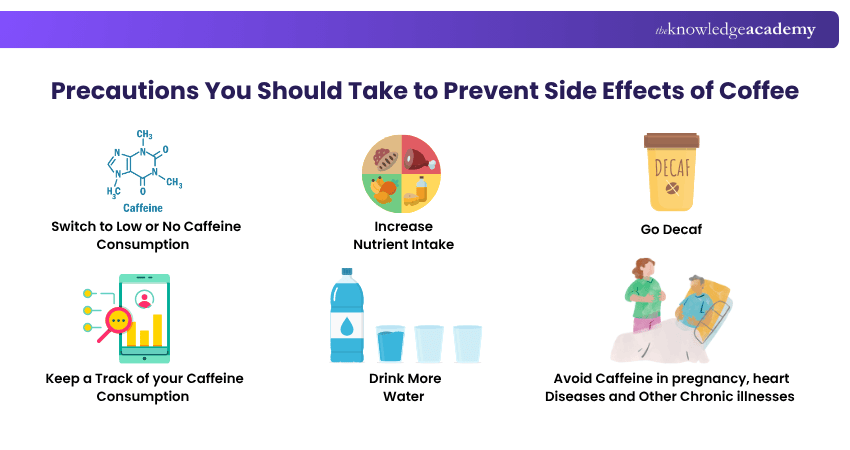
What Precautions Should You Take?
To eliminate the harmful effects of caffeine, one must know the precautions one should take. Although the side effects vary from person to person, depending upon their usual intake; however, it is better to be cautious than to fall into the trap.
Here are some precautions you can take if excessive caffeine is impacting your health:
1) Switch to Low or no Caffeine Consumption
If you are facing issues such as improper digestion, frequent mood swings, or even a little fatigue, it is better to reduce caffeine intake. You can replace foods and beverages with little or no caffeine content, such as Chicory Coffee, which offers a flavorful, caffeine-free alternative. Although it is difficult initially, you can reduce it in small amounts to avoid the side effects.
2) Increase Nutrient Intake
Food rich in Vitamin C, iron and fiber may reduce fatigue. Thus, taking caffeine in small amounts and increasing your nutrient intake is advisable. Food rich in nutrients include eggs, nuts, whole grains, leafy vegetables, tuna, cheese, salmon and seeds.
3) Keep Track of Your Caffeine Consumption
The best way you can reduce the harmful effects is to keep a check on your drink. Pay attention to the amount of caffeine you get from food and beverages. This way, you can prevent yourself from getting affected.
4) Drink more water
Drinking more water will help you fight rebound fatigue and strengthen your mood and energy levels.
5) Get Some Rest
One of the easiest ways to get rid of coffee jitters is to rest; your body will be able to reset and eliminate the extra caffeine. Look for a quiet place, get comfortable, and let your nervous system bring down the heart rate and relax the muscles.
6) Avoid Caffeine in Pregnancy, Heart Diseases and Other Chronic Illnesses
Pregnant, lactating women, children and people with chronic diseases should avoid excessive amounts of caffeine. Having no more than 2 cups in a day is safe if you are pregnant or lactating. While for children, it is better to consume caffeine present only in indirect forms, i.e., food and beverages. Strong beverages can have severe effects on their health.
People with heart disease who drink the beverage daily seem to increase the risk for complications. Also, if you have prolonged diseases such as diabetes, psychological disorders, and digestive issues, it is better to limit caffeine content. You can also switch to its substitutes.
7) Move Your Body
Light exercises can aid in the burning of extra caffeine and in the alleviation of tension. The body's natural painkillers, which are called endorphins, are raised through gentle movements, thereby making you feel more relaxed and balanced.
How Much Caffeine is Too Much?
The majority of healthy grown-ups are able to bear the moderate intake of caffeine, which is generally considered to be around 200 mg a day, while others can endure up to 400 mg. The individual thresholds differ depending on the person's sensitivity, health condition, and medicines. For instance, a large café coffee might have a lot more caffeine than a regular cup, thus making your caffeine intake higher than what you think.
Going above the recommended limits, especially taking more than 600 mg, can cause side effects like nervousness, sleep disturbance, and increased heart rate. In case these symptoms occur, it is better to reduce consumption and examine all caffeine sources, such as tea, coffee, cola, energy drinks, and even some medications.
Healthy Alternatives to Coffee
Here are a few healthy, energising alternatives to coffee you might like.
a) Chicory Coffee – Chicory root that has been roasted is the source of this non-caffeine drink, which has a coffee-like taste and is rich in inulin, a prebiotic fibre that promotes gut health.
b) Matcha Tea – A nutrient-rich way for deriving long-lasting energy and abundant antioxidants, Matcha has lower caffeine content than what one would find in any coffee drink.
c) Golden Milk –A possibility of anti-inflammatory benefits is conferred by this warm, caffeine-free beverage with spices like turmeric, ginger, and cinnamon.
d) Lemon Water – This caffeine-free, refreshingly easy, low-calorie drink provides you with the hydration and vitamin C you need in an unpretentious manner.
e) Yerba Mate – A tea from South America contains approximately about 80 milligrams of caffeine in a cup, but it is highly rich in antioxidants and vitamins, and very mild compared to coffee.
f) Chai Tea – Spiced black tea blenders will possess less caffeine as compared to regular coffee, while the condiment will impart it with an unprecedented flavour, effect, and health implications.
g) Rooibos Tea – This South African herbal tea is naturally free of caffeine, contains a lot of antioxidants and very little tannins (which are known to affect iron absorption negatively).
Conclusion
Gaining insight into the not-so-common Side Effects of Coffee can enable you to be more conscious in your decision about how much coffee you drink daily. You will not have to stop drinking coffee; merely comprehending its impact and regulating your consumption or switching to less harmful substitutes can keep you in charge. If the right amount is found, you will savour your drink without the effects that are not wanted.
Start your Floristry Introduction Course and create beautiful floral designs!
Frequently Asked Questions
What Happens When You Stop Drinking Coffee Suddenly?

In up to two days, you may experience headaches, tiredness, trouble concentrating, and mood changes if you suddenly stop drinking coffee.
What is Caffeine Tolerance and How Does it Develop?
Caffeine tolerance develops when regular intake makes your body less responsive, causing you to need more for the same effect.
What are the Other Resources and Offers Provided by The Knowledge Academy?
The Knowledge Academy takes global learning to new heights, offering over 3,000+ online courses across 490+ locations in 190+ countries. This expansive reach ensures accessibility and convenience for learners worldwide.
Alongside our diverse Online Course Catalogue, encompassing 19 major categories, we go the extra mile by providing a plethora of free educational Online Resources like Blogs, eBooks, Interview Questions and Videos. Tailoring learning experiences further, professionals can unlock greater value through a wide range of special discounts, seasonal deals, and Exclusive Offers.
What is The Knowledge Pass, and How Does it Work?
The Knowledge Academy’s Knowledge Pass, a prepaid voucher, adds another layer of flexibility, allowing course bookings over a 12-month period. Join us on a journey where education knows no bounds.
What are the Related Courses and Blogs Provided by The Knowledge Academy?
The Knowledge Academy offers various Industry Courses, including the Facilitation Skills Training, Facilities Management Training, and Product Management Training. These courses cater to different skill levels, providing comprehensive insights into the ERP (Enterprise Resource Planning).
Our Business Skills Blogs cover a range of topics related to Side Effects of Coffee, offering valuable resources, best practices, and industry insights. Whether you are a beginner or looking to advance your Business skills, The Knowledge Academy's diverse courses and informative blogs have got you covered.

The Knowledge Academy


Global Training Provider
The Knowledge Academy is a world-leading provider of professional training courses, offering globally recognised qualifications across a wide range of subjects. With expert trainers, up-to-date course material, and flexible learning options, we aim to empower professionals and organisations to achieve their goals through continuous learning.

Upcoming Business Skills Resources Batches & Dates
Date
 Active and Healthy Lifestyles Training
Active and Healthy Lifestyles Training
Fri 21st Aug 2026
Active and Healthy Lifestyles Training
Fri 27th Nov 2026

 If you wish to make any changes to your course, please


