


 Top Rated Course

We may not have the course you’re looking for. If you enquire or give us a call on +32 35001305 and speak to our training experts, we may still be able to help with your training requirements.
What is Work-Life Balance, and Why is It Important?
Sophia Ellis 31 May 2025Work-life Balance means managing your job, responsibilities, and personal life in a way that keeps you healthy, happy, and productive. It helps reduce stress, prevent burnout, and improve well-being. Understanding work balance is key to living well. Balance boosts focus, energy, and motivation, making work and personal time enjoyable.

Training Outcomes Within Your Budget!
We ensure quality, budget-alignment, and timely delivery by our expert instructors.
Table of Contents

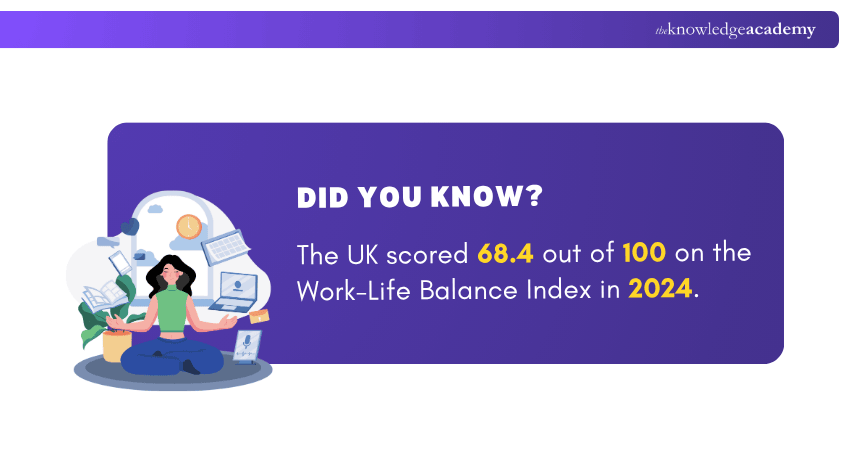
Did you know that 31 % of UK employees feel they do not have a good work life balance? That is almost one in three people trading personal time for another email ping or meeting alert. When work creeps into evenings and weekends it steals more than time and drains our energy. This is more than being busy it is burnout showing up because of poor Work-life Balance.
Finding balance means less stress better health and more time to enjoy what truly matters. This blog will show you why Work-life Balance is essential and share 18 simple ways to achieve it. Let's begin!
Table of Contents
1) What is Work-life Balance?
2) The Importance of Work-life Balance
3) 18 Ways to Improve Work-life Balance
4) Benefits of a Healthy Work-life Balance
5) Impacts of Poor Work-life Balance
6) Conclusion
What is Work-life Balance?
Work-life Balance means managing your work and personal life so that one does not harm the other. It means having enough time to finish your work while also taking care of your health, spending time with family and friends, enjoying hobbies, and getting rest.
How you find this balance is different for everyone. For some, it might be having flexible work hours. For others, it means keeping clear limits between work time and personal time. The main idea is to stop work from taking over your personal life, and to make sure your personal life doesn’t get in the way of your work.
The Importance of Work-life Balance
Sustaining a healthy Work-life Balance is important for mental and physical well-being. Without it, stress levels rise, job satisfaction drops, and efficiency can endure. These are the reasons why it matters:
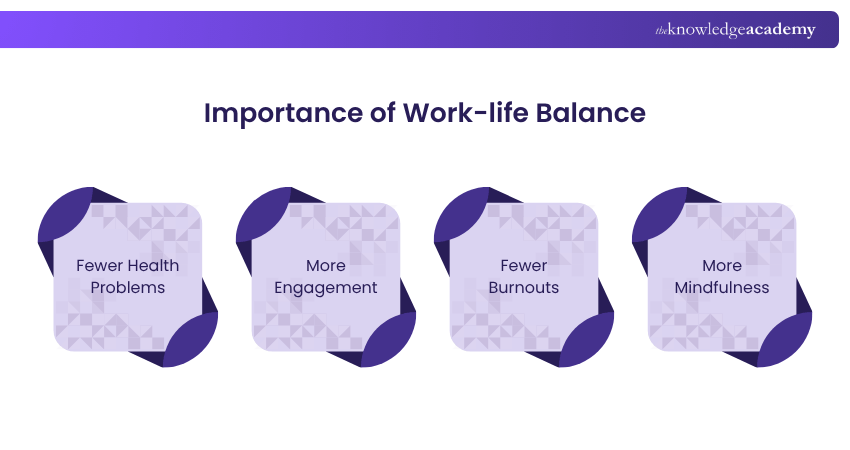
Fewer Health Problems
A well-balanced lifestyle helps lower stress, leading to fewer health issues like blood pressure issues, heart disease, and anxiety. When people give time to relaxation and self-care, their bodies and minds function better.
Chronic stress from overloading can weaken the immunity system, making persons more sensitive to illnesses. In contrast, managing time productively give proper rest, exercise, and healthy food, encouraging overall wellness.
Learn to manage environmental emergencies with our Advanced First Aid Training – Register today!
More Engagement
Employees who maintain a good Work-life Balance are more engaged and productive at work. They feel valued and less drained, which leads to better performance and commitment.
Engagement comes from feeling supported both professionally and personally. When organisations encourage balance, they nurture a more motivated and loyal workforce.
Fewer Burnouts
Burnout happens when someone feels extremely tired, both physically and mentally, due to too much stress for a long time. To prevent this, it's important to keep work and personal life separate.
Having a good balance helps people relax, which keeps their mind fresh and energy high. Taking breaks and resting often can stop burnout from happening.
More Mindfulness
Mindfulness means being fully present in the moment. When work does not dominate life, individuals can focus on personal moments and enjoy their hobbies and relationships.
This practice reduces anxiety and improves mental well-being, allowing people to recharge and be more effective when they return to work.
18 Ways to Improve Work-life Balance
Achieving Work-life Balance requires proactive steps. Here are 18 practical ways to maintain equilibrium:
1) Prepare in Advance
Planning your day or week ahead helps you stay organised and less overwhelmed. It gives you a clear view of your tasks and frees up mental space.
Example: On Sunday evening, Emma lists her weekly goals and blocks time for work, grocery shopping, and family time. Because everything’s scheduled, she avoids the mid-week chaos and feels more in control.
2) End Work at a Certain Time
Setting a daily stop time for work helps create boundaries. It signals to your brain that the day is done, so you can switch off and recharge.
Example: Raj sets a daily alarm for 6:00 PM. No matter how busy he is, he wraps up when the alarm rings, then takes his dog for a walk and enjoys dinner with his family.
Gain knowledge on positive organisational behaviour at work. Join our Promoting Happiness And Positive Behaviour At Workplace Training now!
3) Honour Your Unique Work Style
Everyone works differently. Some focus best in the morning, others in the evening. Know your rhythm and plan tasks around your peak energy times.
Example: Lily knows she’s most alert before lunch, so she does her creative writing in the morning and saves admin tasks for the afternoon when her energy dips.
4) Offer Useful Benefits
When employers provide helpful perks like flexible schedules, mental health days, or gym discounts, it encourages staff to take better care of themselves.
Example: Mark’s workplace offers “wellness afternoons” every month. He uses them to attend therapy sessions, which helps him feel mentally refreshed and supported.
5) Support Parents
Working parents juggle a lot. Giving them options like remote work, flexible hours, or emergency leave helps reduce stress and improves loyalty.
Example: Nina, a single mum, benefits from her company’s flexible hours. She starts work earlier in the day so she can pick up her daughter from school and spend the evening together.
6) Insist on Breaks
Regular breaks throughout the day are essential. They improve focus, boost mood, and prevent mental fatigue.
Example: After every 90 minutes of work, Tom takes a 10-minute stretch break or goes outside for fresh air. He feels more energised and gets more done by the end of the day.
7) Offer Useful Benefits
Going beyond flexible hours, employers can offer counselling services, yoga sessions, or mental health tools to promote well-being.
Example: Sarah’s company offers a free subscription to a meditation app. She uses it during lunch breaks to clear her mind and reduce anxiety.
8) Support Time for Recharging
Encourage employees to take full use of their leave without guilt. Rest and time away help renew energy and motivation.
Example: Alex took a week off to go camping. His manager respected his time off and didn’t contact him. When he returned, Alex felt refreshed and more engaged at work.
9) Encourage Restorative Time
Restorative time means doing what relaxes or energises you like hobbies, reading, or spending time with loved ones.
Example: Maya spends 30 minutes each evening painting. It’s her way to unwind after a long workday and feel mentally balanced.
Understand critical procedures for treating injuries and illnesses until help arrives. Join our First Aid At Work Training now!
10) Insist on Breaks
Breaks should be part of work culture, not just encouraged but expected. No one should feel guilty for pausing.
Example: At Jackson’s office, the team takes a shared coffee break at 11 AM. It’s a quick way to reset, socialise, and return to work with renewed energy.
11) Provide Mental Health Resources
Access to mental health support helps employees deal with stress before it becomes burnout.
Example: When Priya felt overwhelmed, she used her company’s free therapy sessions. Talking to a professional helped her manage stress and get back on track.
12) Inform Staff About Their Benefits
Often, people don’t use helpful resources simply because they don’t know they exist. Keep them informed and updated.
Example: Jake only learned about his company’s free health check-ups during a team meeting. Once informed, he booked his first check-up and now uses the service regularly.
13) Remind Your Team to Unplug
Encourage team members to truly disconnect after hours. No emails or calls unless it’s urgent.
Example: Maria’s boss includes a note in every team message: “No need to reply outside working hours.” This simple line encourages healthy boundaries and shows respect for personal time.
14) Educate Employees on Their Benefits
Make sure employees know how to access and use their benefits with guides or short sessions.
Example: At Leo’s company, HR runs a monthly “Know Your Benefits” session. After attending, he learned how to apply for mental wellness leave and gym reimbursements.
15) Respect Working Hours
It’s important to build a culture were working late isn’t expected or praised. This helps employees manage time without pressure.
Example: Zoe’s manager never sends emails after 6 PM. This sets the tone for the whole team to respect each other’s time and encourages healthier work habits.
16) Work with a Coach or Therapist
Sometimes, professional help can guide people through work challenges, personal stress, or goal setting.
Example: After months of feeling stuck, Adam started seeing a career coach. Together, they set goals to help him manage time better and enjoy work again.
17) Practice Mindfulness
Mindfulness helps you stay present, reduce anxiety, and build resilience. Even five minutes of stillness can make a difference.
Example: Before meetings, Layla takes a few deep breaths and centres herself. It helps her stay calm and respond thoughtfully, not react out of stress.
18) Set an Example for Your Team
When leaders show balance, employees feel they have permission to do the same.
Example: Martin, a team leader, always takes his lunch break away from his desk and doesn’t send messages on weekends. His team feels encouraged to do the same without guilt.
Become familiar with various global legal and policy contexts of workplace health. Join our Healthy Working Environment Training today!
Benefits of a Healthy Work-life Balance
A healthy Work-life Balance improves how employees feel, work, and connect with their workplace. It also helps organisations create a more productive, loyal, and positive workforce. Below are some key benefits, along with real-life examples that show how balance makes a real difference:

Enhanced Job Satisfaction
When people handle both work and personal life well, they feel calmer and less stressed. This balance helps them stay happy, motivated, and enjoy their jobs more. Happy employees do better work and feel proud of what they do.
Real-life Example:
At Salesforce, flexible schedules and wellness reimbursements are part of the company culture. One employee shared that joining midday yoga sessions helped her return to work feeling refreshed. Being able to care for her well-being made her feel more connected to her role and much more satisfied in her job.
Decreased Stress Levels
Chronic stress affects physical and mental health, causing burnout and poor performance. A balanced lifestyle helps manage this stress, allowing employees to focus better, stay calm, and make smarter decisions.
Real-life Example:
At Google, employees are encouraged to take breaks and join wellness programmes like guided meditation. A software engineer noted that attending daily 15-minute mindfulness sessions helped reduce his anxiety. As a result, he worked with more focus, made fewer errors, and felt more at ease during the day.
Improved Employee Retention
When companies show they care about Work-life Balance, employees are more likely to stay long term. It creates loyalty, trust, and a stronger connection between staff and the organisation.
Real-life Example:
Unilever introduced hybrid working, mental health support, and flexible scheduling. A team leader with two small children considered resigning due to family pressure. But after experiencing the supportive work environment, he stayed, saying he felt valued, respected, and trusted by the company.
Gain an understanding of Manual Handling and Safe Lifting with our Manual Handling At Work Training – Join now!
Impacts of Poor Work-life Balance
Ignoring Work-life Balance doesn’t just affect individuals; it leads to wider issues for the entire organisation. Below are three major consequences:
Deteriorated Employee Wellbeing
Working without enough rest leads to constant stress, which slowly wears down both body and mind. People may start to feel tired all the time, lose interest in things they once enjoyed, and face anxiety or health problems.
This happens because the body is not given time to recover. Without breaks or downtime, energy levels drop, and the risk of illness goes up. Emotionally, employees feel drained and frustrated, and even small tasks can feel overwhelming.
Business Impact:
When staff are unwell, it leads to more sick days, lower morale, and difficulty meeting deadlines. Over time, this weakens team productivity and puts pressure on others to pick up the slack.
Elevated Staff Turnover
People who feel constantly overworked or undervalued eventually burn out and leave. Even high performers will start looking elsewhere if they feel like work is taking over their lives.
It is not just about long hours; it is about feeling unsupported. Employees want to know that their personal time is respected. When they don’t, they disconnect emotionally, lose loyalty, and walk away.
Emotional Perspective:
For many, the choice to quit comes after months of quiet stress. It is not one bad day it is the build-up of missed family dinners, cancelled weekends, and no room to breathe.
Business Impact:
High turnover is expensive. Replacing staff takes time, training, and money. It also disrupts projects and lowers team morale, especially when departures become common.
Low Workplace Productivity
When people are tired, stressed, or distracted, they can’t give their best. Poor concentration, mistakes, and a lack of motivation all become common. Even tasks that were once easy start to feel like a burden.
Why It Happens:
Without balance, employees don’t have the mental space to focus. They may rush through work, forget details, or avoid challenging tasks. Creativity fades, and work feels like a chore rather than a purpose.
Business Impact:
This drop in quality affects the bottom line. Client satisfaction falls, deadlines get missed, and innovation slows down. In the long run, this can damage the company’s reputation.
Conclusion
Work-life Balance is more than just a concept; it’s a necessity. It helps employees stay healthy, motivated, and engaged while fostering a positive work environment. Organisations that prioritise balance see better productivity, higher job satisfaction, and reduced turnover. By implementing practical strategies, individuals and companies can achieve a healthier, more balanced approach to work and life.
Enhances awareness and reduces risks of workplace accidents with our Health And Safety In The Workplace Training – Register now!
Frequently Asked Questions
Why do People Struggle with Work-life Balance?

People struggle with Work-life Balance due to long working hours, high job demands, and the pressure to stay constantly connected. Additionally, personal responsibilities and a lack of flexibility make it hard to manage both aspects.
What are the Three Major Challenges of Work-life Balance?
The three major challenges are time management, setting boundaries between work and personal life, and handling stress from conflicting demands. Finding a balance requires prioritising tasks and being mindful of both professional and personal needs.
What are the Other Resources and Offers Provided by The Knowledge Academy?
The Knowledge Academy takes global learning to new heights, offering over 3,000 online courses across 490+ locations in 190+ countries. This expansive reach ensures accessibility and convenience for learners worldwide.
Alongside our diverse Online Course Catalogue, encompassing 19 major categories, we go the extra mile by providing a plethora of free educational Online Resources like News updates, Blogs, videos, webinars, and interview questions. Tailoring learning experiences further, professionals can maximise value with customisable Course Bundles of TKA
What is The Knowledge Pass, and How Does it Work?
The Knowledge Academy’s Knowledge Pass, a prepaid voucher, adds another layer of flexibility, allowing course bookings over a 12-month period. Join us on a journey where education knows no bounds.
What are the Related Courses and Blogs Provided by The Knowledge Academy?
The Knowledge Academy offers various Health & Safety in the Workplace Courses, including the Health and Safety in the Workplace Training, Manual Handling at Work, and the Healthy Working Environment Training. These courses cater to different skill levels, providing comprehensive insights into Hybrid Workplace Strategy.
Our Health & Safety Blogs cover a range of topics related to Health & Safety in the Workplace, offering valuable resources, best practices, and industry insights. Whether you are a beginner or looking to advance your Health & Safety Knowledge, The Knowledge Academy's diverse courses and informative blogs have got you covered.
Upcoming Health & Safety Resources Batches & Dates
Date
 Healthy Working Environment Training
Healthy Working Environment Training
Fri 22nd May 2026
Healthy Working Environment Training
Fri 24th Jul 2026
Healthy Working Environment Training
Fri 27th Nov 2026

 If you wish to make any changes to your course, please


