


 Top Rated Course

We may not have the course you’re looking for. If you enquire or give us a call on +1 7204454674 and speak to our training experts, we may still be able to help with your training requirements.
What Does a Project Manager Do: Key Roles and Responsibilities
David Evans 02 April 2026Project Manager Roles and Responsibilities include planning, team leadership, Risk Management and delivery, along with key skills, tools and career tips. The core objective is to define the project scope, set objectives, manage resources, and ensure every project is delivered on time, within budget, and up to the stakeholder standard.

Training Outcomes Within Your Budget!
We ensure quality, budget-alignment, and timely delivery by our expert instructors.
Table of Contents
A project is a complex chaos of creative energies, strict deadlines, sky-high ambitions, and ever-changing needs. So, how does one keep it all from spiralling out of control? This is where the Project Manager takes the spotlight as the master planner, communicator, and problem-solver. From setting goals and managing timelines to leading teams and handling risks, their role is vital in almost every industry.
Essentially, they are the glue that holds every project together. This blog explores the essential Project Manager Roles and Responsibilities, that keep projects moving and teams thriving. So read on and learn how they turn big ideas into real-world results on time, on budget, and with a whole lot of finesse!
Table of Contents
1) What is the Role of a Project Manager?
2) Key Project Manager Responsibilities
3) Project Manager Skills
4) Stress Management for Project Managers
5) What Makes a Good Project Manager?
6) Is Project Manager a Good Paying Job?
7) How Many Projects can a Project Manager Handle at one Time?
8) Conclusion
What is the Role of a Project Manager?
A Project Manager (PM) is key to making sure that a project runs smoothly from ideation to conclusion. They set goals, plan tasks, manage the budget, and ensure work is completed on time. They keep everyone, including the team, clients, and stakeholders, in the loop. Their job also includes identifying risks, resolving issues, and addressing any changes that arise.
A Project Manager does more than just plan tasks; they help the team work well together and stay motivated. They ensure that everyone knows what they need to do and maintain the team’s energy and focus. By tracking progress, they can improve how work gets done. Ultimately, a Project Manager transforms plans into tangible results, enabling the business to achieve its goals efficiently.

Project Manager Responsibilities
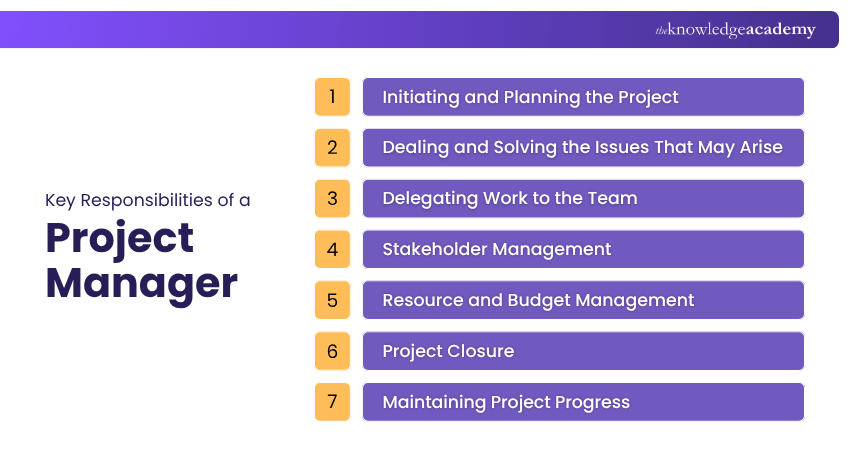
A project usually involves many moving parts, and naturally, a Project Manager fulfils many different responsibilities. The responsibilities can be as mundane as taking regular updates from the team to meeting with stakeholders to align business and project goals.
1) Initiating
At the beginning of any project, Project Managers focus on understanding its main goals, purpose, and scope. They also figure out who the key people involved are, align expectations, and get approval to begin.
a) Some key questions they ask during this phase are:
b) Why is this project needed?
c) What problem are we solving?
d) What outcome do we want, and how will we measure success?
e) Who are the key individuals or organisations involved?
f) What are the project’s needs, limits, and rules?
g) What are we assuming to be true?
h) Where is the funding coming from?
i) What will we do, and what’s outside our scope?
j) Has something similar been done before? If so, what can we learn from it for this project?
2) Planning
After the project charter is approved, project managers team up with key stakeholders to build a full project plan that aims to meet the set goals.
This plan helps manage things like:
a) Scope
b) Budget
c) Deadlines
d) Risks
e) Quality
f) Communication
They also define key tasks, deliverables, and milestones needed to complete the project. It's essential to remember that the plan is a living document that should be updated as the project progresses.
3) Executing
In this phase, the team begins executing the actual work outlined in the project plan to achieve the project goals. The Project Manager’s job is to assign tasks and ensure they are completed on time.
a) They also perform the following functions:
b) Keep the team focused by blocking distractions
c) Help solve problems that come up
d) Guide the team through any changes in the project
Monitoring and Controlling
Monitoring and controlling begin at the project's inception and continue through planning, execution, and closure.
In this phase, the Project Manager does the following:
a) Tracks the project's progress
b) Manages the budget
c) Checks if milestones are being met
d) Compares actual work with what was planned
Project Managers need to stay flexible and adjust the plan when needed.
5) Closing
In the closing phase, Project Managers ensure that all necessary tasks to complete the project are carried out properly. They will include the following functions:
a) Get final approval from the client confirming the project is done
b) Release team members or funds no longer needed
c) Review vendor work, close contracts, and handle payments
d) Save all project documents for future use
Once the project ends, a review is often done to understand what worked, what didn’t, and what can be improved for future projects.
Spot the risks and steer with the project with confidence! Start your Risk Management journey with our Project Risk Management Course - Sign up now!
6) Solving Issues and Challenges That Arise
Project Managers act like problem-solving champions. As soon as a problem arises, they perform the following function:
a) Use an issue log to identify problems, assign priorities, and track progress.
b) Work closely with the team to brainstorm possible solutions.
c) Negotiate trade-offs wherever needed to minimise impact on scope, cost, or schedule.
d) Take action by:
e) Resolving conflicts between stakeholders
f) Reallocating resources or manpower
g) Adjusting project timelines and tasks
A Project Manager’s focus is on keeping the project on track despite obstacles or setbacks.
7) Managing Documentation and Reports
Documentation is the backbone of every successful project. Project Managers maintain key project documents such as:
b) Scope statements
c) Risk registers
d) Status updates
e) Vendor contracts
They ensure that all actions are well-tracked and transparent, sharing regular reports and logs to keep stakeholders informed.
At the project close, they use the documentation for audit, lessons learned, and future planning. Project Managers support higher efficiency by keeping information organised and accessible.
Turn your long-cherished project vision into assured victory! Sign up for our Project Management Courses and elevate your expertise – Sign up now!
Project Manager Skills
The success of a project often depends on the mix of soft and technical skills a Project Manager brings to the table. Earning a Project Management certification can improve your job prospects and lead to higher pay. Below are some key soft skills every Project Manager should have:
a) Communication: Clear speaking and writing help PMs share goals, updates, and feedback with everyone involved, keeping the team on the same page.
b) Adaptability: Projects often change unexpectedly. PMs need to stay flexible and adjust plans quickly to keep things on track.
c) Problem-solving: PMs must think critically to understand issues, find solutions, and act quickly to reduce delays or risks.
d) Team Leadership: Effective project managers lead by example, motivate their team, offer support, and build a positive, team-focused work environment.
e) Organisational Skills: PMs juggle many tasks. Strong organisation helps them plan timelines, manage resources, and meet deadlines successfully.
Stress Management for Project Managers
Project Managers often deal with tight deadlines and high pressure, which can lead to burnout and stress. To stay healthy and work efficiently, it’s essential to employ strategies that promote well-being. Here are some simple tips:
1) Prioritise tasks: Focus on the top priority tasks first. This helps you stay on top of things and avoid feeling overwhelmed.
2) Delegate work: Share tasks with your team based on their strengths. It eases your load and encourages teamwork.
3) Take breaks: Regular short breaks help you recharge and stay productive throughout the day.
4) Communicate clearly: Maintain honest communication with your team and stakeholders to resolve problems promptly and prevent confusion.
5) Use project tools: Project Management software like Jira helps you organise tasks, track progress, and improve workflow.
6) Monitor progress: Be vigilant of the project's progress. A good risk plan helps address problems before they escalate.
Using these tips can help you stay calm, focused, and successful in your role as a Project Manager.
Gain the expertise to effectively manage tasks, track progress and seamlessly collaborate – sign up for our Jira Training now!
What Makes a Good Project Manager?
A good Project Manager not only focuses on meeting project objectives but also fosters a positive and productive team environment. Let’s look at their attributes in detail:
1) Effective leaders always inspire and motivate their team to achieve project goals.
2) Clear communication of project objectives, expectations, and feedback.
3) Efficiently addressing challenges and finding practical solutions.
4) Assigning tasks to the appropriate team members according to their strengths and expertise.
5) Cultivating a positive team environment, encouraging collaboration, and recognising contributions.
6) Building trust and managing the project ethically and effectively.
7) Maintaining team morale and driving project success.
8) Competence in Project Management tools and methodologies, such as Agile.
Is Project Manager a Good Paying Job?
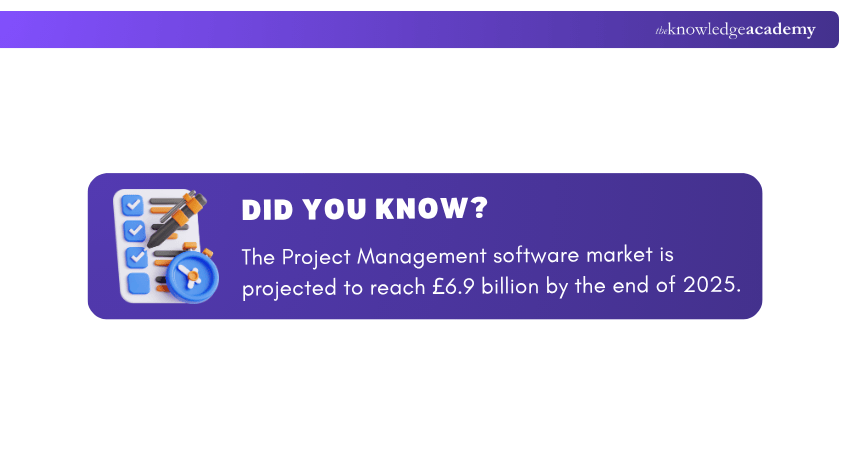
Yes, Project Managers earn competitive salaries, and their pay often grows with experience and performance. Skilled and in-demand professionals can even negotiate their own rates and work schedules. For instance, a Portfolio Manager earns an average annual salary of around £66K in the UK.
How Many Projects can a Project Manager Handle at one Time?
The ideal number of projects a Project Manager should handle varies based on the size and complexity of each project. Generally, a PM can manage three to five smaller, simpler projects at once, as they require less oversight. For larger, more complex projects involving multiple stakeholders, focusing on just one to two is more practical.
Conclusion
Understanding the diverse Project Manager Roles and Responsibilities is crucial for steering projects to success. For those seeking to break into the field, Entry Level Project Management Jobs provide an excellent opportunity to build foundational skills and gain hands-on experience. By mastering strategic alignment, Project Manager can navigate challenges and drive their teams towards achieving goals.
No Project Manager title? No Problem! Learn to Manage Projects like a pro in our Project Management for Non-Project Managers Course - Sign up now!
Frequently Asked Questions
What Does a Project Manager do all day?

As a Project Manager, the day usually involves planning, organising, and keeping the project on track. A significant portion of your day is spent communicating with the team, assigning tasks, and ensuring everyone is aware of their responsibilities.
What is the Common Career Path for a Project Manager?
Established Project Managers aiming to advance their careers often consider roles like Chief Operating Officer (COO) or other Senior Management positions, which vary by title across industries.
What are the Other Resources and Offers Provided by The Knowledge Academy?
The Knowledge Academy takes global learning to new heights, offering over 3,000+ online courses across 490+ locations in 190+ countries. This expansive reach ensures accessibility and convenience for learners worldwide.
Alongside our diverse Online Course Catalogue, encompassing 17 major categories, we go the extra mile by providing a plethora of free educational Online Resources like Blogs, eBooks, Interview Questions and Videos. Tailoring learning experiences further, professionals can unlock greater value through a wide range of special discounts, seasonal deals, and Exclusive Offers.
What is Knowledge Pass, and How Does it Work?
The Knowledge Academy’s Knowledge Pass, a prepaid voucher, adds another layer of flexibility, allowing course bookings over a 12-month period. Join us on a journey where education knows no bounds.
What are Related Courses and Blogs Provided by The Knowledge Academy?
The Knowledge Academy offers various Project Management Courses, including the Project Risk Management Course, Running Small Projects Course and the Project Management for Non-Project Managers Course. These courses cater to different skill levels, providing comprehensive insights into Project Integration Management.
Our Project Management Blogs cover various topics related to Project Manager Roles and Responsibilities, offering valuable resources, best practices, and industry insights. Whether you are a beginner or looking to advance your Project Management skills, The Knowledge Academy's diverse courses and informative blogs have you covered.

David Evans


Certified Project Trainer and Agile Delivery Expert
David Evans brings over a decade of hands-on experience in project delivery, Agile transformation, and team leadership. With a background in technology and business consulting, David has led cross-functional teams through Agile and Waterfall projects in both public and private sectors. He combines technical knowledge with practical insights to help readers navigate the challenges of modern project environments.

Upcoming Project Management Resources Batches & Dates
Date
 Introduction to Project Management Course
Introduction to Project Management Course
Fri 14th Aug 2026
Introduction to Project Management Course
Fri 23rd Oct 2026

 If you wish to make any changes to your course, please


