


 Top Rated Course

We may not have the course you’re looking for. If you enquire or give us a call on +44 20 4538 6376 and speak to our training experts, we may still be able to help with your training requirements.
What is Social Media Marketing: A Complete Guide
James Smith 10 January 2026Social Media Marketing uses platforms like Instagram, LinkedIn, and TikTok to promote brands, engage audiences, drive website traffic, and align business goals. It focuses on creating content, building relationships, increasing visibility, and analysing performance. It plays a key role in enhancing brand presence and digital growth.

Training Outcomes Within Your Budget!
We ensure quality, budget-alignment, and timely delivery by our expert instructors.
Table of Contents
Your future customers are already online, scrolling, liking, and sharing. So, the big question is: is your brand part of their feed? Social Media Marketing is more than trendy hashtags and pretty pictures. It’s a powerful way to connect with your audience, tell your story, and drive action. Let’s make sure it’s heard.
This blog unpacks what, why, and how Social Media Marketing is, from building an authentic voice to turning engagement into impact. Whether you’re a startup, a creator, or a growing business, it’s time to swipe right on strategy. Let’s turn your Social Media presence into a real business advantage.
Table of Contents
1) What is Social Media Marketing?
2) Why is Social Media Marketing (SMM) so Powerful?
3) Key Social Media Platforms
4) How to Create a Social Media Marketing Strategy?
5) Tracking Metrics
6) Advantages and Disadvantages of Social Media Marketing (SMM)
7) What are the Five Pillars of Social Media Marketing?
8) What are Some Examples of Social Media Marketing Strategies?
9) What are the Four Key Characteristics of Social Media?
10) Conclusion
What is Social Media Marketing?
Social Media Marketing (SMM) refers to the practice of using social platforms to promote a brand, product, or service. It is known as a powerful digital strategy that helps businesses connect with their audience and build brand loyalty. Some of the measurable results are website traffic, leads, and sales.
Creating high-quality, engaging content, whether it’s reels, carousels, memes, or educational posts, can boost your marketing. This also involves tracking metrics like engagement rate, click-through rate, reach, and conversions. Data-driven tracking helps marketers understand what is working and what is not working. With the right objectives and tactics, Social Media becomes a high-impact tool for growth.
Key Takeaways:
1) Intentional Promotion: Uses platforms like Instagram, Facebook, and LinkedIn to promote brands, products, or services.
2) Engagement First: Focuses on building relationships through likes, comments, shares, and DMs.
3) Content is King: Visuals, videos, reels, and posts drive attention and brand storytelling.
4) Targeted Reach: Paid ads help reach specific audiences based on interests and behavior.
5) Influencer Power: Collaborating with creators expands visibility and trust.
6) Data-driven Marketing: Success is tracked with analytics to refine campaigns and boost Return on Investment (ROI).
7) Goal-oriented Approach: Helps achieve business objectives like brand awareness, lead generation, and sales.
Why is Social Media Marketing (SMM) so Powerful?
Social Media Marketing has revolutionised the way businesses communicate, sell, and grow. What once required huge budgets and media purchases can now be done with creativity, connection, and a smartphone. SMM is powerful because it meets people where they are scrolling, sharing, and discovering.
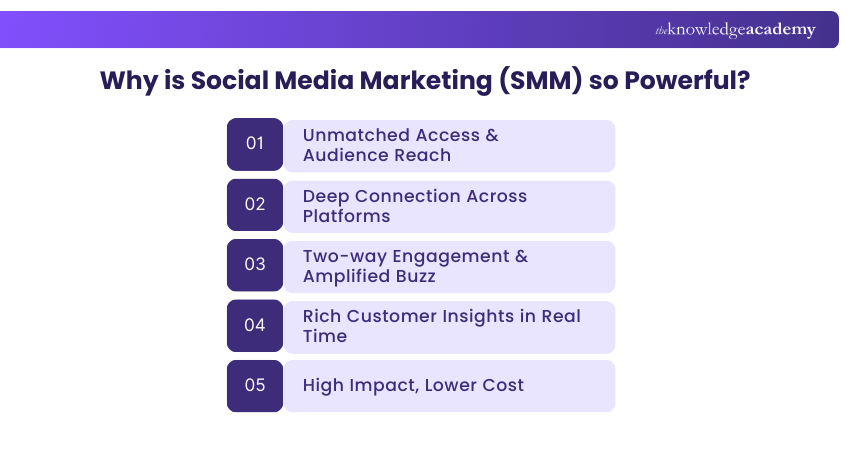
1) Connection
Social Media allows brands to connect directly with their audience. It breaks down the traditional barriers between businesses and consumers and fosters a sense of accessibility and trust.
Whether it’s a heartfelt story on Instagram or a behind-the-scenes post on Facebook, these authentic moments build loyalty and emotional bonds.
2) Interaction
Unlike traditional marketing, SMM focuses on two-way communication. Features like likes, comments, shares, and Direct Messages (DMs) make your brand feel approachable, human, and responsive.
Interacting in real time not only improves visibility but also creates a community around your brand. Moreover, these algorithms encourage users to engage, advocate, and return. This is what transforms followers into loyal fans and customers into brand ambassadors.
3) Customer Data
Social Media platforms are the goldmines of customer data. Every like, comment, share, and click tells a different story. These insights reveal not just what your audience enjoys, but when and how they interact, which influencers they follow, and even what language they prefer.
It turns marketing from assumption into strategy. Here, the marketing is backed by real-time analytics and behavioural insights. This leads to more effective campaigns and better returns on investment.
Key Social Media Platforms
Businesses can utilise Social Media platforms to connect with their potential customers. In this section, we will explore some of the platforms and their unique features.
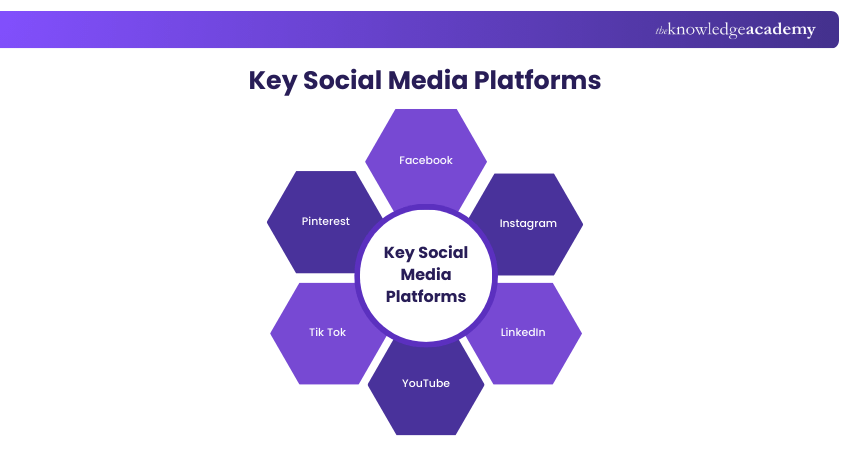
1) Facebook
Facebook is a versatile Social Media platform where people of all ages find what they are looking for. This channel has become a hub for building relationships with friends, family, as well as brands. For businesses, Facebook has a variety of features that help them interact with their audience effectively.
One of the most important features is the creation of the landing pages. These pages are the online presence where businesses are allowed to post different kinds of content such as posts, photos, videos, and anything business related. Additionally, companies can leverage Facebook Marketing Tools to streamline their interactions, optimise campaigns, and enhance visibility.
A brand can directly interact with its users via responding to comments, messages and also being personal and approachable. As well, Facebook provides businesses with the option of running targeted ads and thus reaching certain target groups based on factors such as age, location, interests, and many more. This integrated marketing provides companies to exhibit their products or services to the right customers effortlessly.
2) Instagram
Instagram is a platform all about pictures and videos. Businesses use it to tell their stories in visual ways. You can see photos, reels, and short videos that show what a brand is all about. Using this creatively can get users' attention to build an online presence.
On Instagram, businesses can post different things. There are regular posts that stay, Stories that disappear after a while, and videos in the form of reels. People can like, comment, and even send private messages to businesses. Using hashtags (#), they can find posts about things they like.
Transform your marketing strategy with creative video content. Sign up for the Video Marketing Course today!
3) LinkedIn
LinkedIn is a specific Social Media for the use of professionals and businesses. It is just like a real-life networking event that people go to connect, share ideas and build their careers. What makes LinkedIn different from other platforms is that it addresses professional issues.
Businesses utilise LinkedIn to demonstrate their skills, disclose industry news, and join the diverse professional network. It’s like having a business card online that represents what you are all about. Companies, just like individuals, can create profiles and share updates on their achievements, news and job opportunities. The knowledge about types of LinkedIn ads can further help businesses effectively reach their target audience, whether for brand awareness, lead generation, or recruitment.
What makes LinkedIn stand out is that it is built on professionalism. That's not about funny memes or personal things; it's about the professional side of the brand. Businesses can list jobs on LinkedIn for recruitment of new talent, connect with potential partners and even share articles to establish themselves as industry experts.
4) YouTube
YouTube is just like a video library where companies can upload all manner of content. It is a space where you watch and post videos on practically any given topic. For the business it is a tool for visual communication with the customers.
Businesses can form channels on YouTube that look like their own TV stations. This way, they can give customers video or short recorded materials that illustrate the products, give insight into the procedures, or provide instruction. This is a good way to show customers what your brand is made of.
The great part is that YouTube is not singularly associated with giant companies. It can be used by small and medium enterprises as well. Creativity is what counts here, not the size of the budget. If viewers find your video content to be intriguing, they are likely to like, share, and subscribe to your channel, thus forming a faithful audience for you.
5) Tik Tok
TikTok is a video-sharing platform that allows short-form content to rule the world. It is like a digital stage where creators reveal their imagination in 15 to 60-second videos. Businesses are jumping on the train of TikTok to be able to interact with a younger, more dynamic crowd.
TikTok is famous for its trends and challenges. They participate in challenges consisting of dances, lip-syncing, and amazing skits. Companies can join in with these trends to show their playful and sympathetic side. However, if you find that certain interactions are no longer beneficial or respectful, learning how to block Someone on TikTok can help maintain a positive environment. It's a great way to express the character of your brand while having fun at the same time.
TikTok, for brands, is about going beyond the box. They can produce content that is not centred on the selling of the products but on entertaining and engaging the audience. The creative side of marketing can be one of the tools to help businesses get closer to a young audience.
6) Pinterest
Pinterest is a platform where people look for ideas, inspiration, and solutions. Every pin and board helps users discover new things related to lifestyle, fashion, home decor, and creative projects. Businesses mainly use Pinterest to share helpful and informational content that inspires users.
It is ideal for showcasing products and ideas in a simple, visual way. Pins help businesses drive long-term website traffic through searchable pins. Content on the platform has a longer lifespan, making it ideal for businesses focused on inspiration-based, innovative marketing and product discovery.
Create, captivate, convert by joining the Content Marketing Masterclass Course and elevate your marketing game!
How to Create a Social Media Marketing Strategy?
Making a good Social Media strategy is just like writing a guideline for the online journey of your brand. It's about making smart decisions and implementing them right in order to reach the place where you want to be.
1) Defining Goals and Objectives
Setting clear goals is the foundation of a strong Social Media strategy. Are you looking to spread the word about your brand? Or maybe you want more people visiting your website? It could even boost your sales.
Defining these objectives helps you focus your efforts and measure success. When you know where you're headed, every post, interaction, and campaign can be targeted to achieve those goals. It makes your strategy purposeful and effective.
2) Identifying Target Audience
Knowing your audience inside out is key. Understand their age, location, interests, and what keeps them loyal. This knowledge helps your Social Media Marketing content speaks directly to them, resonates with their needs, and sparks their interest.
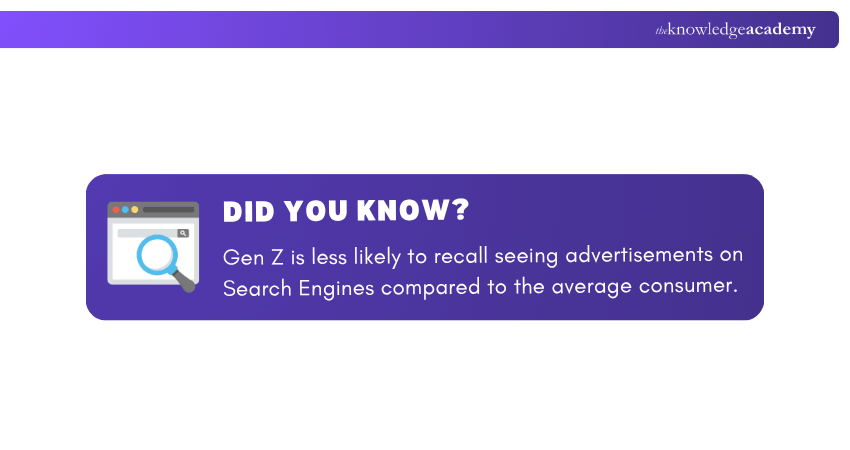
It's almost like customising your message to fit perfectly. When your audience feels validated, they're more likely to engage and connect with your brand, forming a meaningful relationship.
3) Selecting Appropriate Platforms
Different platforms serve different purposes. Choosing the right ones is like picking the right party for your brand. LinkedIn suits a professional audience where you can share industry insights. Instagram is about visually engaging content that is ideal for showcasing products.
By matching your brand's personality with the platform's vibe, you can make sure your message reaches the right ears and eyes. It maximises your impact in effectively building an online presence.
4) Content Planning and Calendar
Content planning involves creating a variety of posts that cater to your audience's interests and needs. Just like packing different items for a trip, you prepare diverse content forms – articles, videos, graphics – to keep your audience engaged. A content calendar is your roadmap, outlining when and what to post.
It's like knowing where you'll be each day of your journey. This organised approach ensures consistent posting and maintains a cohesive brand image. It also enables you to match your Social Media Marketing strategy both efficiently and effectively.
5) Engagement and Interaction Strategy
Engaging with your audience is like having a conversation at a gathering. It's about responding to comments, asking questions, and actively participating in discussions. This interaction goes beyond one-way communication, creating a sense of community and connection. Just as you'd listen to friends at a party, you listen to your audience's feedback and preferences.
By creating an engagement strategy, you encourage meaningful interactions, cultivate brand loyalty, and showcase that you value your audience's input, making your brand feel more relatable and approachable.
Enhance your marketing skills with expert-led Marketing Courses today!
6) Metrics for Success
Metrics are like measuring your steps during a hike – they show your progress. These numbers track your Social Media performance, revealing how many people engaged with your posts, clicked your links, or shared your content. Metrics help you understand what's working and what's not.
By analysing these numbers, you gain insights into your audience's behaviour and preferences. This data-driven approach allows you to strategically set your strategy, optimise your content, and achieve better results. It ensures that you're on the right track towards your Social Media goals.
Tracking Metrics
Tracking metrics means measuring how well your Social Media Marketing efforts are performing. It helps businesses understand what type of content works best, how audiences interact with posts, and whether marketing goals are being achieved. Without tracking metrics, it becomes difficult to improve or adjust strategies.
Common Social Media metrics include likes, comments, shares, reach, impressions, click-through rate, and conversions. By analysing these numbers regularly, marketers can make better decisions, optimise campaigns, and focus on activities that deliver real results and support business growth.
Advantages and Disadvantages of Social Media Marketing (SMM)
Social Media Marketing offers many benefits for businesses, but it also comes with certain challenges. Knowing both the advantages and disadvantages helps you make informed decisions, set realistic expectations, and create effective strategies. So, let’s check the advantages and disadvantages of SSM:
Advantages of Social Media Marketing
1) Cost-effective Marketing: Social Media allows businesses to promote their brand at a lower cost compared to traditional advertising.
2) Wide Audience Reach: Platforms help businesses reach local and global audiences quickly and easily.
3) Better Customer Engagement: Brands can interact directly with customers through comments, messages, and shares.
4) Targeted Advertising: Ads can be conveyed to specific audiences based on interests, age, location, and behaviour.
5) Easy Performance Tracking: Analytics tools help measure engagement, traffic, and conversions in real time.
Disadvantages of Social Media Marketing
1) Time-consuming: Creating content and managing multiple platforms requires regular effort and consistency.
2) Negative Feedback Risk: Complaints or negative comments can spread quickly and harm brand image.
3) Algorithm Changes: Platform updates can reduce organic reach and affect visibility.
4) High Competition: Standing out is difficult due to the large amounts of content shared daily.
5) ROI Measurement Challenges: It can be hard to directly link Social Media activity to sales without proper tracking.
What are the Five Pillars of Social Media Marketing?
Social Media Marketing can be considered as the foundation for your brand's digital voice, growth and visbility. Each pillar plays a unique role and represents the core elements of social platforms. Mastering these five essentials is the key to standing out in a crowded digital space. Let's learn them one by one:
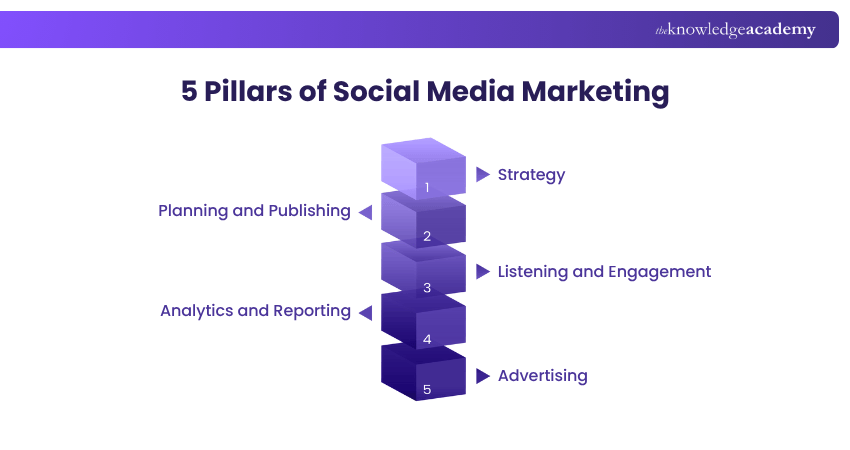
1) Strategy
Before you post anything, you need a plan.
a) Define clear goals like brand awareness, lead generation, and sales
b) Identify your target audience, know their needs and habits
c) Decide the content types of videos, memes, infographics, and carousels
d) Choose the right platforms like Instagram, LinkedIn, TikTok, etc.
2) Planning and Publishing
Once the strategy is clear, it's time to plan and consistently publish content.
a) Create a content calendar for consistency
b) Plan post frequency and optimal timing
c) Use scheduling tools like Buffer, Hootsuite, Meta Suite
d) Ensure brand tone and visuals are consistent
Your future in marketing starts with one smart click – Register to Pay Per Click (PPC) Training now!
3) Listening and Engagement
Social Media isn’t just about posting, but about listening, too.
a) Monitor brand mentions, tags, and industry conversations
b) Respond to comments, messages, and feedback promptly
c) Encourage user-generated content and discussion
d) Build community and brand trust through two-way interaction
4) Analytics and Reporting
You need data to know what’s working and what’s not. For that, you can do the following:
a) Track Key Performance Indicators (KPIs) like engagement, reach, traffic, and conversions
b) Use platform analytics or tools like Google Analytics
c) Identify top-performing content and audience behaviors
d) Refine your strategy based on performance insights
5) Advertising
Paid advertising can only boost organic reach and supports conversion goals quickly
a) Run paid campaigns to boost reach and visibility
b) Target specific demographics using ad managers
c) Use A/B testing for ad creatives and messaging
d) Allocate budget strategically for maximum ROI
What are Some Examples of Social Media Marketing Strategies?
Understanding What is Social Media Marketing helps you follow some strategies. They are planned approaches that help businesses use social platforms effectively to reach their audience and achieve specific goals. Some of those strategies are:
1) Content Marketing: Sharing useful and engaging content such as posts, images, reels, and videos to attract audiences.
2) Audience-targeted Advertising: Running ads tailored to specific audiences based on age, interests, location, and online behaviour.
3) Influencer Marketing: Collaborating with media influencers to increase brand visibility and trust.
4) User-generated Content (UGC): Encouraging customers to create and share content related to the brand.
5) Interactive Chatbots: Using chatbots to respond instantly to customer queries and improve user experience.
6) Personalised Customer Experiences: Delivering customised content, offers, and recommendations based on user preferences.
7) Community Engagement: Actively interacting with followers through comments, messages, and polls.
What are the Four Key Characteristics of Social Media?
Here are the four key characteristics of Social Media:
1) Interactivity: Social Media allows two-way communication where users can like, comment, share, and message, creating active engagement.
2) Connectivity: Platforms connect people, brands, and communities globally, enabling instant communication and networking.
3) Real-Time Communication: Information can be shared and accessed instantly, allowing quick updates, responses, and interactions.
4) User-generated Content: People create and share their own content, such as posts, videos, reviews, and images, which drives authenticity.
Conclusion
Social Media Marketing is your brand’s voice in a scrolling world. Think of What is Social Media Marketing as your digital handshake, your chance to show up, stand out, and stay top of your mind. Stay consistent, be human, and have some fun with it. Because when your audience feels seen, they stick around and that’s where magic happens. Ready to turn likes into loyalty? The feed’s waiting for you.
Master modern marketing - Learn, create, and convert with Integrated Marketing Training today!
Frequently Asked Questions
What is the 50-30-20 Rule for Social Media?

The 50/30/20 rule suggests you divide your content as follows: 50% entertaining or inspiring content, 30% informative or educational, and 20% promotional. This balance keeps your audience engaged without overwhelming them with sales-focused posts.
How to Become a Social Media Marketer?
Start by learning the basics of platforms, content creation, and analytics. Take online courses, build your own social presence, and gain experience through internships or freelance work. Master tools like Canva, Meta Suite, and Buffer to grow your skills and credibility.
What are the Other Resources and Offers Provided by The Knowledge Academy?
The Knowledge Academy takes global learning to new heights, offering over 3,000+ online courses across 490+ locations in 190+ countries. This expansive reach ensures accessibility and convenience for learners worldwide.
Alongside our diverse Online Course Catalogue, encompassing 19 major categories, we go the extra mile by providing a plethora of free educational Online Resources like Blogs, eBooks, Interview Questions and Videos. Tailoring learning experiences further, professionals can unlock greater value through a wide range of special discounts, seasonal deals, and Exclusive Offers.
What is the Knowledge Pass, and how does it work?
The Knowledge Academy’s Knowledge Pass, a prepaid voucher, adds another layer of flexibility, allowing course bookings over a 12-month period. Join us on a journey where education knows no bounds.
What are related courses and blogs provided by The Knowledge Academy?
The Knowledge Academy offers various Digital Marketing Courses, including the YouTube Marketing Course, Search Engine Optimisation (SEO) Course, and Google Analytics Certification. These courses cater to different skill levels, providing comprehensive insights into Social Media.
Our Digital Marketing Blogs cover a range of topics related to Social Media Marketing, offering valuable resources, best practices, and industry insights. Whether you are a beginner or looking to advance your Digital Marketing skills, The Knowledge Academy's diverse courses and informative blogs have got you covered.

James Smith


Digital Marketing Manager and Trainer
James Smith is a digital marketing professional with over a decade of experience in SEO, content strategy, paid media and analytics. He has supported both SMEs and global brands in transforming their digital presence. James’s writing and training are rooted in results-driven tactics and the latest marketing trends.
View Detail
Upcoming Digital Marketing Resources Batches & Dates
Date
 Social Media Marketing Course
Social Media Marketing Course
Fri 1st May 2026
Social Media Marketing Course
Fri 3rd Jul 2026
Social Media Marketing Course
Fri 16th Oct 2026

 If you wish to make any changes to your course, please


